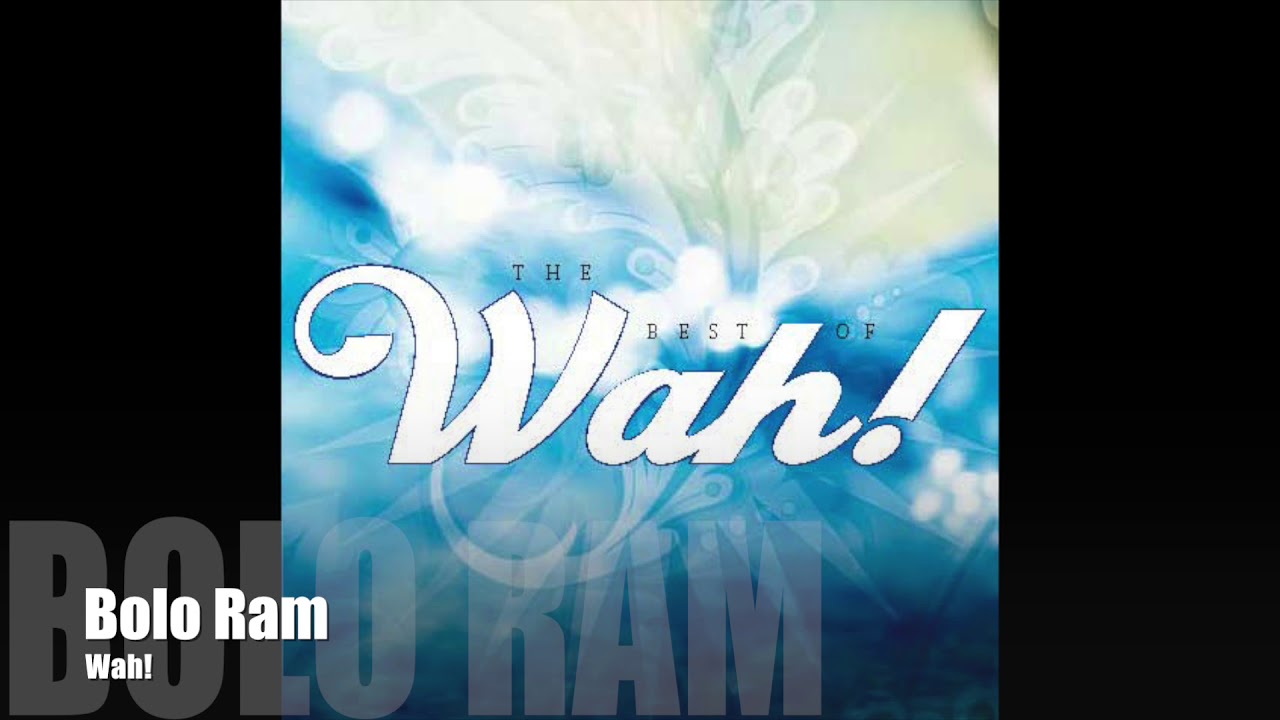
Opening to Bliss is the title of a meditation recording by the musician Wah!, and this seven-and-a-half-minute video, labeled as an Anusara prayer, points listeners back to that album. The video has drawn a large audience, with more than 334,000 views since it went up in September 2017. This is a short piece, and it is honest about its limits: the only material available for this article is the video's title, its running time, its view count, and the description beneath it. No transcript was available, so nothing here describes the sounds, words, or structure of the performance itself. What follows is what can be stated with confidence, and a practical way to listen.
The video's description connects it to a release called Opening to Bliss. Two routes to the music are listed. The first is a digital download of an album titled "Opening to Bliss Meditation" on the iTunes store, and the second is a physical CD sold through Sounds True, a publisher of contemplative and spiritual titles. The description also points to Wah!'s own website for more of the artist's work. Taken together, these links place the recording in the world of meditation and devotional listening, and they show that the music was made to be heard as a companion to quiet practice, not only as entertainment.
The title frames the piece as an Anusara prayer. Anusara is the name of a yoga lineage, and calling a recording a prayer places it inside a devotional context rather than a purely musical one. That label tells the listener how to hold the sound. A prayer is not something you analyze from the outside; it is something you enter, take a breath inside, and let shape your attention. Anyone coming to this video expecting a lecture or a tutorial will be better served by approaching it as a few minutes of sustained listening.
Without a transcript, the most useful guidance is general and grounded in how devotional and meditative recordings tend to work. Start by setting aside a short, uninterrupted stretch of time. Sit upright and comfortable, and let the first minute pass without judging the music. Then notice where your attention goes: to a particular voice or instrument, to a repeating pattern, or to the spaces between sounds. When your mind wanders, return to the sound without scolding yourself. The seven and a half minutes of this video are a manageable length for a single sitting, which is part of why short recordings like this can become a regular practice rather than a one-time listen.
It cannot describe the specific melodies, instruments, or spoken or sung text in this prayer, because no transcript or detailed description was provided. It also cannot confirm details of the artist's history beyond what the video's own description states. If you want those specifics, listen to the recording itself, then check the album listings and the artist's website directly. Being clear about what the source does and does not show is the most reliable way to write about any piece of music, and it is the approach taken here.
Listen to the full video once without any agenda, then return to it on a second day with a specific intention, such as attention to the breath or to the sound of the drone beneath the melody. If you find the recording meaningful, the Opening to Bliss album is available through the iTunes listing and the Sounds True CD linked in the video's description. Those two sources will give you the complete work, and the seven-minute video is a fine doorway into it.