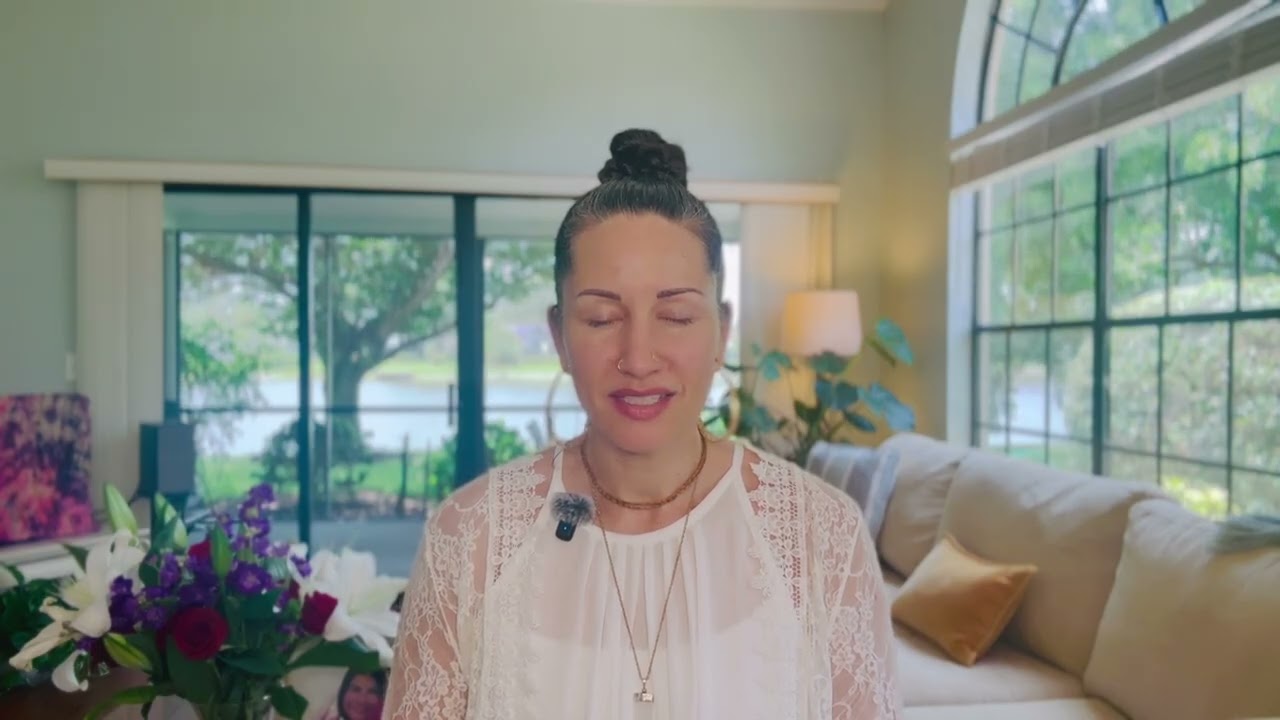
"Lonely Visualizer" is a three-minute song, released as a video in February 2023, that circles one feeling from several angles: the loneliness people carry while acting as if they don't need anyone. Its lyrics move between a plain admission ("sometimes I get so lonely") and a quieter confession that the same person wants both distance and closeness. The video is credited to Desirée Dawson, with songwriting credits shared with Akeel Henry and Adam Josh Pondang, and the visuals are credited to Jaime Leigh Gianopoulos. What follows is a close reading of the words that are available, along with an honest note about what the video does not say.
The clearest thread is the repetition. The chorus-like refrain returns again and again: "sometimes I get lonely," "sometimes I get so lonely," "the times we get lonely." The phrase is never dressed up. It is stated and restated, the way a feeling sounds when it has been carried for a long time and no longer needs explaining.
The lyrics also describe a pattern of concealment. The singer says "I act like I don't really care," and later, "we won't always admit it." The loneliness is not presented as an outburst. It is presented as something managed in private, behind a composed surface. That shift, from the feeling itself to the effort of hiding it, gives the song its emotional tension.
Perhaps the most striking line comes near the middle: "I need a lot of space but I need to see your face." The request is not for one thing or the other. The singer wants room to breathe and also the reassurance of a familiar face. Paired with the earlier plea, "I need you to hold me," the song treats loneliness as something that is not solved by being left alone, and not solved by crowding either. It is solved, if at all, by a specific kind of nearness that respects the need for distance.
The song does not resolve this tension, and it does not try to. It offers the contradiction and leaves it standing, which is a more honest choice than a tidy ending would have been.
The available transcript is an automatic caption track, and it is imperfect. Several phrases are garbled, including a line that reads as "controlling eat" and another that reads as "such a Salvation that perfect foundation." Lyrics can only be read with confidence where the captions hold together. Much of the track is marked only as [Music], so the spoken and sung text is incomplete.
Nothing in the available material explains the song's origin, the circumstances of its writing, or the intentions of its writers. There is no teaching or framing voiceover. Readers looking for a story behind the song, or for a stated message from the artist, will not find it here. What exists is the lyric itself, and that is where this reading stays.
If the song's themes resonate, the most useful next step is to listen to the full recording with the lyrics in view, since the captions above are an incomplete guide. Pay attention to how the refrain changes each time it returns. For readers interested in the people behind the work, the video credits list Desirée Dawson, Akeel Henry, and Adam Josh Pondang as writers and Jaime Leigh Gianopoulos for the video. Their own channels and published statements are the places to look for context the video itself does not provide.