BrightStar
BlogMy Tickets
BlogMy Tickets
Saved events
Help & contactSign UpLog in
Events
  • Browse All Events
  • Yoga
  • Meditation
  • Breathwork
  • Qigong
  • Sacred Music
  • World Music
  • Medicine Music
  • Sound Healing
  • Ecstatic Dance
  • Ceremony
  • Plant Medicine
  • Energy Healing
  • Satsang & Wisdom
  • Tantra
  • Retreats
  • All Categories →
Destinations
  • Bali
  • Sedona
  • Los Angeles
  • Costa Rica
  • Tulum
  • Byron Bay
  • San Francisco
  • Austin
  • New York
  • San Diego
  • Denver
  • Seattle
  • Portland
  • Miami
  • London
  • Maui
  • Boulder
  • All Cities →
Platform
  • For organizers
  • Join the Movement
  • Sell Globally
  • For Creators
  • For Teams
  • For Writers
  • For Teachers
  • For Kirtan Artists
  • For Studios
  • For Festivals
  • For Retreat Centers
  • For Nonprofits
  • Brand Ambassador
  • Free Ticketing
  • Pro
  • Amplify
  • The Ecosystem
Features

Ticketing and checkout

  • Ticket categories
  • Assigned seating
  • Custom questions
  • Coupon codes
  • Smart pricing
  • Ticket sharing
  • Waitlist
  • Flexible refunds
  • Digital waivers
  • Tip jar
  • Donations and sliding scale
  • Embed widget
  • Mindful checkout
  • Recurring events
  • Private sessions
  • Online courses
  • Summits
  • Rooms and stays
  • Ticket scanner

Marketing and growth

  • Abandoned cart recovery
  • Visitor recovery
  • Upsells and add-ons
  • Affiliate engine
  • Upsell affiliate network
  • Brand ambassador
  • Meta retargeting
  • Verified buyer network
  • Outbound email marketing
  • Email sequences
  • SMS and WhatsApp
  • Event upsell network
  • Direct mail campaigns
  • SEO engine
  • Syndication
  • Event sharing
  • Custom event pages
  • Artist profiles
  • Link in bio
  • Event blog
  • Blog newsletter

Payments

  • Payments, powered by Stripe
  • Buy now, pay later
  • Apple Wallet
  • Multi currency

Data and operations

  • Team access
  • Message center
  • Reports
  • Analytics reporting
  • Performance reporting
  • Customer data
  • Integrations
  • Switch from another platform

AI

  • Assistant
  • AI FAQ assistant
  • All Features →
Company
  • About
  • FAQ
  • Contact
  • Blog
  • Glossary
  • Guides
  • Inspiration
  • Help Center
  • API Docs
  • Brand Assets
  • Press
  • Terms of Service
  • Privacy Policy

Events

  • Browse All Events
  • Yoga
  • Meditation
  • Breathwork
  • Qigong
  • Sacred Music
  • World Music
  • Medicine Music

Destinations

  • Bali
  • Sedona
  • Los Angeles
  • Costa Rica
  • Tulum
  • Byron Bay
  • San Francisco
  • Austin

Platform

  • For organizers
  • Join the Movement
  • Sell Globally
  • For Creators
  • For Teams
  • For Writers
  • For Teachers
  • For Kirtan Artists

Features

  • Community Network
  • Abandoned Cart Recovery
  • Ticket Categories
  • Recurring Events
  • Assigned Seating
  • Affiliate Engine
  • Waitlist / Notify
  • All Features →

Company

  • About
  • FAQ
  • Contact
  • Blog
  • Glossary
  • Guides
  • Terms of Service
  • Privacy Policy
Read more

Events

  • Sound Healing
  • Ecstatic Dance
  • Ceremony
  • Plant Medicine
  • Energy Healing
  • Satsang & Wisdom
  • Tantra
  • Retreats
  • All Categories →

Destinations

  • New York
  • San Diego
  • Denver
  • Seattle
  • Portland
  • Miami
  • London
  • Maui
  • Boulder
  • All Cities →

Platform

  • For Studios
  • For Festivals
  • For Retreat Centers
  • For Nonprofits
  • Brand Ambassador
  • Free Ticketing
  • Pro
  • Amplify
  • The Ecosystem

Company

  • Inspiration
  • Help Center
  • API Docs
  • Brand Assets
  • Press

Ticketing and checkout

  • Ticket categories
  • Assigned seating
  • Custom questions
  • Coupon codes
  • Smart pricing
  • Ticket sharing
  • Waitlist
  • Flexible refunds
  • Digital waivers
  • Tip jar
  • Donations and sliding scale
  • Embed widget
  • Mindful checkout
  • Recurring events
  • Private sessions
  • Online courses
  • Summits
  • Rooms and stays
  • Ticket scanner

Marketing and growth

  • Abandoned cart recovery
  • Visitor recovery
  • Upsells and add-ons
  • Affiliate engine
  • Upsell affiliate network
  • Brand ambassador
  • Meta retargeting
  • Verified buyer network
  • Outbound email marketing
  • Email sequences
  • SMS and WhatsApp
  • Event upsell network
  • Direct mail campaigns
  • SEO engine
  • Syndication
  • Event sharing
  • Custom event pages
  • Artist profiles
  • Link in bio
  • Event blog
  • Blog newsletter

Payments

  • Payments, powered by Stripe
  • Buy now, pay later
  • Apple Wallet
  • Multi currency

Data and operations

  • Team access
  • Message center
  • Reports
  • Analytics reporting
  • Performance reporting
  • Customer data
  • Integrations
  • Switch from another platform

AI

  • Assistant
  • AI FAQ assistant
Get the app
Download on theApp StoreGet it onGoogle Play
© 2026 BrightStar. All rights reserved. BrightStar Selection · Photo credits · Changelog ·
Teaching on mind
“The soul becomes dyed with the color of its thoughts.”
Marcus Aurelius
Marcus Aurelius
Read · 1 sections

The Colors of Consciousness: A Stoic Reflection

Marcus Aurelius, the philosopher-emperor of Rome, offers us a profound insight when he states, "The soul becomes dyed with the color of its thoughts." In essence, he is reminding us that our inner landscape is shaped by the nature of our thoughts. This assertion holds significant weight in our lives, as it invites us to examine the quality of our mental dialogue and the impact it has on our emotional and spiritual well-being. The stakes are high; our thoughts can either elevate us or entrap us, coloring our experiences and perceptions of the world.

To delve deeper, we must recognize that this quote encapsulates a fundamental truth about human consciousness. It suggests that our thoughts are not mere fleeting occurrences but rather powerful forces that shape our identity and experience. The notion of "dying" implies a transformation, a deep-seated change that occurs within us as we engage with our thoughts. This transformation can lead to a more profound understanding of ourselves and the world around us, urging us to cultivate awareness and intentionality in our thinking.

The image / the metaphor

At first glance, the imagery in Aurelius's quote evokes a vivid picture of the soul as a canvas, with thoughts acting as the pigments that color it. The verbs "becomes" and "dyed" suggest a process of change, indicating that our thoughts actively shape our essence. This metaphor invites us to consider how our mental patterns can stain our perception, much like how a dye alters the fabric of a garment. It serves as a reminder that we have the agency to choose the colors we allow to permeate our consciousness.

Diving deeper into this metaphor, we can see that the act of dyeing is not merely superficial; it penetrates the very fibers of the material. Similarly, our thoughts can infiltrate our being, influencing our emotions, actions, and interactions with others. This understanding compels us to reflect on the quality of our thoughts—whether they are nurturing or toxic, constructive or destructive. The metaphor thus serves as a call to mindfulness, urging us to cultivate thoughts that enrich our souls rather than diminish them.

In the speaker's tradition

Marcus Aurelius's insights are deeply rooted in the Stoic tradition, which emphasizes the importance of rational thought and self-control. Central to Stoicism is the idea that our perceptions shape our reality, echoing concepts found in other spiritual traditions such as dharma in Buddhism, which speaks to the path of right thought and action. In Stoicism, the cultivation of virtue and wisdom is paramount, and Aurelius's assertion aligns with the Stoic belief that we have the power to govern our thoughts and, consequently, our lives.

In his work "Meditations," Aurelius often reflects on the transient nature of life and the importance of maintaining a clear and rational mind amidst external chaos. This resonates with the Buddhist concept of sunyata, or emptiness, which encourages practitioners to recognize the impermanence of thoughts and emotions. Just as the Stoics advocate for the practice of mindfulness to cultivate a virtuous life, so too do other traditions emphasize the need for awareness in shaping our inner experiences. Aurelius's wisdom thus stands as a bridge connecting various paths toward self-realization.

Living the teaching

Consider a modern scenario where this teaching might resonate: imagine a person facing a challenging work environment filled with negativity and stress. If they allow their thoughts to dwell on the toxicity around them, they may find themselves becoming increasingly agitated and disheartened. However, by consciously shifting their focus to gratitude, resilience, and the potential for growth, they can begin to "dye" their soul with more uplifting colors. This practice of intentional thought can transform their experience, enabling them to navigate challenges with a sense of purpose and clarity.

In a different context, think about a relationship that has become strained due to misunderstandings and unspoken grievances. If one partner allows negative thoughts to dominate their perception of the other, the relationship may suffer. However, by actively choosing to cultivate thoughts of compassion, understanding, and forgiveness, they can begin to alter the emotional landscape of their connection. This conscious effort to "dye" their thoughts positively can lead to healing and deeper intimacy, illustrating the transformative power of our inner dialogue.

A reflection

As we contemplate Marcus Aurelius's assertion that "the soul becomes dyed with the color of its thoughts," we are invited to engage in a profound self-inquiry. What colors are currently tinting your thoughts, and how do they shape your experience of life? In this moment of reflection, consider the impact of your mental landscape on your emotional and spiritual well-being, and ask yourself: how can I consciously choose thoughts that enrich my soul and illuminate my path?

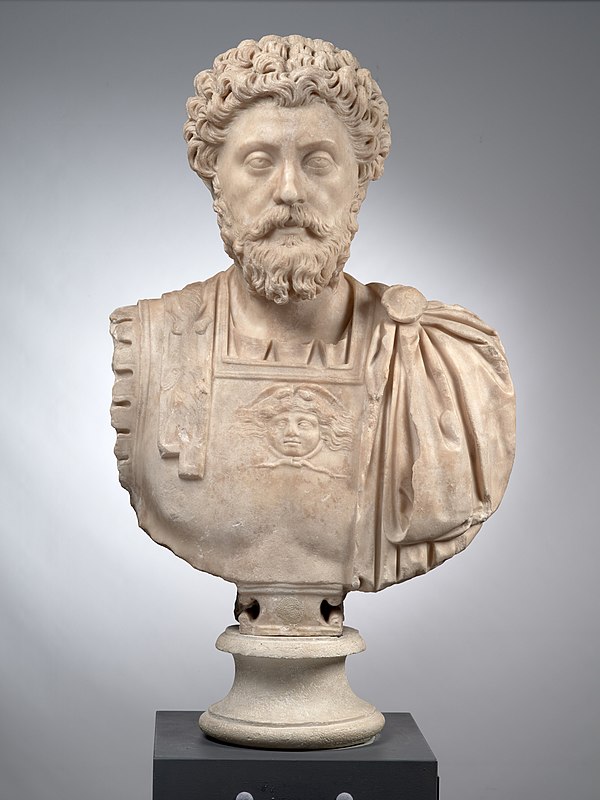
Marcus Aurelius

Marcus Aurelius

Artist

Roman Emperor and Stoic philosopher. His private Meditations remain one of the most influential works of practical philosophy.

View profile
Explore Topics
mindthoughtstransformationconsciousness
Frequently Asked Questions

Frequently Asked Questions

Marcus Aurelius uses dyeing as a metaphor for permanent transformation. Just as fabric immersed in dye permanently changes color, our consciousness becomes permanently shaped by our habitual thought patterns. The quality of our thoughts literally determines the quality of our character and inner life.

Start by developing awareness of your mental patterns through daily self-observation. Notice recurring thought themes and consciously choose to nurture positive, constructive thoughts while releasing negative ones. Practice morning intention-setting and evening reflection to gradually reshape your mental habits.

Stoicism teaches that while we cannot control external events, we have complete authority over our mental responses. This quote embodies the core Stoic principle that our character and happiness depend not on circumstances, but on the quality of thoughts we choose to cultivate consistently.

Related Quotes

View All
Finding Good News in Every Moment: Thich Nhat Hanh's Poem
Inspiration

Finding Good News in Every Moment: Thich Nhat Hanh's Poem

Voice Temple Kirtan in Pisac: A Farewell Night of Call and Response
Inspiration

Voice Temple Kirtan in Pisac: A Farewell Night of Call and Response

Warmheartedness as the Source of Inner Strength and Trust
Inspiration

Warmheartedness as the Source of Inner Strength and Trust

See allRelated Quotes→

Continue your journey

More wisdom and gatherings from across the BrightStar directory.

More Articles

Browse the full library of teachings, interviews, and guides.

Back to all articles →

Teachers & Artists

Explore the lineages, musicians, and guides of the conscious world.

Explore artists →

Find an Event

Kirtan, retreats, sound baths, breathwork, festivals — happening soon.

Browse events →