BrightStar
BlogMy Tickets
BlogMy Tickets
Saved events
Help & contactSign UpLog in
Events
  • Browse All Events
  • Yoga
  • Meditation
  • Breathwork
  • Qigong
  • Sacred Music
  • World Music
  • Medicine Music
  • Sound Healing
  • Ecstatic Dance
  • Ceremony
  • Plant Medicine
  • Energy Healing
  • Satsang & Wisdom
  • Tantra
  • Retreats
  • All Categories →
Destinations
  • Bali
  • Sedona
  • Los Angeles
  • Costa Rica
  • Tulum
  • Byron Bay
  • San Francisco
  • Austin
  • New York
  • San Diego
  • Denver
  • Seattle
  • Portland
  • Miami
  • London
  • Maui
  • Boulder
  • All Cities →
Platform
  • For organizers
  • Join the Movement
  • Sell Globally
  • For Creators
  • For Teams
  • For Writers
  • For Teachers
  • For Kirtan Artists
  • For Studios
  • For Festivals
  • For Retreat Centers
  • For Nonprofits
  • Brand Ambassador
  • Free Ticketing
  • Pro
  • Amplify
  • The Ecosystem
Features

Ticketing and checkout

  • Ticket categories
  • Assigned seating
  • Custom questions
  • Coupon codes
  • Smart pricing
  • Ticket sharing
  • Waitlist
  • Flexible refunds
  • Digital waivers
  • Tip jar
  • Donations and sliding scale
  • Embed widget
  • Mindful checkout
  • Recurring events
  • Private sessions
  • Online courses
  • Summits
  • Rooms and stays
  • Ticket scanner

Marketing and growth

  • Abandoned cart recovery
  • Visitor recovery
  • Upsells and add-ons
  • Affiliate engine
  • Upsell affiliate network
  • Brand ambassador
  • Meta retargeting
  • Verified buyer network
  • Outbound email marketing
  • Email sequences
  • SMS and WhatsApp
  • Event upsell network
  • Direct mail campaigns
  • SEO engine
  • Syndication
  • Event sharing
  • Custom event pages
  • Artist profiles
  • Link in bio
  • Event blog
  • Blog newsletter

Payments

  • Payments, powered by Stripe
  • Buy now, pay later
  • Apple Wallet
  • Multi currency

Data and operations

  • Team access
  • Message center
  • Reports
  • Analytics reporting
  • Performance reporting
  • Customer data
  • Integrations
  • Switch from another platform

AI

  • Assistant
  • AI FAQ assistant
  • All Features →
Company
  • About
  • FAQ
  • Contact
  • Blog
  • Glossary
  • Guides
  • Inspiration
  • Help Center
  • API Docs
  • Brand Assets
  • Press
  • Terms of Service
  • Privacy Policy

Events

  • Browse All Events
  • Yoga
  • Meditation
  • Breathwork
  • Qigong
  • Sacred Music
  • World Music
  • Medicine Music

Destinations

  • Bali
  • Sedona
  • Los Angeles
  • Costa Rica
  • Tulum
  • Byron Bay
  • San Francisco
  • Austin

Platform

  • For organizers
  • Join the Movement
  • Sell Globally
  • For Creators
  • For Teams
  • For Writers
  • For Teachers
  • For Kirtan Artists

Features

  • Community Network
  • Abandoned Cart Recovery
  • Ticket Categories
  • Recurring Events
  • Assigned Seating
  • Affiliate Engine
  • Waitlist / Notify
  • All Features →

Company

  • About
  • FAQ
  • Contact
  • Blog
  • Glossary
  • Guides
  • Terms of Service
  • Privacy Policy
Read more

Events

  • Sound Healing
  • Ecstatic Dance
  • Ceremony
  • Plant Medicine
  • Energy Healing
  • Satsang & Wisdom
  • Tantra
  • Retreats
  • All Categories →

Destinations

  • New York
  • San Diego
  • Denver
  • Seattle
  • Portland
  • Miami
  • London
  • Maui
  • Boulder
  • All Cities →

Platform

  • For Studios
  • For Festivals
  • For Retreat Centers
  • For Nonprofits
  • Brand Ambassador
  • Free Ticketing
  • Pro
  • Amplify
  • The Ecosystem

Company

  • Inspiration
  • Help Center
  • API Docs
  • Brand Assets
  • Press

Ticketing and checkout

  • Ticket categories
  • Assigned seating
  • Custom questions
  • Coupon codes
  • Smart pricing
  • Ticket sharing
  • Waitlist
  • Flexible refunds
  • Digital waivers
  • Tip jar
  • Donations and sliding scale
  • Embed widget
  • Mindful checkout
  • Recurring events
  • Private sessions
  • Online courses
  • Summits
  • Rooms and stays
  • Ticket scanner

Marketing and growth

  • Abandoned cart recovery
  • Visitor recovery
  • Upsells and add-ons
  • Affiliate engine
  • Upsell affiliate network
  • Brand ambassador
  • Meta retargeting
  • Verified buyer network
  • Outbound email marketing
  • Email sequences
  • SMS and WhatsApp
  • Event upsell network
  • Direct mail campaigns
  • SEO engine
  • Syndication
  • Event sharing
  • Custom event pages
  • Artist profiles
  • Link in bio
  • Event blog
  • Blog newsletter

Payments

  • Payments, powered by Stripe
  • Buy now, pay later
  • Apple Wallet
  • Multi currency

Data and operations

  • Team access
  • Message center
  • Reports
  • Analytics reporting
  • Performance reporting
  • Customer data
  • Integrations
  • Switch from another platform

AI

  • Assistant
  • AI FAQ assistant
Get the app
Download on theApp StoreGet it onGoogle Play
© 2026 BrightStar. All rights reserved. BrightStar Selection · Photo credits · Changelog ·
Teaching on love
“To love, the mind must be utterly still.”
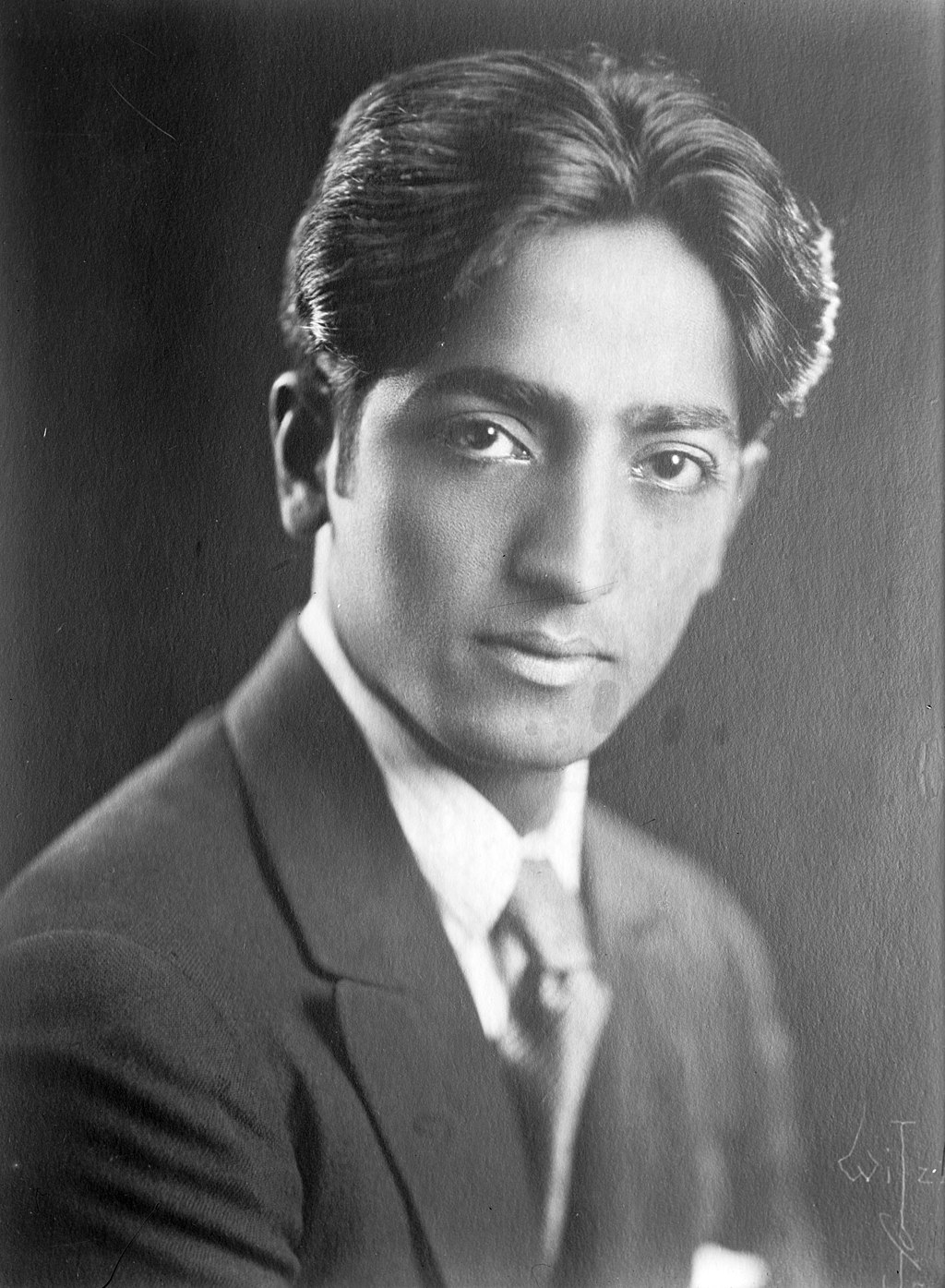
Jiddu Krishnamurti
Jiddu Krishnamurti
Read · 1 sections

The Stillness of Love: A Journey Within

Jiddu Krishnamurti's assertion that "to love, the mind must be utterly still" invites us to explore the profound relationship between love and mental stillness. In a world often characterized by chaos and distraction, this statement serves as a reminder of the depth of love that can only be accessed when the mind is quiet. The stakes are high: without this stillness, our capacity for genuine love may be compromised, reduced to mere emotional reactions or superficial connections. Understanding this relationship is essential for anyone seeking a deeper, more authentic experience of love.

Delving deeper, we recognize that Krishnamurti's insight is not merely about the absence of noise in our thoughts but rather about cultivating a state of awareness that transcends the incessant chatter of the mind. This stillness is not a passive state; it is an active engagement with the present moment, allowing us to experience love in its purest form. When the mind is still, we can perceive the world and others without the filters of judgment, expectation, or fear, enabling a connection that is both profound and transformative.

The image / the metaphor

At first glance, the imagery of a "still mind" evokes a serene landscape, perhaps a calm lake reflecting the sky. This metaphor suggests that just as the surface of the water must be undisturbed to reveal the depths below, so too must our minds be quiet to uncover the true essence of love. The verbs chosen—"to love" and "must be"—imply a necessity, a condition that must be met for love to flourish. This stillness is not merely a backdrop but an essential component of the experience of love itself.

Diving deeper into this metaphor, we can see that stillness is not a void; rather, it is a fertile ground from which love can spring forth. In the absence of mental turbulence, we can cultivate a space where empathy, compassion, and understanding thrive. This stillness allows us to listen deeply—not just to others but to ourselves, fostering a connection that is both intimate and expansive. In this way, love becomes an act of creation, emerging from the depths of our being rather than a reaction to external stimuli.

In the speaker's tradition

Krishnamurti's teachings are rooted in the non-dual tradition, which emphasizes the interconnectedness of all existence. Concepts such as dharma, or the natural order of the universe, and sunyata, the emptiness that allows for the fullness of experience, resonate deeply with his assertion about love and stillness. In this context, love is not merely an emotion but a state of being that arises when we recognize our unity with all life. The still mind is a gateway to this realization, allowing us to transcend the illusion of separateness that often clouds our understanding of love.

In his work, Krishnamurti often draws parallels between stillness and the state of prajna, or wisdom, which emerges when the mind is free from the clutter of thought. This wisdom is not intellectual but experiential, arising from a direct encounter with reality. In this light, the still mind becomes a vessel for love, enabling us to perceive the world with clarity and compassion. Such insights echo the teachings found in various spiritual texts, where the quieting of the mind is seen as essential for awakening to the deeper truths of existence.

Living the teaching

Consider a modern scenario where the teaching of a still mind can be applied: a heated discussion with a loved one. In the midst of conflict, our minds often race with thoughts of defensiveness, blame, or the desire to be right. If we can pause and cultivate stillness, we create space for genuine understanding and connection. This moment of quiet allows us to listen not just to the words being spoken but to the underlying emotions and needs, transforming a potential argument into an opportunity for deeper intimacy and healing.

Another application of this teaching can be found in daily practices such as meditation or mindful breathing. By dedicating time to quiet the mind, we can cultivate a sense of inner peace that permeates our interactions with others. In moments of stress or anxiety, returning to this stillness can help us respond with love rather than react with fear. Whether in a relationship, a challenging work environment, or even within ourselves, the practice of stillness becomes a powerful tool for fostering love and connection.

A reflection

As we contemplate Krishnamurti's profound statement, we might ask ourselves: "What does it mean for my mind to be utterly still, and how can this stillness deepen my capacity to love?" This question invites us to explore our own relationship with stillness and love, encouraging us to reflect on the barriers that may prevent us from experiencing love in its fullest form. In this inquiry, we may uncover insights that lead us toward a more authentic and compassionate existence.

Jiddu Krishnamurti

Jiddu Krishnamurti

Artist

Indian philosopher who rejected all organized religion and belief systems, teaching direct inquiry into the nature of the mind.

View profile
Explore Topics
lovestillnessmind
Frequently Asked Questions

Frequently Asked Questions

Krishnamurti suggests that true love can only emerge from a state of mental stillness, where the distractions and noise of thought do not interfere with our ability to connect deeply with others. This stillness allows us to perceive love not as a reaction but as a profound state of being.

You can apply this teaching by practicing mindfulness or meditation to cultivate a still mind. In moments of conflict or stress, take a pause to breathe and center yourself, allowing for a deeper connection with others and a more compassionate response.

Yes, the concept of stillness as essential for love and understanding is echoed in various non-dual traditions, including Buddhism and Advaita Vedanta, where the quieting of the mind is seen as a pathway to realizing the interconnectedness of all beings.

In this context, love is seen as a pure, unconditional state that arises from stillness, while attachment often stems from the mind's desires and fears. Love is expansive and liberating, whereas attachment can be limiting and possessive.

Meditation and mindfulness practices are key in supporting the cultivation of a still mind. Engaging in regular periods of silence and reflection can help you develop the inner peace necessary to experience love fully.

Related Quotes

View All
Jiddu Krishnamurti's Life and Spiritual Legacy
Inspiration

Jiddu Krishnamurti's Life and Spiritual Legacy

See allRelated Quotes→

Continue your journey

More wisdom and gatherings from across the BrightStar directory.

More Articles

Browse the full library of teachings, interviews, and guides.

Back to all articles →

Teachers & Artists

Explore the lineages, musicians, and guides of the conscious world.

Explore artists →

Find an Event

Kirtan, retreats, sound baths, breathwork, festivals — happening soon.

Browse events →