BrightStar
BlogMy Tickets
BlogMy Tickets
Saved events
Help & contactSign UpLog in
Events
  • Browse All Events
  • Yoga
  • Meditation
  • Breathwork
  • Qigong
  • Sacred Music
  • World Music
  • Medicine Music
  • Sound Healing
  • Ecstatic Dance
  • Ceremony
  • Plant Medicine
  • Energy Healing
  • Satsang & Wisdom
  • Tantra
  • Retreats
  • All Categories →
Destinations
  • Bali
  • Sedona
  • Los Angeles
  • Costa Rica
  • Tulum
  • Byron Bay
  • San Francisco
  • Austin
  • New York
  • San Diego
  • Denver
  • Seattle
  • Portland
  • Miami
  • London
  • Maui
  • Boulder
  • All Cities →
Platform
  • For organizers
  • Autopilot
  • Join the Movement
  • Sell Globally
  • For Creators
  • For Teams
  • For Writers
  • For Teachers
  • For Kirtan Artists
  • For Studios
  • For Festivals
  • For Retreat Centers
  • For Nonprofits
  • Brand Ambassador
  • Free Ticketing
  • Pro
  • Amplify
  • The Ecosystem
Features

Ticketing and checkout

  • Ticket categories
  • Assigned seating
  • Custom questions
  • Coupon codes
  • Smart pricing
  • Ticket sharing
  • Waitlist
  • Flexible refunds
  • Digital waivers
  • Tip jar
  • Donations and sliding scale
  • Embed widget
  • Mindful checkout
  • Recurring events
  • Private sessions
  • Online courses
  • Summits
  • Rooms and stays
  • Ticket scanner

Marketing and growth

  • Abandoned cart recovery
  • Visitor recovery
  • Upsells and add-ons
  • Affiliate engine
  • Upsell affiliate network
  • Brand ambassador
  • Meta retargeting
  • Verified buyer network
  • Outbound email marketing
  • Email sequences
  • SMS and WhatsApp
  • Event upsell network
  • Direct mail campaigns
  • SEO engine
  • Syndication
  • Event sharing
  • Custom event pages
  • Artist profiles
  • Link in bio
  • Event blog
  • Blog newsletter

Payments

  • Payments, powered by Stripe
  • Buy now, pay later
  • Apple Wallet
  • Multi currency

Data and operations

  • Team access
  • Message center
  • Reports
  • Analytics reporting
  • Performance reporting
  • Customer data
  • Integrations
  • Switch from another platform

AI

  • Assistant
  • AI FAQ assistant
  • All Features →
Company
  • About
  • FAQ
  • Contact
  • Blog
  • Glossary
  • Guides
  • Inspiration
  • Help Center
  • API Docs
  • Brand Assets
  • Press
  • Terms of Service
  • Privacy Policy

Events

  • Browse All Events
  • Yoga
  • Meditation
  • Breathwork
  • Qigong
  • Sacred Music
  • World Music
  • Medicine Music

Destinations

  • Bali
  • Sedona
  • Los Angeles
  • Costa Rica
  • Tulum
  • Byron Bay
  • San Francisco
  • Austin

Platform

  • For organizers
  • Autopilot
  • Join the Movement
  • Sell Globally
  • For Creators
  • For Teams
  • For Writers
  • For Teachers

Features

  • Community Network
  • Abandoned Cart Recovery
  • Ticket Categories
  • Recurring Events
  • Assigned Seating
  • Affiliate Engine
  • Waitlist / Notify
  • All Features →

Company

  • About
  • FAQ
  • Contact
  • Blog
  • Glossary
  • Guides
  • Terms of Service
  • Privacy Policy
Read more

Events

  • Sound Healing
  • Ecstatic Dance
  • Ceremony
  • Plant Medicine
  • Energy Healing
  • Satsang & Wisdom
  • Tantra
  • Retreats
  • All Categories →

Destinations

  • New York
  • San Diego
  • Denver
  • Seattle
  • Portland
  • Miami
  • London
  • Maui
  • Boulder
  • All Cities →

Platform

  • For Kirtan Artists
  • For Studios
  • For Festivals
  • For Retreat Centers
  • For Nonprofits
  • Brand Ambassador
  • Free Ticketing
  • Pro
  • Amplify
  • The Ecosystem

Company

  • Inspiration
  • Help Center
  • API Docs
  • Brand Assets
  • Press

Ticketing and checkout

  • Ticket categories
  • Assigned seating
  • Custom questions
  • Coupon codes
  • Smart pricing
  • Ticket sharing
  • Waitlist
  • Flexible refunds
  • Digital waivers
  • Tip jar
  • Donations and sliding scale
  • Embed widget
  • Mindful checkout
  • Recurring events
  • Private sessions
  • Online courses
  • Summits
  • Rooms and stays
  • Ticket scanner

Marketing and growth

  • Abandoned cart recovery
  • Visitor recovery
  • Upsells and add-ons
  • Affiliate engine
  • Upsell affiliate network
  • Brand ambassador
  • Meta retargeting
  • Verified buyer network
  • Outbound email marketing
  • Email sequences
  • SMS and WhatsApp
  • Event upsell network
  • Direct mail campaigns
  • SEO engine
  • Syndication
  • Event sharing
  • Custom event pages
  • Artist profiles
  • Link in bio
  • Event blog
  • Blog newsletter

Payments

  • Payments, powered by Stripe
  • Buy now, pay later
  • Apple Wallet
  • Multi currency

Data and operations

  • Team access
  • Message center
  • Reports
  • Analytics reporting
  • Performance reporting
  • Customer data
  • Integrations
  • Switch from another platform

AI

  • Assistant
  • AI FAQ assistant
Get the app
Download on theApp StoreGet it onGoogle Play
© 2026 BrightStar. All rights reserved. BrightStar Selection · Photo credits · Changelog ·
Teaching on suffering
“Whenever you suffer pain, keep in mind that it's nothing to be ashamed of and that it can't degrade your guiding intelligence.”
Marcus Aurelius
Marcus Aurelius
Read · 1 sections

The Wisdom of Suffering: Embracing Pain as a Path to Clarity

In the words of Marcus Aurelius, "Whenever you suffer pain, keep in mind that it's nothing to be ashamed of and that it can't degrade your guiding intelligence." This profound statement invites us to reconsider our relationship with suffering, urging us to see it not as a mark of weakness but as an integral part of our human experience. In a world that often equates pain with failure, Aurelius offers a counter-narrative that emphasizes resilience and the enduring strength of our inner wisdom.

To suffer is to be human, yet the stigma surrounding pain can lead us to hide our struggles, diminishing our capacity for growth and understanding. Aurelius reminds us that pain does not diminish our intellect or moral compass; rather, it can illuminate our path, guiding us toward deeper insights about ourselves and the world around us. By reframing suffering as a teacher rather than an adversary, we open ourselves to the transformative potential that lies within our most challenging experiences.

The image / the metaphor

At the heart of Aurelius's quote lies a rich tapestry of imagery and meaning. The notion of suffering evokes visceral sensations—sharp, heavy, and often isolating. Yet, the phrase "nothing to be ashamed of" serves as a balm, inviting us to release the burdens of guilt and self-judgment that often accompany our pain. The verbs chosen—“keep in mind” and “degrade”—suggest an active engagement with our experiences, urging us to maintain awareness and not allow suffering to diminish our inherent worth or guiding intelligence.

Diving deeper into the metaphor, we can see suffering as a crucible, a transformative space where our character is tested and refined. Just as gold is purified through fire, our guiding intelligence can emerge stronger and clearer through the trials we face. This perspective encourages us to embrace suffering as a necessary part of our journey, one that can lead to greater self-awareness and compassion for others who endure similar struggles.

In the speaker's tradition

Marcus Aurelius, a prominent Stoic philosopher, situates his thoughts on suffering within a broader framework of Stoic ethics, which emphasizes the importance of virtue, rationality, and acceptance of the natural order of life. Central to Stoicism is the concept of *apatheia*, or the ability to maintain equanimity in the face of life's challenges. This aligns closely with the Buddhist notion of *dukkha*, which acknowledges suffering as an inherent aspect of existence, urging us to cultivate wisdom and compassion in response.

In his *Meditations*, Aurelius often reflects on the transient nature of life and the inevitability of suffering. For instance, he writes about the importance of focusing on what is within our control and accepting what is not. This echoes the teachings found in the *Enchiridion* by Epictetus, who emphasizes that our perceptions and responses to events shape our experience more than the events themselves. Both philosophers invite us to cultivate a mindset that sees suffering not as a degradation but as an opportunity for growth and understanding.

Living the teaching

Consider a modern scenario where this teaching resonates deeply: a person grappling with the loss of a loved one. In the immediate aftermath, the pain can feel overwhelming, leading to feelings of isolation and despair. However, by embracing Aurelius's wisdom, this individual might begin to recognize that their grief is a natural response, one that does not diminish their intelligence or capacity for love. Instead, it can serve as a catalyst for deeper connections with others who have experienced similar losses, fostering empathy and understanding.

Another application of this teaching can be found in the context of interpersonal relationships. Imagine a conflict arising between friends, where misunderstandings lead to hurt feelings. By acknowledging the pain of the situation without shame, both parties can engage in open dialogue, allowing their guiding intelligence to navigate the complexities of their emotions. This willingness to confront suffering together can strengthen their bond, transforming a moment of discord into an opportunity for growth and deeper connection.

A reflection

As we contemplate Aurelius's insight, we might ask ourselves: How can I embrace my suffering as a pathway to greater understanding and compassion? This question invites us to reflect on our own experiences of pain and to consider how they have shaped our perspectives and relationships. By engaging with our suffering in this way, we can cultivate a deeper sense of resilience and wisdom, allowing our guiding intelligence to shine even in the darkest moments.

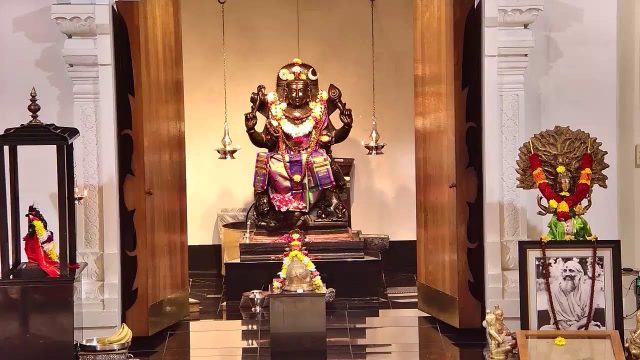
Marcus Aurelius

Marcus Aurelius

Artist

Roman Emperor and Stoic philosopher. His private Meditations remain one of the most influential works of practical philosophy.

View profile
Explore Topics
sufferingself
Frequently Asked Questions

Frequently Asked Questions

Marcus Aurelius refers to the inevitable experiences of pain and suffering that all humans encounter. He emphasizes that such experiences should not be sources of shame, but rather opportunities for growth and reflection.

You can apply this teaching by reframing your perspective on pain. Instead of viewing suffering as a weakness, recognize it as a natural part of life that can lead to personal growth and deeper connections with others.

Yes, the idea that suffering can lead to personal growth is prevalent in Stoic texts. For instance, Epictetus discusses the importance of focusing on what is within our control, suggesting that our responses to suffering shape our experiences.

Suffering refers to the emotional or physical pain we experience, while shame is the negative self-judgment that can accompany that pain. Aurelius encourages us to separate the two, recognizing that suffering does not diminish our worth.

Mindfulness and reflective journaling can support this teaching. By becoming aware of your thoughts and feelings around suffering, you can cultivate a more compassionate and understanding relationship with your pain.

Finding strength in suffering often involves embracing it as part of your journey. Reflect on how your experiences have shaped your character and allowed you to develop empathy for others, transforming pain into a source of wisdom.

Related Quotes

View All
Ikigai Explained: How to Find Purpose When Life Feels Noisy
Inspiration

Ikigai Explained: How to Find Purpose When Life Feels Noisy

Live Video Session: What This Stream Does and Doesn't Show
Inspiration

Live Video Session: What This Stream Does and Doesn't Show

Yin Yoga for Hips, Spine and Legs: Holding the Edge Gently
Inspiration

Yin Yoga for Hips, Spine and Legs: Holding the Edge Gently

See allRelated Quotes→

Continue your journey

More wisdom and gatherings from across the BrightStar directory.

More Articles

Browse the full library of teachings, interviews, and guides.

Back to all articles →

Teachers & Artists

Explore the lineages, musicians, and guides of the conscious world.

Explore artists →

Find an Event

Kirtan, retreats, sound baths, breathwork, festivals — happening soon.

Browse events →