Unity of Practice and Enlightenment: A Zen Perspective
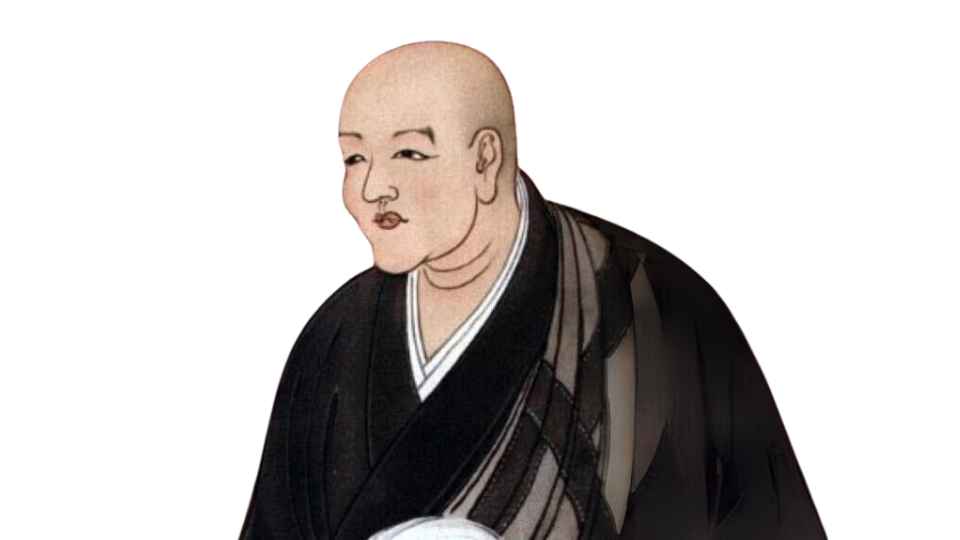
In the profound words of Dōgen, "Practice and enlightenment are not two," we encounter a radical assertion that challenges the dualistic thinking prevalent in many spiritual traditions. This statement invites us to reconsider the relationship between our actions and our understanding of enlightenment. By suggesting that practice and enlightenment are inseparable, Dōgen emphasizes that the journey of spiritual awakening is not a distant goal but an integral part of our everyday experience. This perspective is vital for those seeking a deeper connection to their spiritual path, as it encourages us to engage fully with our practice rather than viewing it as a means to an end.
Delving deeper into this teaching reveals the essence of non-duality, a core principle in Zen Buddhism. Dōgen's assertion invites us to dissolve the boundaries we often create between our mundane actions and our spiritual aspirations. In doing so, he encourages us to embrace the present moment as a space where practice and enlightenment coexist. This understanding not only enriches our spiritual journey but also transforms our perception of daily life, urging us to recognize the sacredness in every moment.
The image / the metaphor
At first glance, Dōgen's quote presents a simple yet profound image: the intertwining of practice and enlightenment. The verb "practice" evokes a sense of action, engagement, and effort, while "enlightenment" suggests a state of being, a realization of truth. Together, these concepts create a dynamic interplay, where one informs and enhances the other. The imagery here is not one of separation but rather of a continuous flow, where each moment of practice leads us closer to the realization of enlightenment, and each insight gained through enlightenment deepens our practice.
In the speaker's tradition
To fully appreciate Dōgen's insight, we must situate it within the broader context of Zen Buddhism. Central to this tradition is the concept of "dharma," which encompasses the teachings and practices that lead to enlightenment. Dōgen's assertion aligns with the Zen understanding of "sunyata," or emptiness, which teaches that distinctions we make—between practice and enlightenment, self and other—are ultimately illusory. By dissolving these dualities, we can experience the interconnectedness of all things, a realization that is at the heart of Zen practice.
Moreover, Dōgen's teachings resonate with the notion of "prajna," or wisdom, which arises from direct experience rather than intellectual understanding. In his seminal work, the "Shobogenzo," Dōgen emphasizes that true understanding comes from engaging deeply with our practice. This is not merely an intellectual exercise but a lived experience that transforms our perception of reality. In this light, the unity of practice and enlightenment becomes a guiding principle, encouraging practitioners to immerse themselves fully in their spiritual journey.
Living the teaching
Consider a modern scenario where Dōgen's teaching might resonate: a busy professional striving for balance in life. This individual may often feel overwhelmed by the demands of work and personal responsibilities, viewing meditation or mindfulness as a separate task to be completed. However, by embracing the idea that practice and enlightenment are not two, this person can begin to see moments of presence in their daily activities—whether during a meeting, a commute, or even while preparing a meal. Each of these moments becomes an opportunity for mindfulness, allowing them to cultivate a deeper sense of awareness and connection to their true self.
In another context, imagine a relationship facing challenges. One partner may feel frustrated, believing that the other is not "enlightened" enough to understand their feelings. By applying Dōgen's teaching, both partners can recognize that their interactions—filled with practice, communication, and vulnerability—are integral to their shared journey of awakening. Instead of viewing enlightenment as a distant goal, they can embrace the idea that every conversation, every moment of empathy, is a step towards deeper understanding and connection. This shift in perspective can transform their relationship, fostering a sense of unity and shared growth.
A reflection
As we contemplate Dōgen's profound assertion that "practice and enlightenment are not two," we are invited to explore the ways in which our daily lives can become a canvas for awakening. In what moments do we separate our actions from our spiritual aspirations? How might we begin to weave these threads together, recognizing the sacredness in our everyday experiences? This inquiry invites us to embrace the fullness of our practice, allowing each moment to guide us toward deeper understanding and connection.