BrightStar

Browse All Events

Discover conscious gatherings

events

Yoga
Meditation
Breathwork
Qigong
Tai Chi
Sacred Music
World Music
Medicine Music
Sound Healing
Ecstatic Dance
Popular Destinations
BaliSedonaLos AngelesCosta RicaNew YorkSan FranciscoAustinMiamiJoshua TreeTulum
View All CategoriesView All Destinations

Explore All Features

Powerful tools to grow your events

Platform Features

Smart Dynamic Pricing
Ticket Categories
Assigned Seating
Abandoned Cart Recovery
Visitor Recovery
Donations & Sliding Scale
Affiliate Engine
Ticket Scanner
Coupon Codes
Custom Questions
Ticket Sharing
Upsells & Add-ons
Analytics & Reporting
Email Sequences
Waitlist / Notify / Remind
People & Places
Artists & TeachersEvent OrganizersVenues & StudiosKnowledge BaseGlossaryInspiration
View All FeaturesAbout Us
PricingBlog
Language
Saved events
Browse All Events

events

YogaMeditationBreathworkQigongTai ChiSacred MusicWorld MusicMedicine Music

Popular Destinations

BaliSedonaLos AngelesCosta RicaNew YorkSan Francisco

People & Places

Artists & TeachersEvent OrganizersVenues & StudiosKnowledge BaseGlossaryInspiration

Platform Features

Smart Dynamic PricingTicket CategoriesAssigned SeatingAbandoned Cart RecoveryVisitor RecoveryDonations & Sliding ScaleAffiliate EngineTicket ScannerCoupon CodesCustom QuestionsTicket SharingUpsells & Add-onsAnalytics & ReportingEmail SequencesWaitlist / Notify / Remind
View All FeaturesAbout Us
PricingBlog
Log inFind EventsHost Events
  • Browse All Events
  • For Seekers
  • Yoga
  • Meditation
  • Breathwork
  • Qigong
  • Tai Chi
  • Sacred Music
  • World Music
  • Medicine Music
  • Sound Healing
  • Ecstatic Dance
  • Retreats
  • Workshops
  • All Categories →
  • Bali
  • Sedona
  • Los Angeles
  • Costa Rica
  • Tulum
  • Byron Bay
  • San Francisco
  • Austin
  • New York
  • San Diego
  • Denver
  • Seattle
  • Portland
  • Miami
  • All Cities →
  • Be Found
  • Sell Globally
  • For Creators
  • For Teams
  • For Writers
  • For Teachers
  • For Kirtan Artists
  • For Studios
  • For Festivals
  • For Retreat Centers
  • For Nonprofits
  • Brand Ambassador
  • Case Studies
  • Free Ticketing
  • Elevate
  • Amplify
  • 500K+ Buyer Network
  • Abandoned Cart Recovery
  • Smart Dynamic Pricing
  • Ticket Categories
  • Recurring Events
  • Assigned Seating
  • Affiliate Engine
  • Waitlist / Notify
  • Ticket Scanner
  • Embed Widget
  • Event Syndication
  • Message Center
  • Integrations
  • Reports
  • All Features →
  • About
  • The Ecosystem
  • Blog
  • Glossary
  • Inspiration
  • Help Center
  • Contact
  • API Docs
  • Brand Assets
  • Careers
  • Press
  • Terms of Service
  • Privacy Policy

Events

  • Browse All Events
  • For Seekers
  • Yoga
  • Meditation
  • Breathwork
  • Qigong
  • Tai Chi
  • Sacred Music
  • World Music
  • Medicine Music
  • Sound Healing
  • Ecstatic Dance
  • Retreats
  • Workshops
  • All Categories →

Destinations

  • Bali
  • Sedona
  • Los Angeles
  • Costa Rica
  • Tulum
  • Byron Bay
  • San Francisco
  • Austin
  • New York
  • San Diego
  • Denver
  • Seattle
  • Portland
  • Miami
  • All Cities →

For Creators

  • Be Found
  • Sell Globally
  • For Creators
  • For Teams
  • For Writers
  • For Teachers
  • For Kirtan Artists
  • For Studios
  • For Festivals
  • For Retreat Centers
  • For Nonprofits
  • Brand Ambassador
  • Case Studies
  • Free Ticketing
  • Elevate
  • Amplify

Features

  • 500K+ Buyer Network
  • Abandoned Cart Recovery
  • Smart Dynamic Pricing
  • Ticket Categories
  • Recurring Events
  • Assigned Seating
  • Affiliate Engine
  • Waitlist / Notify
  • Ticket Scanner
  • Embed Widget
  • Event Syndication
  • Message Center
  • Integrations
  • Reports
  • All Features →

Company

  • About
  • The Ecosystem
  • Blog
  • Glossary
  • Inspiration
  • Help Center
  • Contact
  • API Docs
  • Brand Assets
  • Careers
  • Press
  • Terms of Service
  • Privacy Policy
BrightStar
© 2026 BrightStar. All rights reserved.
Inspiration

Staying Centered DuringMeditation Practice

Be Here Now Network
Be Here Now Network
Oct 18, 2024
6 min read

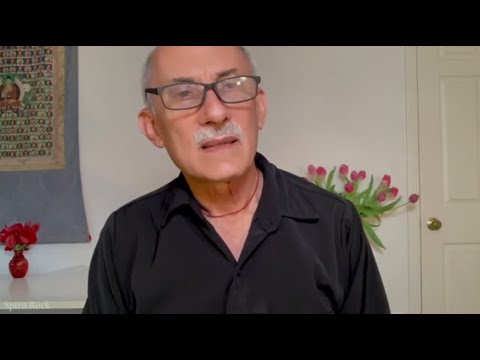
Jack Kornfield teaches that staying centered on the meditation cushion is fundamentally about creating a "sacred container" for practice—a stable, honest space where you observe whatever arises without judgment. Rather than fighting distraction or chasing particular experiences, the core practice is learning to sit with what is present, turning meditation into a mirror that reflects your inner landscape. This approach transforms the cushion from a tool for self-improvement into a genuine meeting place with reality as it unfolds.

Read · 7 sections

What Does It Mean to Stay Centered?

Kornfield frames the meditation cushion as a peculiar and powerful practice space. To stay centered is not to achieve perfect stillness or an elevated state; rather, it is to maintain an attitude of openness and honest inquiry toward whatever the mind and body present. When we sit, we commit to a contained, intentional relationship with experience. This containment itself—the decision to sit still and not act on impulses—becomes the foundation of all meditative stability.

Staying centered means returning again and again to the present moment, not as a goal to accomplish, but as an act of gentle redirection. The mind wanders; this is its nature. The practice is not to prevent wandering but to notice it and come back. Each return strengthens the capacity to rest in awareness itself, beneath the content of thought.

Creating a Sacred Container for Practice

A core element of Kornfield's teaching is the creation of what he calls a "sacred container"—a deliberate, protected space where meditation can happen. This is both external and internal. Externally, it may mean designating a quiet corner, a cushion, a particular time of day, or a simple altar that signals to the mind: this is different time, this is practice time. These signals matter because they train the nervous system and create a boundary between the busy world and the inner sanctuary of meditation.

Internally, the sacred container is an attitude. It is the commitment to be honest with yourself about what you experience without editing, performing, or judging it. In this container, you give yourself permission to feel whatever arises—doubt, restlessness, grief, joy, boredom—without needing to fix it or make it go away. This permission is itself stabilizing, because so much mental energy is spent in the habitual effort to control experience.

Sitting as a Mirror: What Does Meditation Reflect?

Kornfield's memorable phrase—"In a way, sitting is nothing more than looking in the mirror"—captures a fundamental truth about meditation practice. You sit, and whatever arises is you. The monkey mind jumping from thought to thought is you. The sense of peace that sometimes emerges is also you. The frustration with your inability to concentrate is not a failure; it is honest data about the human condition.

This mirror function serves several purposes. First, it reveals patterns you cannot see while caught in daily life. You notice your habitual worries, the stories you tell about yourself, the ways you resist certain emotions. Second, it teaches humility. The mind reveals itself as far less controllable than we assume. Third, and most importantly, it creates distance between the observer and the observed. By watching your own mind—its restlessness, its preferences, its fears—you begin to realize that you are not identical with its contents. This recognition is the beginning of freedom.

Meeting What Arises Without Judgment

A practical challenge in meditation is learning not to resist difficult states. When boredom, anxiety, or physical pain arises, the instinct is to push it away or distract from it. Kornfield's teaching suggests a different approach: meet it with curiosity. What is the texture of this restlessness? Where do you feel it in the body? What thought accompanies it? This open-eyed inquiry transforms a resistance into a learning.

Judgment—the subtle evaluation that some experiences are "good" meditation and others are "bad"—is one of the biggest obstacles to stability. A meditation session filled with mind-chatter is not worse than one of calm. Both are practice. The moment you sit and commit to returning your attention again and again is the moment practice is happening. The quality of your experience is irrelevant to the validity of your effort.

The Relationship Between Stillness and Attention

Physical stillness on the cushion supports mental attention, but they are not the same thing. You can be physically still and mentally scattered; you can be calm and alert. What Kornfield emphasizes is the interplay between the two. By holding the body relatively still, you reduce one source of distraction and create the conditions for deeper attention. But stillness is not the goal—awareness is.

As practice deepens, people sometimes report that the distinction between inner stillness and activity becomes less stark. There is a quality of awareness that can be present whether the mind is busy or quiet. This is not a permanent achievement but a taste, a glimpse of what is possible when you relax the effort to control.

Why Does a Sacred Container Matter for Everyday Life?

The container created on the cushion is not separate from the rest of life. As you practice sitting with whatever arises in meditation, you gradually internalize that same capacity for everyday situations. When difficulty comes—a conflict, a loss, a disappointment—you have trained your nervous system to pause, observe, and respond rather than react automatically. The meditation cushion becomes a laboratory where you develop skills that make you more resilient and awake in the world.

Kornfield's emphasis on the sacred container also suggests that consistency matters. A daily practice, even a brief one, shapes the mind more powerfully than occasional intense effort. The regularity signals commitment and creates momentum. Over weeks and months, the practice begins to rewire your relationship to experience itself.

Where to Go from Here

If you are beginning meditation practice, establish a simple, consistent routine: a specific time and place. Sit for as little as five or ten minutes if that feels manageable; length is less important than regularity. Commit to returning your attention to the breath or a simple anchor each time it wanders. Notice what arises without judgment.

If you have practiced for a while, use Kornfield's framework to deepen your inquiry. Ask yourself: Am I creating a genuine container, or am I going through motions? What judgments am I placing on my experience? What can I learn from the resistance and restlessness that arise? The meditation cushion remains a mirror throughout the path, reflecting different depths at different stages.

Comments

Loading the conversation…

Be Here Now Network
ArtistBe Here Now Network

Be Here Now Network is the creator of Heart Wisdom with Jack Kornfield, a podcast exploring consciousness, spirituality, and personal transformation. With 313 episodes, they have c…

View profileWebsite
Explore Topics
Meditation-practiceMindfulness-attentionBuddhist-psychologyContemplative-practiceSelf-awareness

Got Questions?

Frequently Asked Questions

Kornfield teaches that mind-wandering is not a failure—it is the nature of mind. The practice is noticing when attention has drifted and gently returning to your anchor (like the breath) without frustration. Each return strengthens your capacity for sustained awareness, so repeated redirection is the actual practice, not a sign that you are doing it wrong.
A sacred container is a dedicated physical and mental space for practice—a quiet corner, a cushion, a regular time of day, and an attitude of honest self-inquiry. By marking meditation as distinct from daily life and committing to meet whatever arises without judgment, you train your nervous system to settle and deepen. The container is both external (time and place) and internal (permission to be present with whatever emerges).
Rather than pushing these states away, Kornfield suggests meeting them with curiosity. Notice where you feel restlessness in your body, what thoughts accompany it, and observe its texture. This open-eyed approach transforms resistance into learning and deepens your capacity to remain present with difficulty—a skill that carries into everyday life.
No. Meditation is about honest observation of whatever the mind produces, whether that is chatter, calm, boredom, or joy. The goal is not to control your experience but to develop awareness of it. A session full of mind-activity is valid practice if you remain present and keep returning your attention to your anchor.
By practicing the capacity to sit with discomfort, restlessness, and unwanted emotions on the cushion, you gradually internalize that same skill in everyday situations. When conflict, loss, or disappointment arises, you have trained your nervous system to pause, observe, and respond consciously rather than react automatically, creating more resilience and awareness in real time.
Kornfield emphasizes consistency over length. Even five or ten minutes of daily practice shapes the mind more powerfully than occasional longer sessions. Regular commitment signals to your nervous system that this is genuine practice time, and over weeks and months, the consistency rewires your relationship to experience itself.
When you sit, whatever arises—restlessness, worry, peace, distraction—is a reflection of your mind and conditioning. This mirror reveals patterns you cannot see in busy daily life, teaches humility about how the mind actually works, and creates distance between the observer and observed, which is the beginning of freedom from reactivity.

Continue Reading

More from Be

View All
Be Here Now: The Stranger Who Changed Everything
Inspire

Be Here Now: The Stranger Who Changed Everything

A barefoot mystic appeared at a Kathmandu restaurant in 1969 and transmitted a teaching that reshaped American spirituality. This is the ori…

1 min read
Finding the Guru: One Westerner's Journey to India
Inspire

Finding the Guru: One Westerner's Journey to India

Ram Dass recounts his 1967 pilgrimage to India seeking spiritual answers after LSD's limits became clear—a quest that led to meeting Neem Ka…

1 min read
Guided Meditation on Loving Awareness and Mindful Stillness
Inspire

Guided Meditation on Loving Awareness and Mindful Stillness

A 25-minute guided meditation teaching mindfulness of breath, body sensations, emotions, and thoughts through loving awareness and spacious …

1 min read
The Three Basic Truths: Impermanence, Suffering, and No-Self
Inspire

The Three Basic Truths: Impermanence, Suffering, and No-Self

Explore Buddhism's foundational teachings on impermanence, suffering, and no-self as gateways to liberation and freedom from identification.…

1 min read

Keep exploring

Continue your journey

More wisdom and gatherings from across the BrightStar directory.

More Articles

Browse the full library of teachings, interviews, and guides.

Back to all articles →

Teachers & Artists

Explore the lineages, musicians, and guides of the conscious world.

Explore artists →

Find an Event

Kirtan, retreats, sound baths, breathwork, festivals — happening soon.

Browse events →