BrightStar

Browse All Events

Discover conscious gatherings

events

Yoga
Meditation
Breathwork
Qigong
Tai Chi
Sacred Music
World Music
Medicine Music
Sound Healing
Ecstatic Dance
Popular Destinations
BaliSedonaLos AngelesCosta RicaNew YorkSan FranciscoAustinMiamiJoshua TreeTulum
View All CategoriesView All Destinations

Explore All Features

Powerful tools to grow your events

Platform Features

Smart Dynamic Pricing
Ticket Categories
Assigned Seating
Abandoned Cart Recovery
Visitor Recovery
Donations & Sliding Scale
Affiliate Engine
Ticket Scanner
Coupon Codes
Custom Questions
Ticket Sharing
Upsells & Add-ons
Analytics & Reporting
Email Sequences
Waitlist / Notify / Remind
People & Places
Artists & TeachersEvent OrganizersVenues & StudiosKnowledge BaseGlossaryInspiration
View All FeaturesAbout Us
PricingBlog
Language
Saved events
Browse All Events

events

YogaMeditationBreathworkQigongTai ChiSacred MusicWorld MusicMedicine Music

Popular Destinations

BaliSedonaLos AngelesCosta RicaNew YorkSan Francisco

People & Places

Artists & TeachersEvent OrganizersVenues & StudiosKnowledge BaseGlossaryInspiration

Platform Features

Smart Dynamic PricingTicket CategoriesAssigned SeatingAbandoned Cart RecoveryVisitor RecoveryDonations & Sliding ScaleAffiliate EngineTicket ScannerCoupon CodesCustom QuestionsTicket SharingUpsells & Add-onsAnalytics & ReportingEmail SequencesWaitlist / Notify / Remind
View All FeaturesAbout Us
PricingBlog
Log inFind EventsHost Events
  • Browse All Events
  • For Seekers
  • Yoga
  • Meditation
  • Breathwork
  • Qigong
  • Tai Chi
  • Sacred Music
  • World Music
  • Medicine Music
  • Sound Healing
  • Ecstatic Dance
  • Retreats
  • Workshops
  • All Categories →
  • Bali
  • Sedona
  • Los Angeles
  • Costa Rica
  • Tulum
  • Byron Bay
  • San Francisco
  • Austin
  • New York
  • San Diego
  • Denver
  • Seattle
  • Portland
  • Miami
  • All Cities →
  • Join the Movement
  • Why we list
  • Sell Globally
  • For Creators
  • For Teams
  • For Writers
  • For Teachers
  • For Kirtan Artists
  • For Studios
  • For Festivals
  • For Retreat Centers
  • For Nonprofits
  • Brand Ambassador
  • Free Ticketing
  • Elevate
  • Amplify
  • 500K+ Buyer Network
  • Abandoned Cart Recovery
  • Smart Dynamic Pricing
  • Ticket Categories
  • Recurring Events
  • Assigned Seating
  • Affiliate Engine
  • Waitlist / Notify
  • Ticket Scanner
  • Embed Widget
  • Event Syndication
  • Message Center
  • Integrations
  • Reports
  • All Features →
  • About
  • The Ecosystem
  • Blog
  • Glossary
  • Inspiration
  • Help Center
  • Contact
  • API Docs
  • Brand Assets
  • Careers
  • Press
  • Terms of Service
  • Privacy Policy

Events

  • Browse All Events
  • For Seekers
  • Yoga
  • Meditation
  • Breathwork
  • Qigong
  • Tai Chi
  • Sacred Music
  • World Music
  • Medicine Music
  • Sound Healing
  • Ecstatic Dance
  • Retreats
  • Workshops
  • All Categories →

Destinations

  • Bali
  • Sedona
  • Los Angeles
  • Costa Rica
  • Tulum
  • Byron Bay
  • San Francisco
  • Austin
  • New York
  • San Diego
  • Denver
  • Seattle
  • Portland
  • Miami
  • All Cities →

For Creators

  • Join the Movement
  • Why we list
  • Sell Globally
  • For Creators
  • For Teams
  • For Writers
  • For Teachers
  • For Kirtan Artists
  • For Studios
  • For Festivals
  • For Retreat Centers
  • For Nonprofits
  • Brand Ambassador
  • Free Ticketing
  • Elevate
  • Amplify

Features

  • 500K+ Buyer Network
  • Abandoned Cart Recovery
  • Smart Dynamic Pricing
  • Ticket Categories
  • Recurring Events
  • Assigned Seating
  • Affiliate Engine
  • Waitlist / Notify
  • Ticket Scanner
  • Embed Widget
  • Event Syndication
  • Message Center
  • Integrations
  • Reports
  • All Features →

Company

  • About
  • The Ecosystem
  • Blog
  • Glossary
  • Inspiration
  • Help Center
  • Contact
  • API Docs
  • Brand Assets
  • Careers
  • Press
  • Terms of Service
  • Privacy Policy
BrightStar
Get the app
Download on theApp StoreGet it onGoogle Play
© 2026 BrightStar. All rights reserved.
Inspiration

Outgrowing Your Friends Without Leaving Them Behind

Light Watkins
Light Watkins
Oct 12, 2026
9 min read
Watch · 8

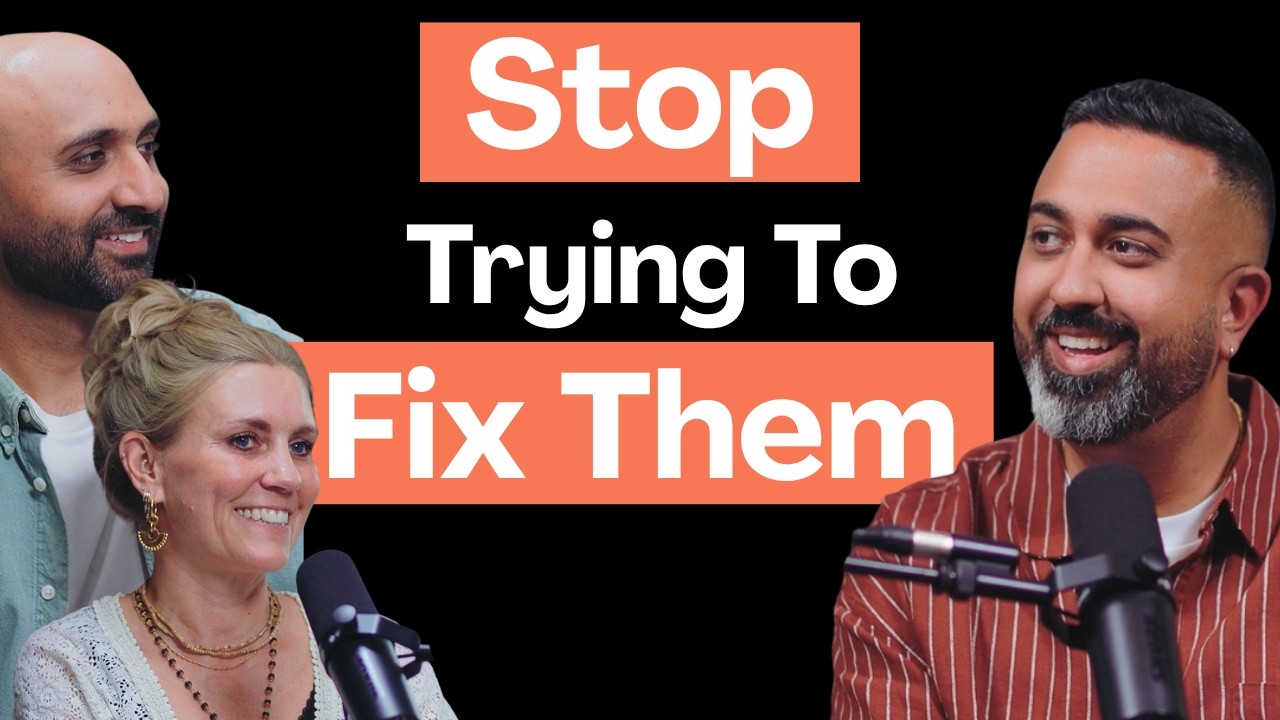
There is a particular silence that falls over a dinner table when the conversation you used to love no longer lands. The jokes that once bound a group together now sound a little hollow, and the friend across from you is still reaching for the same bottle, the same validation, the same old stories about who did what to whom. In a ten-minute video titled "The Truth About Outgrowing Your Friends," the teacher Light Watkins takes up that uncomfortable silence and argues that the usual response, quietly graduating from the relationships you have outgrown, is a dead end. His alternative is harder and more interesting: treat each strained friendship as a stress test of your own inner work, learn to see the best in people without pretending, protect your authenticity from the inside, and use time and distance as honest instruments rather than verdicts on the other person.

Read · 8 sections

Why does outgrowing everyone leave you alone in a room?

Watkins starts with a blunt premise. If you have been intentional about your inner life, you are going to outgrow nearly everyone around you, at least in terms of inner fulfillment, the ability to read a room, and the habit of being guided by intuition and the heart. That is not a boast; it is presented as a predictable consequence of doing the work. The trouble comes when the logic is followed to its end. If every relationship you have outgrown gets released, you will eventually be alone.

"If you have been intentional about doing your inner work, you're going to outgrow everybody." (Light Watkins, YouTube video, 0:21)

Watkins is explicit that this math doesn't work. "No matter how we work that math," he says, the answer is that at some point you will be in a room by yourself. That reframing matters because it moves the problem out of the category of logistics, who to keep and who to drop, and into the category of character. The question isn't really about the friend list. It is about what kind of person you become when you stay in the room.

What is the better question to ask about changing friendships?

The pivot in the video comes when Watkins replaces the exit question with a different one. Instead of asking what to do about friendships you have outgrown, he asks how to stay authentic while engaging with everyone in your life, and at the same time allow them to be themselves.

"The better question is, how do I stay authentic while engaging with all of the other people in my life and at the same time allow them to be themselves?" (Light Watkins, YouTube video, 1:19)

The two halves of that sentence carry the whole teaching. The first half protects you: you do not have to start meditating because your friend does not, and you do not have to keep up with every new practice you pick up. The second half protects them: you do not need to convert anyone, and you do not sacrifice your own integrity just to keep the peace. Watkins says plainly that this question has no one-size-fits-all answer. What makes it workable is his observation that the people who seem disconnected from you are, in a sense, doing you a favor. They are "helping you to stress test the work" you believe you have been doing.

That is a useful shift in perspective. A friendship that has grown strained is not only a loss. It is a live laboratory, and the results will show whether your practice holds up when someone you love is living in ways you find unsustainable.

Why is seeing the best in others the real work?

Watkins draws a sharp line between meditation and what he calls the real work. Sitting practice, gratitude exercises and inner reflection are the beginner level, the preparation. The harder task is seeing the best in other people, and he argues it is harder than sitting still on a cushion. It is also, in his account, what the world most needs.

"Seeing the best in other people is the real work. The meditation stuff prepares us for the real work because that's what the world ultimately needs more of." (Light Watkins, YouTube video, 3:49)

He makes the point concrete by looking at conflict. Most conflicts, he suggests, persist because one side does not see the best in the other, or because both sides fail to. Someone has to go first. The same logic applies at the scale of a friendship. Watkins describes the human need that often shows up in a crisis as something simpler than spiritual sophistication: listening without offering unsolicited advice, or affirming someone's marginal progress, even when that progress "maybe it's not that impressive, but it's marginal." The spiritually advanced person, he implies, is sometimes the least useful one in the room if all they bring is their knowledge of the laws of nature. Real presence means showing up as a first responder to ordinary human need.

Watkins is careful about one trap. Seeing the best in someone does not mean pretending to agree with them or performing a warmth you do not feel. Pretense is inauthentic, and it defeats the purpose. The aim is to remain yourself while choosing where your attention goes.

How do you protect your authenticity without pushing people away?

The second major thread is boundaries, and Watkins frames them in a way that avoids both cutting people off and quietly disappearing into their expectations. You can do the work of appreciation from whatever proximity you need. Distance is permitted. What is not permitted is handing your authenticity over to someone else to guard.

"You don't lend your authenticity to someone else's protection, right? That's your job." (Light Watkins, YouTube video, 5:55)

Watkins also reads the discomfort of inauthenticity as information. If you find yourself not being yourself around a particular person, he suggests, it is not their fault; they are "facilitating the awareness test." The signal is that you are standing too close to the fire. The response is to step back far enough to be yourself again, then experiment with moving closer, and see how far you can go before the old pattern returns.

He also notes that proximity is not always about physical distance. Sometimes it is about time. Watkins describes noticing that, after a certain stretch of time with a particular person, he shifts from appreciative to judgmental, and that his own window runs to about an hour. He wants to widen that window, but says he cannot force it. He keeps experimenting, and during the hour he has, he tries to be as grateful and as helpful as he can. The image he uses is riding the bull of appreciation for as long as possible before getting tossed.

Is the problem the friend or your own judgment?

This is where the video turns the mirror around. When you catch yourself slipping into judgment, getting triggered, or becoming reactive, Watkins says the issue is almost never the other person's character. "It's not about them. It's about you." He recommends treating those moments as a playful spiritual game: what can I learn about myself from this experiment, and where else am I seeing the same pattern?

Watkins admits that spiritually minded people are especially prone to a particular kind of judgment, the sense that those who have not done the work, rely heavily on weed or other substances, or chase validation through relationships are beneath them. That feeling, he says, can make us feel better than others because we know the "laws of nature," and it quietly reinforces the very dynamics we say we want to transcend. The alternative he describes is to reinforce less of what we dislike in someone and to focus instead on what we can see and appreciate in them.

What does the Benjamin Franklin effect have to do with friendship?

Near the end, Watkins turns to a familiar example from history. He describes Benjamin Franklin's approach to a person he had a contentious relationship with: rather than trying to win the person over with argument or favors, Franklin asked for something, a small request that changed how the other man related to him. Watkins uses the story to name what he calls the Benjamin Franklin effect, and he offers it as a way to think about turning a strained relationship around by inviting the other person into a small act of generosity.

"It's called the Benjamin Franklin effect." (Light Watkins, YouTube video, 7:55)

For a practitioner, the lesson is not a technique so much as a posture. You do not need to win a difficult friendship. You can make room for the other person to become more themselves in your presence, and you can notice what that opens in you.

Why is everyone doing their best, even when it looks like they are not?

The video closes on its most generous note. Watkins argues that the same logic applies to each of us. Nobody wakes up intending to be the difficult friend, the exhausted parent, or the person who keeps repeating the same mistakes. People are working with the level of awareness they currently have, and most of them are simply trying to get through the day. Seeing that clearly does not excuse harmful behavior, but it changes the emotional stance from which you respond. It makes room for appreciation, even when the friendship has grown smaller than it once was.

That is the truth the title promises. Outgrowing friends is real, and it is not the end of the story. The work is to stay in the room, keep your own center, and look for the best in people who are still doing their best.

Where to go from here

Watkins's video is short, but it asks for a practice that unfolds over years. If you want to take it further, start with one friendship that feels strained. Ask yourself the better question: how do I stay authentic while letting this person be themselves? Notice where judgment shows up and whether it changes after a particular amount of time together. Practice naming one thing you genuinely appreciate in them, and offer one piece of help that asks nothing in return. Then watch what your own reactions teach you. Light Watkins's own newsletter and the rest of his teaching, linked from his channel description, are a natural next stop for anyone who wants to keep exploring these ideas.

Comments

Loading the conversation…

Transcript

[0:00] what to do about friendships that I feel

[0:03] like I have outgrown.

[0:06] We may find ourselves questioning the

[0:08] relevancy of all kinds of interpersonal

[0:12] dynamics that we have had for a long

[0:14] time. Because the reality is that if you

[0:18] have been intentional about doing your

[0:19] inner work, you're going to outgrow

[0:21] everybody. In terms of your inner

[0:23] fulfillment, your ability to read a room

[0:26] and to allow yourself to be guided by

[0:28] your intuition in your heart, you are

[0:31] going to become leaps and bounds ahead

[0:34] of most other people that you know and

[0:37] love and interact with on a regular

[0:39] basis. And so that's the direction

[0:42] things are going in. and we have an

[0:44] inclination to graduate ourselves from

[0:47] relationships that we've outgrown, then

[0:50] we're going to end up in a room by

[0:51] ourselves at some point, which is

[0:54] obviously not what any of us wants. So

[0:57] then the question is not what do I do

[0:59] about friendships that I feel like I've

[1:00] outgrown cuz that's just leads us to a

[1:02] room by yourself. No matter how we work

[1:04] that math, the answer is at some point

[1:06] you're going to be in a room by yourself

[1:07] cuz you've outgrown everybody. The

[1:09] better question is, how do I stay

[1:13] authentic while engaging with all of the

[1:16] other people in my life and at the same

[1:19] time allow them to be themselves? So, in

[1:21] other words, they don't need to start

[1:23] meditating. They don't need to keep up

[1:25] with whatever I'm doing. And at the same

[1:27] time, I don't want to sacrifice who I am

[1:30] in order to keep the peace, so to speak.

[1:33] So now now we have a question that does

[1:36] not necessarily have a onesizefits-all

[1:39] answer. In fact, the answer is in the

[1:41] question itself in the sense that

[1:44] because you're doing your work and you

[1:46] have done some work, these people who

[1:48] are in your life who you feel like

[1:49] you're not really as connected with as

[1:51] maybe you were 10 years ago or 5 years

[1:53] ago or whatever, these people are

[1:55] actually there helping you to stress

[1:58] test the work that you have supposedly

[2:00] been doing. And the opportunity there is

[2:03] to lean into the paradox. The

[2:05] opportunity is to find ways to love

[2:09] someone who you can clearly see is

[2:12] living in unsustainable ways. How can I

[2:15] love them? How can I support them? How

[2:18] can I put myself indirectly in a

[2:21] leadership position to model behaviors

[2:23] without needing them to verify and

[2:25] validate that that's what I'm doing? How

[2:27] can I feel a sense of connection with

[2:30] them? How can I see and appreciate what

[2:34] they are? Do they do well in life? And

[2:36] so I find that a lot of spiritual people

[2:39] specifically tend to drop into a sense

[2:43] of judgment around people who haven't

[2:45] been doing work or people who rely too

[2:47] heavily on their weed or seeking

[2:49] validation through relationships or

[2:51] whatever the thing is. And it has a

[2:53] tendency to make us feel like we are

[2:55] better than them because we have been

[2:57] doing the work and we understand the

[2:58] laws of nature and all this kind of

[3:00] stuff, right? But then we find ourselves

[3:02] in a position where someone has to rise

[3:05] to the occasion and handle something.

[3:07] And with all of the stuff that we know

[3:09] about the inner world, it doesn't always

[3:12] necessarily translate to becoming a real

[3:14] world first responder in terms of just

[3:17] humanto human need, which could be the

[3:20] need of the time could be just listening

[3:22] to someone without trying to offer

[3:24] unsolicited advice. The need of the time

[3:26] could be affirming someone's marginal

[3:29] progress. Maybe it's not that

[3:31] impressive, but it's marginal. And so

[3:33] the work eventually needs to move away

[3:36] from, okay, I'm meditating and all that

[3:38] stuff. I'm doing my gratitude exercises.

[3:40] It needs to move from that. That's your

[3:41] beginner level. I'm doing the work,

[3:43] right? Move from there to I'm seeing the

[3:45] best in others, which is harder than

[3:47] sitting down and meditating. Seeing the

[3:49] best in other people is the real work.

[3:51] The meditation stuff prepares us for the

[3:54] real work because that's what the world

[3:55] ultimately needs more of. It needs more

[3:57] people out there who are seeing the best

[3:59] in others. Right? If you look at any

[4:00] problem that we have in the world, any

[4:02] conflicts, it's because one side doesn't

[4:04] see the best in the other side. Maybe

[4:06] both sides don't see the best in one

[4:08] another. So, somebody has to go first,

[4:10] right? And this doesn't again, it

[4:11] doesn't mean you have to pretend. You

[4:13] don't want to have to pretend to do this

[4:15] stuff cuz that doesn't feel authentic.

[4:17] So, you want to be yourself. You want to

[4:19] continue being yourself. And that's what

[4:20] the inner work does is it reveals our

[4:23] true nature. the aspect of us that does

[4:25] not rely on caffeine, alcohol, weed,

[4:28] external validation, the material

[4:31] definition of success. It doesn't rely

[4:33] on all of that for us to feel like us.

[4:36] We want to be able to feel like

[4:37] ourselves, even if we find ourselves in

[4:40] a situation where we've been stripped of

[4:42] all of that or most of that or just some

[4:44] of that. We don't want to get knocked

[4:45] off our center for years or months

[4:48] because we had an unexpected change or

[4:51] demand placed on us that prohibited us

[4:53] from, you know, being able to look

[4:55] successful for a period of time. We want

[4:58] to still be able to show up as

[4:59] authentically with the money or with the

[5:02] fame or with the glory or with the

[5:04] accolades as we are without it. And if

[5:06] we can do this, and this is again, this

[5:08] is a life's work. As we learn how to do

[5:10] this and we're engaging with people,

[5:13] which is inevitable on this planet,

[5:15] unless you're a monk somewhere and

[5:16] you're feeling drawn to go to some cave,

[5:18] and that's fine, too, if that's what

[5:20] you're feeling called to do for whatever

[5:22] period of time. But eventually, you're

[5:24] going to have to cross paths with

[5:25] somebody. And so we can either reinforce

[5:28] the things that we don't like about

[5:30] someone who we may think we've outgrown

[5:32] by focusing on their negative aspects or

[5:35] we can create a new dynamic with that

[5:38] person by focusing on what we can see

[5:42] and appreciate within them. Now this

[5:44] doesn't mean you have to be up

[5:45] underneath somebody to do this. You

[5:47] don't. Right? You can do this from

[5:49] whatever proximity you feel you need to

[5:51] protect your authenticity cuz that's

[5:53] your job. You don't lend your

[5:55] authenticity to someone else's

[5:57] protection, right? That's your job. And

[5:59] if you find yourself not being

[6:00] authentic, it's not because of them.

[6:02] They're just facilitating the awareness

[6:05] test for you to see, okay, I'm a little

[6:08] bit too close to the fire here. And I

[6:10] know I'm too close because I'm not able

[6:12] to be myself fully. So maybe I need to

[6:14] kind of move away a little bit more and

[6:16] then come back to being myself and then

[6:18] maybe experiment with inching my way

[6:20] back to see how far I can go. And it may

[6:23] not be a distance proximity thing. It

[6:26] may be a time proximity. After a certain

[6:28] amount of time engaging with this

[6:30] person, I start to feel like I'm

[6:32] becoming judgy. Again, it's not about

[6:34] them. It's about you. I'm becoming judgy

[6:36] and I really want to be appreciative. I

[6:38] really want to be grateful. And I find

[6:39] that if I exceed an hour with this

[6:41] person, then I'm shift from grateful and

[6:44] appreciative to judgy. So that's kind of

[6:46] my window of time. And I want to expand

[6:49] that window, but I'm not going to be

[6:50] able to force it. I'm going to have to

[6:52] continue experimenting and seeing maybe

[6:55] in certain scenarios I can expand the

[6:57] window or maybe not. I don't know. But

[6:59] while I'm in that window for that one

[7:01] hour, I'm going to try to be as

[7:03] appreciative and as grateful as I can be

[7:05] and as helpful as I can be. So again, no

[7:07] oneizefits-all answer, but we want to

[7:10] just try to ride the bull of

[7:12] appreciation as long as we can before we

[7:15] get tossed off. And just look at it kind

[7:17] of like a little fun spiritual game.

[7:19] When you find yourself slipping into

[7:20] judgment, when you find yourself getting

[7:22] triggered, becoming reactive, it's not

[7:24] about them. It's not about what kind of

[7:26] person they are. It's about you. So the

[7:28] question is, what can I learn about

[7:29] myself from this experiment? and how can

[7:32] I apply that to other dynamics where

[7:34] similar things are are happening? And

[7:36] within those kinds of questions are all

[7:38] sorts of possibilities which makes every

[7:41] moment and every day super exciting

[7:44] because in the back of your mind you're

[7:46] always kind of wondering, hm, how do I

[7:48] turn this situation around? You know,

[7:50] I've got all these dynamics that I'm

[7:53] feeling a little sensitive by. How can I

[7:55] turn it around? Benjamin Franklin, the

[7:57] president, had this one hack for turning

[8:00] around a bad dynamic with someone. He

[8:02] would ask them if he could borrow

[8:04] something from them. He would ask him to

[8:05] borrow a book or can I borrow your pen

[8:07] for a little while. He didn't even

[8:09] really need the stuff. He would just ask

[8:10] to borrow it. He'd borrow it for a

[8:12] little while and he'd return it after a

[8:14] few days or whatever. And what he found

[8:16] was that if you approach someone who you

[8:19] have a contentious relationship with and

[8:20] you ask to borrow something and you

[8:22] return it, it changes the dynamic. It

[8:25] makes them feel more gracious towards

[8:28] you. It's called the Benjamin Franklin

[8:29] effect or something like that. I don't

[8:31] know a lot about it. It's some anecdote

[8:32] I've heard or read somewhere. But things

[8:34] like that, it makes this situation and

[8:37] the exchange a lot more interesting. And

[8:39] then the other thing to remember is that

[8:41] everyone's just doing the best they can

[8:43] given their current level of

[8:44] understanding of how the world is and

[8:46] whatever exposure to their own inner

[8:48] work. We're all just doing our best. And

[8:50] same applies to each of us. Nobody woke

[8:53] up this morning and looked in the mirror

[8:54] and said, "I'm going to go out there and

[8:56] be toxic and be a narcissist to people.

[8:58] We just want to make it through the day

[9:00] and try to be happy and try to protect

[9:03] our peace as much as possible." And but

[9:05] it's just that none of us learn how to

[9:07] do these things in sustainable ways. And

[9:09] we're having to sort of self-organize

[9:11] our own teaching, our own learnings,

[9:14] right? Which is why you're here right

[9:15] now. you had the idea to join something

[9:17] or to read something or somehow we

[9:20] connected and now here we are talking

[9:21] about this stuff and it's better to be

[9:23] in this position and to be the recipient

[9:26] of somebody else's more unrefined

[9:28] approach to protecting their peace than

[9:30] to be in that position and just to be

[9:32] like a fire hose just kind of like going

[9:34] around and spraying everybody. So, we

[9:36] have that going for us. And when we're

[9:38] feeling a little bit down because our

[9:40] friends don't appreciate us or see us or

[9:42] whatever, just remember that you put

[9:45] yourself in a position to reinforce your

[9:48] own needs for yourself and you can share

[9:50] that to the degree that you have that

[9:53] that you've cultivated that. So, if you

[9:55] are sharing it, then that's actually a

[9:57] very advantageous position to find

[9:59] yourself in.

Light Watkins
ArtistLight Watkins

Known as "The Presence Whisperer," Light Watkins is a keynote speaker, bestselling author and meditation teacher who helps leaders and teams bring presence into how they live, lead…

View profileWebsite
Explore Topics
Outgrowing-friendsPersonal-growthAuthenticitySeeing-the-best-in-othersBenjamin-franklin-effect

Got Questions?

Frequently Asked Questions

Light Watkins suggests that if you have been intentional about your inner work, you will become far more attuned to your intuition, your heart, and your ability to read a room than many people around you. That gap can make old friendships feel less connected. He argues, however, that outgrowing people doesn't mean you have to leave them behind.
Watkins argues that if you release every relationship you have outgrown, you will eventually end up alone. He reframes the question from how to leave to how to stay authentic while letting others be themselves. Distance is allowed, but the goal is to remain connected without sacrificing your integrity.
According to Light Watkins, meditation and gratitude exercises prepare us for the real work, which is seeing the best in other people. He says that is harder than sitting in meditation and that it is what the world most needs. It includes listening without unsolicited advice and affirming someone's marginal progress.
Watkins says protecting your authenticity is your own job and that you should not hand it over to someone else to guard. If you are not being yourself, step back to a proximity where you can be yourself again, then experiment with moving closer. He also suggests that time, not just distance, can be a boundary.
Watkins uses the Benjamin Franklin effect to describe how inviting a difficult person into a small act of generosity can shift a contentious relationship. He presents it as a posture rather than a fixed technique. The idea is to make room for the other person to become more themselves around you.
Watkins says spiritual people often drop into judgment of those who rely on substances, seek validation, or haven't done the work, and that this can make us feel superior. He argues that such judgment is about you, not them, and recommends treating it as a signal to learn about yourself. Focusing on what you can appreciate in them is the alternative.
Watkins shares that for him, judgment tends to creep in after about an hour of time with a particular person. He does not present this as a universal rule. Instead he suggests noticing your own window, trying to be as appreciative and helpful as possible within it, and experimenting to see whether it changes.

Continue Reading

More from Light

View All
Your Desires as Clues to Your Purpose: A Spiritual Reading
Inspire

Your Desires as Clues to Your Purpose: A Spiritual Reading

In a ten-minute talk, Light Watkins argues that purpose is less glamorous than we think: a quiet mission of compassion, gratitude, and prese…

1 min read
When Your Spiritual Path Becomes a Burden on Others
Inspire

When Your Spiritual Path Becomes a Burden on Others

How to share your spiritual growth without preaching—and why the real work is transformation of self, not conversion of others.…

1 min read
How Suffering Becomes the Path to Real Peace
Inspire

How Suffering Becomes the Path to Real Peace

Hardship isn't only an obstacle—it's often where genuine awareness begins. The deepest peace comes not from ease, but from facing challenges…

1 min read
Sacred Music for Sacred Forests: Chanting for Trees in Rishikesh
Inspire

Sacred Music for Sacred Forests: Chanting for Trees in Rishikesh

A short kirtan clip from Rishikesh ties chanting to forest protection. Proceeds from the 19 October concert support GoDharmic's Dharma Fores…

1 min read

Keep exploring

Continue your journey

More wisdom and gatherings from across the BrightStar directory.

More Articles

Browse the full library of teachings, interviews, and guides.

Back to all articles →

Teachers & Artists

Explore the lineages, musicians, and guides of the conscious world.

Explore artists →

Find an Event

Kirtan, retreats, sound baths, breathwork, festivals — happening soon.

Browse events →