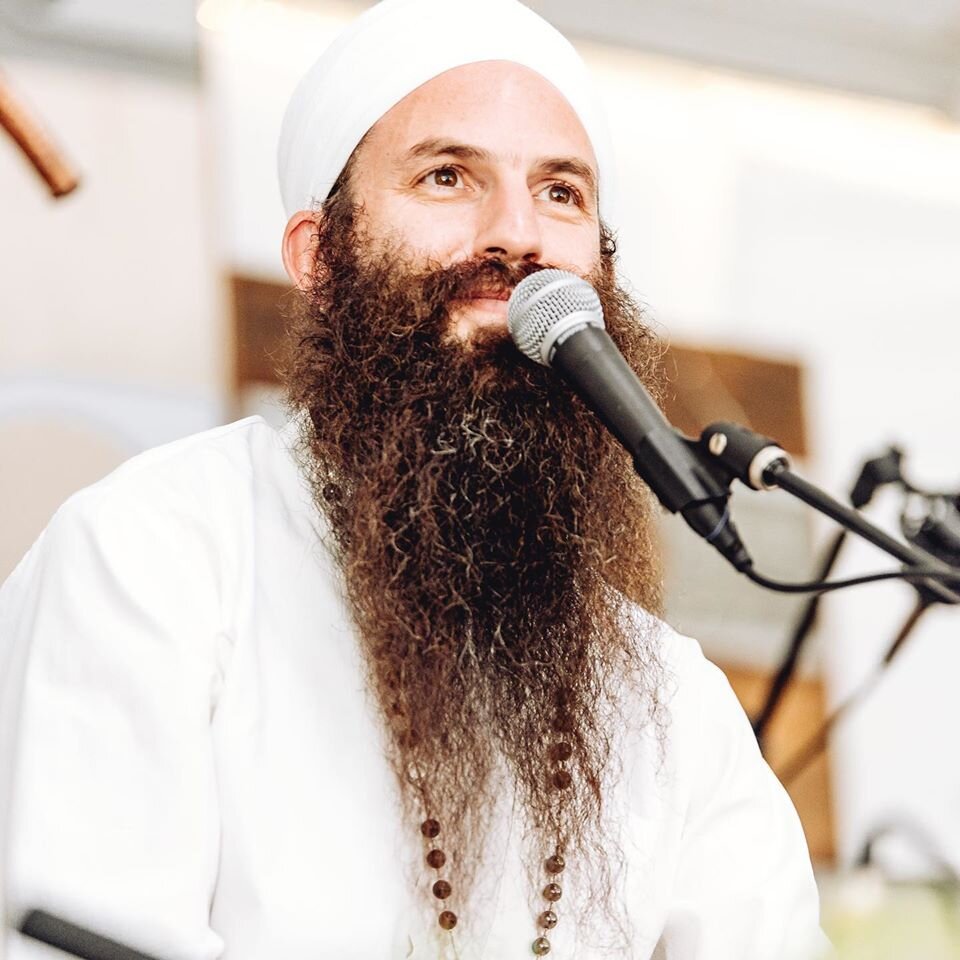
John Pavlovitz, writer, pastor, and activist, reflects on how crisis fundamentally shifts the way we perceive the world around us. He acknowledges that most people's relationship to everyday objects and experiences has transformed dramatically in response to recent upheaval, and offers practical wisdom for reframing perspective toward abundance and cultivating genuine peace in the present moment, even when external circumstances remain uncertain.
How Does Crisis Change What We See?
The opening observation in Pavlovitz's teaching cuts to the heart of collective experience: "I bet you look at this a lot differently than you did a few weeks ago." This statement recognizes a psychological and spiritual reality that crises expose—our perception is not fixed. What we once took for granted, or viewed through habitual lenses, suddenly appears in sharper focus when circumstances shift dramatically.
This is not merely about noticing new details. Rather, Pavlovitz points to a deeper reorientation of consciousness itself. During periods of uncertainty, threat, or rapid change, our default settings for interpreting reality are disrupted. The familiar becomes strange. The ordinary becomes precious. What had seemed important recedes, while what had seemed invisible suddenly demands attention. This shift in perception is not something imposed from outside—it arises organically from the actual conditions of our lives when those conditions change.
The power of Pavlovitz's observation lies in its universality. He is not asking readers to adopt a new belief system or to strain toward positivity. Instead, he is naming what most people have already experienced: the unsettling but clarifying effect of disruption on how we see the world.
What Does a Practice for Abundance Look Like?
Pavlovitz moves beyond diagnosis toward practice. Rather than leaving people paralyzed by the realization that their perception has shifted, he offers a tangible approach to cultivating a sense of abundance—not the false scarcity-mindset positivity that dismisses real loss or hardship, but a grounded attention to what is actually available in the present moment.
The practice he references is rooted in contemplative tradition: the deliberate shifting of attention toward sufficiency and gratitude. In times of scarcity or fear, the mind naturally narrows to focus on what is lacking or threatened. This protective mechanism makes evolutionary sense, but it blinds us to the resources, relationships, and qualities that remain present. A practice for abundance invites the practitioner to widen that aperture—not to deny difficulty, but to hold difficulty alongside what sustains us.
This is particularly relevant when external circumstances offer little reassurance. A practice cannot change the pandemic, the economic disruption, or the losses people face. What it can do is alter the relationship between the person practicing and those circumstances. Instead of being entirely consumed by scarcity-thinking, one becomes capable of noticing both the challenge and the sufficiency that coexists with it.
How Can We Find Peace in the Present Moment?
Pavlovitz's teaching points toward a peace that does not depend on resolution of external crises. This is a critical distinction. Many people defer their peace until conditions improve: "I will feel calm when the threat passes," or "I will find contentment when things return to normal." This postponement of inner stability leaves us perpetually reactive, always downstream of whatever is happening in the world.
A peace rooted in the present moment, by contrast, is accessible now—not because circumstances are ideal, but because the present moment itself contains a kind of ground that crisis often obscures. Pavlovitz's teaching invites people to taste that ground through deliberate attention and practice. This does not require denying that tomorrow may bring further difficulty. It simply requires the willingness to distinguish between what is actually happening in this moment and the fear-narratives we layer onto it.
The language of "cultivating peace" is important here. Peace is not presented as something that occurs when the world becomes peaceful. It is something cultivated—grown, tended, practiced into being through repeated small choices of attention and intention. This places agency back in the hands of the person practicing, which is particularly empowering when so much else feels beyond control.
Why Does Perspective Matter During Difficult Times?
The repeated emphasis on shifting how we look at things suggests a deeper teaching: our perception shapes not just how we feel, but how we behave and what becomes possible for us. When we perceive only scarcity, we hoard, contract, and become suspicious. When we perceive abundance alongside challenge, we become capable of generosity, clarity, and connection even in difficulty.
Pavlovitz's framing—as a writer, pastor, and activist—suggests he understands that how we see the world is not a purely personal or spiritual matter. It has direct implications for how we show up in community and in collective life. If enough people can learn to perceive differently, to notice abundance alongside loss, to find peace alongside urgency, the shape of collective response itself may shift. This is why a personal practice is never merely personal.
The fact that this teaching was offered as part of the "Extraordinary Teachers for Extraordinary Times" series indicates a recognition that crisis moments call for particular kinds of wisdom. Not the kind that pretends crisis isn't real or that reframes harm as gift. Rather, wisdom that acknowledges the reframing already occurring and offers tools to work with it consciously, intentionally, and in ways that serve both the individual and the larger whole.
Where to go from here
If Pavlovitz's core insight—that you now look at things differently than you did before crisis struck—resonates, the natural next step is to make that shift in perception deliberate and conscious. Begin a simple practice: each day, spend a few minutes noticing something that remains sufficient, present, or even beautiful. Not to deny what is lost or threatened, but to widen the bandwidth of your perception. Notice how your sense of possible action shifts when you hold both challenge and abundance in awareness simultaneously. Consider how a group—a family, a workplace, a community—might shift if enough people committed to this wider perception. And when fear or scarcity-thinking narrows your view again, as it inevitably will, return to the practice. This is the work of cultivating peace and abundance not as future conditions, but as present possibilities.


