BrightStar
BlogMy Tickets
BlogMy Tickets
Saved events
Help & contactSign UpLog in
Events
  • Browse All Events
  • For Seekers
  • Yoga
  • Meditation
  • Breathwork
  • Qigong
  • Sacred Music
  • World Music
  • Medicine Music
  • Sound Healing
  • Ecstatic Dance
  • Ceremony
  • Plant Medicine
  • Energy Healing
  • Satsang & Wisdom
  • Tantra
  • Retreats
  • All Categories →
Destinations
  • Bali
  • Sedona
  • Los Angeles
  • Costa Rica
  • Tulum
  • Byron Bay
  • San Francisco
  • Austin
  • New York
  • San Diego
  • Seattle
  • Portland
  • Miami
  • London
  • Maui
  • Boulder
  • Oakland
  • All Cities →
Platform
  • For organizers
  • Join the Movement
  • Sell Globally
  • For Creators
  • For Teams
  • For Writers
  • For Teachers
  • For Kirtan Artists
  • For Studios
  • For Festivals
  • For Retreat Centers
  • For Nonprofits
  • Brand Ambassador
  • Free Ticketing
  • Elevate
  • Amplify
  • The Ecosystem
Features

Ticketing and checkout

  • Ticket categories
  • Assigned seating
  • Custom questions
  • Coupon codes
  • Smart pricing
  • Ticket sharing
  • Waitlist
  • Flexible refunds
  • Digital waivers
  • Tip jar
  • Donations and sliding scale
  • Embed widget
  • Mindful checkout
  • Recurring events
  • Private sessions
  • Online courses
  • Summits
  • Rooms and stays
  • Ticket scanner

Marketing and growth

  • Abandoned cart recovery
  • Visitor recovery
  • Upsells and add-ons
  • Affiliate engine
  • Upsell affiliate network
  • Brand ambassador
  • Meta retargeting
  • Verified buyer network
  • Outbound email marketing
  • Email sequences
  • SMS and WhatsApp
  • Event upsell network
  • Direct mail campaigns
  • SEO engine
  • Syndication
  • Event sharing
  • Custom event pages
  • Artist profiles
  • Link in bio
  • Event blog
  • Blog newsletter

Payments

  • Payments, powered by Stripe
  • Buy now, pay later
  • Apple Wallet
  • Multi currency

Data and operations

  • Team access
  • Message center
  • Reports
  • Analytics reporting
  • Performance reporting
  • Customer data
  • Integrations
  • Switch from another platform

AI

  • Assistant
  • AI FAQ assistant
  • All Features →
Company
  • About
  • FAQ
  • Contact
  • Blog
  • Glossary
  • Guides
  • Inspiration
  • Help Center
  • API Docs
  • Brand Assets
  • Press
  • Terms of Service
  • Privacy Policy

Events

  • Browse All Events
  • For Seekers
  • Yoga
  • Meditation
  • Breathwork
  • Qigong
  • Sacred Music
  • World Music

Destinations

  • Bali
  • Sedona
  • Los Angeles
  • Costa Rica
  • Tulum
  • Byron Bay
  • San Francisco
  • Austin

Platform

  • For organizers
  • Join the Movement
  • Sell Globally
  • For Creators
  • For Teams
  • For Writers
  • For Teachers
  • For Kirtan Artists

Features

  • Community Network
  • Abandoned Cart Recovery
  • Ticket Categories
  • Recurring Events
  • Assigned Seating
  • Affiliate Engine
  • Waitlist / Notify
  • All Features →

Company

  • About
  • FAQ
  • Contact
  • Blog
  • Glossary
  • Guides
  • Terms of Service
  • Privacy Policy
Read more

Events

  • Medicine Music
  • Sound Healing
  • Ecstatic Dance
  • Ceremony
  • Plant Medicine
  • Energy Healing
  • Satsang & Wisdom
  • Tantra
  • Retreats
  • All Categories →

Destinations

  • New York
  • San Diego
  • Seattle
  • Portland
  • Miami
  • London
  • Maui
  • Boulder
  • Oakland
  • All Cities →

Platform

  • For Studios
  • For Festivals
  • For Retreat Centers
  • For Nonprofits
  • Brand Ambassador
  • Free Ticketing
  • Elevate
  • Amplify
  • The Ecosystem

Company

  • Inspiration
  • Help Center
  • API Docs
  • Brand Assets
  • Press

Ticketing and checkout

  • Ticket categories
  • Assigned seating
  • Custom questions
  • Coupon codes
  • Smart pricing
  • Ticket sharing
  • Waitlist
  • Flexible refunds
  • Digital waivers
  • Tip jar
  • Donations and sliding scale
  • Embed widget
  • Mindful checkout
  • Recurring events
  • Private sessions
  • Online courses
  • Summits
  • Rooms and stays
  • Ticket scanner

Marketing and growth

  • Abandoned cart recovery
  • Visitor recovery
  • Upsells and add-ons
  • Affiliate engine
  • Upsell affiliate network
  • Brand ambassador
  • Meta retargeting
  • Verified buyer network
  • Outbound email marketing
  • Email sequences
  • SMS and WhatsApp
  • Event upsell network
  • Direct mail campaigns
  • SEO engine
  • Syndication
  • Event sharing
  • Custom event pages
  • Artist profiles
  • Link in bio
  • Event blog
  • Blog newsletter

Payments

  • Payments, powered by Stripe
  • Buy now, pay later
  • Apple Wallet
  • Multi currency

Data and operations

  • Team access
  • Message center
  • Reports
  • Analytics reporting
  • Performance reporting
  • Customer data
  • Integrations
  • Switch from another platform

AI

  • Assistant
  • AI FAQ assistant
Get the app
Download on theApp StoreGet it onGoogle Play
© 2026 BrightStar. All rights reserved. BrightStar Selection · Photo credits · Changelog ·
Inspiration

Finding Nirvana Here and Now: Relationship to Experience

Jack Kornfield
Jack Kornfield
Nov 15, 2024
7 min read

From Be Here Now Network

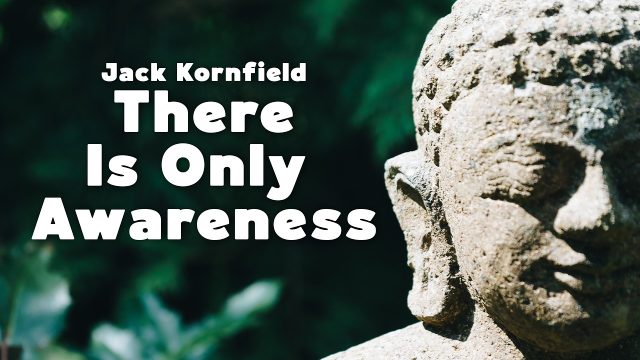
Jack Kornfield teaches that nirvana—lasting peace and freedom—is not a reward reserved for the future or a state achieved through escape from life, but rather something accessible here and now through a fundamental shift in how we relate to experience. Drawing from Buddhist wisdom, Kornfield explains that the Buddha's core insight was recognizing that suffering and happiness are not determined by life's circumstances themselves, but by our relationship to those circumstances. This understanding reframes the spiritual path as a practice of wise relating rather than controlling external events.

Read · 6 sections

What Did the Buddha Actually Teach About Happiness?

The central insight attributed to the Buddha—and which Kornfield emphasizes—is deceptively simple: "the cause of happiness and the cause of suffering is not so much in life itself, but in the way that we relate to life." This distinction is foundational to understanding why spiritual practice is possible regardless of life circumstances.

Most people assume that happiness depends on external conditions: having a good job, healthy relationships, financial security, physical comfort. By this logic, changing circumstances should change our well-being. Yet experience teaches otherwise. People with ideal conditions often suffer, while others facing genuine hardship sometimes remain calm and content. This gap between circumstances and happiness points to a different cause: the mind's relationship to experience.

The Buddha observed that attachment, aversion, and delusion—the three root poisons in Buddhist psychology—are not responses forced upon us by events themselves, but habitual patterns we layer onto experience. A difficult situation becomes a source of deep suffering not because difficulty is inherently unbearable, but because we meet it with resistance, blame, or the demand that things should be different. Conversely, a pleasant experience becomes a source of suffering when we cling to it, fearing its loss.

How Does Relationship to Experience Create Freedom?

Kornfield's teaching invites a radical reframing of what spiritual practice can accomplish. If happiness depended on controlling life—arranging circumstances perfectly, preventing loss, securing permanence—then freedom would be impossible; life is inherently unpredictable and impermanent. But if happiness depends on relationship to experience, then freedom becomes available right now, in this moment, regardless of what is happening.

This shift has practical implications. Consider a common scenario: receiving critical feedback. The feedback itself is neutral information. But if the mind contracts around it—interpreting it as proof of failure, as rejection, as evidence of unworthiness—suffering follows. The same feedback met with curiosity and openness, without the added layer of self-judgment, is simply useful data. The event is identical; the suffering is not inevitable.

Wise relating involves several dimensions:

  • Clear seeing: Observing experience without the filter of personal narrative. This means noticing: What is actually happening right now, separate from my thoughts about it?
  • Acceptance of what is: Not passive resignation, but acknowledging reality as it is rather than demanding it conform to preference. As the Stoic philosophers also taught, what we can control is our response; what we cannot is external circumstance.
  • Non-identification: Recognizing that thoughts, emotions, and even sensations arise and pass, but they are not identical with "I" or "my self." This creates some space, some freedom, between stimulus and response.
  • Compassion in the face of difficulty: When suffering arises—whether in oneself or others—meeting it with kindness rather than judgment, recognizing it as part of the human condition rather than a sign of failure.

What Does "Nirvana Here and Now" Actually Mean?

In Buddhist terminology, "nirvana" (literally "blowing out" or "extinguishing") traditionally refers to the cessation of greed, hatred, and delusion—the root afflictions. Kornfield's framing suggests that this cessation is not a distant achievement, not something requiring withdrawal from the world or purification through countless lifetimes, but something that can unfold in the present moment through a shift in consciousness.

This is radical because it means nirvana is not a reward for spiritual achievement; it is available now. The practices that cultivate nirvana—mindfulness meditation, ethical conduct, wisdom—are not means to a distant end, but expressions of freedom itself. When you sit quietly and observe the breath with full attention, free from judgment and agenda, that quality of mind is itself nirvana. When you act with integrity not because you expect reward but because it expresses your values, that is nirvana. When you respond to loss without grasping, that is nirvana.

The paradox is that this understanding often makes formal practice more sincere. If nirvana is a distant carrot dangled before us, practice can become a grim project, a transaction: exchange effort now for peace later. But if practice itself is peace—if the quality of mind cultivated through meditation is the very freedom sought—then practice becomes natural and self-sustaining.

How Do We Shift From Resistance to Wise Relating?

Understanding that relationship to experience matters is one thing; actually changing habitual patterns is another. Kornfield's approach, rooted in his decades of Buddhist practice and teaching, emphasizes several dimensions of this work.

Mindfulness as foundational practice: Before we can change our relationship to experience, we must first notice what our current relationship is. Meditation develops this capacity. Sitting quietly and observing the breath, we begin to see how the mind habitually contracts, judges, grasps, and resists. We notice subtle movements of aversion before they become full suffering. Over time, this awareness alone creates space. As Viktor Frankl observed in a different context, "between stimulus and response there is a space. In that space is our power to choose."

Emotional intelligence and shadow work: Wise relating is not cold detachment or "spiritual bypassing." It requires honest engagement with emotional truth. If you feel hurt, the practice is not to deny or suppress the hurt but to feel it fully without the added layer of shame or the demand that it should not be there. This distinguishes mature practice from spiritual dissociation.

Integration of understanding: Intellectual understanding that "my happiness depends on my relationship to life" is not the same as lived embodied understanding. The teaching points in a direction, but practice must bring it into the nervous system, the body, the automatic responses. This takes time and repetition, which is why Buddhist traditions speak of practice over years and lifetimes.

What Is the Wisdom of Insecurity?

The Kornfield episode title references "the Wisdom of Insecurity"—a theme also explored in Alan Watts' classic work. In a world built on impermanence, the desire for absolute security is a desire that cannot be fulfilled. Money can be lost, relationships can end, the body will age and die. Every circumstance that feels solid will eventually dissolve.

Most people respond to this reality with denial: we act as if security is possible, chasing certainty through accumulation, control, or rigid belief systems. The wisdom of insecurity is the opposite: it is the recognition that impermanence, far from being a flaw, is the basis for freedom. Because everything changes, nothing is trapped. Because nothing is permanent, loss is not final. Because circumstances are fluid, our response can be different today than it was yesterday.

This wisdom opens the door to genuine equanimity—not indifference or resignation, but a calm clarity that rests on acceptance of reality rather than denial of it. From this ground, action can arise that is responsive, creative, and not driven by fear.

Where to Go From Here

The teaching that happiness stems from our relationship to life rather than life's circumstances is not new—it appears in Stoic philosophy, in the contemplative traditions of many religions, and in modern psychology. What Kornfield offers is a clear, grounded path for investigating and transforming this relationship through practice.

Exploring this for yourself might begin with simple observation: over one week, notice moments when you are content and moments when you are suffering. Look carefully. Is the suffering caused by the event itself, or by your mind's judgment and resistance to the event? Is contentment created by perfect circumstances, or by a particular quality of attention and acceptance? These questions, investigated through your own experience rather than accepted as doctrine, are the beginning of wisdom.

Comments

Loading the conversation…

The Artist in This Story

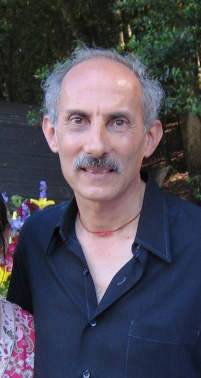
Jack Kornfield

Jack Kornfield

Meditation Teacher

Jack Kornfield, Ph.D.

View profile
Explore Topics
NirvanaRelationship to experienceMindfulnessBuddhist wisdomEquanimity
Frequently Asked Questions

Frequently Asked Questions

Nirvana refers specifically to the cessation of greed, hatred, and delusion—the root causes of suffering—through a shift in consciousness. Enlightenment or awakening describes the state of mind that experiences this cessation. Kornfield teaches that nirvana is not a distant achievement but an ongoing quality of mind accessible here and now when we change our relationship to experience.

Happiness depends not on circumstances themselves but on your relationship to them. This doesn't mean denial or pretending difficulty isn't real, but rather meeting difficulty with clarity and compassion rather than resistance and judgment. The same circumstances can produce suffering in one mind and composure in another, depending on how the mind relates to what is happening.

Meditation is a primary tool for developing awareness, but the shift in relationship happens through sustained practice in daily life as well. Ethical conduct, study, and conscious engagement with difficulty all cultivate the capacity to meet life with wisdom rather than habitual reactivity.

No. Wise relating means seeing reality clearly and responding appropriately. You can work to improve circumstances while also accepting that you cannot control everything and that your well-being does not depend on perfect outcomes. This often makes action more effective, not less, because it is freed from desperate attachment to results.

Since all things change and no circumstances are permanent, the pursuit of absolute security is futile. The wisdom of insecurity is accepting this truth and discovering that impermanence is not a tragedy but the basis for freedom—because nothing is trapped, nothing is final, and your response can always be different.

You might also like

View All
Creating Inner Peace During Conflict and War
Inspire

Creating Inner Peace During Conflict and War

Learn how to maintain an open heart and inner peace even amid external war and suffering. A Buddhist teacher's guidance on compassion and re…

7 min read
Buddhist Psychology: Awareness as the Foundation of Mind
Inspire

Buddhist Psychology: Awareness as the Foundation of Mind

Buddhist psychology teaches that awareness is ever-present and foundational to our experience. By quieting the mind and opening the heart, w…

8 min read
Which Mask Is the Real You? Why "Be Yourself" Misleads
Inspire

Which Mask Is the Real You? Why "Be Yourself" Misleads

In a short excerpt from his Cosmic Drama lectures, Alan Watts argues that "be yourself" is advice given to people who have already been assi…

8 min read
Why God Doesn't Need a Manual to Make a Rabbit Explained
Inspire

Why God Doesn't Need a Manual to Make a Rabbit Explained

Can God make a rabbit without a manual? A close reading of Alan Watts's parable on doing versus explaining, and why we so often equate under…

9 min read
See allYou might also like→

Continue your journey

More wisdom and gatherings from across the BrightStar directory.

More Articles

Browse the full library of teachings, interviews, and guides.

Back to all articles →

Teachers & Artists

Explore the lineages, musicians, and guides of the conscious world.

Explore artists →

Find an Event

Kirtan, retreats, sound baths, breathwork, festivals — happening soon.

Browse events →