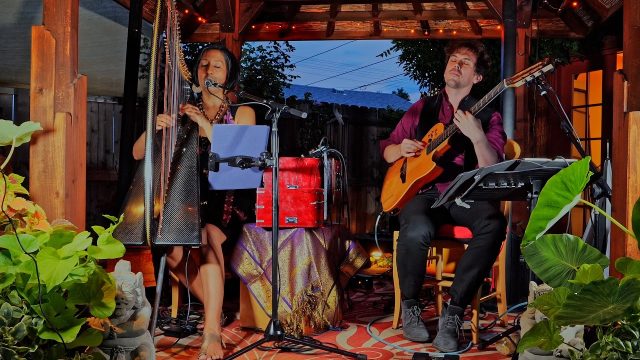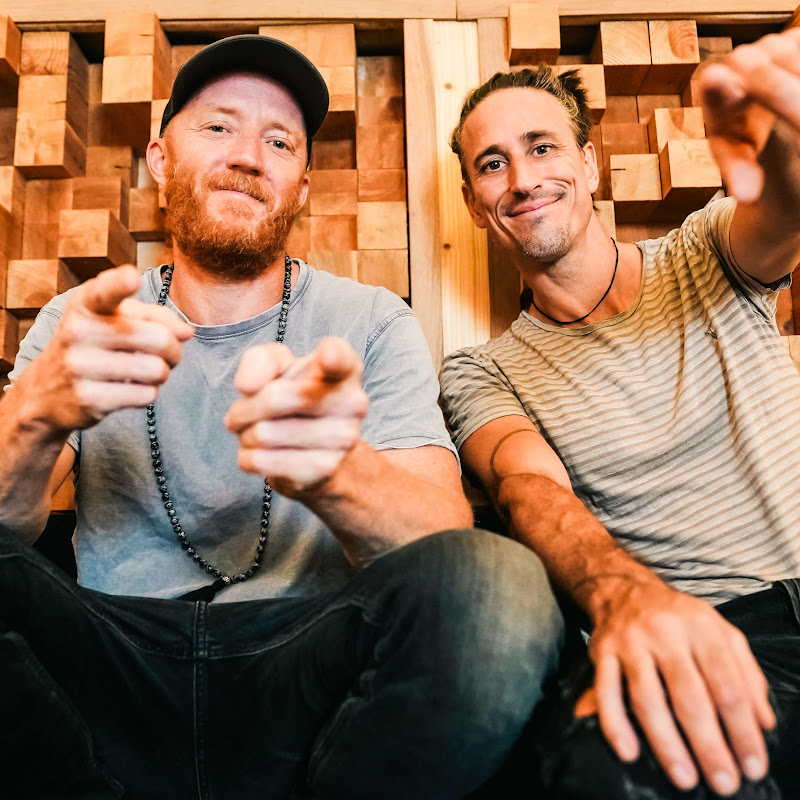
In thirty-eight seconds, a musician steps into the studio and demonstrates the essence of live improvisation: two instruments, no script, pure responsiveness. Danny's work on electric tabla and flute at Hang Massive captures what happens when a player trusts the moment, letting the drums and breath-instrument speak to each other in real time.
Improvisation in Indian classical music has always lived in this space—the tabla player and melody instrument in conversation, each responding to the other's phrasing, dynamics, and rhythmic choices. When you add electronics to the tabla, the conversation shifts. Electric tabla opens new timbral territory while keeping the responsiveness intact. What makes this short compelling is not technical display but the *actual moment* of creation: the player navigating choices, listening, adjusting, building phrases on the fly.
This kind of work reflects Hang Massive's broader aesthetic—a studio environment where acoustic and electric instruments coexist not as separate worlds but as extensions of each other. The flute's legato possibilities and the tabla's percussive precision form a natural counterpoint, whether the drums are acoustic or amplified. What matters is the musician's attention and willingness to follow the sound wherever it goes.
In contemplative music and kirtan spaces, improvisation serves a deeper purpose: it keeps the player present. There is no autopilot. Every breath on the flute, every strike on the tabla requires that the musician show up fully. The studio audience, in this case the camera, witnesses not performance for an audience but the raw artifact of creative decision-making in motion.
Hang Massive continues to document sessions and explorations across instrumental combinations and styles. For those interested in how traditional percussion and melody instruments adapt to contemporary studio and electronic contexts, their channel offers genuine snapshots of musicians at work—not polished final products, but the living process of making.