BrightStar
BlogMy Tickets
BlogMy Tickets
Saved events
Help & contactSign UpLog in
Events
  • Browse All Events
  • Yoga
  • Meditation
  • Breathwork
  • Qigong
  • Sacred Music
  • World Music
  • Medicine Music
  • Sound Healing
  • Ecstatic Dance
  • Ceremony
  • Plant Medicine
  • Energy Healing
  • Satsang & Wisdom
  • Tantra
  • Retreats
  • All Categories →
Destinations
  • Bali
  • Sedona
  • Los Angeles
  • Costa Rica
  • Tulum
  • Byron Bay
  • San Francisco
  • Austin
  • New York
  • San Diego
  • Denver
  • Seattle
  • Portland
  • Miami
  • London
  • Maui
  • Boulder
  • All Cities →
Platform
  • For organizers
  • Join the Movement
  • Sell Globally
  • For Creators
  • For Teams
  • For Writers
  • For Teachers
  • For Kirtan Artists
  • For Studios
  • For Festivals
  • For Retreat Centers
  • For Nonprofits
  • Brand Ambassador
  • Free Ticketing
  • Pro
  • Amplify
  • The Ecosystem
Features

Ticketing and checkout

  • Ticket categories
  • Assigned seating
  • Custom questions
  • Coupon codes
  • Smart pricing
  • Ticket sharing
  • Waitlist
  • Flexible refunds
  • Digital waivers
  • Tip jar
  • Donations and sliding scale
  • Embed widget
  • Mindful checkout
  • Recurring events
  • Private sessions
  • Online courses
  • Summits
  • Rooms and stays
  • Ticket scanner

Marketing and growth

  • Abandoned cart recovery
  • Visitor recovery
  • Upsells and add-ons
  • Affiliate engine
  • Upsell affiliate network
  • Brand ambassador
  • Meta retargeting
  • Verified buyer network
  • Outbound email marketing
  • Email sequences
  • SMS and WhatsApp
  • Event upsell network
  • Direct mail campaigns
  • SEO engine
  • Syndication
  • Event sharing
  • Custom event pages
  • Artist profiles
  • Link in bio
  • Event blog
  • Blog newsletter

Payments

  • Payments, powered by Stripe
  • Buy now, pay later
  • Apple Wallet
  • Multi currency

Data and operations

  • Team access
  • Message center
  • Reports
  • Analytics reporting
  • Performance reporting
  • Customer data
  • Integrations
  • Switch from another platform

AI

  • Assistant
  • AI FAQ assistant
  • All Features →
Company
  • About
  • FAQ
  • Contact
  • Blog
  • Glossary
  • Guides
  • Inspiration
  • Help Center
  • API Docs
  • Brand Assets
  • Press
  • Terms of Service
  • Privacy Policy

Events

  • Browse All Events
  • Yoga
  • Meditation
  • Breathwork
  • Qigong
  • Sacred Music
  • World Music
  • Medicine Music

Destinations

  • Bali
  • Sedona
  • Los Angeles
  • Costa Rica
  • Tulum
  • Byron Bay
  • San Francisco
  • Austin

Platform

  • For organizers
  • Join the Movement
  • Sell Globally
  • For Creators
  • For Teams
  • For Writers
  • For Teachers
  • For Kirtan Artists

Features

  • Community Network
  • Abandoned Cart Recovery
  • Ticket Categories
  • Recurring Events
  • Assigned Seating
  • Affiliate Engine
  • Waitlist / Notify
  • All Features →

Company

  • About
  • FAQ
  • Contact
  • Blog
  • Glossary
  • Guides
  • Terms of Service
  • Privacy Policy
Read more

Events

  • Sound Healing
  • Ecstatic Dance
  • Ceremony
  • Plant Medicine
  • Energy Healing
  • Satsang & Wisdom
  • Tantra
  • Retreats
  • All Categories →

Destinations

  • New York
  • San Diego
  • Denver
  • Seattle
  • Portland
  • Miami
  • London
  • Maui
  • Boulder
  • All Cities →

Platform

  • For Studios
  • For Festivals
  • For Retreat Centers
  • For Nonprofits
  • Brand Ambassador
  • Free Ticketing
  • Pro
  • Amplify
  • The Ecosystem

Company

  • Inspiration
  • Help Center
  • API Docs
  • Brand Assets
  • Press

Ticketing and checkout

  • Ticket categories
  • Assigned seating
  • Custom questions
  • Coupon codes
  • Smart pricing
  • Ticket sharing
  • Waitlist
  • Flexible refunds
  • Digital waivers
  • Tip jar
  • Donations and sliding scale
  • Embed widget
  • Mindful checkout
  • Recurring events
  • Private sessions
  • Online courses
  • Summits
  • Rooms and stays
  • Ticket scanner

Marketing and growth

  • Abandoned cart recovery
  • Visitor recovery
  • Upsells and add-ons
  • Affiliate engine
  • Upsell affiliate network
  • Brand ambassador
  • Meta retargeting
  • Verified buyer network
  • Outbound email marketing
  • Email sequences
  • SMS and WhatsApp
  • Event upsell network
  • Direct mail campaigns
  • SEO engine
  • Syndication
  • Event sharing
  • Custom event pages
  • Artist profiles
  • Link in bio
  • Event blog
  • Blog newsletter

Payments

  • Payments, powered by Stripe
  • Buy now, pay later
  • Apple Wallet
  • Multi currency

Data and operations

  • Team access
  • Message center
  • Reports
  • Analytics reporting
  • Performance reporting
  • Customer data
  • Integrations
  • Switch from another platform

AI

  • Assistant
  • AI FAQ assistant
Get the app
Download on theApp StoreGet it onGoogle Play
© 2026 BrightStar. All rights reserved. BrightStar Selection · Photo credits · Changelog ·
Inspiration

Accepting Death: How Mortality Dissolves the Ego

Eckhart Tolle
Eckhart Tolle
Apr 2, 2026
7 min read

From Eckhart Tolle

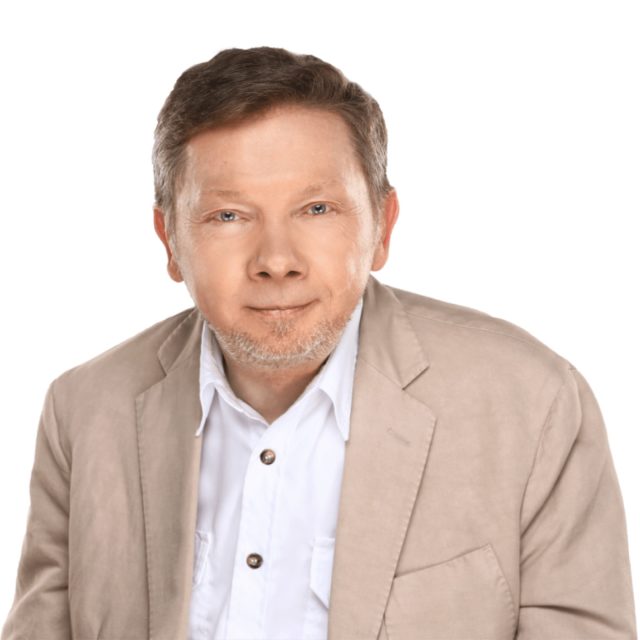
In this teaching, Eckhart Tolle examines how the conscious awareness of death is not something to fear or avoid, but rather a gateway to dissolving the ego and accessing a deeper dimension of being that transcends form, identity, and time. Rather than making life darker, this perspective brings greater presence, peace, and clarity about what authentically matters.

Read · 8 sections

Why Do We Avoid Contemplating Mortality?

Most people treat death as something to suppress rather than examine. The ego—the constructed sense of identity bound to form, achievement, and continuity—naturally recoils from the awareness of impermanence. This resistance is understandable: the separate self, the "I" that we take ourselves to be, cannot survive physical death. To contemplate death is, in some sense, to contemplate the dissolution of that which we believe ourselves to be.

Yet this avoidance comes at a cost. By refusing to acknowledge mortality, we remain trapped in unconscious patterns of anxiety, urgency, and meaning-making that stem from the unexamined fear of annihilation. The ego will grasp for ever more possessions, achievements, relationships, and identities—anything to convince itself that it is permanent and meaningful. This grasping generates suffering because it denies the fundamental nature of reality: all form is impermanent.

What Happens When You Face Impermanence Directly?

When someone genuinely contemplates death not as an abstract concept but as their own reality—their own impermanence, their own finite time—something shifts. The illusions that the ego uses to defend itself begin to crumble. Petty concerns lose their weight. The constant need to prove oneself, to accumulate status, to construct and defend an identity, begins to seem hollow.

This dissolution of ego-driven concerns is not depressing; it is liberating. When the ego's grip loosens, what remains becomes visible. The present moment—which the ego is usually too preoccupied to experience—becomes accessible. Colors seem more vivid. Ordinary activities (a meal, a conversation, a walk) reveal a depth of aliveness that was always there but obscured by mental noise.

Moreover, facing death directly reveals something crucial: there is a dimension of being within you that is not touched by impermanence. Your consciousness itself—the aware presence that witnesses thought, sensation, and change—has a quality of timelessness to it. It is not defined by what it observes (the body, the mind, the ego). This is not a belief system but a direct recognition available to anyone willing to look.

How Does Mortality Awareness Clarify What Truly Matters?

When the mind is freed from the tyranny of ego-driven concerns, a natural reorientation occurs. What emerges is clarity about genuine values: authentic connection with others, the quality of your presence, the depth of your compassion, the reduction of unnecessary suffering. These are not abstract virtues but lived experiences that become self-evident when you're not performing an identity or chasing external validation.

The awareness of death also dissolves the illusion of time scarcity in an unexpected way. While ego-consciousness experiences time as a dwindling resource that generates urgency and desperation, the presence that emerges through acceptance of impermanence relates to time differently. Presence is not defined by quantity of remaining years but by the quality of aliveness available now. This is why many people who have near-death experiences report that their lives become richer, not diminished, even if their time expectancy is unchanged.

What Does "Dissolving the Ego" Actually Mean?

The ego does not need to be destroyed or violently rejected. Rather, it needs to be seen clearly for what it is: a useful mental structure for navigating daily life, but not your true nature. When the illusions that sustain it are examined and found wanting, it naturally loses its compulsive power. You can still think, plan, and engage with the world—but from a place of clarity rather than unconscious fear.

Accepting death is part of this process because it exposes the ego's fundamental lie: that it can make itself permanent through the right thoughts, actions, or accumulations. When you genuinely acknowledge that no amount of striving will prevent your death, the ego's defensive strategies lose credibility. This is not nihilism; it is realism. And realism, paradoxically, is more conducive to peace and authentic living than the ego's desperate fantasies of permanence.

Does This Make Life More Peaceful or More Frightening?

The common assumption is that dwelling on death must be morbid and anxiety-inducing. In practice, the opposite occurs. Unconscious fear of death—which most people carry but do not acknowledge—generates background anxiety that colors everything. By bringing death into conscious awareness and looking it in the eye, that unconscious terror can transform. You are no longer running from something you won't admit; you are meeting it directly, and in that meeting, much of its power dissolves.

What remains is not despair but a strange peace. There is a freedom that comes from accepting the inevitable. You cannot change the fact of your mortality, so the energy that went into resisting and denying it becomes available for something else: presence, connection, meaning-making that is authentic rather than defensive.

How Is This Different From Pessimism or Fatalism?

Accepting death is not the same as embracing a nihilistic worldview where nothing matters. Rather, it is the basis for authentic meaning-making. When you are no longer enslaved to the ego's desperate quest for permanence and validation, you become capable of genuine care for others, genuine engagement with the world, and genuine response to what life asks of you. These actions flow from presence rather than from fear or compulsion.

Fatalism suggests that since death comes anyway, why bother? But the teaching here is the opposite: because death comes, because time is finite and real, this present moment has weight and value that cannot be postponed. Life becomes not a dress rehearsal but the actual event.

What Is the "Deeper Dimension" Beyond Form?

By facing the reality of impermanence—that all form changes and dissolves—it becomes possible to access something in yourself that is not form. This is not mystical jargon but observable fact. Your consciousness, your awareness, is not the same thing as the body or the mind. It is that which is aware of the body and mind. It is not in time in the way that objects in time are. Thought moves through time; awareness itself does not move.

This dimension is not separate from life or something to reach after death. It is accessible now, in this present moment, through any activity done with genuine presence: listening to music, looking at a tree, engaging with another person. The finite dissolves into the infinite not because you transcend the body but because you recognize that the conscious presence that animates your body is not limited by form.

Where to Go From Here

The practical implication of this teaching is simple: begin to allow yourself to think about death not as a morbid exercise but as a gateway to clarity. You might sit quietly and contemplate your own impermanence—not dwelling on it obsessively, but meeting it consciously. Notice what ego-concerns begin to lose their grip. Notice what remains when the ego's narrative is quieted. Notice the aliveness of the present moment when you are not anxious about the future.

This is not a once-and-for-all realization but an ongoing orientation. Each time you catch yourself in unconscious urgency or fear, you can return to the baseline truth: I am impermanent, my time is finite, and this moment is what I have. From that foundation, a different quality of presence and peace becomes possible—not as a suppression of reality but as an embrace of it.
Comments

Loading the conversation…

The Artist in This Story

Eckhart Tolle

Eckhart Tolle

Spiritual Teacher

Eckhart Tolle is a spiritual teacher and author whose bestsellers The Power of Now and A New Earth have introduced millions to living in the present moment, and who sees awakened Presence as the essential next step in human evolution.

View profile
Explore Topics
Death acceptanceEgo dissolutionMortality awarenessPresenceImpermanence
Frequently Asked Questions

Frequently Asked Questions

Yes. Contemplating mortality is not morbid avoidance but a clarity practice that dissolves unconscious anxiety and reveals what truly matters. When you consciously acknowledge impermanence, the background fear that usually runs unexamined loses power, and presence becomes more accessible.

Unconscious fear of death generates background anxiety that colors daily life. By bringing death into conscious awareness and examining it directly, you stop running from a threat you won't admit. This transforms the fear into a foundation for peace rather than a hidden generator of urgency.

The ego is the constructed identity you take yourself to be, bound to form, achievement, and continuity. It cannot survive death, so contemplating mortality exposes its fundamental illusion. When that illusion is seen clearly, the ego loses its compulsive power, though it remains useful for daily functioning.

The opposite occurs. When you stop resisting impermanence, the energy that went into defensive meaning-making becomes available for authentic meaning. You engage with life not from fear or compulsion but from genuine presence, which makes life feel more alive, not less.

This refers to consciousness itself—the aware presence that witnesses thought, sensation, and change but is not defined by any of them. Unlike the body and mind, consciousness does not move through time in the same way. It is accessible in moments of genuine presence and remains unaffected by impermanence.

Begin by sitting quietly and contemplating your own impermanence not obsessively but consciously. Notice which ego-concerns lose their grip. Notice the aliveness of the present moment when you release anxiety about the future. This is a gentle practice of returning to the baseline truth: you are finite, this moment is what you have.

You might also like

View All
God Beyond the Sky: Rethinking Divine Nature
Inspire

God Beyond the Sky: Rethinking Divine Nature

God is not an external judge deciding human suffering. Suffering itself becomes the mechanism through which consciousness awakens to itself.…

6 min read
God, Suffering, and the One Life Across Traditions
Inspire

God, Suffering, and the One Life Across Traditions

Eckhart Tolle explores how Islam, Buddhism, and Greek philosophy all point to the same ultimate reality—and why the problem of suffering dis…

7 min read
Medicine Buddha Practice: Feeling Beneath the Thinking
Inspire

Medicine Buddha Practice: Feeling Beneath the Thinking

Lama Rod Owens opens a Monday-night Medicine Buddha session six years into the practice, teaching how to feel an experience instead of think…

10 min read
We Are All Visitors to This Material World: A Gita Reflection
Inspire

We Are All Visitors to This Material World: A Gita Reflection

In a 22-second clip, Radhika Das frames human life as a temporary visit, not a permanent residence. The idea draws on Bhagavad-gītā 8.15 and…

3 min read
See allYou might also like→

Continue your journey

More wisdom and gatherings from across the BrightStar directory.

More Articles

Browse the full library of teachings, interviews, and guides.

Back to all articles →

Teachers & Artists

Explore the lineages, musicians, and guides of the conscious world.

Explore artists →

Find an Event

Kirtan, retreats, sound baths, breathwork, festivals — happening soon.

Browse events →