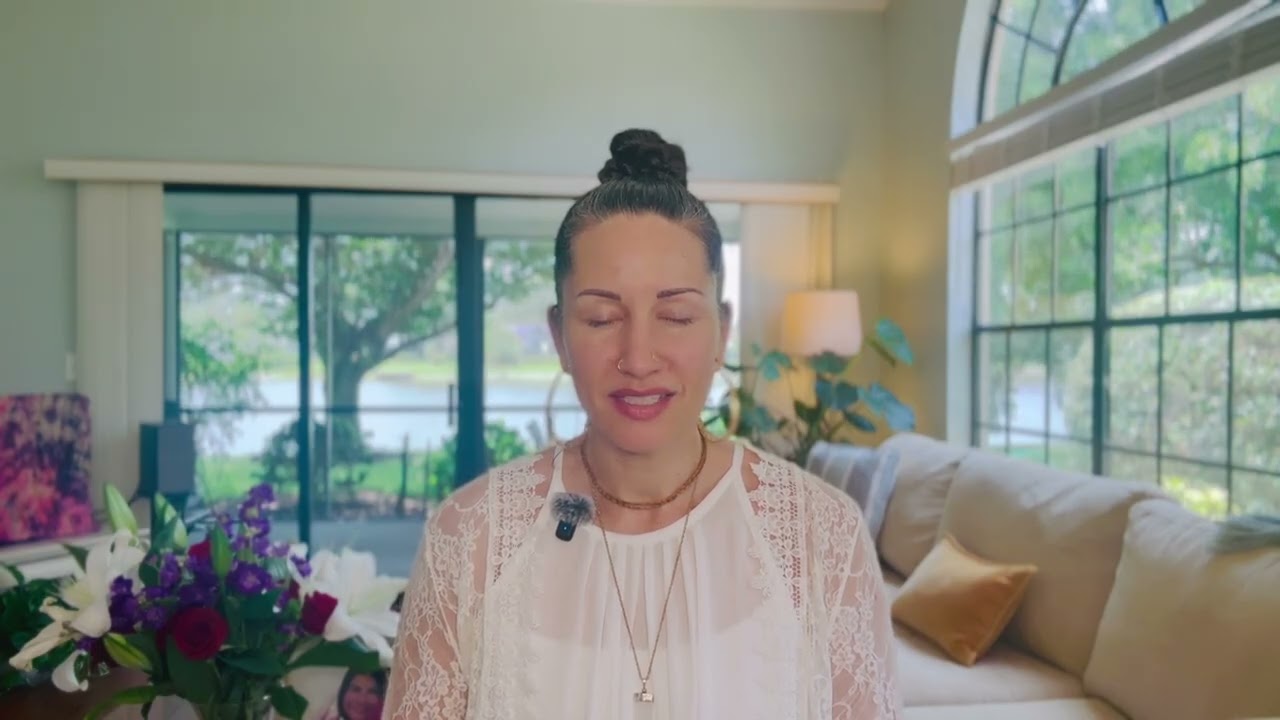
In sixty seconds, Don Reed Simmons asks you to do very little and notice a great deal. His one-minute meditation, published on YouTube in September 2010, is a guided breath practice: follow the inhale and exhale without steering them, release tension in the jaw and shoulders, and let the thoughts crowding your mind slip away for a moment. It closes with a short reassurance that you are safe, accepted, forgiven and loved.
The instruction is precise. Simmons does not ask you to slow the breath or deepen it. He asks you to feel yourself breathing in and breathing out "without trying to manipulate or change your pattern of breathing." That restraint is the practice. You are observing the breath as it already is, rather than performing a better version of it.
Then the body gets its cues: "relax your jaw, relax your shoulders." Those are two places many people hold tension without noticing. Naming them turns a vague instruction to relax into something you can actually locate and let go of.
The clip then turns toward impermanence. At about 0:22 he says, "notice how different one breath is from the next," and draws the parallel to life: "one day, one moment different from the next. Ever changing, ever evolving." The point is not philosophy for its own sake. The same attention that finds each breath distinct can find each moment distinct, which loosens the grip of routine and habitual thinking.
Next comes the mind. Simmons asks, "what is going through your mind right now?" and then invites you to "let it slip away just for this moment" (0:40). He does not demand an empty head. He asks you to set the thought down for a breath and come back to what he calls "Harmony."
The closing lines, from about 0:48, shift from instruction to reassurance: "You are safe. You are accepted. You are forgiven. And you are loved." A minute is short, but as a practice it works as a reset: soften, observe, release, return.
This clip runs about a minute, so it offers a starting point rather than a complete method. For Simmons' longer teachings, the place to go is his own channel, where the rest of his videos live. As a practice, the clip is best used as a repeatable pause: take it between tasks, and notice how each breath differs from the last.