BrightStar
BlogMy Tickets
BlogMy Tickets
Saved events
Help & contactSign UpLog in
Events
  • Browse All Events
  • For Seekers
  • Yoga
  • Meditation
  • Breathwork
  • Qigong
  • Sacred Music
  • World Music
  • Medicine Music
  • Sound Healing
  • Ecstatic Dance
  • Ceremony
  • Plant Medicine
  • Energy Healing
  • Satsang & Wisdom
  • Tantra
  • Retreats
  • All Categories →
Destinations
  • Bali
  • Sedona
  • Los Angeles
  • Costa Rica
  • Tulum
  • Byron Bay
  • San Francisco
  • Austin
  • New York
  • San Diego
  • Seattle
  • Portland
  • Miami
  • London
  • Maui
  • Boulder
  • Oakland
  • All Cities →
Platform
  • List Your Event Free
  • Autopilot
  • Join the Movement
  • Sell Globally
  • For Creators
  • For Teams
  • For Writers
  • For Teachers
  • For Kirtan Artists
  • For Studios
  • For Festivals
  • For Retreat Centers
  • For Nonprofits
  • Brand Ambassador
  • Free Ticketing
  • Elevate
  • Amplify
  • The Ecosystem
Features

Ticketing and checkout

  • Ticket categories
  • Assigned seating
  • Custom questions
  • Coupon codes
  • Smart pricing
  • Ticket sharing
  • Waitlist
  • Flexible refunds
  • Digital waivers
  • Tip jar
  • Donations and sliding scale
  • Embed widget
  • Mindful checkout
  • Recurring events
  • Private sessions
  • Online courses
  • Summits
  • Rooms and stays
  • Ticket scanner

Marketing and growth

  • Abandoned cart recovery
  • Visitor recovery
  • Upsells and add-ons
  • Affiliate engine
  • Upsell affiliate network
  • Brand ambassador
  • Meta retargeting
  • Verified buyer network
  • Outbound email marketing
  • Email sequences
  • SMS and WhatsApp
  • Event upsell network
  • Direct mail campaigns
  • SEO engine
  • Syndication
  • Event sharing
  • Custom event pages
  • Artist profiles
  • Link in bio
  • Event blog
  • Blog newsletter

Payments

  • Payments, powered by Stripe
  • Buy now, pay later
  • Apple Wallet
  • Multi currency

Data and operations

  • Team access
  • Message center
  • Reports
  • Analytics reporting
  • Performance reporting
  • Customer data
  • Integrations
  • Switch from another platform

AI

  • Maestro
  • AI FAQ assistant
  • All Features →
Company
  • About
  • FAQ
  • Contact
  • Blog
  • Glossary
  • Inspiration
  • Help Center
  • API Docs
  • Brand Assets
  • Press
  • Terms of Service
  • Privacy Policy

Events

  • Browse All Events
  • For Seekers
  • Yoga
  • Meditation
  • Breathwork
  • Qigong
  • Sacred Music
  • World Music

Destinations

  • Bali
  • Sedona
  • Los Angeles
  • Costa Rica
  • Tulum
  • Byron Bay
  • San Francisco
  • Austin

Platform

  • List Your Event Free
  • Autopilot
  • Join the Movement
  • Sell Globally
  • For Creators
  • For Teams
  • For Writers
  • For Teachers

Features

  • Community Network
  • Abandoned Cart Recovery
  • Ticket Categories
  • Recurring Events
  • Assigned Seating
  • Affiliate Engine
  • Waitlist / Notify
  • All Features →

Company

  • About
  • FAQ
  • Contact
  • Blog
  • Glossary
  • Inspiration
  • Terms of Service
  • Privacy Policy
Read more

Events

  • Medicine Music
  • Sound Healing
  • Ecstatic Dance
  • Ceremony
  • Plant Medicine
  • Energy Healing
  • Satsang & Wisdom
  • Tantra
  • Retreats
  • All Categories →

Destinations

  • New York
  • San Diego
  • Seattle
  • Portland
  • Miami
  • London
  • Maui
  • Boulder
  • Oakland
  • All Cities →

Platform

  • For Kirtan Artists
  • For Studios
  • For Festivals
  • For Retreat Centers
  • For Nonprofits
  • Brand Ambassador
  • Free Ticketing
  • Elevate
  • Amplify
  • The Ecosystem

Company

  • Help Center
  • API Docs
  • Brand Assets
  • Press

Ticketing and checkout

  • Ticket categories
  • Assigned seating
  • Custom questions
  • Coupon codes
  • Smart pricing
  • Ticket sharing
  • Waitlist
  • Flexible refunds
  • Digital waivers
  • Tip jar
  • Donations and sliding scale
  • Embed widget
  • Mindful checkout
  • Recurring events
  • Private sessions
  • Online courses
  • Summits
  • Rooms and stays
  • Ticket scanner

Marketing and growth

  • Abandoned cart recovery
  • Visitor recovery
  • Upsells and add-ons
  • Affiliate engine
  • Upsell affiliate network
  • Brand ambassador
  • Meta retargeting
  • Verified buyer network
  • Outbound email marketing
  • Email sequences
  • SMS and WhatsApp
  • Event upsell network
  • Direct mail campaigns
  • SEO engine
  • Syndication
  • Event sharing
  • Custom event pages
  • Artist profiles
  • Link in bio
  • Event blog
  • Blog newsletter

Payments

  • Payments, powered by Stripe
  • Buy now, pay later
  • Apple Wallet
  • Multi currency

Data and operations

  • Team access
  • Message center
  • Reports
  • Analytics reporting
  • Performance reporting
  • Customer data
  • Integrations
  • Switch from another platform

AI

  • Maestro
  • AI FAQ assistant
Get the app
Download on theApp StoreGet it onGoogle Play
© 2026 BrightStar. All rights reserved. Photo credits ·
Inspiration

Why Inner Change Matters More Than Laws

Susan
Susan
Nov 20, 2026
7 min read

From Susan Piver

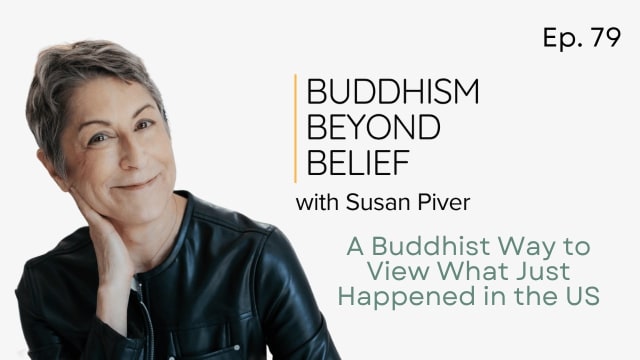
Legislation matters. Laws set guardrails, establish rights, create consequence. But anyone paying attention to the American political landscape—the recent shifts in Texas, the ongoing battles over education, healthcare, and civil rights across the country—understands that laws alone cannot heal a fractured nation. Something deeper is required. Something that happens not in legislative chambers but in the quiet chambers of the human heart.

This is the central argument Susan Piver explores in Legislation Isn't Enough: lasting political and social change must be rooted in genuine inner transformation. Laws can prohibit harm, but they cannot command compassion. That work is spiritual—which is to say, it is personal, interior, and yet profoundly collective.

Read · 7 sections

What Compassion Actually Means

In spiritual practice, particularly within Buddhist-rooted traditions, compassion is not sentimentality or abstract goodwill. It is the capacity to recognize and respond to suffering—especially the suffering of those we oppose—as though it were our own. This is not easy work. It runs counter to the binary thinking that dominates political discourse: us against them, right against wrong, enlightened against benighted.

When political change becomes personal—when it hardens into righteousness or gloating—it corrodes the very values it claims to uphold. A person might celebrate a legislative victory while harboring contempt for those who opposed it. They might protect a right while simultaneously nursing hatred toward a political opponent. These internal contradictions undermine the depth and durability of change. The laws may stand, but the culture remains poisoned.

Meditation as the Architecture of Connection

Piver argues that meditation is not incidental to this work—it is essential. Meditation is typically framed in popular culture as a stress-reduction tool, a wellness intervention, a way to lower cortisol and improve focus. These benefits are real, but they miss the deeper function. Meditation, practiced consistently, teaches the nervous system something revolutionary: it teaches how to relax with yourself as you are.

This is not trivial. Most people spend their lives in conflict with themselves—with their bodies, their thoughts, their feelings, their histories. That internal friction radiates outward. It manifests as defensiveness, as the need to be right, as the inability to genuinely hear someone who thinks differently. Meditation breaks this pattern. As you learn to hold yourself with compassion, without forcing change or denying difficulty, that same capacity extends naturally to others.

The softening happens in stages. First, your relationship to your own mind and body becomes gentler. The constant internal commentary quiets. Physical tension dissolves. Then that softening reaches your closest relationships—family, partners, intimate friends. And then, over time, it widens further. It encompasses people you disagree with, people who have hurt you, people on the opposite side of a political divide. This is not a belief system imposed from outside; it is a direct experience that emerges from the nervous system itself.

Beyond Personal Benefit

There is a moment in many spiritual practitioners' journeys when practice shifts from being about personal peace to being about the state of the world. This is not a rejection of personal benefit—meditation does reduce stress, does clarify thinking, does improve wellbeing. But it becomes insufficient. A meditator sits in stillness while legislation threatens vulnerable people. A person learns to open their heart in a retreat center while their neighbors vote for policies that cause harm. The question then becomes: what does spiritual practice actually do in the world?

Piver's answer is both modest and radical. Spiritual practice matters because it creates people capable of genuine compassion—not sympathy, not abstract principles, but the felt experience of another's suffering as one's own. The world desperately needs such people. Not saints or gurus, but ordinary practitioners with hearts that have been opened, hearts that remain open even when it is inconvenient or costly.

This is not instead of political action. It is the ground from which effective action emerges. A person who fights for justice while hating those who oppose it is exhausting themselves and poisoning the culture. A person who fights for justice from a place of genuine compassion—who sees the humanity in those they oppose, who refuses to dehumanize even when they disagree strongly—brings something else entirely into the world. They model what is possible. They make it harder for hate to flourish because their presence demonstrates a different way of being.

The Shadow Side of Political Change

Piver explicitly names the shadow patterns that emerge in political movements: gloating, blame, hatred directed at opponents. These are not minor character flaws in otherwise righteous causes. They are corrosive to the very change being sought. If a movement succeeds through righteousness and blame, what has actually shifted? The energy has simply switched channels. The person who was blamed and hated has not learned or transformed; they have been defeated and humiliated. Such people typically become more rigid, more entrenched, more determined to regain power.

But a person encountered with genuine compassion—who is listened to, who is recognized as human, who is not demonized—has a chance to transform. This does not mean accepting their politics or their harm. It means refusing to respond to cruelty with cruelty, to dehumanization with dehumanization. It means practicing the very values being fought for: dignity, recognition, the worth of every person.

Opening Beyond Preconceived Boundaries

One of Piver's key insights is that meditation teaches how to love beyond preconceived boundaries. We come to practice with assumptions about who deserves our compassion, who is "like us," who merits kindness. These boundaries are largely unconscious. We love our family, tolerate our neighbors, regard strangers with indifference, and despise our enemies. Meditation doesn't erase these natural affinities, but it does reveal them as constructions. And once something is revealed as a construction, it can be loosened.

This loosening happens gradually and somatically. You sit in meditation and notice the tightness around certain people or groups. You breathe. You soften. You remind yourself that everyone wants to be happy and free from suffering, just as you do. This is not a belief; it becomes a felt sense. And from that felt sense, behavior changes. You find yourself responding differently. You find yourself curious about someone you would have dismissed. You find yourself unwilling to dismiss anyone entirely.

The Personal Becomes Political

When Piver addresses the reader directly—"That's you"—she is making a claim about capacity and responsibility. The world needs people with open hearts. Not in some distant future after all the right laws are passed. Now. And not someone else's job. Yours. This is both empowering and demanding. It suggests that how you show up in conversation, how you hold your body when you disagree with someone, whether you can recognize suffering in a person you oppose—these are not personal preferences or moral luxuries. They are political acts. They are acts of resistance against a culture of dehumanization.

This reframes spiritual practice entirely. It is not an escape from politics; it is a form of political engagement. It is saying: I refuse to become what I oppose. I refuse to let hatred shape my nervous system. I will love beyond the boundaries I was taught to draw. I will open my heart even when it costs me something.

Where to go from here

This is the beginning of a conversation, as the title suggests—Part 1 of a longer exploration. The immediate next step is personal: a daily meditation practice that gradually softens your relationship to yourself and extends that softening outward. Not as a technique to change others, but as a way of being that naturally radiates into your relationships and your engagement with the world. Piver offers the Enneagram as a tool for deepening this work, particularly in relational contexts. The workshop she teaches on the Enneagram and relationships is designed to help practitioners understand their own defensive patterns and the patterns of others—the first step toward genuine compassion. Beyond that, Piver's larger body of work explores the integration of Buddhist practice with real-world engagement, suggesting that spiritual depth and political consciousness are not opposites but partners in a genuinely liberated life.

Comments

Loading the conversation…

Susan

Susan

Artist

Susan Piver is a Buddhist teacher, New York Times bestselling author, and founder of the Open Heart Project, a dharma community of nearly 20,000 members living an awakened life.

View profile
Explore Topics
Compassion practiceMeditation politicsInner changeSocial justiceOpen heart
Frequently Asked Questions

Frequently Asked Questions

Yes. Meditation teaches your nervous system to relax with what is—including difficult thoughts and emotions—and that softening naturally extends to others. Over time, you develop the capacity to recognize suffering in people you oppose and respond with genuine curiosity rather than dismissal, without compromising your values or political commitments.

Laws set external guardrails, but they cannot create genuine respect or compassion. Without inner transformation, people may comply with laws while harboring contempt, causing psychological and cultural harm. Lasting social change requires people whose hearts have been opened enough to extend genuine care beyond their preconceived boundaries.

Compassion for all does not mean accepting harm or abandoning political action. It means refusing to dehumanize opponents or meet hatred with hatred. A person can fight fiercely for justice while still recognizing the humanity of those causing harm—and this approach is often more effective at creating actual transformation than movements built on blame and gloating.

Begin with a consistent meditation practice that teaches you to relax with yourself as you are. As that internal softening happens, extend it gradually—first to loved ones, then to neutral people, then to those you find difficult. This is not forced; it emerges naturally from a nervous system that has learned another way.

Spiritual bypassing uses spiritual language to avoid legitimate action or anger at injustice. Genuine practice grounds compassion in action—you can be compassionate and also fight fiercely for change. The difference is whether your fight is rooted in an open heart or in the need to be right, blame others, and experience triumph at someone else's expense.

You might also like

View All
Six Realms of Mind: What Shifted on Election Day
Inspire

Six Realms of Mind: What Shifted on Election Day

A Buddhist framework for understanding collective consciousness and the mindstates that shape societal change—and how we move from aggressio…

7 min read
Compassion Isn't Niceness—It's Awakeness
Inspire

Compassion Isn't Niceness—It's Awakeness

Compassion in Buddhist practice means being awake and paying attention, not performing kindness. It arises in two forms: relative and absolu…

2 min read
Medicine Buddha Practice: Healing Through Darkness and Grace
Inspire

Medicine Buddha Practice: Healing Through Darkness and Grace

Lama Rod Owens guides practitioners into seasonal darkness work and the felt sense of awakened beings through Medicine Buddha practice roote…

7 min read
Breaking the Cycle: How Bhakti Transforms Family Karma
Inspire

Breaking the Cycle: How Bhakti Transforms Family Karma

Generational trauma repeats through families, but the Vedic tradition teaches that one spiritually awakened person can transform an entire f…

8 min read
See allYou might also like→

Continue your journey

More wisdom and gatherings from across the BrightStar directory.

More Articles

Browse the full library of teachings, interviews, and guides.

Back to all articles →

Teachers & Artists

Explore the lineages, musicians, and guides of the conscious world.

Explore artists →

Find an Event

Kirtan, retreats, sound baths, breathwork, festivals — happening soon.

Browse events →