BrightStar
BlogMy Tickets
BlogMy Tickets
Saved events
Help & contactSign UpLog in
Events
  • Browse All Events
  • For Seekers
  • Yoga
  • Meditation
  • Breathwork
  • Qigong
  • Sacred Music
  • World Music
  • Medicine Music
  • Sound Healing
  • Ecstatic Dance
  • Ceremony
  • Plant Medicine
  • Energy Healing
  • Satsang & Wisdom
  • Tantra
  • Retreats
  • All Categories →
Destinations
  • Bali
  • Sedona
  • Los Angeles
  • Costa Rica
  • Tulum
  • Byron Bay
  • San Francisco
  • Austin
  • New York
  • San Diego
  • Seattle
  • Portland
  • Miami
  • London
  • Maui
  • Boulder
  • Oakland
  • All Cities →
Platform
  • For organizers
  • Join the Movement
  • Sell Globally
  • For Creators
  • For Teams
  • For Writers
  • For Teachers
  • For Kirtan Artists
  • For Studios
  • For Festivals
  • For Retreat Centers
  • For Nonprofits
  • Brand Ambassador
  • Free Ticketing
  • Elevate
  • Amplify
  • The Ecosystem
Features

Ticketing and checkout

  • Ticket categories
  • Assigned seating
  • Custom questions
  • Coupon codes
  • Smart pricing
  • Ticket sharing
  • Waitlist
  • Flexible refunds
  • Digital waivers
  • Tip jar
  • Donations and sliding scale
  • Embed widget
  • Mindful checkout
  • Recurring events
  • Private sessions
  • Online courses
  • Summits
  • Rooms and stays
  • Ticket scanner

Marketing and growth

  • Abandoned cart recovery
  • Visitor recovery
  • Upsells and add-ons
  • Affiliate engine
  • Upsell affiliate network
  • Brand ambassador
  • Meta retargeting
  • Verified buyer network
  • Outbound email marketing
  • Email sequences
  • SMS and WhatsApp
  • Event upsell network
  • Direct mail campaigns
  • SEO engine
  • Syndication
  • Event sharing
  • Custom event pages
  • Artist profiles
  • Link in bio
  • Event blog
  • Blog newsletter

Payments

  • Payments, powered by Stripe
  • Buy now, pay later
  • Apple Wallet
  • Multi currency

Data and operations

  • Team access
  • Message center
  • Reports
  • Analytics reporting
  • Performance reporting
  • Customer data
  • Integrations
  • Switch from another platform

AI

  • Assistant
  • AI FAQ assistant
  • All Features →
Company
  • About
  • FAQ
  • Contact
  • Blog
  • Glossary
  • Guides
  • Inspiration
  • Help Center
  • API Docs
  • Brand Assets
  • Press
  • Terms of Service
  • Privacy Policy

Events

  • Browse All Events
  • For Seekers
  • Yoga
  • Meditation
  • Breathwork
  • Qigong
  • Sacred Music
  • World Music

Destinations

  • Bali
  • Sedona
  • Los Angeles
  • Costa Rica
  • Tulum
  • Byron Bay
  • San Francisco
  • Austin

Platform

  • For organizers
  • Join the Movement
  • Sell Globally
  • For Creators
  • For Teams
  • For Writers
  • For Teachers
  • For Kirtan Artists

Features

  • Community Network
  • Abandoned Cart Recovery
  • Ticket Categories
  • Recurring Events
  • Assigned Seating
  • Affiliate Engine
  • Waitlist / Notify
  • All Features →

Company

  • About
  • FAQ
  • Contact
  • Blog
  • Glossary
  • Guides
  • Terms of Service
  • Privacy Policy
Read more

Events

  • Medicine Music
  • Sound Healing
  • Ecstatic Dance
  • Ceremony
  • Plant Medicine
  • Energy Healing
  • Satsang & Wisdom
  • Tantra
  • Retreats
  • All Categories →

Destinations

  • New York
  • San Diego
  • Seattle
  • Portland
  • Miami
  • London
  • Maui
  • Boulder
  • Oakland
  • All Cities →

Platform

  • For Studios
  • For Festivals
  • For Retreat Centers
  • For Nonprofits
  • Brand Ambassador
  • Free Ticketing
  • Elevate
  • Amplify
  • The Ecosystem

Company

  • Inspiration
  • Help Center
  • API Docs
  • Brand Assets
  • Press

Ticketing and checkout

  • Ticket categories
  • Assigned seating
  • Custom questions
  • Coupon codes
  • Smart pricing
  • Ticket sharing
  • Waitlist
  • Flexible refunds
  • Digital waivers
  • Tip jar
  • Donations and sliding scale
  • Embed widget
  • Mindful checkout
  • Recurring events
  • Private sessions
  • Online courses
  • Summits
  • Rooms and stays
  • Ticket scanner

Marketing and growth

  • Abandoned cart recovery
  • Visitor recovery
  • Upsells and add-ons
  • Affiliate engine
  • Upsell affiliate network
  • Brand ambassador
  • Meta retargeting
  • Verified buyer network
  • Outbound email marketing
  • Email sequences
  • SMS and WhatsApp
  • Event upsell network
  • Direct mail campaigns
  • SEO engine
  • Syndication
  • Event sharing
  • Custom event pages
  • Artist profiles
  • Link in bio
  • Event blog
  • Blog newsletter

Payments

  • Payments, powered by Stripe
  • Buy now, pay later
  • Apple Wallet
  • Multi currency

Data and operations

  • Team access
  • Message center
  • Reports
  • Analytics reporting
  • Performance reporting
  • Customer data
  • Integrations
  • Switch from another platform

AI

  • Assistant
  • AI FAQ assistant
Get the app
Download on theApp StoreGet it onGoogle Play
© 2026 BrightStar. All rights reserved. BrightStar Selection · Photo credits · Changelog ·
Inspiration

War, Nuclear Risk & the Silence We Choose

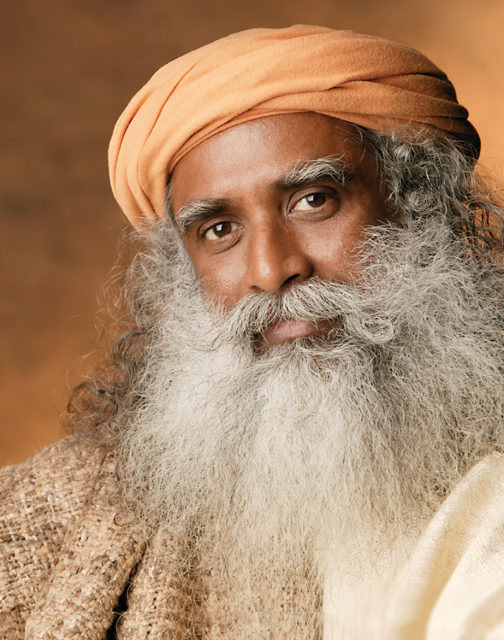
Sadhguru
Sadhguru
Nov 21, 2026
10 min read

From Sadhguru

A Ukrainian woman stands in a Basel auditorium and asks for help. Her father and brother are fighting to defend their country. Her brother, she says, wants to know how to calm the soul pain. The question hangs in the room—not as abstraction, but as the weight of living through war.

What follows is not comfort but diagnosis. The teacher does not offer a meditation for soldiers or a prayer for borders. Instead, he traces the problem backward: to a civilization that has cultured itself into permanent readiness for war, to a human psychology that mistakes the suffering of others for personal victory, to the specific silence around nuclear weapons now deployed in multiple conflict zones. The talk moves from the particular—a daughter's plea—to the structural, asking what it means to live in a world where trillions have been invested in the machinery of annihilation, and to live as if that investment carries no moral consequence.

Read · 8 sections

The Glory That Was Never There

The language of war carries a seduction. Victors speak of glory; the defeated vanish. But the teacher insists on stripping the word to its root. "There is no glory in war," he says. "There's only gory." The wordplay is not clever—it is precise. It points to what actually happens in conflict: the body, the blood, the irreversible damage to human tissue and human life.

This distinction matters because human civilization has spent millennia celebrating what should horrify it. Wars are remembered in epics, hymns, monuments. The victorious general becomes the statesman. The dead are numbers, margins, collateral. And crucially, this glorification is not marginal to conflict—it is its fuel. If war is ever to end, the celebration of it must end first. As long as a culture teaches its children that victory is beautiful, that the other side's suffering validates one's own side's righteousness, the machinery will keep grinding.

The teacher points to something specific: citizens everywhere, not in one country but across borders, celebrate when other people die. "When your leaders talk about decimating people, obliterating people, you must not agree with it if you are a human being." The moral threshold is not political—it is human. It applies regardless of which nation one belongs to, which side one's country occupies.

Why Nuclear Weapons Make This Moment Different

The talk escalates the urgency by naming something rarely acknowledged in day-to-day discourse: nuclear weapons are actively deployed in multiple current conflict zones. The teacher does not speculate about escalation or model scenarios. He states the fact plainly: we are close to their use. And he asks a question that cuts beneath policy: if trillions of dollars have been poured into weapons, do you imagine they exist merely for display? "You think they're keeping it as artwork or something?"

This is not paranoia. It is an observation about the logic of investment and incentive. When nations and arms manufacturers have sunk capital into weapons systems, the pressure to justify that investment—to use it, to test it, to demonstrate its necessity—becomes a force in itself. The weapons exist not in isolation but within a political and economic ecosystem that normalizes their existence and, over time, their use.

What makes the nuclear dimension distinct is that it has no precedent for containment. Previous wars, however brutal, remained regional or continental. Nuclear war would be neither. The teacher references the two World Wars of the European 20th century—wars so vast that Europeans called them world wars, though much of the actual world was excluded from that framing. Even so, those wars eventually ended. But if nuclear weapons are used, the teacher implies, there is no "after." No United Nations to form afterward. No European Union rising from the ashes. The ending would be different in kind.

The Unreported Wars and the Metric of Whose Suffering Counts

A major war is happening in Africa. It has killed over a million people. It receives minimal coverage in global media. The teacher names the reason directly: "Nobody reports the African war because they are black people." The statement is uncomfortable because it is true, and because acknowledging it requires confronting a hierarchy of human worth that persists even as modern societies claim to have transcended it.

This hierarchy is not incidental to war—it is foundational. If some deaths matter less, then some lives are worth less. If a million Africans die as collateral and the world moves on, it is because a prior decision has been made: that those deaths are tolerable. That math becomes easier to do when the people dying are distant, when they look different, when they have no seat at the table where world decisions are made.

The teacher's framing connects this unreported catastrophe to the larger human predicament he is describing. It is not enough to deplore war in general or to support one's own nation in a just cause. The question is whether humanity has built, at every level, an infrastructure of indifference—one where suffering is tolerated if it is not ours, where deaths are discounted if they occur in the wrong geography, where silence becomes complicity.

The Diamond and the Sports Car: Why We Are Raising Children for War

The teacher offers a parable: Shankaran Pillai, married in America, sits in a bar on his wedding anniversary, drinking with friends instead of going home. When asked why, he pulls out a diamond ring—expensive, beautiful—and explains it to his friends. His wife wanted a sports car, he admits. But he could not get her a fake Ferrari. He can, however, get her a fake diamond.

The story is funny until it is not. It illustrates a sickness bred into culture at every level: we value what we have not because it serves us or fulfills us, but because others cannot have it. The diamond's worth lies entirely in scarcity and exclusion. A properly cut piece of glass could look equally beautiful. But glass is common, so it is worthless.

This logic spreads far beyond jewelry. It becomes the foundation of how children are raised: "Your mother asks, are you first or second? She never asks how are the other children doing? She wants you to be first. That means everybody else should be underneath." From childhood onward, we are trained to believe that our flourishing requires others' diminishment. That our victory requires their defeat. That their suffering is the proof of our triumph.

How is this connected to war? It is the entire architecture. If a human being has been raised to believe that enjoyment comes from others' failure, that beauty exists only in what others cannot have, that worth is measured in relative standing rather than intrinsic value—then war becomes the natural expression of that psychology. War is what happens when an entire civilization raises itself on the principle that some must lose for others to win.

The European Union as Counterexample

After World War II—after brutality so severe that it created the category of "world war," after resources extracted from across the globe and human suffering on a scale that broke previous metrics—Europe did something remarkable. Nations that had fought each other for centuries, that had colonized and conquered and despised each other, agreed to open their borders. They formed the European Union. They chose, as the teacher says, to hold hands with the people they had hated most.

The teacher speaks of having tears in his eyes when this happened, not because it was emotionally moving in a sentimental way, but because it demonstrated something crucial: problems can be solved. They can be solved through partnership, through economic arrangement, through deliberate choice to see the former enemy as a future partner. And this is not naive—it is practical. The alternative to this form of cooperation is not peace; it is the repetition of the same cycle. As the teacher observes, within a few years of forming the European Union, the same dynamics that led to world wars began reasserting themselves. We are picking for a fight again. The machinery has not been shut down; it has only been dormant.

What Individual People Can Do

The teacher is realistic about the constraints on individual action. Wars are happening. Men die. Women and children suffer in ways most people cannot imagine. The person asking the original question—the Ukrainian woman whose family is at risk—is caught in a situation no individual chose and no individual can easily escape.

But there are specific, available choices. The first is refusal: do not celebrate others' suffering. Do not enjoy the news of the other side's casualties. Do not agree with your leaders when they talk of decimating or obliterating people. "If you are a human being," this choice applies regardless of nationality.

The second is recognition: understand that you are likely a victim of the same war you believe you are fighting. Soldiers are victims. Citizens are victims. Even the families of soldiers, even those who support the war effort—they too are caught in a system that profits from their sacrifice. The teacher does not say wars are never justified or that there are never situations where fighting seems like the only option. But he insists: "You don't have to enjoy somebody's annihilation." Even if war happens, even if it seems necessary, the moment you begin to celebrate the death of others, you have crossed into something that cannot be rationalized as self-defense. You have entered the realm of the sickness itself.

The Urgency at This Moment

The talk takes place against the backdrop of multiple active wars. Central Asia. West Asia. Africa. And the specific danger of nuclear weapons deployed across several of these zones. The teacher is not predicting the future. He is observing the present and asking what happens if the patterns continue unchecked.

The formation of the United Nations was supposed to prevent another world war. It did not. The formation of the European Union was supposed to make war in Europe impossible. And yet now, decades later, tensions are rising, military spending is accelerating, and the rhetoric is becoming sharper. The systems designed to prevent war have not prevented war; they have merely delayed it and displaced it. If nuclear weapons are introduced into these cycles, there will be no United Nations to form afterward, no institution to contain the damage.

This is why the teacher speaks to the Ukrainian woman not with prayers or comforts, but with this larger framing. Her brother's soul pain is real. His situation is impossible. But solving it requires more than meditation or spiritual technique. It requires a shift in how humanity thinks about conflict, about victory, about the value of human life itself.

Where to go from here

The immediate answer to the question "how do I calm my soul in war?" has no easy response. The pain is real because the situation is real. But the larger answer involves a commitment that most people can make: to refuse the narrative that war is glorious, that the suffering of others is a price worth paying, that relative standing matters more than collective survival. To resist the culture that raises children to believe others' diminishment is a form of success. To recognize that in a world with nuclear weapons, there is no distance safe enough to call oneself a spectator. What happens in Ukraine, Africa, Central Asia, or the Middle East happens in a system we all inhabit. The silence around it—the refusal to acknowledge the unreported wars, the unreported deaths—is not innocence. It is a choice. And it is a choice that can be unmade.

Comments

Loading the conversation…

Transcript

[0:05] We have this grows

[0:08] to nuclear weaponry being used

[0:11] in all the two three conflicts zones

[0:13] that are happening right now.

[0:19] Men die, women and children suffer in

[0:22] ways that you can't imagine

[0:24] but nobody reports the African war

[0:27] because they are black people.

[0:31] A million people die. It's collateral

[0:33] because we have 8.4 billion people. We

[0:35] can kill a million people.

[0:44] We have cultured

[0:46] a whole civilization always ready for

[0:48] war.

[0:51] Every country citizens celebrate when

[0:54] other people die.

[0:56] Stop that.

[1:00] When your leaders talk about

[1:03] decimating people, you must not agree

[1:06] with it.

[1:07] Two terrible European wars

[1:11] but within a few years

[1:13] you came up with the European Union.

[1:16] I had tears in my eyes.

[1:23] >> I am Annam

[1:24] and I am from Ukraine

[1:27] and I come here

[1:30] and my brother protects our motherland

[1:33] and my father protects our motherland.

[1:37] But my brother have a question

[1:40] and he say ask please our Sadguru

[1:44] um how to calm his soul pain?

[1:50] >> Say uh

[1:53] in a human society

[1:56] the worst possible situation that we can

[1:59] create Naturally,

[2:01] the worst possible situation that can

[2:03] happen or famines

[2:07] created by human beings, the worst worst

[2:09] possible thing is war

[2:12] always.

[2:15] But

[2:17] forever we've been glorifying wars.

[2:20] If I win the war, I said this was a

[2:23] great war.

[2:25] Glory.

[2:27] There is no glory in war. There's only

[2:29] gory.

[2:32] It's just a question of

[2:39] if you are down, I think it's glory. If

[2:42] I am down, you think it's glory.

[2:46] We've lost our humanity.

[2:49] Well, unfortunately, disagreements are

[2:52] there.

[2:53] Some conflicts may happen,

[2:56] but

[2:58] we have cultured

[2:59] a whole civilization always ready for

[3:02] war everywhere, not any one country,

[3:05] just everybody.

[3:08] So if it explodes somewhere,

[3:11] don't think it's an accident or

[3:12] something unfair happening. When people

[3:15] have invested trillions of dollars into

[3:17] armaments, you think they're not going

[3:20] to use it?

[3:21] Hello.

[3:24] You think they're keeping it as artwork

[3:26] or something?

[3:28] You think weaponry in the world is

[3:30] artwork? They're just showing it like

[3:32] this? No, they're showing it. One day we

[3:34] will fire at you.

[3:36] So when it comes to war, even if it's

[3:39] your own country,

[3:41] do not take sides because

[3:44] who is right, who is wrong? War is

[3:46] wrong.

[3:49] [applause]

[3:51] In a

[3:53] [applause]

[3:55] in a 21st century,

[3:59] we must have more civilized way of

[4:02] settling our

[4:04] this, you know, we have disagreements,

[4:07] we may have conflicts,

[4:09] but there are other ways to settle it.

[4:12] [clears throat] We give it give it up

[4:13] and go to war.

[4:16] Well,

[4:17] see,

[4:18] we are this close

[4:21] to nuclear weaponry being used

[4:24] in all the two three conflicts zones

[4:26] that are happening right now.

[4:29] If that begins,

[4:30] well, then you know it's all wrong.

[4:34] Even now it's wrong.

[4:36] Just because somebody else is dying

[4:39] doesn't mean it's right.

[4:41] But

[4:43] every citizen or every country citizen

[4:46] celebrate when other people die.

[4:49] Stop that.

[4:51] It doesn't matter which human being got

[4:54] killed and fortunately one who is

[4:57] fighting from this side believes he's

[4:59] doing the right thing. One who is

[5:01] fighting from that side also believes

[5:03] he's doing the right thing, isn't it?

[5:05] Hello.

[5:08] Isn't that the human problem?

[5:11] But who the hell cut this planet into

[5:14] like a birthday cake into so many

[5:16] pieces?

[5:17] Just a stupid line that you draw for

[5:20] administrative purposes, it's okay. It's

[5:22] not something to fight about.

[5:25] But I am talking up there

[5:28] the reality is they're fighting.

[5:31] So how do individual people handle this?

[5:35] Well,

[5:36] it's a cruel situation.

[5:38] Nobody should be

[5:40] in those situations.

[5:42] Men die, women and children suffer in

[5:44] ways that you can't imagine.

[5:47] Yes, they do.

[5:49] But

[5:51] when your leaders, anybody, whichever

[5:53] country you are from, when your leaders

[5:55] talk about

[5:57] decimating people, obliterating people,

[6:00] doing things,

[6:02] you must not agree with it if you are a

[6:04] human being.

[6:06] Hello.

[6:07] Whoever they are.

[6:09] [applause]

[6:11] Well,

[6:12] many times many times situation may be

[6:15] pushed to such a point, maybe there is

[6:18] no other option.

[6:19] Maybe.

[6:21] But still

[6:22] you don't have to enjoy somebody's

[6:26] annihilation.

[6:28] Unfortunately, if it is done for some

[6:30] reason,

[6:32] still you should not enjoy that. It

[6:34] cannot be. You can't be human

[6:36] by doing that.

[6:39] So individual people get caught in this,

[6:42] either as soldiers or citizens or

[6:46] where everybody is a victim of war.

[6:50] Well,

[6:51] I must tell you this that

[6:54] this part of the world, Europe,

[6:59] two major wars happened

[7:01] which are referred to as World War I and

[7:04] World War II

[7:05] because your idea of the world was just

[7:07] Europe.

[7:09] We were not fighting in India,

[7:11] but you told us it's world war.

[7:14] We have to say yes.

[7:19] [clears throat]

[7:21] So

[7:22] two terrible European wars

[7:25] which are referred to as world war where

[7:27] resource resources were taken from all

[7:30] over the world,

[7:32] brutal wars

[7:34] where people fought so bitterly.

[7:37] But within a few years

[7:40] you came up with the European Union.

[7:42] When it happened,

[7:43] I had tears in my eyes

[7:45] because

[7:46] this is not just an economic

[7:48] arrangement.

[7:49] For people with whom we you support so

[7:52] bitterly and hated them so much,

[7:55] today you willing to hold hands, open

[7:57] your borders to them. I thought this is

[7:58] fantastic.

[8:02] [applause]

[8:06] Because that's what that needed.

[8:09] Problems can be handled.

[8:12] By making partnerships, by making deals,

[8:14] by making

[8:15] economic arrangements.

[8:18] Everything, there's no problem is solved

[8:20] by either killing you or getting myself

[8:22] killed.

[8:24] Problems are not solved.

[8:26] You think it's over, but it's never over

[8:29] once you go for that kind of solution.

[8:32] But individual people are victims of war

[8:34] everywhere. It's happening.

[8:37] Major wars, one here between

[8:41] in the

[8:42] Central Asian region now that you

[8:44] mentioned

[8:45] and one in the West Asian region and a

[8:48] massive war in Africa going on. Nobody

[8:50] reports the African war because they are

[8:53] black people.

[8:58] [applause]

[9:02] So

[9:04] if we learn at least not to celebrate

[9:08] somebody else's suffering,

[9:12] this will be one good step towards our

[9:15] humanity. Hello.

[9:17] We may not be able to

[9:21] we may not be able to solve all the

[9:23] problems on the planet,

[9:25] but at least we should not celebrate

[9:28] other people's

[9:29] failures and sufferings.

[9:31] But unfortunately, we are curating a

[9:33] whole world based on this.

[9:37] See, if you go to school and come back

[9:39] home even when you are kindergarten or

[9:41] little more than that,

[9:43] your mother asks, are you first or

[9:45] second?

[9:49] She never asked how are the children

[9:50] other children doing?

[9:52] She wants you to be first.

[9:54] That means everybody else should be

[9:57] underneath.

[9:59] So from there it starts.

[10:03] Even now, most people's

[10:06] enjoyment is only other people's failure

[10:09] in the sense.

[10:11] See,

[10:14] if I give you a big diamond,

[10:22] this

[10:23] is the size of Kohinoor.

[10:26] If I give you a big diamond, you will

[10:28] put it on your head, you put it around

[10:30] your neck, you will put it everywhere

[10:32] and walk around.

[10:37] But

[10:41] why it is important? Oh, it's very

[10:43] beautiful. No, no.

[10:45] You can cut glass in such a way

[10:48] that it look far more beautiful than a

[10:50] diamond

[10:52] if it's cut properly.

[10:56] Diamond is valuable because all these

[10:58] people cannot have it. Only I can have

[10:59] it.

[11:02] My joy is that you can't have it.

[11:05] Sickness or no?

[11:08] This sickness is bred into the society

[11:11] at every level we're enjoying other

[11:13] people's failures.

[11:16] How is this connected to war? It's all

[11:18] connected

[11:19] because we're in that kind of mental

[11:22] state that we enjoy other people's

[11:24] failures.

[11:26] This happened.

[11:28] Shankaran Pillai

[11:30] was married in America

[11:33] and

[11:36] one day the third anniversary of their

[11:38] wedding

[11:40] he

[11:43] bought a huge

[11:44] diamond ring for his wife.

[11:47] So he's sitting in the bar with his

[11:49] friends and that day is anniversary, but

[11:51] he wants to go home late.

[11:53] So he was drinking and

[11:55] his friend asked

[11:58] it's your wedding anniversary, isn't it?

[12:00] Shouldn't you be home?

[12:01] And no problem. Look at this and he

[12:03] pulled out a diamond ring and said I got

[12:05] a ring for her. She'll be okay.

[12:10] Oh, really? It's It's expensive thing.

[12:12] You're spending so much for your

[12:13] anniversary. Yeah.

[12:15] But

[12:17] she wanted

[12:19] a sports car, isn't it? Not a diamond

[12:21] ring. She wanted a sports car.

[12:23] He said, yeah, but where do I get a fake

[12:25] Ferrari?

[12:32] So

[12:34] I know it's an emotional moment

[12:37] for you.

[12:39] But

[12:40] this is the problem of a larger humanity

[12:42] itself.

[12:44] There is no individual solution.

[12:48] We need to address it as a humanity.

[12:51] Otherwise, these things will repeat

[12:52] themselves.

[12:54] After World War II, we formed United

[12:57] Nations. We did European Union. We

[13:00] thought we will never fight again.

[13:02] Oh, we are at it.

[13:05] We are at it. We are picking for a fight

[13:07] right now.

[13:09] It may explode all over if you don't

[13:11] handle it right.

[13:16] So very very important

[13:19] individual suffering

[13:21] becomes

[13:23] what they call it?

[13:27] What is it? It's incidental, but what do

[13:28] they call it?

[13:30] In a war, if somebody gets killed on the

[13:32] side

[13:34] collateral.

[13:36] It's collateral.

[13:38] A million people die. It's collateral

[13:40] because we have 8.4 billion people. We

[13:42] can kill a million people.

[13:45] This is how it's become. This is our

[13:47] thinking.

[13:49] When our thinking is like this, how else

[13:52] will our actions be?

[13:54] The way we think is the way we do things

[13:55] in the world, isn't it?

[13:58] So I'm extremely sorry for the situation

[14:01] that your country and people are in.

[14:04] But

[14:09] it's not

[14:11] not a situation that you or me can find

[14:14] solution to away.

[14:16] But

[14:17] if because we are democratic nations,

[14:21] if we have a strong will and express

[14:23] that,

[14:24] the governments cannot go beyond that.

Sadhguru

Sadhguru

Artist

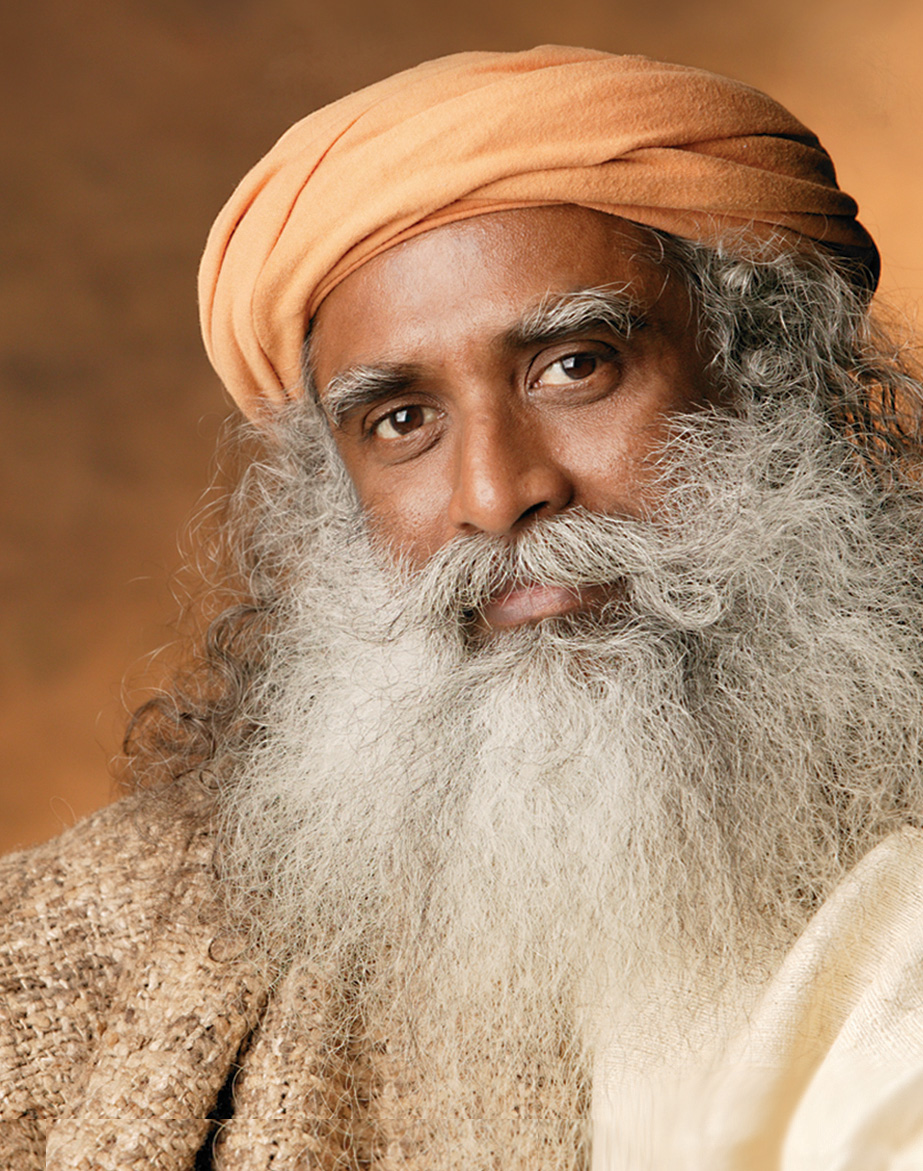
Indian yogi, mystic, and founder of the Isha Foundation. Through his programs (Inner Engineering, Bhava Spandana, Samyama) and books, he has introduced millions worldwide to a contemporary, intensely practical approach to yoga and inner transformation. His Save Soil and Conscious Planet campaigns extend his teaching into ecological action.

View profile
Explore Topics
War conflictNuclear weaponsConsciousnessHuman sufferingPeace building
Frequently Asked Questions

Frequently Asked Questions

The teacher argues that while disagreements and conflicts are real, war itself is always wrong—not because one side may be unjustified, but because war is inherently destructive. Rather than choosing sides, the focus should be on refusing to celebrate others' suffering and resisting narratives that glorify conflict, regardless of which nation or ideology one supports.

The teacher emphasizes that nuclear weapons are now actively deployed across multiple conflict zones. He notes that when trillions of dollars have been invested in weaponry, the pressure to justify and potentially use it becomes a force in itself. Unlike previous wars, nuclear conflict would have no containable aftermath—no United Nations or institution could emerge to rebuild.

He's pointing out that war's reality is blood, death, and irreversible human damage—not honor or heroism. Civilizations have glorified war through epic narratives and monuments, but this celebration masks the actual suffering involved. As long as culture teaches that victory is beautiful, the machinery of war continues to operate.

Over a million people have died in the African conflict, yet it receives minimal global media coverage. The teacher directly connects this silence to a hierarchy of human worth built into media and global attention—deaths matter less when they occur in regions and among populations that occupy lower positions in this hierarchy.

The teacher argues that cultures raise children to compete for relative standing ('Be first') rather than asking about others' wellbeing. This creates an underlying psychology where joy comes from others' failure and where exclusivity matters more than intrinsic value. This mindset becomes the foundation for justifying war and celebrating enemies' suffering.

The teacher offers specific, available choices: refuse to celebrate others' suffering, do not agree when leaders talk of decimating people, recognize that you are also a victim of war's systems. While individuals cannot stop wars alone, they can refuse to participate in the culture that glorifies them and can resist the silence around unreported conflicts.

After World War II, Europe formed the EU as a partnership between former enemies—a demonstration that problems can be solved through cooperation rather than conflict. However, the underlying machinery of war has not been shut down, only temporarily contained. Tensions are rising again, suggesting that institutions alone cannot prevent war without shifts in how humanity thinks about conflict and victory.
You might also like

View All
Logic Cannot Explain Life: Why Thinking Limits Understanding
Inspire

Logic Cannot Explain Life: Why Thinking Limits Understanding

Logic opens what can be opened, but cannot sense what is already in the open. Sadhguru explores why extending rational thought to all of lif…

9 min read
Never Meditated? Here's Why Your Inexperience Is Your Greatest Asset
Inspire

Never Meditated? Here's Why Your Inexperience Is Your Greatest Asset

Meditation requires no prior experience or talent—only willingness. The real obstacle isn't starting; it's the illusion of becoming an "expe…

5 min read
Sacred Feminine Power: Chanting Devi Beyond the Mat
Inspire

Sacred Feminine Power: Chanting Devi Beyond the Mat

An in-person gathering in Bengaluru merges ancient devotional chanting with modern psychotherapy to explore how the Goddess archetype illumi…

8 min read
Work Isn't Your Spiritual Problem—Attachment Is
Inspire

Work Isn't Your Spiritual Problem—Attachment Is

The Bhagavad Gita teaches that career and ambition aren't obstacles to spirituality—attachment, ego, and ownership are what bind us.…

2 min read
See allYou might also like→

Continue your journey

More wisdom and gatherings from across the BrightStar directory.

More Articles

Browse the full library of teachings, interviews, and guides.

Back to all articles →

Teachers & Artists

Explore the lineages, musicians, and guides of the conscious world.

Explore artists →

Find an Event

Kirtan, retreats, sound baths, breathwork, festivals — happening soon.

Browse events →