BrightStar

Browse All Events

Discover conscious gatherings

events

Yoga
Meditation
Breathwork
Qigong
Tai Chi
Sacred Music
World Music
Medicine Music
Sound Healing
Ecstatic Dance
Popular Destinations
BaliSedonaLos AngelesCosta RicaNew YorkSan FranciscoAustinMiamiJoshua TreeTulum
View All CategoriesView All Destinations

Explore All Features

Powerful tools to grow your events

Platform Features

Smart Dynamic Pricing
Ticket Categories
Assigned Seating
Abandoned Cart Recovery
Visitor Recovery
Donations & Sliding Scale
Affiliate Engine
Ticket Scanner
Coupon Codes
Custom Questions
Ticket Sharing
Upsells & Add-ons
Analytics & Reporting
Email Sequences
Waitlist / Notify / Remind
People & Places
Artists & TeachersEvent OrganizersVenues & StudiosKnowledge BaseGlossaryInspiration
View All FeaturesAbout Us
PricingBlog
Browse All Events

events

YogaMeditationBreathworkQigongTai ChiSacred MusicWorld MusicMedicine Music

Popular Destinations

BaliSedonaLos AngelesCosta RicaNew YorkSan Francisco

People & Places

Artists & TeachersEvent OrganizersVenues & StudiosKnowledge BaseGlossaryInspiration

Platform Features

Smart Dynamic PricingTicket CategoriesAssigned SeatingAbandoned Cart RecoveryVisitor RecoveryDonations & Sliding ScaleAffiliate EngineTicket ScannerCoupon CodesCustom QuestionsTicket SharingUpsells & Add-onsAnalytics & ReportingEmail SequencesWaitlist / Notify / Remind
View All FeaturesAbout Us
PricingBlog
Log inFind EventsHost Events
Tibetan BuddhistOm Mani Padme Hum · Om Mani Padme Hum · Om Mani Padme Hum · Om Mani Padme Hum · Om Mani Padme Hum ·
  • Browse All Events
  • For Seekers
  • Yoga
  • Meditation
  • Breathwork
  • Qigong
  • Tai Chi
  • Sacred Music
  • Retreats
  • Workshops
  • All Categories →
  • Bali
  • Sedona
  • Los Angeles
  • Costa Rica
  • Tulum
  • Byron Bay
  • San Francisco
  • Austin
  • All Cities →
  • For Creators
  • For Teams
  • For Writers
  • For Teachers
  • For Kirtan Artists
  • For Studios
  • For Festivals
  • For Retreat Centers
  • For Nonprofits
  • Brand Ambassador
  • Case Studies
  • Seva
  • Elevate
  • Amplify
  • 350K+ Buyer Network
  • Abandoned Cart Recovery
  • Smart Dynamic Pricing
  • Ticket Categories
  • Recurring Events
  • Assigned Seating
  • Affiliate Engine
  • Waitlist / Notify
  • Ticket Scanner
  • Embed Widget
  • Event Syndication
  • Message Center
  • Integrations
  • Reports
  • All Features →
  • About
  • The Ecosystem
  • Blog
  • Glossary
  • Inspiration
  • Help Center
  • Contact
  • API Docs
  • Brand Assets
  • Careers
  • Press
  • Terms of Service
  • Privacy Policy

Events

  • Browse All Events
  • For Seekers
  • Yoga
  • Meditation
  • Breathwork
  • Qigong
  • Tai Chi
  • Sacred Music
  • Retreats
  • Workshops
  • All Categories →

Destinations

  • Bali
  • Sedona
  • Los Angeles
  • Costa Rica
  • Tulum
  • Byron Bay
  • San Francisco
  • Austin
  • All Cities →

For Creators

  • For Creators
  • For Teams
  • For Writers
  • For Teachers
  • For Kirtan Artists
  • For Studios
  • For Festivals
  • For Retreat Centers
  • For Nonprofits
  • Brand Ambassador
  • Case Studies
  • Seva
  • Elevate
  • Amplify

Features

  • 350K+ Buyer Network
  • Abandoned Cart Recovery
  • Smart Dynamic Pricing
  • Ticket Categories
  • Recurring Events
  • Assigned Seating
  • Affiliate Engine
  • Waitlist / Notify
  • Ticket Scanner
  • Embed Widget
  • Event Syndication
  • Message Center
  • Integrations
  • Reports
  • All Features →

Company

  • About
  • The Ecosystem
  • Blog
  • Glossary
  • Inspiration
  • Help Center
  • Contact
  • API Docs
  • Brand Assets
  • Careers
  • Press
  • Terms of Service
  • Privacy Policy
BrightStar
© 2026 BrightStar. All rights reserved.
Back to Michael Beckwith
Michael Beckwith's Teaching: Approach, Method, and Voice
Teaching

Michael Beckwith's Teaching: Approach, Method, and Voice

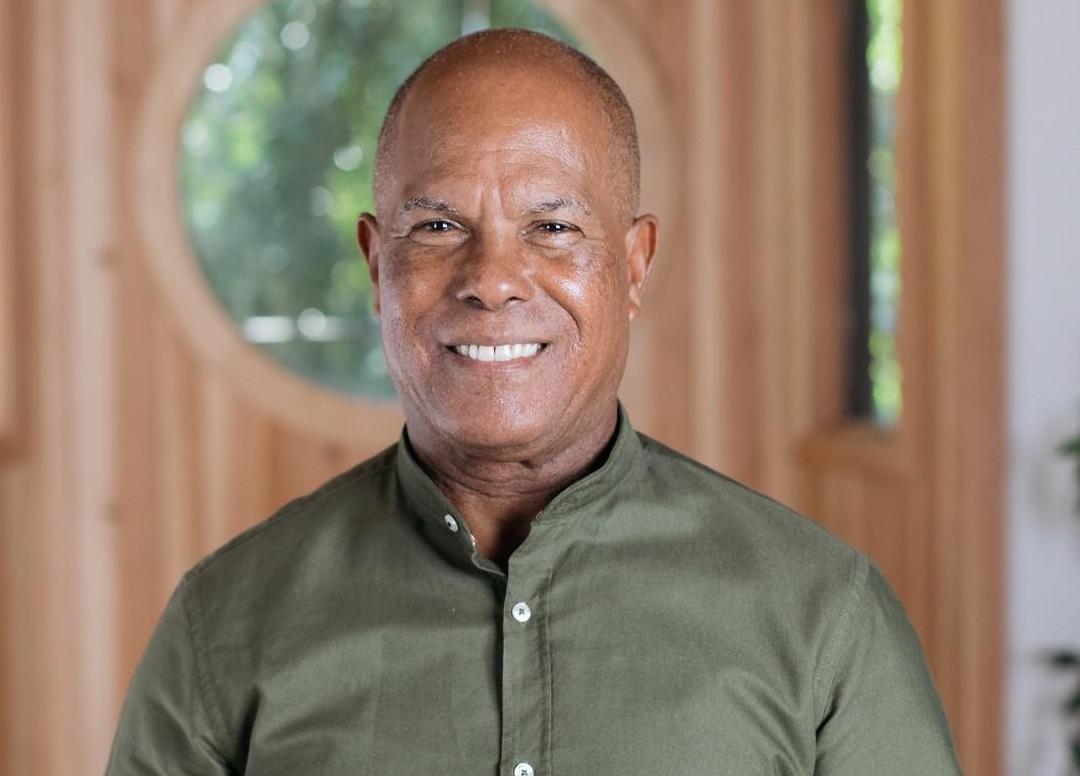
Michael Bernard Beckwith's teaching unfolds less as lecture and more as orchestrated encounter. A typical Sunday morning at Agape International Spiritual Center—his Los Angeles congregation—begins not with announcements or hymns but with silence.

Michael Beckwith
Michael Beckwith
Jul 18, 2026
3 min read
Read · 1 sections

Michael Beckwith's Teaching: Approach, Method, and Voice

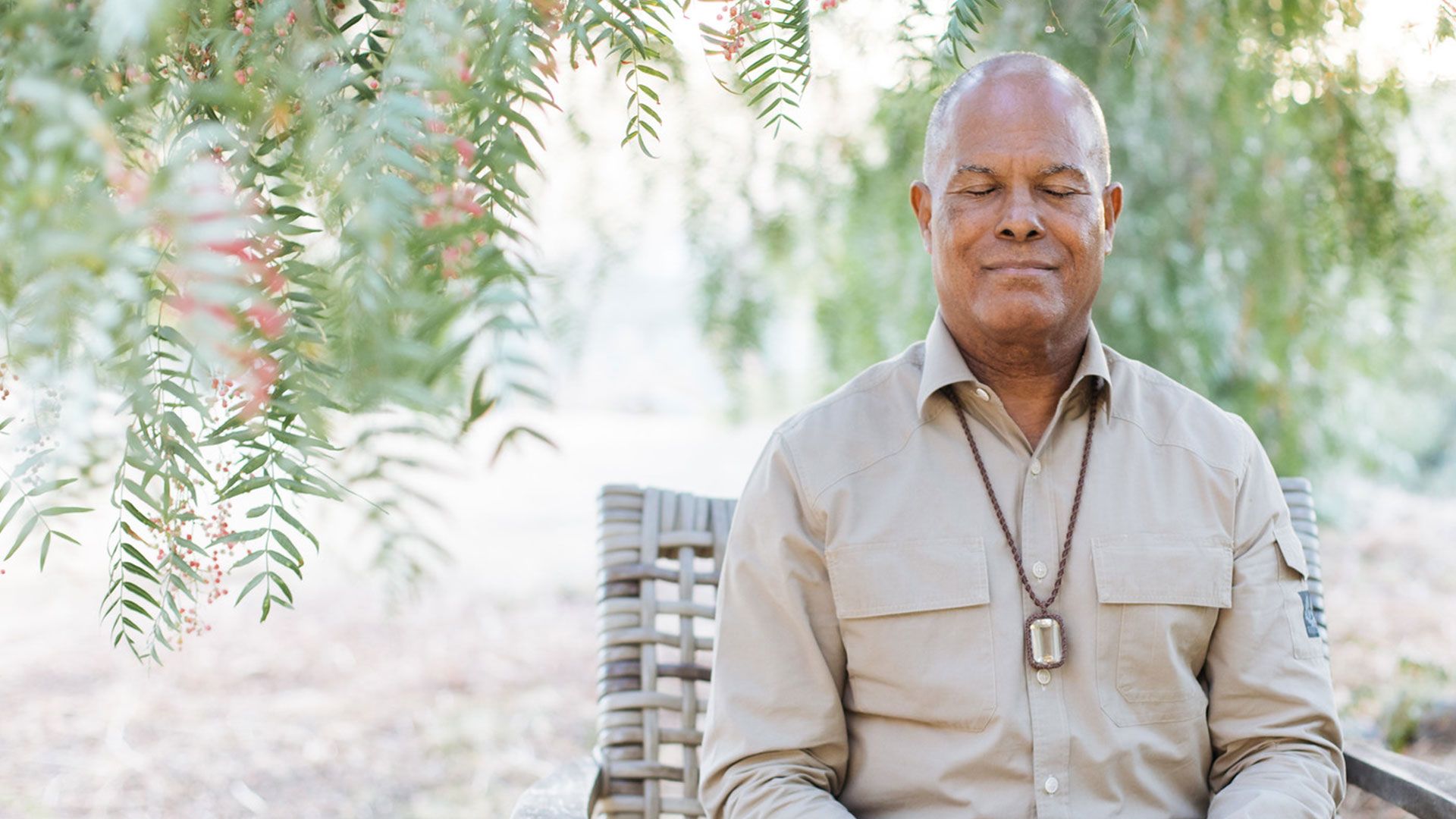
Michael Bernard Beckwith's teaching unfolds less as lecture and more as orchestrated encounter. A typical Sunday morning at Agape International Spiritual Center—his Los Angeles congregation—begins not with announcements or hymns but with silence. Then music, often live, often soaring. Then Beckwith himself, moving through guided meditation before landing in what he calls "the teaching." The session runs long by most church standards, sometimes two hours, and the structure is deliberate: settle the body, quiet the mind, then introduce the idea. It's a sequence borrowed from his New Thought roots but executed with the production value of a TED stage and the spiritual earnestness of a Vedanta hall.

Retreats intensify this rhythm. Multi-day gatherings emphasize repetition—same meditative entry, same scaffolding of silence and sound, but with added layers of journaling prompts, partner exercises, and what Beckwith calls "visioning practice." This is his signature method: a structured meditation in which participants ask four questions of their own consciousness, listening for answers that arise not from reasoning but from what he describes as "the field of emergence." The questions are consistent: What is seeking to emerge through me? What must I become? What must I release? What is my next step? The assumption beneath them is that transformation is already underway, that consciousness precedes circumstance, and that the practitioner's role is not to force but to attune.

Beckwith returns again and again to a handful of themes. Consciousness comes first—not as metaphor but as metaphysical claim. He teaches that shifting awareness shifts reality, and that personal change cannot be separated from collective evolution. Forgiveness occupies central real estate in his instruction, though not forgiveness as moral nicety. For Beckwith, forgiveness is a technology: a method for releasing energetic attachment to old narratives. He also revisits the language of "manifesting potential," though he's careful to distinguish his approach from prosperity gospel wish-fulfillment. His version insists on alignment, on inner work preceding outer result, on becoming the consciousness that matches the life one seeks.

The questions he pushes students to sit with are uncomfortable in their simplicity. "What are you available for?" "What is your life asking of you?" "What would love do now?" They sound soft, but they function as precision instruments. They're designed to interrupt the automaticity of reactive living and reorient attention toward agency and presence. Beckwith doesn't let people off easily with these. He'll circle back, ask again, press for specificity.

His delivery is polished, affirmative, and rhythmic. Beckwith employs a cadence familiar to anyone raised in Black preaching traditions—call and response, rhetorical buildup, moments of vocal crescendo—but he tempers it with contemplative pauses and sustained quiet. Humor arrives in flashes, self-deprecating and situational, never schtick. He draws from scripture eclectically: the Bhagavad Gita, the Gospel of John, the Tao Te Ching, Ernest Holmes. Stories tend toward the personal or the parabolic, rarely the anecdotal. Music is not ornamental but structural; the aesthetic is lush, aspirational, emotionally direct without being manipulative.

Beckwith's teaching lands best for those who want spiritual practice embedded in contemporary language, who are comfortable with metaphysical claims, and who resonate with optimism grounded in discipline rather than denial. It works for people seeking community that doesn't demand doctrinal conformity, and for those who appreciate beauty—musical, visual, rhetorical—as part of the path. It will likely bounce off anyone allergic to the language of manifestation, skeptical of New Thought metaphysics, or uncomfortable with charismatic leadership. His teaching also assumes a baseline openness to inner work and a tolerance for repetition; the same frameworks appear across talks, books, and retreats.

He belongs firmly to the New Thought tradition, descending directly from the lineage of Ernest Holmes and Science of Mind, with threads reaching back to Emerson and the Transcendentalists. But Beckwith has stretched that tradition toward greater multicultural and interfaith inclusion, weaving in Buddhist mindfulness, Vedantic non-dualism, and social justice language uncommon in earlier iterations of the movement. His voice is distinctly his own—less metaphysical abstraction, more embodied practice; less isolated self-improvement, more collective awakening. He occupies a rare space: accessible enough for spiritual seekers new to meditation, rigorous enough for longtime practitioners, and culturally fluent enough to hold a genuinely diverse room. The teaching doesn't transcend its tradition so much as deepen and widen it.
Michael Beckwith
AboutMichael Beckwith

Michael B. Beckwith is a spiritual teacher and founder of Agape International Spiritual Center in Los Angeles, where he leads weekly services and teaches a practice he calls "Consc…

View profileWebsite

Continue Reading

More about Michael Beckwith

View All
Who Is Michael Beckwith? Life, Work, and Legacy
Article

Who Is Michael Beckwith? Life, Work, and Legacy

Where to Start with Michael Beckwith: A Beginner's Guide
Article

Where to Start with Michael Beckwith: A Beginner's Guide

Keep exploring

Continue your journey

More wisdom and gatherings from across the BrightStar directory.

More Articles

Browse the full library of teachings, interviews, and guides.

Back to all articles →

Teachers & Artists

Explore the lineages, musicians, and guides of the conscious world.

Explore artists →

Find an Event

Kirtan, retreats, sound baths, breathwork, festivals — happening soon.

Browse events →