

Spiritual Unfoldment with John Butler
Meditation Teacher
About
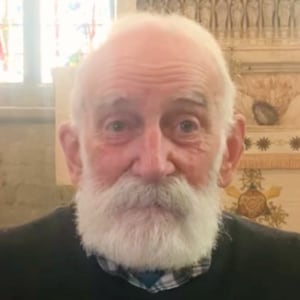
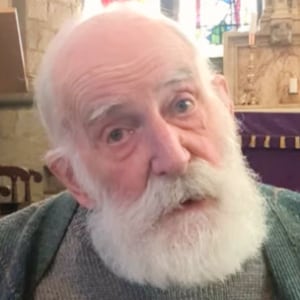
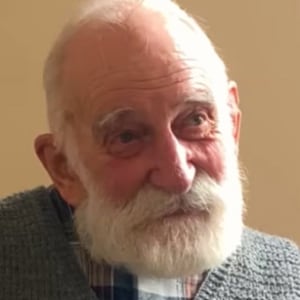
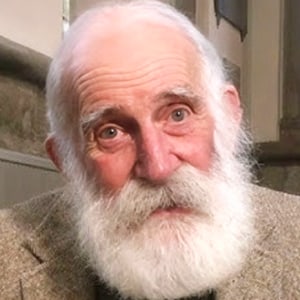
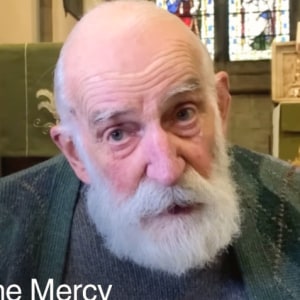
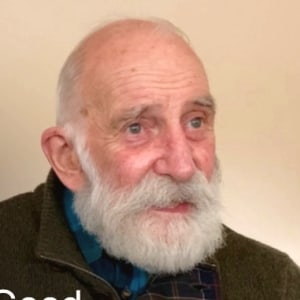
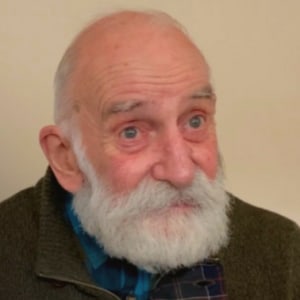
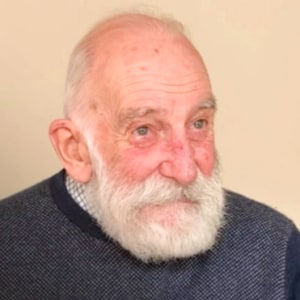
John Butler is a quiet, soft-spoken meditation teacher who became known in the 1970s as one of the first organic farmers. He has practised meditation throughout his life, and his YouTube channel describes more than 50 years of practice.
John Butler is a quiet, soft-spoken meditation teacher who became known in the 1970s as one of the first organic farmers. He has practised meditation throughout his life, and his YouTube channel describes more than 50 years of practice.
Brought up with Christianity and familiar with it, John follows no particular teaching. He speaks entirely from his own experience, using examples from nature and simple common sense. His invitation is plain: "Feel your feet on the ground – listen and look." Practised with attention, this brings the mind to rest in silence, which may expand into stillness or peace, spaciousness, freedom and an abiding sense of spiritual presence.
At the age of 79 he was recommended to ConsciousTV, a YouTube channel focused on people with experience of higher consciousness. He was unwilling at first to face publicity, but he was persuaded to be interviewed, and the interview became the channel's most popular item. Phil Shankland then came to know him, and together they began making their own videos. These grew into the Spiritual Unfoldment YouTube channel, where John answers questions arising from his books and from viewers. Some listeners know him for what they call an unintentional ASMR voice, and many say they came for the voice but stayed for the wisdom.
John's life has also included farming, long periods in Peru, Africa and the USA, and several years in Russia. He has written ten books, nine of them published, beginning with Wonders of Spiritual Unfoldment in 2008. He also leads residential retreats built around shared silence, informal talks, walks in nature and time simply with him.
FAQ
Questions
John Butler is a British meditation teacher and author who became known in the 1970s as one of the country’s first organic farmers, and he has practised meditation for more than fifty years by his own account on his YouTube channel. He follows no particular teaching and speaks entirely from his own experience, using examples from nature and plain common sense rather than doctrine. His core invitation is simple: feel your feet on the ground, listen and look, and let the mind come to rest in silence. His reach came through an unlikely route. At 79 he was recommended to ConsciousTV, and although he was reluctant to face publicity, his interview became that channel’s most popular item. Phil Shankland then came to know him, and together they built the Spiritual Unfoldment YouTube channel, where John answers questions arising from his books and from viewers. Some listeners describe his voice as an unintentional ASMR, and many say they came for the voice but stayed for the wisdom.
His work does not sit inside a named lineage, and that is deliberate. He was brought up with Christianity and is familiar with it, but he states that he follows no particular teaching and draws only on what he has lived. The closest honest description is a plain-speaking, experience-first contemplative approach centred on silent meditation and spiritual presence, rather than a school with defined stages or a chain of named teachers. Practitioners who want a traceable transmission or scriptural citation will not find it here. The influences that shape his voice are concrete and biographical: decades of farming, long periods in Peru, Africa and the USA, several years in Russia, and a lifetime of practice. Newcomers often read this absence of lineage as a limitation at first, then find that his refusal to borrow authority is precisely what makes his talks feel direct.
For most newcomers the most accessible entry point is the ConsciousTV interview, which was the channel’s most popular item and shows John speaking in his own register before any of his teaching is framed by questions. From there, the Spiritual Unfoldment YouTube channel offers his answers to viewers, which tend to be more concrete than abstract treatises. For reading, his first book, Wonders of Spiritual Unfoldment from 2008, is the earliest title in the record and a natural starting point for the ideas he expands on in video. Before any of that, many students try his core instruction for a few minutes: sit, attend to the feet on the ground, listen and look. The practice itself is the clearest test of whether his plain approach suits you. Starting with a dense album or a long catalogue would be less useful than beginning with the spoken material.
Most meditation teachers work inside a named tradition with its own vocabulary, technique and lineage, while John deliberately works outside one. He is an organic farmer by background, so his examples come from soil, weather, seasons and walking rather than from scripture or monastic life. His stated method is attention to the body and senses, and he frames stillness as something that can open into peace, spaciousness, freedom and a lasting sense of spiritual presence. His voice is a large part of what sets him apart, with listeners describing it as an unintentional ASMR that carries calm even before the content lands. His retreats are residential and built around shared silence, informal talks, nature walks and simple time with him rather than structured programmes. Many teachers in this space are ornate in their presentation; his is restrained, practical and deliberately unremarkable in tone.
His work is poorly suited to anyone who wants a structured method with graded stages, named techniques or a formal curriculum, because he speaks from experience and does not organise teaching into systems. Readers who want traditional doctrine, scriptural exegesis or a clear lineage of authorised teachers will find his plain, self-referenced approach frustrating. Listeners seeking energetic, upbeat or high-stimulation content should look elsewhere, since the pacing across his talks and the spoken-word character of much of his material is slow and quiet by design. People expecting a dense, glossy production sensibility may be surprised by how unpolished the video format is, which is itself part of its appeal for others. His retreats also demand the willingness to spend extended time in silence, which some newcomers find difficult before they find it rewarding. The work rewards patience and tends to disappoint anyone looking for quick results or theatrical spirituality.
The most reliable place to track new material is the artist’s Spotify page, which currently lists 20 albums, with the most recent being Love Yourself, released on 6 February 2026. The Spiritual Unfoldment YouTube channel is the main venue for new videos and answers to viewer questions, and it is where John and Phil Shankland have been publishing since the ConsciousTV collaboration. Retreat and event information is held on the official site at spiritualunfoldment.co.uk, which is the best place to check for residential retreat dates. Our crawl of upcoming events returned no dated listings at the time of writing, so there is no current tour schedule to report. Following the artist on Spotify and subscribing to the YouTube channel is the simplest way to catch releases without relying on third-party event listings.
The themes that recur most consistently are silence, stillness, rest, attention and presence, which together describe the mind settling when it stops reaching for something else. His invitation to feel your feet on the ground and listen and look anchors these ideas in the physical senses, so the teaching is grounded rather than abstract. Many of his album titles carry the same vocabulary, including Feeling Safe Being Silent, Punctuate Your Day With Stillness, Provide The Rest, Love Above Law and All Things Are Possible, which signals how central these words are to his thinking. Common sense and everyday experience are repeatedly used as the test of any idea, so claims that cannot be checked against lived practice tend to be set aside. Nature appears constantly as a teacher, drawn from his decades of farming. Love and freedom appear as outcomes of settled attention rather than as things to be pursued through belief.
His residential retreats are built around shared silence, informal talks, walks in nature and time simply spent with him, so the rhythm is closer to a quiet gathering than to a workshop. There is little ritual or theatre; sessions tend to be unhurried, with John speaking from experience and answering whatever arises in the room. Newcomers often find the first hours of silence uncomfortable, and the teaching suggests this discomfort is part of the process of the mind settling. Walks outdoors keep the emphasis on the body and senses that anchor his approach. Students who return often describe the time as less about receiving instruction and more about sharing a quiet space with someone who has practised for decades. The data we hold does not include a fixed schedule, pricing or venue details, so prospective attendees should confirm these directly with the organisers.
Yes, and this is where most of his teaching is accessible. The Spiritual Unfoldment YouTube channel, which grew out of John’s collaboration with Phil Shankland, is built around John answering questions that arise from his books and from viewers. The format means each video stands on its own, so students can work through topics as they arise rather than following a fixed sequence. The ConsciousTV interview remains the channel’s most-watched entry point and is a useful first listen. Because he speaks from his own experience rather than from a doctrine, the talks reward repeated listening and small, personal experiments with the practice. There is no published course structure in our data, so independent study means choosing videos by the questions that matter most to you, then testing the instructions in daily silence.
John has written ten books, nine of them published, and the earliest is Wonders of Spiritual Unfoldment from 2008, which is the only title named in our current data. The book list is otherwise incomplete here, and the author’s website at spiritualunfoldment.co.uk is the best source for the full bibliography and current availability. Because the YouTube channel answers questions arising from his books, the titles function as the foundation for much of the video material. Readers should expect the books to share the plain, experience-led voice of the talks rather than an academic or doctrinal framing. Wonders of Spiritual Unfoldment is the most defensible starting point while the complete list is confirmed. Anyone looking for a single definitive book should note that the catalogue is substantial and that the earlier titles were written before the video collaboration began.


Is this you? Claim this page ›
There's more where this came from.
BrightStar is the global directory of artists, teachers, and healers in the wellness and spiritual movement. Find your next experience — or add yourself.
Discover More Artists
Browse 14,000+ curated profiles across kirtan, yoga, meditation, and beyond.
Explore directory →Find an Event Near You
Kirtan, retreats, sound baths, breathwork, ceremonies — happening this week.
Browse events →Add Your Profile
Are you an artist, teacher, or healer? Get listed — free, AI-assisted, live in minutes.
Get started →