

Didge Therapy
Didgeridoo Musician
About
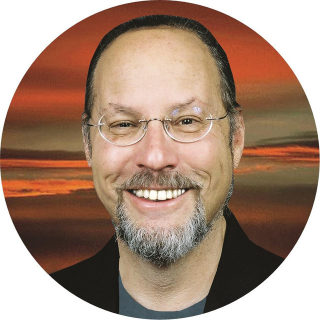
Didge Therapy is the didgeridoo sound therapy practice of Joseph B. Carringer, a professional didgeridoo musician and sound therapist with over 25 years of playing experience. He describes didgeridoo sound therapy as a holistic health modality that uses meditation and intention to support the mind, body and spirit.
Didge Therapy is the didgeridoo sound therapy practice of Joseph B. Carringer, a professional didgeridoo musician and sound therapist with over 25 years of playing experience. He describes didgeridoo sound therapy as a holistic health modality that uses meditation and intention to support the mind, body and spirit.
In his sessions he uses concert class didgeridoos and combines Traditional Chinese Medicine organ and meridian theory with Ayurvedic chakra philosophy. The work centres on three levels: infrasound as a "no touch sound massage", the clearing of emotional and energetic stagnation, and meditation and mind-body healing.
Joseph presents and performs nationally and internationally for wellness seekers and for medical and holistic professionals. He has presented his work as an integrative wellness modality at Maine Medical Center, Wentworth Douglas Hospital and UPMC. He has also given programs and lectures at Syracuse University, Rivier University, the University of New Hampshire, the University of New England, various grade schools and the New Hampshire Library Association. His work has taken him to places from the jungles of Peru to the beaches of Jamaica.
Early in his career he worked alongside acupuncturists, chiropractors, massage therapists, integrative gynecologists and holistic nurses, which he describes as a well-rounded holistic health apprenticeship. In 2004 he was invited to be a founding board member of the New England Holistic Health Association, where he served for ten years and held multiple terms as president. He is a former board and advisory board member of the Electronic Music Alliance.
Joseph is a Syracuse University graduate with a BA in Creative Leadership/Liberal Studies and an MPS in Professional Project Management. His aim is to help people realign their bodies' natural rhythms on a cellular level.
FAQ
Questions
Didge Therapy is the didgeridoo sound therapy practice of Joseph B. Carringer, a professional didgeridoo musician and sound therapist with more than 25 years of playing behind him. He describes didgeridoo sound therapy as a holistic health modality that uses meditation and intention to support mind, body and spirit, which places it closer to integrative health practice than to concert performance. The distinctive combination is Traditional Chinese Medicine organ and meridian theory paired with Ayurvedic chakra philosophy, delivered through low-frequency sound rather than talk or touch. Wellness seekers come for the sessions, while medical and holistic professionals have invited him to present the method in their own institutions. The practice is best understood as a working method rather than a catalogue of recordings, and the available profile data documents the sessions, presentations and teaching more fully than any published discography. Newcomers should expect a clinician-minded framework with a performer's ear for resonance.
Didge Therapy sits within the integrative holistic health tradition rather than within a single named didgeridoo school. The instrument itself comes from Indigenous Australian musical traditions, but the profile does not name a teacher from that lineage, so it would be inaccurate to present Joseph Carringer as a student of one. What the profile does document is a practical apprenticeship in complementary and clinical settings. Early in his career he worked alongside acupuncturists, chiropractors, massage therapists, integrative gynecologists and holistic nurses, which he describes as a well-rounded holistic health apprenticeship. The method draws its vocabulary from Traditional Chinese Medicine organ and meridian theory and from Ayurvedic chakra philosophy, two systems whose ideas about energy and rhythm shape how sessions are framed. In 2004 he was invited to be a founding board member of the New England Holistic Health Association, serving ten years with multiple terms as president, which anchors the practice in a regional professional community. Students of this work should read it as an integrative modality shaped by those professional relationships rather than as a transmitted musical lineage.
A newcomer should start with the official website at didgetherapy.com, which is the most direct source for the practice's own description of its methods. The Spotify artist page and the YouTube channel are the other two public entry points listed in the profile, and the YouTube channel is the more useful of the two for hearing how the instrument sounds in a non-studio context. Because no published album list or book catalogue is on file, the first listen is more likely to be a video or a live session than a full record. Read the bio's three levels before watching anything: infrasound as a no touch sound massage, the clearing of emotional and energetic stagnation, and meditation with mind-body healing. Those three ideas explain most of what happens on screen, including why the playing is slow, sustained and low in register. If a live session or presentation is available nearby, attending one is the most direct way to understand the work, since the method is built around the room and the listener's body. The profile does not list specific beginner recordings, so the honest starting point is the material the practitioner has published about the approach itself.
Most didgeridoo musicians are known for performance, rhythm and the instrument's drone as an art form, while Didge Therapy is defined by its clinical presentation record and its use of the instrument as a therapeutic tool. Joseph Carringer has presented the work as an integrative wellness modality at Maine Medical Center, Wentworth Douglas Hospital and UPMC, which is an unusual footprint for a didgeridoo player. He has also given programs and lectures at Syracuse University, Rivier University, the University of New Hampshire, the University of New England, various grade schools and the New Hampshire Library Association. The conceptual framework is distinctive as well, because he combines Traditional Chinese Medicine organ and meridian theory with Ayurvedic chakra philosophy in one session model. The method uses concert class didgeridoos and frames low-frequency infrasound as a no touch sound massage. His academic background supports this positioning: he holds a BA in Creative Leadership/Liberal Studies from Syracuse University and an MPS in Professional Project Management. The result is a practice that reads more like an integrative health program with a musical core than like a didgeridoo recording project.
Didge Therapy will not suit listeners who want a conventional album of didgeridoo performance with melody, rhythm, or the instrument as a showcase for virtuosity. The sessions are built around sustained low-frequency tones and meditation, so people looking for high-energy or danceable sound will find the pacing slow. Skeptics of energy-based frameworks will find the method's foundation difficult to accept, since it relies on Traditional Chinese Medicine meridian theory and Ayurvedic chakra philosophy as its organizing ideas. Anyone seeking a replacement for medical care should look elsewhere, because the profile presents the work as a holistic modality that supports wellbeing, and it provides no clinical outcome data to back specific treatment claims. Listeners sensitive to low frequencies may also find infrasound intense, and it is worth approaching the practice with that in mind. The work is best suited to people who are curious about mind-body healing, comfortable with integrative frameworks, and interested in how sound and attention interact. Those expectations matter more here than they would for a typical musician, because the practice is designed to be experienced rather than only heard.
No upcoming events have been crawled for Didge Therapy at the time of this profile, so no specific dates, venues or cities can be listed with confidence. The most reliable place to track new engagements is the official website at didgetherapy.com, which the practice controls directly. The Spotify artist page and the YouTube channel are the other two public channels listed in the profile, and new releases or uploads are likely to appear there first. The bio's record of travel gives a sense of the practice's geographic reach: it describes work ranging from the jungles of Peru to the beaches of Jamaica, alongside institutional presentations across New England and New York. Joseph Carringer presents both nationally and internationally, so events may come from wellness, medical, academic or holistic professional organizers rather than from conventional concert promoters. Anyone planning travel around a session or presentation should confirm dates directly through the website before making arrangements. Checking these channels regularly is the most dependable way to catch announcements as they are posted.
The profile does not catalogue published recordings, so the clearest description of the sound comes from the practice's own framing rather than from track-by-track listening notes. The core instrument is the didgeridoo, specifically concert class didgeridoos, which are chosen for a consistent, controllable low drone rather than for novelty timbres. The sound is built around infrasound, which the bio describes as a no touch sound massage, meaning the low frequencies are meant to be felt physically as much as heard. Pacing is deliberately slow and sustained, because the method is organized around meditation and intention rather than around rhythmic development or melodic phrasing. The emphasis is restraint rather than exuberance: long tones, minimal variation, and attention to how the sound settles in the room. Voice does not appear as a documented element of the practice in the available profile. Listeners approaching it from a music-first background should expect something closer to a sound-healing session than to a conventional album, and should judge it on those terms.
The primary instrument documented in the profile is the didgeridoo, and the practice specifically uses concert class didgeridoos in its sessions. The bio does not name recording collaborators, producers, or featured musicians, so no studio partners can be credited on the basis of the available data. The collaborators the profile does describe are professional rather than musical: early in his career Joseph Carringer worked alongside acupuncturists, chiropractors, massage therapists, integrative gynecologists and holistic nurses. Those relationships shaped how the method is framed, particularly its integration of Traditional Chinese Medicine organ and meridian theory with Ayurvedic chakra philosophy. His institutional work with Maine Medical Center, Wentworth Douglas Hospital and UPMC also represents a form of working partnership with medical professionals. He served on the board of the Electronic Music Alliance in a former capacity, which is an advisory and governance role rather than a performance collaboration. Anyone seeking named session musicians or album credits should expect to find little of that here.
Didge Therapy's teaching is delivered mainly through sessions, presentations, lectures and programs rather than through a fixed course or a published curriculum. The sessions use concert class didgeridoos and are built around meditation and intention, with infrasound framed as a no touch sound massage, so the client receives the work through sound rather than physical contact. The format is closer to a guided listening experience than to a music lesson, and the emphasis is on the body's response to low frequencies over time. In institutional settings the material shifts toward explanation, which is why the bio describes lectures and programs at universities, grade schools and the New Hampshire Library Association. Those presentations point to a teaching style that translates the method for audiences who are not already committed to it. Students should expect a quiet, attentive atmosphere that values stillness and observation over technical instruction. The profile does not describe group sizes, session length or booking structures, so those details should be confirmed directly with the practice.
The practice organizes its teaching around three levels that recur across the bio, which is the clearest way into the method. The first is infrasound as a no touch sound massage, meaning low-frequency sound is treated as a physical input that the body can register. The second is the clearing of emotional and energetic stagnation, which draws on Traditional Chinese Medicine organ and meridian theory and on Ayurvedic chakra philosophy for its vocabulary. The third is meditation and mind-body healing, which frames intention and attention as the means through which the sound is received. Joseph Carringer states his aim as helping people realign their bodies' natural rhythms on a cellular level, and that aim ties the three levels together. Students who understand these themes will find the sessions and presentations easier to follow, even when the language of meridians and chakras is unfamiliar. Critics will note that these ideas are rooted in traditional frameworks rather than in controlled clinical measurement, and the profile does not supply outcome data to settle that question.


Is this you? Claim this page ›
There's more where this came from.
BrightStar is the global directory of artists, teachers, and healers in the wellness and spiritual movement. Find your next experience — or add yourself.
Discover More Artists
Browse 14,000+ curated profiles across kirtan, yoga, meditation, and beyond.
Explore directory →Find an Event Near You
Kirtan, retreats, sound baths, breathwork, ceremonies — happening this week.
Browse events →Add Your Profile
Are you an artist, teacher, or healer? Get listed — free, AI-assisted, live in minutes.
Get started →