

Dana Leong
Composer
About
Dana Leong is a two-time Grammy Award-winning cellist, trombonist, composer and producer, and the founder of TEKTONIK Music, a record label and artist collective that makes healing, mood-enhancing music. The collective brings together musicians, visual artists and technologists from more than ten countries around one question: whether music can measurably change how a person feels, and whether that can be put to work where people need it most. Its work, built on neuroscience-backed soundscapes, has reached more than 100 million people in over 26 countries.
Dana Leong is a two-time Grammy Award-winning cellist, trombonist, composer and producer, and the founder of TEKTONIK Music, a record label and artist collective that makes healing, mood-enhancing music. The collective brings together musicians, visual artists and technologists from more than ten countries around one question: whether music can measurably change how a person feels, and whether that can be put to work where people need it most. Its work, built on neuroscience-backed soundscapes, has reached more than 100 million people in over 26 countries.
TEKTONIK began in March 2011, when an earthquake, a tsunami and a nuclear disaster struck the Tōhoku region of Japan. It was the home region of Dana Leong's mother, the pianist Sumiko Nagasawa, and it was decimated. TEKTONIK was his response. It started as benefit concerts for disaster and trauma relief and grew into a body of work built on the conviction that music is a tool you can bring to a crisis. Leong's own path includes two Grammy Awards for Panamericana Suite with Paquito D'Rivera, in Best Latin Jazz Album and Best Classical Contemporary Composition. At sixteen he became the youngest instructor in the history of the Stanford Jazz Workshop, where he still teaches, and he studied public policy at the Harvard Kennedy School. He was named a World Economic Forum Young Global Leader in 2015 and a UBS Global Visionary in 2017. As a United States Music Ambassador with The Rhythm Road, a programme of Jazz at Lincoln Center and the US Department of State, he toured Fiji, Papua New Guinea, Vietnam, Laos, Cambodia, the Philippines and Japan.
The recordings and sessions are central to what TEKTONIK offers. Sweet Sleep Meditations is an album designed to reduce stress and improve sleep quality. It was developed in partnership with Stanford University neuroscientists, built with Skywalker Sound engineers, validated through EMOTIV brain scanner user trials, and recorded in 1-BIT DSD. It entered the 2026 Grammy ballot. Into The Light is a companion work for guided meditation and sound sessions. AEON, written for a car launch at Mercedes-Benz Arena in Shanghai, is the collective's signature release. NeuroSymphony goes further, letting an audience drive the music live with their own brainwaves, as it did at Marina Bay Sands in Singapore in 2024.
The live work spans very different rooms. At Grace Cathedral in San Francisco, TEKTONIK staged one of the largest sound baths ever, with gongs, cello and the cathedral acting as a reverb chamber. Unity brought cello, sitar, tabla and turntables together at Mercedes-Benz Arena in Shanghai, and the piece gave the collective its name for crossing borders rather than genres. Other performances include thirty one nights of original score and projection mapping at Tai Kwun in Hong Kong, ten thousand people at the Shanghai Arts Festival, and Reflections at Joe's Pub in New York. #HarmonyHeals was streamed into more than twenty recovery hospitals in Wuhan, and the collective has installed immersive soundscapes with biometric sensors in over 50 hospital recovery rooms.
Institutions have commissioned the collective repeatedly. The United Nations Global Compact Leaders Summit commissioned the film Isobel and premiered it at UN Headquarters in New York. The World Economic Forum has hosted the collective at Summer Davos in Dalian and Tianjin and at Young Global Leaders summits. Leong also wrote Dream State for Richard Branson and Virgin Galactic and made runway music for Prada. The TEKTONIK Scholarship supports social entrepreneurs working at the crossroads of technology and social impact.
The music is for listeners who want rest, calm or recovery, for patients and caregivers, and for audiences at concerts and summits. It is also for organisations that want to commission a performance, licence the catalogue or bring a session to their own people. The stated mission is to create global harmony and increase bandwidth for ultimate happiness.
FAQ
Questions
Dana Leong is a two-time Grammy Award winner who works as a cellist, trombonist, composer and producer, and who founded TEKTONIK Music, a record label and artist collective making healing, mood-enhancing music. The Grammys came from Panamericana Suite with Paquito D'Rivera, which won Best Latin Jazz Album and Best Classical Contemporary Composition. TEKTONIK began in March 2011, after an earthquake, tsunami and nuclear disaster struck the Tōhoku region of Japan, home to Leong's mother, the pianist Sumiko Nagasawa. The collective started as benefit concerts for disaster and trauma relief and grew into work built on one question: whether music can measurably change how a person feels. Its neuroscience-backed soundscapes have reached more than 100 million people in over 26 countries, which explains why serious followers track the work closely. Leong taught at the Stanford Jazz Workshop from the age of sixteen and studied public policy at the Harvard Kennedy School, so the output moves between concert composition and institutional commissions.
The sources name no spiritual teacher or meditation school, so any lineage claim has to be grounded in the training and cultural roots the work actually shows. The musical foundation is jazz and Latin jazz, shaped by the Paquito D'Rivera collaboration and by Leong's long association with the Stanford Jazz Workshop. Classical cello and chamber practice form a second thread, which helps explain why the Grace Cathedral sound bath in San Francisco uses cello and gongs in a reverberant room rather than amplified electronics. The third thread is the Japanese root: TEKTONIK's origin in disaster relief after the Tōhoku earthquake and tsunami gives the collective an ethic of crisis response rather than studio wellness branding. A fourth, more modern thread is applied neuroscience, with Sweet Sleep Meditations validated alongside Stanford University neuroscientists and in EMOTIV brain scanner user trials. Readers looking for a monastic or devotional lineage will not find one here, and inventing it would mislead. No long-form profile of Leong's lineage has been published yet, so the sources here are the best guide.
A complete newcomer should start with Sweet Sleep Meditations, the eleven-track 2024 album, because it is the most fully documented release and the one most directly tied to the TEKTONIK mission. It was developed with Stanford University neuroscientists, built with Skywalker Sound engineers, validated through EMOTIV brain scanner user trials and recorded in 1-BIT DSD, and it entered the 2026 Grammy ballot. Its stated purpose is stress reduction and better sleep, so the first listen works best in a quiet room with headphones and no expectation of a melodic hook. Into the Light, a companion work for guided meditation and sound sessions, is the logical second step if the sleep material clicks. Listeners who want a concert-scale experience should look at the live NeuroSymphony format, where the audience's own brainwaves drive the music, as staged at Marina Bay Sands in Singapore in 2024. Older releases such as Story of a City (2008) and True Colors (2013) show the composer and cellist before the healing-music turn, which is useful context for students of his development.
Dana Leong's work is organized around a measurable outcome rather than a single style, which sets TEKTONIK apart from many ambient and sound-healing artists. Where much sound-bath music is built on intuition, the collective builds its soundscapes with neuroscience partners and tests them with EMOTIV brain scanner trials. The institutional record is also unusual: the United Nations Global Compact Leaders Summit commissioned the film Isobel, premiered at UN Headquarters in New York, and the World Economic Forum has hosted the collective at Summer Davos in Dalian and Tianjin. The live work spans very different rooms, from a sound bath at Grace Cathedral in San Francisco to thirty-one nights of original score and projection mapping at Tai Kwun in Hong Kong. Leong's Grammy-winning training in Latin jazz and classical composition gives the arrangements a structural discipline that many wellness producers lack. The trade-off is that the healing framing can make the work look like a clinical product to listeners who want art first. The closest comparison is less a fellow ambient artist and more a hybrid of composer, neuroscience lab and touring institution.
Dana Leong's work is not for listeners who want a conventional album built around vocal hooks, verses and choruses. The sleep and meditation material is deliberately functional, so its pacing is slow, its arrangements are designed to recede, and it rewards background listening more than close attention on a first pass. Listeners who come for the Grammy-winning Latin jazz and classical side may find the wellness-focused releases too sedate. Fans of high-BPM electronic music, club production or chart pop will find little overlap, even though the Unity piece with turntables shows the collective can move into rhythm when a commission calls for it. The NeuroSymphony format depends on audience participation with biometric hardware, so people who dislike wearing sensors or who prefer passive concert listening may find the premise more gimmick than experience. Institutional buyers should note that much of the catalogue exists to serve hospitals, summits and car launches, so some pieces feel built for purpose rather than personal taste. Skeptics of the neuroscience claims should read the study framing directly before treating the music as clinical care.
The most reliable hub is the official site, tektonikmusic.org, which covers TEKTONIK Music's releases, commissions and live programme. Dana Leong's artist pages are active on Spotify, Apple Music and YouTube, with the most recent release being the single Aeon from 2026. The holiday single Petit Papa Noël (Lullaby Mix) arrived in December 2025, which suggests the catalogue is still expanding. No upcoming events were crawled for this profile, so specific dates should be confirmed directly with the collective rather than assumed. Travel tends to follow the institutional calendar, with World Economic Forum summits, the Shanghai Arts Festival and commissioned hospital installations producing many of the public appearances. Because TEKTONIK operates as a collective with partners across more than ten countries, announcements about commissions and licensing usually come from the organisation rather than the individual. Streaming platforms are useful for new releases, but the website carries the fuller context for which project belongs to which purpose.
Dana Leong's music is anchored by the cello, with the trombone and jazz training appearing in the earlier and Latin-leaning projects. The instrumentation shifts sharply by project: Unity, staged at Mercedes-Benz Arena in Shanghai, brought together cello, sitar, tabla and turntables, while the Grace Cathedral sound bath relied on gongs, cello and the building's own reverb. The healing releases are slow by design, since Sweet Sleep Meditations was created to reduce stress and improve sleep quality, so long sustained tones and gradual change are the expected texture. The Latin jazz work with Paquito D'Rivera, which won two Grammys, is rhythmically active, so the catalogue varies widely in energy. The source material does not describe vocals on the recovery and sleep releases, so anyone expecting a sung voice should audition each track first. The overall aesthetic is composed and functional rather than ornamented, because the stated aim is to shape how a listener feels and the arrangements serve that goal. Early albums such as Story of a City (2008) and True Colors (2013) show a more conventional composer and cellist before the healing turn.
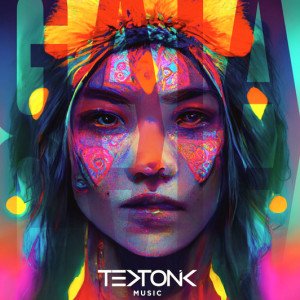
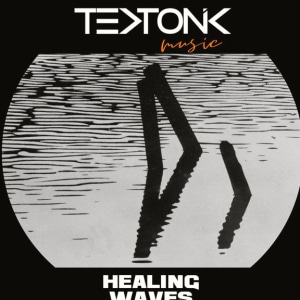
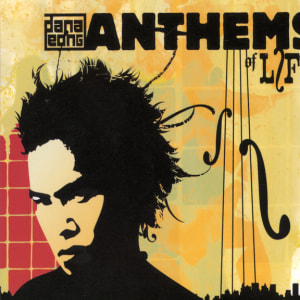
The essential album for a first listen is Sweet Sleep Meditations, the eleven-track 2024 release built for stress reduction and sleep, developed with Stanford neuroscientists and Skywalker Sound engineers. Healing Waves (2020, seven tracks) and Gaia (2022, nine tracks) form the next layer, showing how the TEKTONIK approach developed before the 2024 sleep work. For composition-first listeners, Extraterrestria (2014, twelve tracks) and True Colors (2013, sixteen tracks) are the most substantial studio albums in the back catalogue. Story of a City (2008, fifteen tracks) is the earliest full album and captures a musician working before TEKTONIK existed. The Grammy-winning Panamericana Suite with Paquito D'Rivera is the key work for jazz listeners, and it is the reference point for Leong's classical-jazz credentials. The compilation 25 Years of New York New Music (2010, sixty-one tracks) is a wide sampler rather than a statement album. Singles such as Aeon (2026) and Into the Light (2019) work better as entry points or companion pieces than as full albums.
Dana Leong plays cello and trombone and composes and produces the collective's projects, with the cello central to most of the healing and sound-bath work. The named collaborators are varied: Paquito D'Rivera for the Grammy-winning Panamericana Suite, Stanford University neuroscientists and Skywalker Sound engineers for Sweet Sleep Meditations, and EMOTIV for brain scanner user trials. Live work brings in sitar and tabla for Unity in Shanghai, turntables for the same programme, and gongs for the Grace Cathedral sound bath. TEKTONIK draws on musicians, visual artists and technologists from more than ten countries, which is why the projection mapping at Tai Kwun in Hong Kong involved a visual team alongside the score. Commercial and institutional commissions widen the circle further, including Dream State for Richard Branson and Virgin Galactic, a 2024 DJ Noodles remix of that piece, and runway music for Prada. Leong's mother, the pianist Sumiko Nagasawa, is a family figure in the story of TEKTONIK's origin rather than a documented collaborator in the sources. Readers tracing the instrument list should note that the sources identify partners and institutions more clearly than the individual performers on each track.
The most direct fit for meditation is Sweet Sleep Meditations, whose eleven tracks were designed to reduce stress and improve sleep quality, making it better suited to nightly wind-down than to active practice. Into the Light is the companion work for guided meditation and sound sessions, and it is the closest thing in the catalogue to a session soundtrack. The Grace Cathedral sound bath, which combined gongs, cello and the building's natural reverb, is the reference point for group listening and ceremonial settings, though it was a live event rather than a recording. Healing Waves and Gaia, both studio albums in the healing-music vein, are reasonable choices for longer unguided sessions, though the sources do not describe individual tracks in detail. The sources do not mention yoga specifically, so instructors planning a class should audition tracks before building a sequence. For ceremony, the NeuroSymphony format is conceptually suited to group settings because the audience's brainwaves shape the music, although it requires hardware and a venue able to support it. The sleep material was tested through user trials for its effect on how listeners feel, which is not the same as a formal clinical claim for any specific ceremonial use.


Is this you? Claim this page ›
There's more where this came from.
BrightStar is the global directory of artists, teachers, and healers in the wellness and spiritual movement. Find your next experience — or add yourself.
Discover More Artists
Browse 14,000+ curated profiles across kirtan, yoga, meditation, and beyond.
Explore directory →Find an Event Near You
Kirtan, retreats, sound baths, breathwork, ceremonies — happening this week.
Browse events →Add Your Profile
Are you an artist, teacher, or healer? Get listed — free, AI-assisted, live in minutes.
Get started →