

Byron Metcalf
Drummer
About
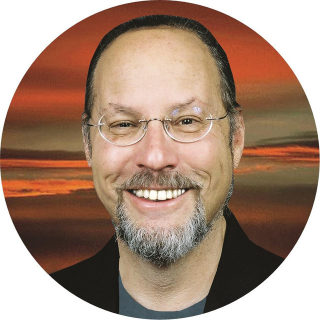
Byron Metcalf, Ph.D., is a transpersonal guide and educator, shamanic practitioner, researcher and professional musician. He holds a Ph.D. in transpersonal psychology and a master's degree in counseling psychology, and is a certified graduate of Grof Transpersonal Training and Eupsychia Institute's Psycho-Spiritual Integration programs. He has trained and worked with teachers including Stanislav Grof, Jack Kornfield, Angeles Arrien, Sandra Ingerman and don Americo Yabar, and for nearly three decades has focused on consciousness research and the transformative potential of alternative states of consciousness.
Byron Metcalf, Ph.D., is a transpersonal guide and educator, shamanic practitioner, researcher and professional musician. He holds a Ph.D. in transpersonal psychology and a master's degree in counseling psychology, and is a certified graduate of Grof Transpersonal Training and Eupsychia Institute's Psycho-Spiritual Integration programs. He has trained and worked with teachers including Stanislav Grof, Jack Kornfield, Angeles Arrien, Sandra Ingerman and don Americo Yabar, and for nearly three decades has focused on consciousness research and the transformative potential of alternative states of consciousness.
His research includes two formal studies of non-ordinary states, "Examining the Effects of Holotropic Breathwork in the Treatment of Addictions" (1995) and "Breathwork as a Shamanic Strategy" (1999), both published in the Inner Door. His doctoral dissertation, Shamanic Perspectives in Transpersonal Psychotherapy (1999), grew into HoloShamanic Integration™ and into "The Shaman's Heart Program" (Monroe Products, 2008) and "The Shaman's Heart Meditation Training Program" (Sounds True, 2018). He retired from his counseling practice of over 20 years in 2006 to devote himself to HoloShamanic Strategies, LLC, and his recording studio.
Byron's music career spans six decades. A professional drummer at 15, he played on several gold and platinum albums, most notably Kenny Rogers' "The Gambler," and performed at venues including Carnegie Hall and Wembley Arena. From 1987 he turned his music toward the healing arts, creating music for Holotropic Breathwork workshops and leading men's workshops and shamanic drumming circles. Since 1997 he has produced solo CDs and collaborated with other artists, including Steve Roach and Erik Wollo, creating music for breathwork, journeywork,…
FAQ
Questions
Byron Metcalf, Ph.D., is a transpersonal guide, shamanic practitioner, researcher and professional drummer whose career runs on two tracks that rarely meet in one person. On the clinical side, he holds a Ph.D. in transpersonal psychology and a master's in counseling psychology, trained with Stanislav Grof, and practiced counseling for over twenty years before retiring in 2006 to focus on HoloShamanic Strategies, LLC and his recording studio. On the music side, he was a professional drummer at 15 and played on gold and platinum albums, most notably Kenny Rogers' “The Gambler,” before turning toward healing music in 1987. Listeners who follow his work tend to be people already practicing holotropic breathwork or shamanic drumming who want music made for that purpose rather than repurposed from a concert set. The appeal is the combination of clinical training and studio craft, which is uncommon in this field. His Spotify page lists roughly 57,400 followers, a sign of a steady, committed audience rather than a viral moment.
His work sits within transpersonal psychology and the breathwork lineage shaped by Stanislav Grof, with the shamanic strand developed through his doctoral research. His dissertation, Shamanic Perspectives in Transpersonal Psychotherapy (1999), became the foundation for HoloShamanic Integration and for The Shaman's Heart Program, published by Monroe Products in 2008. He lists training or work with Stanislav Grof, Jack Kornfield, Angeles Arrien, Sandra Ingerman and don Americo Yabar, which places him across several currents: Grof's consciousness research, Kornfield's mindfulness tradition, Arrien's cross-cultural symbolic work, Ingerman's contemporary shamanic practice, and the South American healing tradition that don Americo Yabar teaches. Certifications from Grof Transpersonal Training and Eupsychia Institute's Psycho-Spiritual Integration programs anchor the clinical side of that lineage. Students should treat these as influences and training relationships rather than a single closed lineage, because the synthesis itself is largely his own.
Newcomers face a split entry point, because his music career stretches back decades while his most structured teaching product is a training program. The Shaman's Heart Meditation Training Program, released through Sounds True in 2018, is the clearest starting point for someone who wants to practice rather than only listen, since it carries the HoloShamanic method into guided meditation. For listening, start with the Spotify, Apple Music or YouTube pages linked from his official site, where his recorded work is gathered. The specific solo album titles are not listed in our data, so check those platforms for the current catalog instead of relying on a named release here. Pairing the training with his 1995 study on holotropic breathwork and addictions, published in The Inner Door, is the most reliable way to see how the music and the method fit together.
Many drummers record shamanic or ceremonial percussion, but Byron Metcalf's drumming and clinical framework were developed together rather than separately. His 1999 paper, “Breathwork as a Shamanic Strategy,” published in The Inner Door, and his dissertation treat drumming as one tool inside a psychotherapeutic process rather than as atmosphere. His studio history also matters, since he played session drums on major-label records before becoming a producer, and that discipline shows up in pacing and clean mixing. His collaborations with Steve Roach and Erik Wollo place him in an ambient and electronic-leaning room, which differs from the trance-drumming circles that dominate much of the genre. Where recreational ceremony drummers often prioritize intensity, his work is designed to support a structured breathwork workshop or men's workshop. For a listener, the result is music that stays out of the way of an experience rather than trying to lead it.
This work is a poor fit for listeners who want songs with verses, hooks or a steady dance tempo, since the material is built around sustained texture and repetition meant to hold attention through long sessions. It is also not ideal as light background music for an unstructured yoga flow or a quick stress reset, because the pieces assume a specific purpose. Anyone with a history of psychosis or intense dissociation should consult a clinician before taking up holotropic breathwork, because intense non-ordinary states are the central subject of his research. Listeners seeking pure entertainment will find the catalog narrow and inward-facing. Skeptics who want randomized-trial evidence will find the published studies he cites early and limited, as the field itself remains contested. The honest fit depends on whether you want the drum as a clinical or ceremonial instrument rather than as a melodic one.
No upcoming tour dates or events were crawled for Byron Metcalf at the time of this profile, so there is no confirmed calendar to cite. The most reliable source is his official site at byronmetcalf.com, which covers his workshops, programs and studio information alongside any scheduled events. His Spotify, Apple Music and YouTube pages are the places to watch for new recordings, and following him on those services sends release notifications automatically. Because HoloShamanic Strategies, LLC runs his teaching work separately from his recording studio, event listings may appear on the business side rather than alongside music announcements. Check the site directly before planning travel, since workshop dates and retreat locations change.
Based on its stated purpose and collaborators, the music is built for breathwork, journeywork and drumming circles, so pacing and texture come before melody. Drums are the central voice in his work, and the studio production he has done since 1997 points to careful layering rather than live-band energy. The collaborations with Steve Roach and Erik Wollo suggest slow-evolving ambient textures with sustained tones that let a listener drift rather than follow a tune. Pieces tend to be meant for long stretches of listening, so the first listen can feel static to someone expecting verse-chorus structure. The aesthetic is restraint: a pulse or tone may hold for a long time before shifting gently, which suits a session where the listener's own breathing carries much of the experience. The data here names no instruments beyond drums, so treat this texture description as informed inference rather than a catalog specification.
The most documented instrument is the drum, since he has been a professional drummer since age 15 and leads shamanic drumming circles, which implies hand drums and frame drums at the core of his live practice. As a producer, his recording studio is central to his output, and he has worked with Steve Roach and Erik Wollo, both known in ambient and electronic-adjacent circles. Earlier in his career he played on Kenny Rogers' “The Gambler” and performed at Carnegie Hall and Wembley Arena, experience that shows up as a session musician's command of tempo and tone. Beyond these names, a full record of specific session players and instruments is not in our data, so avoid assuming a particular lineup. His most influential collaborators outside music are the teachers who shaped his clinical work, including Stanislav Grof and Sandra Ingerman.
His output is explicitly framed around breathwork, meditation and inner exploration, so the music is designed for contemplative use rather than fitness or general relaxation. The Shaman's Heart Meditation Training Program from Sounds True is the most direct pairing for meditation, since it is built around the same drum-based method. Specific track titles suited to yoga or ceremony are not listed in our data, so check his Spotify or Apple Music catalog for pieces presented as meditation or journey material rather than trusting a generic playlist. For ceremonial settings, the music made for Holotropic Breathwork workshops since 1987 is the body of work most relevant to group practice. Yoga practitioners should expect slow, sustained pieces that may feel too still for flowing sequences. Choose by intent: seated breath-led practice and guided inner work suit the catalog far better than vinyasa.
His teaching combines clinical psychotherapy training with shamanic practice, so trainings are framed as structured experiential work rather than open-ended inspiration. The HoloShamanic Integration approach grew out of his dissertation on shamanic perspectives in transpersonal psychotherapy, which means integrating an experience is treated as part of the method, not an afterthought. His certifications from Grof Transpersonal Training and Eupsychia Institute's Psycho-Spiritual Integration programs suggest a containing frame in which intense material is held with care. Specific details about retreat format, group size or daily schedule are not included in our data, so confirm them directly with HoloShamanic Strategies, LLC or through byronmetcalf.com before registering. The framing suggests that reflection and discussion are central, which can be a surprise for newcomers who expect a music-only event.




Is this you? Claim this page ›
There's more where this came from.
BrightStar is the global directory of artists, teachers, and healers in the wellness and spiritual movement. Find your next experience — or add yourself.
Discover More Artists
Browse 14,000+ curated profiles across kirtan, yoga, meditation, and beyond.
Explore directory →Find an Event Near You
Kirtan, retreats, sound baths, breathwork, ceremonies — happening this week.
Browse events →Add Your Profile
Are you an artist, teacher, or healer? Get listed — free, AI-assisted, live in minutes.
Get started →