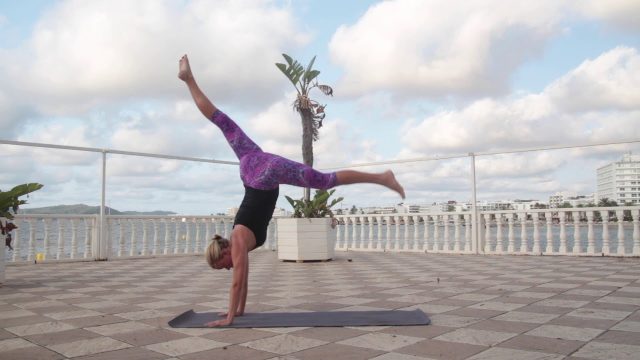
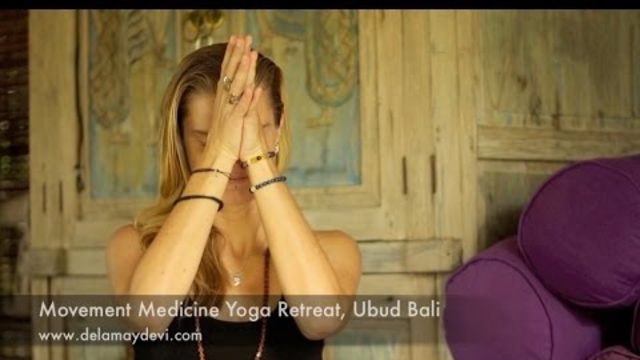
On a Barcelona morning, something simple and profound unfolds: a body in motion, a ritualized sequence of movements designed not for perfection or achievement, but for presence. This is the terrain of yoga not as physical exercise, but as what many traditions call sadhana—a dedicated spiritual practice that uses the body as an entry point into deeper states of awareness and devotion.
Yoga movement ritual operates on a principle older than gyms, Instagram, or even the Sanskrit texts most Western practitioners encounter first. It assumes that the body is not separate from consciousness, that how we move shapes how we perceive, and that ritual—repeated, intentional action—creates a kind of groove in awareness that allows something subtle to emerge. It is craft as much as practice.
The distinction between exercise and ritual is not about difficulty or duration. A single conscious breath taken with full attention is ritual. A hastily performed sun salutation, however technically precise, is calisthenics. Sacred movement asks: What is my intention? Am I present? What am I inviting through this gesture?
In many yoga traditions, movement is a form of prayer—pranams (bows), arm sequences, flowing vinyasas—each gesture carries meaning and lineage. The body becomes a language for expressing devotion, gratitude, or the desire to merge individual consciousness with something larger. When filmed or shared, as this Barcelona morning was, the ritual function doesn't diminish. If anything, the documentation becomes a kind of offering, an invitation to witness what's possible when practice deepens.
The description notes that these moments were "co-created" with Wari Om, a collaborator who captured the practice. This detail matters. Genuine ritual rarely happens in isolation—there is always a witness, a container, an energy that holds space. In many spiritual traditions, the relationship between practitioner and witness (whether a teacher, a community, or even a camera held with reverence) is itself sacred. The act of being seen while in deep practice, and of seeing someone else in devotion, creates a feedback loop that can deepen the experience for everyone involved.
The morning setting itself carries significance. Many contemplative traditions mark dawn as an auspicious time—when the veil between inner and outer worlds feels thin, when energy is fresher and the mind less clouded by the day's distractions. A yoga ritual at this threshold hour carries a different weight than the same movements performed at noon.
Yoga, etymologically, means "union" or "yoke." A movement ritual is one pathway toward that union—the joining of breath and body, intention and action, individual will and something that feels like grace. Through repetition, through the cultivation of awareness in motion, practitioners often report a gradual dissolving of the boundary between "doing" the practice and "being" the practice. The mind settles. The sense of a separate self performing gestures gives way to movement happening almost of its own accord.
This is not mysticism for its own sake. It is a direct observation: when attention is complete and the body is engaged with full presence, something shifts. Stress dissolves. The nervous system recalibrates. Insight surfaces. The practice becomes its own teacher.
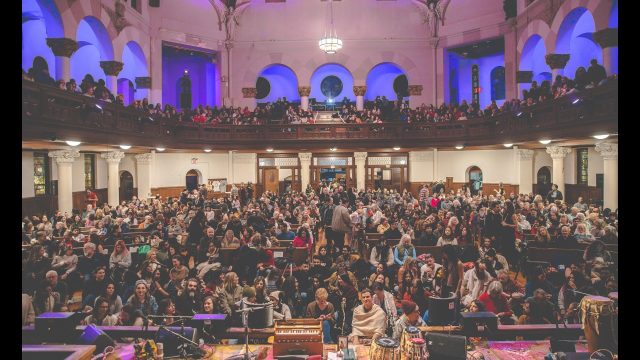
If you feel called to explore yoga movement ritual beyond the studio, consider these entry points: Begin with a single sequence performed with total attention. Notice the difference between moving to get the practice "done" and moving to deepen your presence. Seek out teachers or practices rooted in lineage—whether bhakti (devotional) yoga, tantra, or other traditions where ritual and embodiment are central. Explore the relationship between breath and movement; often, as the breath refines, the whole experience of practice transforms. And if the opportunity arises, practice in the presence of others—even one witness can shift the entire field. The ritual is not complete until it is witnessed and held in community.