BrightStar
BlogMy Tickets
BlogMy Tickets
Saved events
Help & contactSign UpLog in
Events
  • Browse All Events
  • Yoga
  • Meditation
  • Breathwork
  • Qigong
  • Sacred Music
  • World Music
  • Medicine Music
  • Sound Healing
  • Ecstatic Dance
  • Ceremony
  • Plant Medicine
  • Energy Healing
  • Satsang & Wisdom
  • Tantra
  • Retreats
  • All Categories →
Destinations
  • Bali
  • Sedona
  • Los Angeles
  • Costa Rica
  • Tulum
  • Byron Bay
  • San Francisco
  • Austin
  • New York
  • San Diego
  • Denver
  • Seattle
  • Portland
  • Miami
  • London
  • Maui
  • Boulder
  • All Cities →
Platform
  • For organizers
  • Join the Movement
  • Sell Globally
  • For Creators
  • For Teams
  • For Writers
  • For Teachers
  • For Kirtan Artists
  • For Studios
  • For Festivals
  • For Retreat Centers
  • For Nonprofits
  • Brand Ambassador
  • Free Ticketing
  • Pro
  • Amplify
  • The Ecosystem
Features

Ticketing and checkout

  • Ticket categories
  • Assigned seating
  • Custom questions
  • Coupon codes
  • Smart pricing
  • Ticket sharing
  • Waitlist
  • Flexible refunds
  • Digital waivers
  • Tip jar
  • Donations and sliding scale
  • Embed widget
  • Mindful checkout
  • Recurring events
  • Private sessions
  • Online courses
  • Summits
  • Rooms and stays
  • Ticket scanner

Marketing and growth

  • Abandoned cart recovery
  • Visitor recovery
  • Upsells and add-ons
  • Affiliate engine
  • Upsell affiliate network
  • Brand ambassador
  • Meta retargeting
  • Verified buyer network
  • Outbound email marketing
  • Email sequences
  • SMS and WhatsApp
  • Event upsell network
  • Direct mail campaigns
  • SEO engine
  • Syndication
  • Event sharing
  • Custom event pages
  • Artist profiles
  • Link in bio
  • Event blog
  • Blog newsletter

Payments

  • Payments, powered by Stripe
  • Buy now, pay later
  • Apple Wallet
  • Multi currency

Data and operations

  • Team access
  • Message center
  • Reports
  • Analytics reporting
  • Performance reporting
  • Customer data
  • Integrations
  • Switch from another platform

AI

  • Assistant
  • AI FAQ assistant
  • All Features →
Company
  • About
  • FAQ
  • Contact
  • Blog
  • Glossary
  • Guides
  • Inspiration
  • Help Center
  • API Docs
  • Brand Assets
  • Press
  • Terms of Service
  • Privacy Policy

Events

  • Browse All Events
  • Yoga
  • Meditation
  • Breathwork
  • Qigong
  • Sacred Music
  • World Music
  • Medicine Music

Destinations

  • Bali
  • Sedona
  • Los Angeles
  • Costa Rica
  • Tulum
  • Byron Bay
  • San Francisco
  • Austin

Platform

  • For organizers
  • Join the Movement
  • Sell Globally
  • For Creators
  • For Teams
  • For Writers
  • For Teachers
  • For Kirtan Artists

Features

  • Community Network
  • Abandoned Cart Recovery
  • Ticket Categories
  • Recurring Events
  • Assigned Seating
  • Affiliate Engine
  • Waitlist / Notify
  • All Features →

Company

  • About
  • FAQ
  • Contact
  • Blog
  • Glossary
  • Guides
  • Terms of Service
  • Privacy Policy
Read more

Events

  • Sound Healing
  • Ecstatic Dance
  • Ceremony
  • Plant Medicine
  • Energy Healing
  • Satsang & Wisdom
  • Tantra
  • Retreats
  • All Categories →

Destinations

  • New York
  • San Diego
  • Denver
  • Seattle
  • Portland
  • Miami
  • London
  • Maui
  • Boulder
  • All Cities →

Platform

  • For Studios
  • For Festivals
  • For Retreat Centers
  • For Nonprofits
  • Brand Ambassador
  • Free Ticketing
  • Pro
  • Amplify
  • The Ecosystem

Company

  • Inspiration
  • Help Center
  • API Docs
  • Brand Assets
  • Press

Ticketing and checkout

  • Ticket categories
  • Assigned seating
  • Custom questions
  • Coupon codes
  • Smart pricing
  • Ticket sharing
  • Waitlist
  • Flexible refunds
  • Digital waivers
  • Tip jar
  • Donations and sliding scale
  • Embed widget
  • Mindful checkout
  • Recurring events
  • Private sessions
  • Online courses
  • Summits
  • Rooms and stays
  • Ticket scanner

Marketing and growth

  • Abandoned cart recovery
  • Visitor recovery
  • Upsells and add-ons
  • Affiliate engine
  • Upsell affiliate network
  • Brand ambassador
  • Meta retargeting
  • Verified buyer network
  • Outbound email marketing
  • Email sequences
  • SMS and WhatsApp
  • Event upsell network
  • Direct mail campaigns
  • SEO engine
  • Syndication
  • Event sharing
  • Custom event pages
  • Artist profiles
  • Link in bio
  • Event blog
  • Blog newsletter

Payments

  • Payments, powered by Stripe
  • Buy now, pay later
  • Apple Wallet
  • Multi currency

Data and operations

  • Team access
  • Message center
  • Reports
  • Analytics reporting
  • Performance reporting
  • Customer data
  • Integrations
  • Switch from another platform

AI

  • Assistant
  • AI FAQ assistant
Get the app
Download on theApp StoreGet it onGoogle Play
© 2026 BrightStar. All rights reserved. BrightStar Selection · Photo credits · Changelog ·
Inspiration

Safety as a Gateway to Spiritual Practice

Stephan Pende Wormland
Apr 14, 2021
5 min read

From Stephan Pende Wormland

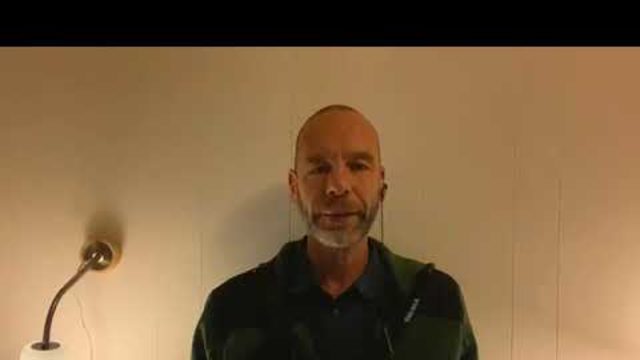
In contemplative and spiritual circles, there's often an unspoken assumption that the work begins the moment we sit down to meditate, chant, or study dharma. But Stephan Pende approaches the question differently: before the practice can take root, the body and nervous system must know they are safe. This isn't a preliminary detail—it's the actual foundation of meaningful spiritual work.

Read · 7 sections

Why Safety Matters in Spiritual Practice

The relationship between felt safety and spiritual growth is both ancient and newly understood through the lens of modern neuroscience. When the nervous system is in a state of threat or dysregulation, the brain is primarily concerned with survival—not transcendence, not insight, not surrender. A person in a hypervigilant or collapsed state cannot genuinely open to practices meant to quiet the mind and expand awareness. The body's wisdom must be honored first.

This principle recognizes that spiritual practice isn't divorced from embodied experience. Many traditions speak of the need for a calm and stable foundation, though the language varies. In yoga philosophy, the concept of sthira-sukha—steadiness and ease—describes this balanced state of the nervous system. In contemplative Christianity, there's the notion of hesychia, a profound stillness that allows prayer to deepen. Buddhist teachings speak of the right conditions for practice to flourish.

What Does a Safe Nervous System Look Like?

A nervous system that feels secure is characterized by what modern somatic therapists call "ventral vagal tone"—a state in which the parasympathetic nervous system is engaged without collapse. The body can sense into sensation without being overwhelmed. The mind can observe thoughts without being swept away. There's a quality of alertness without anxiety, receptivity without defensiveness.

When safety is present, the natural relaxation response can activate. Heart rate stabilizes, breathing deepens, and the body's natural wisdom becomes accessible. From this state, spiritual practices like meditation, chanting, or inquiry have room to work. The nervous system isn't spending its resources on threat detection; it can turn toward the more subtle dimensions of inner experience that spiritual practice is designed to illuminate.

Building Safety as Practice

Creating conditions of felt safety is not passive. It requires intentionality and often involves working with the body, breath, and the relational field. Some foundational approaches include:

  • Somatic awareness: Developing the ability to sense into the body without judgment, learning to recognize when the nervous system is activated and when it's settled.
  • Grounding practices: Techniques that anchor awareness in the present moment and in physical sensation—the earth beneath the feet, the contact of the body with a chair, the rhythm of the breath.
  • Relational safety: The presence of a trusted guide, teacher, or community that communicates through words and presence that one is held and witnessed.
  • Pacing: Moving at a speed that the nervous system can integrate, rather than forcing practices or insights faster than the body can accommodate.
  • Boundaries: Clear, firm containers around practice—knowing when to begin and when to rest, understanding one's own limits, and respecting them.

The Role of the Teacher or Guide

A skilled guide understands that their presence itself can communicate safety. The tone of voice, the pacing of instruction, the willingness to meet a student where they actually are (rather than where they should be) all matter deeply. Teaching that ignores the nervous system's reality can inadvertently reinforce patterns of dissociation or spiritual bypassing—using elevated concepts to escape from the body's legitimate needs.

This is why a teacher like Stephan Pende, who explicitly addresses safety as a foundation for practice, is offering something essential. The willingness to slow down, to begin with the nervous system's actual condition, and to build from there is not soft or remedial—it's sophisticated spiritual pedagogy.

Safety and the Spiritual Path

Paradoxically, true spiritual depth often requires a kind of letting go that can feel unsafe to the ego. Surrender, openness, the dissolution of habitual defenses—these have an element of danger built in. But this spiritual vulnerability can only unfold authentically when the nervous system knows it's held in a larger container of safety. The small self can relax its vigilance only when the deeper self—or the larger field of awareness—is trusted to be present.

When safety is established, apparent paradoxes resolve. We can be both utterly vulnerable and completely protected. We can let go of control while remaining deeply grounded. We can open to experiences that dissolve the separate self while feeling more fully, not less, present to our bodies and to others.

Starting Where You Are

Not everyone begins their spiritual journey from a place of nervous system ease. Many arrive carrying trauma, chronic stress, overwhelming circumstances, or simply the accumulated tension of modern life. This is not a problem to be overcome before practice begins—it's the actual landscape in which practice begins. The first teaching might simply be: notice what's true right now. Notice where you feel safe, however small that space might be. Notice what your body needs.

From this honest starting point, the path can unfold naturally. Safety builds gradually, through practice, through relationship, through the cumulative evidence that it's possible to relax, to trust, to let the deeper layers of consciousness emerge.

Where to go from here

If you're drawn to explore safety as a foundation for practice, begin with simple somatic awareness. Spend time noticing your nervous system's actual state—not how you think it should be, but how it actually is. Work with a teacher or guide who understands the body's role in spiritual development. Consider trauma-informed approaches to practice, which honor the nervous system's real needs. And give yourself permission to move slowly, to build from the ground up, knowing that the most solid spiritual development is rooted in genuine felt safety.

Comments

Loading the conversation…

Stephan Pende Wormland

Stephan Pende Wormland

Artist

A meditation and mindfulness teacher blending Eastern philosophy and Western psychology, who goes beyond mindfulness toward effortless being and the warmth of the heart.

View profile
Explore Topics
Nervous systemSafetyTrauma informed practiceSpiritual foundationSomatic awareness
Frequently Asked Questions

Frequently Asked Questions

When the nervous system perceives threat, the brain prioritizes survival over transcendence. A dysregulated nervous system cannot genuinely open to practices designed to quiet the mind and expand awareness. Safety creates the physiological conditions necessary for deeper spiritual work.

A safe nervous system is alert without anxiety, receptive without defensiveness, and characterized by steady breathing, stable heart rate, and the ability to sense into experience without being overwhelmed. This state allows for genuine presence and openness to spiritual practice.

Trauma-informed spiritual practice works with the nervous system as it actually is, using grounding techniques and pacing appropriate to your condition. You don't need to be healed first; instead, safety becomes an integrated part of the practice itself, building gradually over time.

An attuned teacher communicates safety through their presence, pacing of instruction, tone of voice, and willingness to meet you where you actually are. Their understanding that the nervous system's needs are foundational—not an obstacle to spiritual work—fundamentally shapes how they guide practice.

Paradoxically, authentic spiritual vulnerability requires that the nervous system feels held in a larger container of safety. Only when the small self knows it's protected can it truly relax its defenses and open to deeper dimensions of consciousness.

Signs include restlessness, racing thoughts, dissociation, overwhelming emotion, or a felt sense of threat. These aren't failures of practice—they're important information. Noticing these states honestly is the first step toward building genuine safety.

Begin with simple grounding—noticing your feet on the earth, your body's contact with a chair, your breath. Work with a trauma-informed teacher. Establish clear boundaries around your practice time. Notice where you already feel safe, however small that space is, and start there.

You might also like

View All
Dzogchen's Radical Claim: You Already Have Everything
Inspire

Dzogchen's Radical Claim: You Already Have Everything

A teacher opens his commentary on an 18th-century Dzogchen poem by admitting he cannot say what he wants to say. What follows is his case fo…

8 min read
Mahamudra Meditation: Resting in the Sky of Awareness
Inspire

Mahamudra Meditation: Resting in the Sky of Awareness

A guided Mahamudra session that begins with a circle of practitioners in Europe and North America and ends with a simple instruction: notice…

9 min read
Soften Every Muscle: Body Scan Meditation for Sleep
Inspire

Soften Every Muscle: Body Scan Meditation for Sleep

Chibs Okereke's head-to-toe body scan asks listeners to soften one muscle at a time. Here is how the breath, jaw, shoulders and back let go,…

9 min read
Monthly Satsang Meditation: A Return Home After Three Months Around the World
Inspire

Monthly Satsang Meditation: A Return Home After Three Months Around the World

Deva Premal & Miten welcome their global community back to Costa Rica with mantra chanting, shared music, and the teaching that all hearts—b…

7 min read
See allYou might also like→

Continue your journey

More wisdom and gatherings from across the BrightStar directory.

More Articles

Browse the full library of teachings, interviews, and guides.

Back to all articles →

Teachers & Artists

Explore the lineages, musicians, and guides of the conscious world.

Explore artists →

Find an Event

Kirtan, retreats, sound baths, breathwork, festivals — happening soon.

Browse events →