BrightStar
BlogMy Tickets
BlogMy Tickets
Saved events
Help & contactSign UpLog in
Events
  • Browse All Events
  • For Seekers
  • Yoga
  • Meditation
  • Breathwork
  • Qigong
  • Sacred Music
  • World Music
  • Medicine Music
  • Sound Healing
  • Ecstatic Dance
  • Ceremony
  • Plant Medicine
  • Energy Healing
  • Satsang & Wisdom
  • Tantra
  • Retreats
  • All Categories →
Destinations
  • Bali
  • Sedona
  • Los Angeles
  • Costa Rica
  • Tulum
  • Byron Bay
  • San Francisco
  • Austin
  • New York
  • San Diego
  • Seattle
  • Portland
  • Miami
  • London
  • Maui
  • Boulder
  • Oakland
  • All Cities →
Platform
  • For organizers
  • Join the Movement
  • Sell Globally
  • For Creators
  • For Teams
  • For Writers
  • For Teachers
  • For Kirtan Artists
  • For Studios
  • For Festivals
  • For Retreat Centers
  • For Nonprofits
  • Brand Ambassador
  • Free Ticketing
  • Elevate
  • Amplify
  • The Ecosystem
Features

Ticketing and checkout

  • Ticket categories
  • Assigned seating
  • Custom questions
  • Coupon codes
  • Smart pricing
  • Ticket sharing
  • Waitlist
  • Flexible refunds
  • Digital waivers
  • Tip jar
  • Donations and sliding scale
  • Embed widget
  • Mindful checkout
  • Recurring events
  • Private sessions
  • Online courses
  • Summits
  • Rooms and stays
  • Ticket scanner

Marketing and growth

  • Abandoned cart recovery
  • Visitor recovery
  • Upsells and add-ons
  • Affiliate engine
  • Upsell affiliate network
  • Brand ambassador
  • Meta retargeting
  • Verified buyer network
  • Outbound email marketing
  • Email sequences
  • SMS and WhatsApp
  • Event upsell network
  • Direct mail campaigns
  • SEO engine
  • Syndication
  • Event sharing
  • Custom event pages
  • Artist profiles
  • Link in bio
  • Event blog
  • Blog newsletter

Payments

  • Payments, powered by Stripe
  • Buy now, pay later
  • Apple Wallet
  • Multi currency

Data and operations

  • Team access
  • Message center
  • Reports
  • Analytics reporting
  • Performance reporting
  • Customer data
  • Integrations
  • Switch from another platform

AI

  • Assistant
  • AI FAQ assistant
  • All Features →
Company
  • About
  • FAQ
  • Contact
  • Blog
  • Glossary
  • Guides
  • Inspiration
  • Help Center
  • API Docs
  • Brand Assets
  • Press
  • Terms of Service
  • Privacy Policy

Events

  • Browse All Events
  • For Seekers
  • Yoga
  • Meditation
  • Breathwork
  • Qigong
  • Sacred Music
  • World Music

Destinations

  • Bali
  • Sedona
  • Los Angeles
  • Costa Rica
  • Tulum
  • Byron Bay
  • San Francisco
  • Austin

Platform

  • For organizers
  • Join the Movement
  • Sell Globally
  • For Creators
  • For Teams
  • For Writers
  • For Teachers
  • For Kirtan Artists

Features

  • Community Network
  • Abandoned Cart Recovery
  • Ticket Categories
  • Recurring Events
  • Assigned Seating
  • Affiliate Engine
  • Waitlist / Notify
  • All Features →

Company

  • About
  • FAQ
  • Contact
  • Blog
  • Glossary
  • Guides
  • Terms of Service
  • Privacy Policy
Read more

Events

  • Medicine Music
  • Sound Healing
  • Ecstatic Dance
  • Ceremony
  • Plant Medicine
  • Energy Healing
  • Satsang & Wisdom
  • Tantra
  • Retreats
  • All Categories →

Destinations

  • New York
  • San Diego
  • Seattle
  • Portland
  • Miami
  • London
  • Maui
  • Boulder
  • Oakland
  • All Cities →

Platform

  • For Studios
  • For Festivals
  • For Retreat Centers
  • For Nonprofits
  • Brand Ambassador
  • Free Ticketing
  • Elevate
  • Amplify
  • The Ecosystem

Company

  • Inspiration
  • Help Center
  • API Docs
  • Brand Assets
  • Press

Ticketing and checkout

  • Ticket categories
  • Assigned seating
  • Custom questions
  • Coupon codes
  • Smart pricing
  • Ticket sharing
  • Waitlist
  • Flexible refunds
  • Digital waivers
  • Tip jar
  • Donations and sliding scale
  • Embed widget
  • Mindful checkout
  • Recurring events
  • Private sessions
  • Online courses
  • Summits
  • Rooms and stays
  • Ticket scanner

Marketing and growth

  • Abandoned cart recovery
  • Visitor recovery
  • Upsells and add-ons
  • Affiliate engine
  • Upsell affiliate network
  • Brand ambassador
  • Meta retargeting
  • Verified buyer network
  • Outbound email marketing
  • Email sequences
  • SMS and WhatsApp
  • Event upsell network
  • Direct mail campaigns
  • SEO engine
  • Syndication
  • Event sharing
  • Custom event pages
  • Artist profiles
  • Link in bio
  • Event blog
  • Blog newsletter

Payments

  • Payments, powered by Stripe
  • Buy now, pay later
  • Apple Wallet
  • Multi currency

Data and operations

  • Team access
  • Message center
  • Reports
  • Analytics reporting
  • Performance reporting
  • Customer data
  • Integrations
  • Switch from another platform

AI

  • Assistant
  • AI FAQ assistant
Get the app
Download on theApp StoreGet it onGoogle Play
© 2026 BrightStar. All rights reserved. The BrightStar Guide · Photo credits · Changelog ·
Inspiration

Tummo Inner Fire Practice Explained

Tulku Lobsang
Tulku Lobsang
May 22, 2023
7 min read

From Tulku Lobsang

Tummo is an advanced Tibetan Buddhist inner fire practice that cultivates heat and bliss through controlled breathing, visualization, and subtle body work. Tulku Lobsang Rinpoche demonstrates this authentic technique, which targets the central energy channel and uses retention and release of breath to ignite spiritual energy. The practice is traditionally taught within retreat settings and requires proper instruction from a qualified teacher. It serves both pragmatic (generating warmth) and spiritual purposes (bliss, dissolution of ego, enlightenment support).

Read · 7 sections

What Is Tummo and Why Does It Matter?

Tummo (also spelled "tumo") is one of the Six Yogas of Naropa, a system of advanced tantric Buddhist practices developed in Tibet over centuries. The term literally translates to "inner fire" or "heat." Unlike superficial meditation techniques, tummo is a sophisticated psycho-physical practice that works directly with the body's subtle energy channels (nadis), energy centers (chakras), and vital winds (prana). The practice serves a dual purpose: it generates literal internal heat (which has been documented in scientific studies of Tibetan yogis) and cultivates the bliss state that practitioners say is inseparable from non-dual awareness.

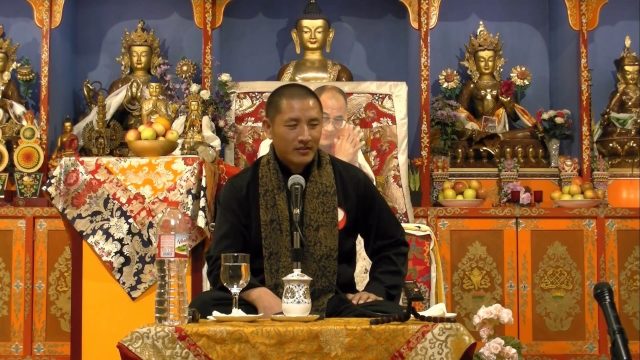
Tulku Lobsang Rinpoche, a Tibetan Buddhist teacher and lineage holder trained in the Shangpa Kagyu tradition, demonstrated tummo during a retreat in Germany. This public demonstration offers a rare window into how an accomplished practitioner embodies this subtle practice. For contemporary seekers, tummo addresses a fundamental question: how do we work with the body as a vehicle for spiritual realization rather than as an obstacle to transcendence?

How Does the Tummo Practice Work?

Tummo operates through three main mechanisms: breath control, visualization, and subtle body activation. The foundational element is conscious breathing—specifically, holding the breath (kumbhaka) at strategic points to build internal pressure and redirect subtle energy.

The practitioner typically begins by:

  • Activating the central channel: Visualizing a luminous channel running along the spine from the crown to the navel area, often depicted as a hollow tube of light.
  • Generating inner heat: Using breath and mental focus to ignite a flame at the navel center (manipura chakra), the traditional seat of tummo energy.
  • Circulating the heat: Directing the generated warmth upward through the central channel and into the brain, often visualized as melting ice or dissolving blockages throughout the subtle body.
  • Refining the bliss: As heat rises and mixes with the descent of fluid from the crown chakra, the bliss state is said to intensify and lead to deeper meditative insights.

Unlike forced breathing exercises, tummo integrates visualization with anatomically precise breath work. The breath itself is not dramatic but controlled and sustained. The real work happens in the subtle body—the system of energy channels that esoteric Buddhist texts describe as the infrastructure of consciousness itself.

What Are the Spiritual Aims of Tummo Practice?

While tummo is sometimes reduced to a heat-generation technique, its spiritual purpose runs deeper. In Tibetan Buddhism, the subtle body is not metaphorical—it is understood as the actual vehicle through which enlightenment is achieved. The gross physical body and mind are too coarse; consciousness must be refined and unified in order to realize emptiness and non-duality.

Tummo accelerates this process by:

  • Dissolving conceptual rigidity: As the inner fire heats the channels and chakras, mental patterns and emotional blockages are said to dissolve. This creates the conditions for spontaneous bliss (mahasukha) and clarity.
  • Gathering subtle winds: All ordinary thoughts and emotions ride on subtle energy currents called winds (prana). Tummo collects and stabilizes these winds in the central channel, effectively silencing the discursive mind.
  • Generating the bliss state: When the fluid from the crown chakra mixes with the inner fire at the navel center, practitioners report an overwhelming, non-ordinary bliss that is said to be the natural expression of enlightened mind.
  • Supporting death and rebirth understanding: Tummo mimics the dissolution process that occurs at death, allowing practitioners to become familiar with ego-dissolution while still alive and in control.

For experienced practitioners like Tulku Lobsang, the practice becomes so refined that the physical and subtle dimensions merge seamlessly. What appears to an observer as simple breath work is actually the manipulation of consciousness itself through the medium of energy.

Why Is Proper Instruction Essential?

Tummo is not a practice for self-directed experimentation. The Tibetan Buddhist tradition emphasizes that advanced practices like tummo must be transmitted directly from a teacher to a student within an authorized lineage. This is not mere orthodoxy—it reflects genuine concerns about the practice.

Working with the subtle body is like working with electrical current: without proper technique, you can injure yourself. Inexperienced practitioners who force breath retention or misidentify the subtle channels risk creating energy blockages, causing intense pain, or destabilizing their mental state. The practice requires:

  • Proper foundational practices (preliminary practices or ngöndro) to prepare the mind and channels
  • An authentic teacher trained in the lineage who can monitor your practice and adjust instructions based on your individual constitution
  • Integration with ethical conduct and other Buddhist practices, not as a standalone technique
  • Retreat time and supportive conditions—tummo is not a practice you casually add to your daily routine

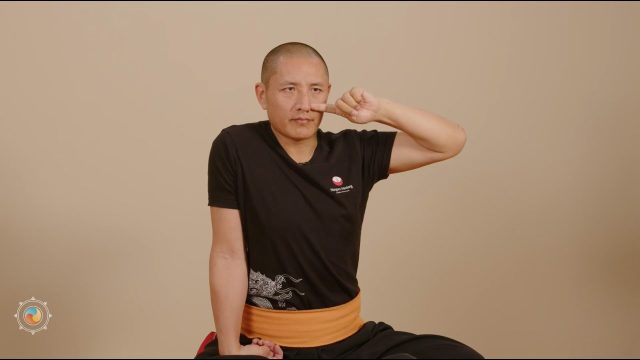
When Tulku Lobsang demonstrates tummo, he is not offering a DIY instruction. Rather, he is showing what the practice looks like when done correctly by someone with decades of training, inviting qualified students to study with him properly.

What Does Modern Science Say About Tummo?

Perhaps the most striking aspect of tummo is that it produces measurable physical effects. Western researchers, most notably Herbert Benson at Harvard and later researchers in Tibet, documented that Tibetan Buddhist practitioners can raise their skin temperature by as much as 15 degrees Celsius through tummo alone, without external heat sources. Some have also maintained body temperature during extreme cold exposure through this practice.

While the mechanisms are not fully understood, these studies validate that tummo is not merely psychological. The practice engages real physiological systems—possibly through vagal stimulation, altered circulation, or metabolic changes triggered by specific breathing and visualization patterns. Whether one uses the language of subtle energy channels or neuroscience, something profound and measurable is happening.

The Role of the Lineage Teacher

Tulku Lobsang represents a direct lineage of tantric Buddhist teachers stretching back centuries. He trained in Nepal and Tibet under accomplished masters and has transmitted tummo and other practices to thousands of Western students. His demonstration in Germany is an example of how living Buddhist traditions continue—through the body, presence, and direct transmission of an authorized teacher.

In the contemporary spiritual marketplace, where anyone can call themselves a teacher and techniques are often extracted from their traditional context, the emphasis on lineage and proper transmission can seem restrictive. Yet it also protects integrity. When Tulku Lobsang demonstrates tummo, he is not performing—he is fulfilling a responsibility to preserve an authentic practice and invite sincere students into genuine training.

Where to Go From Here

If tummo has sparked your interest, the path forward is clear: seek out an authorized teacher in a recognized Tibetan Buddhist lineage. Tummo is not a quick-fix technique; it is part of a comprehensive spiritual path that includes ethical conduct, philosophical study, foundational practices, and long-term commitment.

Many Tibetan Buddhist centers now offer teachings on the Six Yogas of Naropa, including tummo, with qualified instructors trained in the Kagyu, Nyingma, Gelug, and Sakya traditions. Tulku Lobsang himself leads retreats and maintains centers where serious practitioners can undertake formal training. Start by learning from established lineage teachers, completing preliminary practices, and allowing your mind and subtle body to be properly prepared. The inner fire of spiritual practice cannot be rushed—but when approached with genuine commitment and skilled guidance, it can open dimensions of consciousness and bliss that transform your entire understanding of what it means to be human.

Comments

Loading the conversation…

The Artist in This Story

Tulku Lobsang

Tulku Lobsang

Tummo Master, Teacher, Author & Speaker

Tulku Lobsang Rinpoche is a Tibetan Buddhist master and the recognized eighth reincarnation of the Nyentse Lama, teaching Tummo, Lu Jong, and other Tantric Buddhist practices across three continents. He transmits methods from the Tantrayana tradition to address suffering and cultivate innate happiness.

View profile
Explore Topics
Tummo inner fireTibetan buddhismSubtle bodyChakras energy channelsTantric practice
Frequently Asked Questions

Frequently Asked Questions

Tummo is an advanced Tibetan Buddhist practice that generates internal heat through controlled breathing, visualization of the central energy channel, and mental focus at the navel center. Scientific studies confirm that trained practitioners can raise their skin temperature by up to 15 degrees Celsius through this technique alone.

No—tummo requires direct, personalized instruction from an authorized teacher in a Tibetan Buddhist lineage. Attempting the practice without proper guidance risks energy blockages, pain, or mental destabilization. The lineage tradition emphasizes this requirement not for exclusivity but for safety.

Tummo is typically taught only after years of foundational Buddhist practice, ethical conduct, and preliminary exercises. Even then, competency in tummo takes years of dedicated retreat and instruction. There is no quick path; the practice requires long-term commitment.

While tummo and kundalini yoga both work with subtle energy and generate internal heat, they come from different traditions (Tibetan Buddhism vs. Hindu yoga) and use different techniques. They are not interchangeable, and mixing approaches can create confusion or imbalance in practice.

Tummo is said to dissolve conceptual rigidity, gather scattered mental winds into the central channel, generate non-dual bliss (mahasukha), and prepare consciousness for the ultimate realization of emptiness. It also familiarizes practitioners with the ego-dissolution process that occurs at death.

Yes, Tulku Lobsang trained in the Shangpa Kagyu tradition and studied under accomplished masters in Nepal and Tibet. He holds the lineage transmission to teach tummo and other tantric practices to qualified students.

Yes. Improper breath retention, misidentification of subtle channels, or forcing the practice can create energy blockages, intense pain, or destabilize mental clarity. This is why the tradition requires a qualified teacher to guide practice and adjust instructions based on individual constitution.

Tummo is one of six advanced tantric practices in the Six Yogas system developed in Tibet. These practices work together to refine consciousness and the subtle body, with tummo typically serving as a foundational technique that complements the other five yogas.

You might also like

View All
Tummo Inner Fire Practice: Strengthen Self-Healing Power
Inspire

Tummo Inner Fire Practice: Strengthen Self-Healing Power

Tulku Lobsang explains foundational Tummo practice, the Tibetan Buddhist technique for activating the body's inner fire to heal pain and cul…

11 min read
Tummo Inner Fire: Awakening Divine Energy Within
Inspire

Tummo Inner Fire: Awakening Divine Energy Within

Tummo is a Tantric Buddhist practice for awakening inner heat and connecting to divine consciousness. Learn how this ancient technique works…

6 min read
Kirtan Deepens: NYC Urban Retreat Explores Chant Practice
Inspire

Kirtan Deepens: NYC Urban Retreat Explores Chant Practice

An immersive weekend of live-streamed kirtan and dharma teaching from Krishna Das, the Kirtan Wallah Foundation, and guest artists—freely of…

6 min read
Sacred Feminine Power: Chanting Devi Beyond the Mat
Inspire

Sacred Feminine Power: Chanting Devi Beyond the Mat

An in-person gathering in Bengaluru merges ancient devotional chanting with modern psychotherapy to explore how the Goddess archetype illumi…

8 min read
See allYou might also like→

Continue your journey

More wisdom and gatherings from across the BrightStar directory.

More Articles

Browse the full library of teachings, interviews, and guides.

Back to all articles →

Teachers & Artists

Explore the lineages, musicians, and guides of the conscious world.

Explore artists →

Find an Event

Kirtan, retreats, sound baths, breathwork, festivals — happening soon.

Browse events →