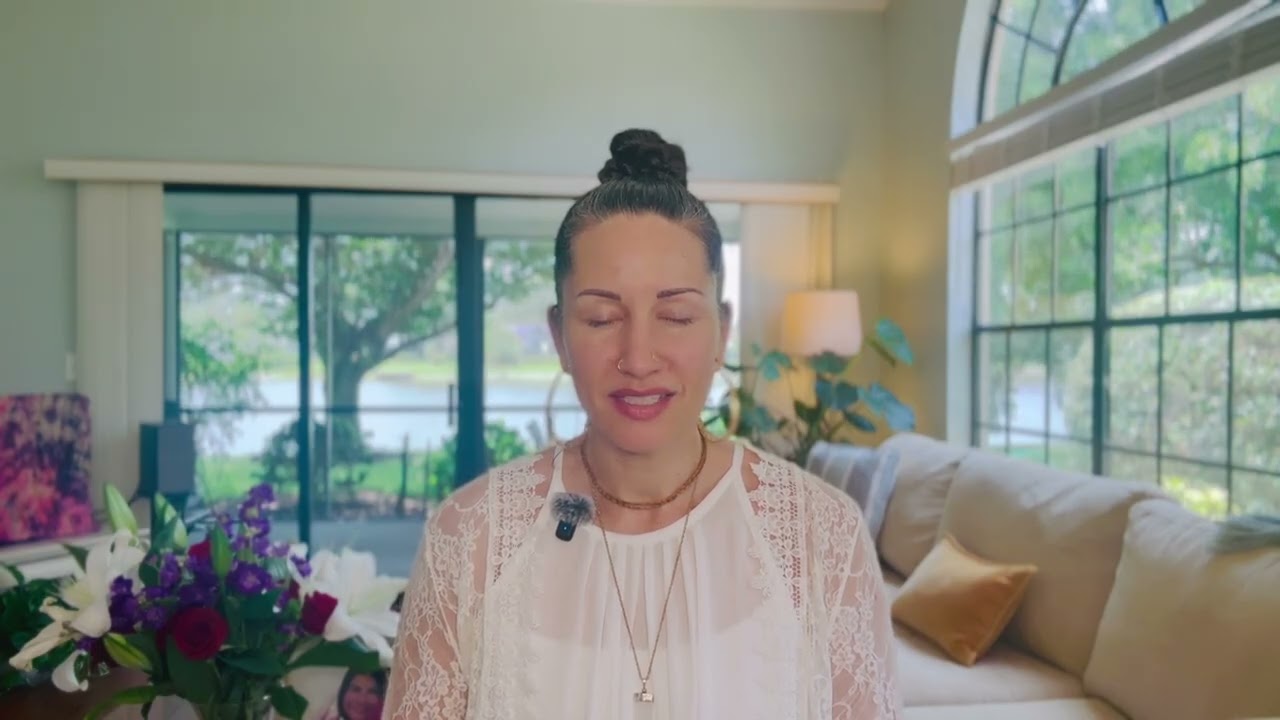
Temple of Sound is an annual evening presented by the International Sound Therapy Association, or ISTA, and the 2011 edition was built the way its name suggests: a room, a sequence of sound, and an audience asked to listen rather than only watch. The recording that carries this title opens with a guided meditation led by Don Simmons and then moves into a concert by Flying Mystics. It is a short document, just under fourteen minutes, and it was posted to YouTube in late March 2011. Its value lies less in any single dramatic moment than in what it shows about how a sound-focused gathering can be structured: a contemplative opening, then music performed for the same room.
A note on the sources before going further. This article is built from the video's title and its published description, and no transcript was available. That means it cannot quote what Simmons said during the meditation, describe the specific techniques he used, or characterize the performance beyond its billing. What follows is an honest account of what the record establishes, and an explanation of the ideas behind the format, without attributing claims to the speakers that the material does not support.
According to the video's description, ISTA is a non-profit organization whose stated purpose is promoting therapeutic sound worldwide. Temple of Sound is its annual gathering, and the 2011 evening was presented as a single program with two parts. The first was a meditation led by Don Simmons. The second was a concert by Flying Mystics. The organization's website, PowerOfSounds.com, is listed in the description as the place to learn more about its work.
The annual format matters. A recurring event gives an organization a yearly point of contact with its community, and it allows the program to be refined from one year to the next. For a group focused on sound as a therapeutic practice, an evening that begins in silence and stillness and then turns toward performed music is a deliberate choice about how listeners are prepared to hear.
The general logic behind placing meditation ahead of music is worth spelling out, because it explains why this kind of program is shaped the way it is. A listener who arrives agitated, talking, or half-attending hears music differently from one who has spent time settling the body and quieting the mind first. Many traditions that work with sound, from chanting to drone-based meditation, treat the listening state itself as part of the practice, not a neutral container for it.
That is a general principle, not a claim about what happened in this particular room. The recording does not let us confirm the exact length of the meditation, the instructions given, or how the audience responded. What it does establish is the sequence: meditation first, concert second. Readers interested in the mechanics of guided sound meditation will find the most useful material in ISTA's own published work, which is the primary source for the organization's approach.
Placing a live performance after a meditation changes the function of the music. Instead of serving as entertainment or as the main event, it becomes a continuation of the inward attention the first half cultivated. The description lists Flying Mystics as the performing act, and that billing is the extent of what the material confirms. Anything further about their sound, instrumentation, or set would be speculation, and this article does not offer it.
For a reader approaching the video now, the most valuable question is not what was played but how the two halves fit together. A meditation that ends and hands off to a concert asks the audience to carry a quieted attention into sound that may be louder, denser, or more rhythmic. Whether that transition worked is something only someone in the room, or a fuller recording, could judge.
The honest summary is that this is a small artifact. It has a clear structure, a named organization, a named leader for the meditation, and a named performing group. It has a modest view count and a short runtime. It does not include a transcript, a detailed description of the practices used, or quotations that would let a reader hear the teacher's own framing in his words.
That limitation is worth stating plainly, because it shapes how the video should be used. It is best read as a record that an annual sound-therapy evening took place in 2011, that it was organized around a meditation followed by a concert, and that ISTA positioned the work as part of a broader effort to promote therapeutic sound. For anyone wanting to understand the deeper ideas behind sound meditation, the video is a starting point that points toward primary sources rather than a complete explanation on its own.
If this evening sparked interest, start with the organization that produced it. ISTA's website at PowerOfSounds.com is the stated home of its work and the most direct route to its later events and published material. From there, compare how sound-focused organizations sequence their programs, whether meditation leads, follows, or runs alongside performance. The structure of Temple of Sound 2011 is a useful example of one answer to that design question, even if the recording alone cannot tell us how well it landed for those who attended.