BrightStar
BlogMy Tickets
BlogMy Tickets
Saved events
Help & contactSign UpLog in
Events
  • Browse All Events
  • Yoga
  • Meditation
  • Breathwork
  • Qigong
  • Sacred Music
  • World Music
  • Medicine Music
  • Sound Healing
  • Ecstatic Dance
  • Ceremony
  • Plant Medicine
  • Energy Healing
  • Satsang & Wisdom
  • Tantra
  • Retreats
  • All Categories →
Destinations
  • Bali
  • Sedona
  • Los Angeles
  • Costa Rica
  • Tulum
  • Byron Bay
  • San Francisco
  • Austin
  • New York
  • San Diego
  • Denver
  • Seattle
  • Portland
  • Miami
  • London
  • Maui
  • Boulder
  • All Cities →
Platform
  • For organizers
  • Join the Movement
  • Sell Globally
  • For Creators
  • For Teams
  • For Writers
  • For Teachers
  • For Kirtan Artists
  • For Studios
  • For Festivals
  • For Retreat Centers
  • For Nonprofits
  • Brand Ambassador
  • Free Ticketing
  • Pro
  • Amplify
  • The Ecosystem
Features

Ticketing and checkout

  • Ticket categories
  • Assigned seating
  • Custom questions
  • Coupon codes
  • Smart pricing
  • Ticket sharing
  • Waitlist
  • Flexible refunds
  • Digital waivers
  • Tip jar
  • Donations and sliding scale
  • Embed widget
  • Mindful checkout
  • Recurring events
  • Private sessions
  • Online courses
  • Summits
  • Rooms and stays
  • Ticket scanner

Marketing and growth

  • Abandoned cart recovery
  • Visitor recovery
  • Upsells and add-ons
  • Affiliate engine
  • Upsell affiliate network
  • Brand ambassador
  • Meta retargeting
  • Verified buyer network
  • Outbound email marketing
  • Email sequences
  • SMS and WhatsApp
  • Event upsell network
  • Direct mail campaigns
  • SEO engine
  • Syndication
  • Event sharing
  • Custom event pages
  • Artist profiles
  • Link in bio
  • Event blog
  • Blog newsletter

Payments

  • Payments, powered by Stripe
  • Buy now, pay later
  • Apple Wallet
  • Multi currency

Data and operations

  • Team access
  • Message center
  • Reports
  • Analytics reporting
  • Performance reporting
  • Customer data
  • Integrations
  • Switch from another platform

AI

  • Assistant
  • AI FAQ assistant
  • All Features →
Company
  • About
  • FAQ
  • Contact
  • Blog
  • Glossary
  • Guides
  • Inspiration
  • Help Center
  • API Docs
  • Brand Assets
  • Press
  • Terms of Service
  • Privacy Policy

Events

  • Browse All Events
  • Yoga
  • Meditation
  • Breathwork
  • Qigong
  • Sacred Music
  • World Music
  • Medicine Music

Destinations

  • Bali
  • Sedona
  • Los Angeles
  • Costa Rica
  • Tulum
  • Byron Bay
  • San Francisco
  • Austin

Platform

  • For organizers
  • Join the Movement
  • Sell Globally
  • For Creators
  • For Teams
  • For Writers
  • For Teachers
  • For Kirtan Artists

Features

  • Community Network
  • Abandoned Cart Recovery
  • Ticket Categories
  • Recurring Events
  • Assigned Seating
  • Affiliate Engine
  • Waitlist / Notify
  • All Features →

Company

  • About
  • FAQ
  • Contact
  • Blog
  • Glossary
  • Guides
  • Terms of Service
  • Privacy Policy
Read more

Events

  • Sound Healing
  • Ecstatic Dance
  • Ceremony
  • Plant Medicine
  • Energy Healing
  • Satsang & Wisdom
  • Tantra
  • Retreats
  • All Categories →

Destinations

  • New York
  • San Diego
  • Denver
  • Seattle
  • Portland
  • Miami
  • London
  • Maui
  • Boulder
  • All Cities →

Platform

  • For Studios
  • For Festivals
  • For Retreat Centers
  • For Nonprofits
  • Brand Ambassador
  • Free Ticketing
  • Pro
  • Amplify
  • The Ecosystem

Company

  • Inspiration
  • Help Center
  • API Docs
  • Brand Assets
  • Press

Ticketing and checkout

  • Ticket categories
  • Assigned seating
  • Custom questions
  • Coupon codes
  • Smart pricing
  • Ticket sharing
  • Waitlist
  • Flexible refunds
  • Digital waivers
  • Tip jar
  • Donations and sliding scale
  • Embed widget
  • Mindful checkout
  • Recurring events
  • Private sessions
  • Online courses
  • Summits
  • Rooms and stays
  • Ticket scanner

Marketing and growth

  • Abandoned cart recovery
  • Visitor recovery
  • Upsells and add-ons
  • Affiliate engine
  • Upsell affiliate network
  • Brand ambassador
  • Meta retargeting
  • Verified buyer network
  • Outbound email marketing
  • Email sequences
  • SMS and WhatsApp
  • Event upsell network
  • Direct mail campaigns
  • SEO engine
  • Syndication
  • Event sharing
  • Custom event pages
  • Artist profiles
  • Link in bio
  • Event blog
  • Blog newsletter

Payments

  • Payments, powered by Stripe
  • Buy now, pay later
  • Apple Wallet
  • Multi currency

Data and operations

  • Team access
  • Message center
  • Reports
  • Analytics reporting
  • Performance reporting
  • Customer data
  • Integrations
  • Switch from another platform

AI

  • Assistant
  • AI FAQ assistant
Get the app
Download on theApp StoreGet it onGoogle Play
© 2026 BrightStar. All rights reserved. BrightStar Selection · Photo credits · Changelog ·
Inspiration

Healing the Abandonment Wound: A Deep Inner Child Reconnection

Jen Peters
Jen Peters
Sep 1, 2019
8 min read

From Jen Peters

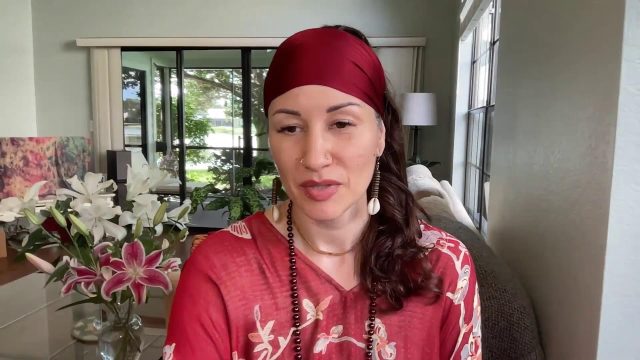
Watch · 8

The abandonment wound operates like a silent script running beneath our relationships and sense of self. It arrives early—sometimes from explicit loss, sometimes from emotional absence—and settles into the nervous system before we have words for it. What makes it particularly pernicious is that most people carrying it don't recognize it as such. Instead, they experience it as scattered consequences: difficulty staying alone, panic when a partner hints at distance, a pattern of attracting emotionally unavailable lovers or ones who cling too tightly. The wound is real, but its shape remains hidden until someone names it.

Read · 6 sections

Recognizing the Pattern

The abandonment wound manifests across a recognizable constellation of behaviors and emotional reflexes. People carrying it tend to attach quickly in relationships, sometimes falling for someone before truly knowing them. This isn't romantic spontaneity—it's a nervous system seeking proof of safety through connection. The flip side is equally telling: they may leave relationships or friendships just as rapidly, as though the speed of departure protects against the terror of being left.

What holds many people hostage is a paradox. Someone with an unhealed abandonment wound will often remain in toxic relationships precisely because the alternative—being alone—triggers panic. The mere idea of a partner leaving sends the nervous system into fight-or-flight. This creates a strange magnetism: the wound tends to attract either emotionally absent partners (recreating the original abandonment) or possessive, deeply needy ones (offering the promise of never being left, though at the cost of autonomy). Both patterns feel familiar because both feel like home—the home of the original wound.

Secondary patterns compound the initial trauma. People with this wound frequently struggle with trust and safety, feel hypersensitive to criticism, carry persistent insecurity about worthiness, and develop a deep fear of rejection. Because the nervous system interprets separation as danger, being apart from a partner—even briefly—can trigger catastrophic thinking about infidelity or abandonment. These aren't character flaws or relationship immaturity; they're somatic memories stored in the body of someone who learned, very early, that connection could be severed without warning.

Where the Wound Originates

The abandonment wound rarely requires dramatic trauma. It can arise from a parent working constantly, creating emotional distance even when physical presence is maintained. It can come from a caregiver's mental illness, addiction, or grief—states in which the child's needs become secondary to the adult's internal world. Sometimes it's a death, a divorce, a prolonged hospitalization. Sometimes it's simply the message, delivered through a thousand small moments, that the child's presence or needs are inconvenient, overwhelming, or unlovable. The nervous system doesn't distinguish between being left at a daycare and being left by death; to the young child, the absence is absolute.

What matters is not the specific event but the conclusion the younger self draws: I am not safe. I cannot trust that people will stay. There is something about me that makes people leave. That belief becomes the operating system. Every relationship, every moment of solitude, every criticism becomes evidence for a case that was already decided.

The Reparenting Practice

Healing an abandonment wound requires more than intellectual understanding. The younger self that internalized the original wound needs to feel, in the body and nervous system, that the conclusion was wrong—that safety is possible, that presence is reliable, that abandonment need not be the inevitable ending.

The guided healing process begins with grounding: calling one's energy back into the body from the scattered places it has fled when feeling unsafe. This is essential work because people carrying abandonment wounds often dissociate or "go into flight," as the practice names it—leaving the body as a protective strategy. Bringing that scattered energy back down through the chakras and into the feet re-establishes basic somatic presence.

From that grounded place, the practice invites recall of a moment when abandonment fear was most acute. Rather than analyzing the memory, the practitioner is asked to notice where in the body the trigger activates—where the charge lives physically. This is crucial: the wound is stored not as narrative but as sensation. A tightness in the chest, a hollow in the belly, a heaviness in the limbs. The practice moves progressively deeper: first to the physical sensation, then to the emotions layered underneath, then to the younger self sitting inside that somatic space.

What emerges is typically a child—though sometimes multiple ages of the self appear. The younger self has been held in that space of the body, waiting, often for years or decades. When the adult self meets this younger version and looks them in the eyes, something shifts. The practice offers words that rewrite the original narrative: I see you here. I am never going to abandon you again. I am here to love you and keep you safe.

These are not hollow affirmations. In the context of this work, they are the voice of the present-time adult self, meeting the traumatized child not as past but as a part of the current psyche that still carries that original abandonment as lived reality. The practice invites the younger self to speak, to say what has been unsaid for years: the loneliness, the terror, the confusion about why they were left, what they did wrong. The adult listens without trying to fix or minimize. This act of witnessing—of the younger self being truly heard and seen by the one person who can offer safety (the adult self)—begins the reparenting.

Releasing the False Conclusions

The work then moves to the beliefs that crystallized around the wound. Many people who experienced parental absence form conclusions like: If my parents left me, I must be unlovable. If I'm alone, I will not survive. I cannot trust anyone with my heart. These are not abstract beliefs; they are survival conclusions reached by a small, frightened mind trying to make sense of pain it couldn't control or prevent.

The practice walks through identifying these specific beliefs as they exist in the individual—not generic abandonment fears but the particular stories each person has written. It then offers a corrective: acknowledging that the child's experience was real and painful, but the conclusion drawn was based on incomplete information and an impossible situation. What happened was not your fault. Not all parents have the capacity to show up. This was about them, not about your value.

Once the younger self begins to release the false conclusions, attention turns to the patterns built on top of that false foundation. Someone who formed the belief If I love someone, they will leave me might have constructed a pattern of leaving first, or attaching too quickly as a preemptive bid for safety, or choosing unavailable partners so that abandonment feels expected rather than shocking. The practice surfaces these patterns and helps the individual understand them not as character defects but as brilliant, heartbreaking strategies a younger self employed to survive and protect.

Transformation at the Root

The deepest work involves what the practice calls "dissolving" these patterns—not through willpower or behavioral change, but through changing the foundational belief that generated them. When the younger self truly receives, at a somatic level, the message that she is lovable and that safe, reliable connection is possible, the survival strategies become unnecessary. The nervous system can begin to downregulate. Trust becomes possible not as an aspiration but as a changed baseline.

This is not a single session that "fixes" an abandonment wound. The wound is often layered, with different ages of the self holding different aspects of the trauma, and with real-world relationships continuously activating those somatic memories. But the practice offers something reproducible: a protocol for meeting the younger self directly, for offering the reparenting that was missing, and for rewriting the operating system one belief, one sensation, one moment of genuine safety at a time.

What shifts when this work is done faithfully is profound. The panic at separation begins to ease because the nervous system has been given evidence that the adult self will not abandon the younger self. Relationship choices change because the need for validation through connection is no longer desperate; it becomes optional. The person can distinguish between healthy solitude and abandonment panic. They can tolerate a partner's separateness without interpreting it as rejection. They can hear criticism without it confirming their unworthiness. The patterns collapse not because someone forced better behavior but because they were built on a lie that is no longer believed.

Where to go from here

If this material resonates, the most direct entry point is to work through a guided healing practice, moving slowly and allowing whatever emerges to surface without rushing to resolution. Many people benefit from multiple passes through the same practice, as different layers of the wound reveal themselves over time. Pairing this inner work with practical support for the inner child—developing a consistent ritual of self-care, internal dialogue, and reassurance—deepens the reparenting process beyond the meditation itself.

For those who find the work stirring up significant emotion or complexity, working with a trained therapist or healer familiar with both trauma and inner child work can provide essential support and ensure the process moves safely. The goal is not to bypass the pain but to move through it with the kind of gentle, steady presence that the younger self needed all along.

Comments

Loading the conversation…

Transcript

[0:00] hi I'm Jen thank you so much for joining

[0:03] me in this particular healing journey

[0:06] we're going to be looking at the

[0:08] abandonment wound the abandonment wound

[0:10] as incredibly common in fact actually a

[0:14] lot of us will be carrying this but we

[0:15] won't even really realize that we are

[0:17] except that we'll have certain parts of

[0:20] our lives that really will not be going

[0:22] well so here's a couple of examples of

[0:25] what the abandonment wound looks like in

[0:28] our day to day life so someone with an

[0:31] abandonment wound they're likely to

[0:33] attach to relationships really really

[0:35] quickly that's but they're lucky to

[0:37] really fall for the person before they

[0:39] even really know them they'll have a

[0:41] fear of being alone or being single and

[0:44] when they are in a relationship they'll

[0:46] get really panicky about the idea of

[0:48] their partner leaving them they'll often

[0:52] attract emotionally or physically

[0:54] unavailable partners or the other

[0:57] extreme really really needy or even

[0:59] possessive partners they'll feel quite

[1:02] as secure a lot of the time and they'll

[1:05] have a real fear of rejection they'll

[1:08] also be hypersensitive to criticism and

[1:11] they'll often carry a lot of trust or

[1:16] safety issues as well so as you can see

[1:19] these are just a few of the Commons that

[1:22] are patterns that play out when we have

[1:24] an abandonment wound and when we've got

[1:27] these types of patterns they really are

[1:28] threaded through every part of our life

[1:30] and they'll undermine us at every every

[1:34] um stage and aspect of our life too so

[1:37] when we heal the abandonment wound and

[1:40] we heal it effectively you can expect

[1:43] these patterns to actually collapse as

[1:46] well so if this so far is resonating

[1:50] with you I'd love you to join me and a

[1:53] guided healing where I'll take you

[1:54] through actually connecting with the

[1:57] part of you that feels abandoned and

[2:01] will connect with that part of you will

[2:04] give them the healing and the

[2:06] understanding and the empowerment that

[2:07] they need and we'll bring them back into

[2:10] balance

[2:10] and from there we'll also identify what

[2:15] other beliefs you might have formed and

[2:17] also and what are the patterns you

[2:20] specifically are playing out in relation

[2:22] to this wound and then of course will

[2:24] dissolve them okay so if you'd like to

[2:27] join me I will love to see you there

[2:29] right so let us begin I just like you to

[2:40] first of all call that your energy from

[2:43] different times and different places so

[2:46] just close your eyes and actually ask

[2:47] that your energy returned to you now you

[2:51] might see it moving across the sky and

[2:54] coming back in down through your crown

[2:57] chakra and your third eye down past your

[3:02] throat your heart your solar pixels as

[3:08] it moves down past your sacral your base

[3:12] chakra all the way down your legs and

[3:14] back into your feet often when we are

[3:18] carrying the abandonment wound will also

[3:22] often go into flight easily which means

[3:25] that our energy will leave it our body

[3:27] when we're feeling unsafe so it makes us

[3:30] feel like I feel really unsafe and

[3:31] secure and ungrounded so that's a really

[3:34] great little exercise for you if you

[3:36] carry this wound excellent okay so now

[3:41] they've brought your energy back into

[3:42] your body I want you to take a couple of

[3:44] deep and relaxing breaths nice natural

[3:48] relaxing breaths good and I want you to

[3:54] notice above your head right up into the

[3:58] sky you'll notice a beautiful golden

[3:59] fire and I'll ask you to just draw this

[4:03] golden fire down down towards the top of

[4:06] your crown chakra and enter the space

[4:09] into the room that you're in right now

[4:11] and I want you to notice this beautiful

[4:13] gold and fire it's the golden five the

[4:16] Christ grid I want you to notice this

[4:18] golden fire just spreading right across

[4:20] the ceiling down the walls across the

[4:24] wind

[4:24] dough's and this beautiful golden fire

[4:27] of the Christ grid as it spreads across

[4:29] the floor completely encasing you in

[4:32] this beautiful powerful Christ conscious

[4:35] energy so this will protect the space

[4:37] that you're in while we do this process

[4:44] good that's excellent

[4:47] okay so now I'd like you to take a

[4:50] moment I'd like you to take a moment and

[4:53] I want you to recall a time where you

[4:55] have felt felt that real fear of being

[4:59] alone you felt that fear of being

[5:03] rejected or abandoned in some way I'll

[5:08] give you a moment to think of that now

[5:20] good excellent so now now that you've

[5:25] got the scenario I want you to take a

[5:28] moment to dive into the scenario and I

[5:31] want you just to replay it in your mind

[5:33] and what I'm wanting you to do is to

[5:36] notice when you feel a trigger in your

[5:39] body good okay so now I want you to

[5:51] notice we're adults in your body are you

[5:54] feeling this emotional charge and it

[5:57] might be in more than one part that's

[5:59] totally fine but just notice where is it

[6:02] most intense good okay so I want you to

[6:14] really connect with that part of your

[6:16] body now and I want you to notice what

[6:23] are the physical physical sensations and

[6:26] that part of your body it might be

[6:32] heaviness or tight or withdrawing just

[6:38] notice how does it feel physically good

[6:47] excellent

[6:49] now we're going to dive a wee bit deeper

[6:51] let's dive in a little bit deeper and I

[6:55] want you to notice what are the emotions

[6:57] sitting in that part of your body

[7:11] great and I want you to dig a little bit

[7:14] deeper now what else is sitting there

[7:17] what other emotions are sitting

[7:19] underneath good excite so now that

[7:33] you've connected with the emotions that

[7:35] are sitting there I want you to go a

[7:37] little bit deeper and I want you to go

[7:40] into that space a little bit further and

[7:42] I want you to notice the other version

[7:47] of you that's sitting and that part of

[7:50] your body now they're probably going to

[7:52] be a child so it'll be a much younger

[7:54] version of you most likely but not

[7:57] definitely and there might be more than

[7:59] one of you that's totally fine totally

[8:01] normal but I want you to connect with

[8:04] that other version of you that sits

[8:07] inside that part of your body and if you

[8:17] can't connect with them straight away I

[8:19] want you to imagine that you can because

[8:22] they are the air I can see them so just

[8:25] imagine that you can connect with them

[8:36] good excellent great so now you've

[8:41] connected with them I want you to notice

[8:43] how are they how old are they first

[8:46] approximately how old and just trust

[8:53] that whatever number comes to yours

[8:54] correct good and I want you to before we

[9:05] go and see them I want you to just feel

[9:08] into what what emotions are they feeling

[9:12] right now how are they feeling because

[9:14] they're probably feeling things like I

[9:16] had expect them to be feeling probably

[9:18] alone and abandoned that they're

[9:22] probably feeling fearful there might be

[9:25] feeling confused just connect in and see

[9:31] how are they feeling right now

[9:43] great you're doing really well now when

[9:48] I'm going to get you to do is I'm going

[9:49] to get you to actually go in to the

[9:54] scene where they are right now so if

[9:56] they're quite young then it would be

[9:59] entirely appropriate for you to go in

[10:01] and pick them up if they're much older

[10:04] and too big then it might be that you

[10:05] kneel down beside them or yes it mix

[10:08] them or opposite them but I want you the

[10:11] main key here is that I want you to

[10:13] connect with them in such a way that

[10:15] they know that they're supported and

[10:18] that's safe so I want you to go into

[10:20] them now and again if the little just

[10:24] pick them up and I want you to look them

[10:28] in the eyes and I want you to say to

[10:33] them that I see you here

[10:39] and I want you to know that I am never

[10:43] going to abandon you again and I'm here

[10:51] to love you and keep you safe and to

[11:03] bring you home with me where you belong

[11:18] good well done if you need more time

[11:21] just pause audio and take more time so I

[11:28] want you to say to them now that

[11:31] something along the lines of I know that

[11:36] you've been alone for a long time and I

[11:43] want you to share with me what it is

[11:47] that you've got to say because they will

[11:49] have stuff that they want to say to you

[11:52] so just and invite them to tell you

[11:53] those things now

[12:13] good now depending what it is that they

[12:17] tell you what we want to do now is we

[12:21] want to acknowledge what they've seems

[12:22] and we want to give them the

[12:24] reassurances that they need like if

[12:26] they've said to you that they feel

[12:28] really alone and they feel really

[12:29] frightens then I want you to say to them

[12:32] something like I know that you feel

[12:34] really alone and you feel really

[12:35] frightened but I am here now and I'm

[12:38] never going to leave you alone again so

[12:41] that you don't need to be afraid anymore

[12:43] so I'll give you a moment to do that now

[13:05] because and I want you to ask them if

[13:09] there's anything else that they'd like

[13:11] you to know right now

[13:27] good and depending on what they've got

[13:30] to say once again just acknowledge that

[13:34] back to them and give them their

[13:35] assurances that they need like they

[13:37] might be saying something like I don't

[13:43] understand why mommy and daddy don't

[13:46] want to play with me they never make any

[13:48] time for me or you know if that's the

[13:52] case we would say to them something

[13:54] along the lines of I know you're

[13:57] wondering why your mum and dad just

[13:58] don't spend time playing with you and

[14:00] you could actually say depending how

[14:03] comfortable you are worth with us you

[14:05] could actually say to them something

[14:06] like not all mommies and daddies know

[14:10] how to be great mummies and daddies so

[14:13] they don't always know what it is that

[14:15] you need but I know what you need and

[14:17] I'm going to give that to you from now

[14:19] on

[14:37] and I'd like to also tell them that what

[14:41] is actually happening now is not their

[14:44] fault it's not because they're not good

[14:51] enough or they're not behaving well or

[14:55] that that person doesn't want to be

[14:58] around them the reason this is happening

[15:01] is actually because of the other person

[15:04] is not actually about them good

[15:20] so now I'd really like you to ask them

[15:23] what beliefs have they formed about

[15:26] themselves

[15:38] gosh and once again I'm just like before

[15:43] depending on what they say to you I need

[15:46] you to replay that back to them and give

[15:50] them the reassurances that they need for

[15:52] example they might have a belief theirs

[15:54] that everybody abandons them so I'd want

[15:59] you to say to them that I know that you

[16:02] have a belief that everybody abandons

[16:05] you but I want you to know that this is

[16:07] not true and that I will never ever

[16:11] abandon you I will always be here for

[16:14] you and I will always love you 100% or

[16:19] they might have a belief that they're

[16:21] not good enough and that's why nobody

[16:25] plays with them

[16:26] so you would say to them something along

[16:28] the lines of I know you have a belief

[16:31] that you're not good enough but I want

[16:34] you to know that you're actually more

[16:36] than enough you always have been and you

[16:39] always will be

[16:41] or if they've got a belief that they're

[16:45] not worthy you would say to them I know

[16:48] you have a belief that you're not worthy

[16:50] of being loved but I want you to know

[16:53] that's not true that you are worthy of

[16:57] being loved and of giving love and I

[17:00] will always always love you no matter

[17:03] what you do or what you don't do so I'll

[17:07] leave that with you now just to find out

[17:09] what are their beliefs and then to give

[17:12] them the reassurances that they need and

[17:14] pay it back to them

[17:36] excellent and I want you to ask now with

[17:40] that belief or those beliefs what

[17:42] patterns have they developed so for

[17:47] example if they have got a fear that

[17:50] everybody abandons them they're probably

[17:53] going to do stuff like people-pleasing

[17:55] or they're going to be a really really

[17:58] good boy or really really good girls so

[18:00] then they don't get abandoned so just

[18:03] find out what patterns of behavior have

[18:06] they formed in relation to the beliefs

[18:09] that they have good and once you've got

[18:26] those pennons once again just

[18:28] acknowledge those patterns back to them

[18:30] and let them know that they don't need

[18:32] to do that anymore and give them the

[18:34] reassurance that they need

[18:52] excellent god you're doing really well

[18:55] so let's do that one more time with the

[18:58] beliefs just chicken and ask if there

[19:01] any other beliefs that they have formed

[19:03] about themselves they might have a

[19:15] belief that that if everybody abandons

[19:20] them that they then have to find

[19:24] relationships where that people are

[19:26] emotionally unavailable and that way

[19:28] they won't get hurt so you want to try

[19:31] and uncover those types of beliefs and

[19:34] patterns and them I'll give you a moment

[19:35] to do there now

[19:59] good and once again just play them back

[20:02] to them and give them the reassurances

[20:04] that they need that they don't need to

[20:06] do that anymore

[20:07] that you're not going to abandon them

[20:09] and you're always going to be there to

[20:10] love them

[20:32] excellent well done if you'd like to do

[20:35] another round of this just pause the

[20:37] audio and take the time that you need to

[20:40] do another round come back to us when

[20:42] you're ready so I'd now like to give you

[20:45] the opportunity this is not going to be

[20:48] funny but if this feels like a resonance

[20:51] to you I would suggest perhaps taking

[20:56] the opportunity to speak with the person

[20:58] or people involved and less abandonments

[21:01] okay if it was it might have been mum or

[21:04] dad working all the time never having

[21:06] time for you or it might have actually

[21:08] been one of your parents actually

[21:10] literally abandoning you whatever the

[21:13] situation is you can do this alongside

[21:17] the younger version of you and it's

[21:20] really important that you say exactly

[21:23] what it is that you need to say you know

[21:25] so you don't dilute it that's really

[21:27] important that the other version of you

[21:29] gets to actually speak their truth and

[21:31] to be heard okay so all you need to do

[21:34] is to invite the other energy or the

[21:36] other person enter that scene and if

[21:39] they're a little bit scary or the the

[21:41] other version of you is a little bit

[21:42] nervous just shrink the probably the

[21:45] parent down so that much smaller and so

[21:48] that the younger version of you doesn't

[21:50] feel intimidated at all but just invite

[21:53] them in and let the other version of you

[21:55] say whatever it is that they need to say

[21:57] then just don't hold back and you are

[21:59] welcome to as well

[22:37] excellent well done that's really great

[22:40] if you need more time just take it so

[22:43] what we'll do now is with your little

[22:45] one I want you to notice how are they

[22:46] feeling now they're probably feeling a

[22:48] little bit more calm and a piece I would

[22:50] say

[22:55] good excellent so what can do now is

[22:58] we're going to bring in some healing

[22:59] energy for them and I want you to notice

[23:02] them completely surrounded and violet

[23:05] light beautiful shimmering violet light

[23:09] so the survived that light will

[23:11] transmute or Alchemy's any of that yucky

[23:14] stuff that was sitting there around the

[23:18] abandonment wound good and I want you

[23:23] also to notice I'm going to give you now

[23:25] a clear quartz crystal which come looks

[23:28] like gum clear glass it can be any shape

[23:31] whatever shape comes to mind will be

[23:33] perfect for you and it's got a really

[23:36] vibrant beautiful shimmering rainbow

[23:39] coming up from us and and all of the

[23:42] colors are actually light codes and

[23:45] activations sacred geometry and healing

[23:48] that is absolutely perfect for you and

[23:50] then it's direct from the fifth

[23:51] dimension so it's a very very high

[23:53] vibration on very very powerful so I

[23:56] want you to take this beautiful rainbow

[23:58] crystal and I want you to pop it into

[24:00] the part of the body where it was where

[24:04] you felt the emotional charge like was

[24:06] in your heart put into your heart if it

[24:08] was in your solar plexus or your belly

[24:09] pop it in the air okay so when you pop

[24:12] that in there now and I'm also going to

[24:14] put a golden drop of Christ conscious

[24:17] energy in that area as well and I want

[24:18] you to notice that golden drop just

[24:21] completely infusing that whole area good

[24:25] and we've now got the beautiful rainbow

[24:28] crystal in there as well and so you'll

[24:31] notice that beautiful rainbow started to

[24:33] completely surround them from head to

[24:36] toe right out into the auric field

[24:38] completely surrounded and beautiful

[24:40] shimmering of rainbow lights

[24:44] that's excellent you've done really well

[24:48] you might notice the rainbow around you

[24:50] too a few chicken you'll probably see us

[24:54] good I'm just going to put a couple of

[24:57] drops of soft pink

[24:58] so you've got a beautiful unconditional

[25:00] love you notice that soft paint just

[25:02] cascading through your energy field and

[25:05] a wee bit of

[25:07] to the gold is Christ conscious energy

[25:09] and it really enhances the the vibration

[25:14] of the other colors so it's popular in

[25:16] there now God you'll probably notice

[25:20] that this little one will be very sleepy

[25:22] if not have gone to sleep by now that is

[25:24] really normal that tells us that they'll

[25:26] really totally go I love a lot of this a

[25:29] lot of this patterning in this unwinding

[25:32] which is awesome so now I'd like you to

[25:36] take this other version of you and just

[25:38] shrink them down so small enough to set

[25:40] new hand they're still completely

[25:41] surrounded and that beautiful rainbow

[25:43] lights with a soft pink and gold and I'd

[25:46] like you to pop them into your house and

[25:50] I just want you to let them know one

[25:52] more time if there's another message you

[25:54] want to share with them go for it but

[25:56] just let them know one more time that

[25:58] from now on that you are never going to

[26:02] abandon them you want well you won't

[26:04] ever leave them alone again you will

[26:07] always always be there to love them and

[26:10] to support them and give them that

[26:12] guidance and that affection that they

[26:13] deserve and that they're now home they

[26:19] now home with you where they belong and

[26:23] they can now rest

[26:33] that's amazing

[26:35] you've done a beautiful job well done so

[26:38] this healing guided healing can be done

[26:41] as often as you like you will find that

[26:44] it is very powerful so you will be

[26:46] dissolving and healing that wound and

[26:50] solving the patterning and the beliefs

[26:52] that go with it with each time that you

[26:55] do this particular healing excellent

[27:00] look thank you so much I hope you enjoy

[27:02] that and I really look forward to seeing

[27:04] you again next time and as always this

[27:08] healing is offered to you with love and

[27:10] blessings

Jen Peters

Jen Peters

Artist

Jen Peters is a New Zealand-based multidimensional healer and author of Coming Home, who helps people dissolve inner child trauma, codependency and the effects of narcissistic abuse.

View profile
Explore Topics
Abandonment woundInner childEmotional healingRelationship patternsReparenting
Frequently Asked Questions

Frequently Asked Questions

An abandonment wound is a deep belief, typically formed in childhood, that people will leave you or that you are unlovable. It can arise from explicit loss (death, divorce) or emotional absence (a parent working constantly, struggling with addiction, or unable to provide emotional attunement). The young child's nervous system concludes that connection is unsafe and abandonment is inevitable, and this belief then structures adult relationship patterns and self-perception.

An unhealed abandonment wound often leads to attaching quickly to partners, panic at the idea of separation, difficulty trusting or feeling safe, and a tendency to either stay in toxic relationships or leave rapidly. It also creates patterns of attracting emotionally unavailable partners or deeply possessive ones, since both feel familiar—recreating the original wound or seeming to promise permanent connection at any cost.

Guided inner child work and reparenting practices offer a direct, reproducible way to work with the wound. The practice involves meeting the younger self that holds the abandonment trauma, offering witnessed presence and reassurance, and gradually rewriting the false beliefs that formed around the original experience. Many people benefit from repeated sessions and pairing the practice with consistent self-care; working with a therapist can provide additional support for complex presentations.

Reparenting is the process of the adult self meeting the younger self (often a child version) that was wounded by abandonment, and offering the safety, presence, and reassurance that was missing at the time. Through guided visualization and direct internal dialogue, the adult promises to never abandon the younger self again and witnesses the child's pain, which begins to change the nervous system's foundational belief about safety and trustworthiness.

Common beliefs include: 'I am unlovable,' 'If I am alone, I will not survive,' 'I cannot trust anyone with my heart,' 'People will always leave me eventually,' and 'There is something wrong with me that makes people leave.' These are survival conclusions reached by a frightened young mind trying to make sense of pain it couldn't control, and they often persist into adulthood, shaping choices and perceptions.

There is no fixed timeline; abandonment wounds are often layered, with different ages of the self holding different aspects of the trauma. The healing work is progressive and deepening, with many people benefiting from repeated guided practices over weeks or months. The goal is not a single 'fix' but a gradual rewiring of the nervous system and the foundational beliefs that generated protective patterns.

The practice offers tools for progressive healing, but deep trauma often surfaces in layers. If panic or overwhelming emotion continues, working with a trained therapist or healer experienced in trauma and inner child work provides essential support. The practice is meant to complement professional care, not replace it, especially when the wound is severe or complex.

You might also like

View All
Healing the Chronically Lonely Inner Child, Step by Step
Inspire

Healing the Chronically Lonely Inner Child, Step by Step

A 35-minute guided visualization built on one idea: adult loneliness can be a feeling a child carried, even in a loving home. Here is how th…

12 min read
Healing the Rejection Wound: A Guided Inner Child Practice
Inspire

Healing the Rejection Wound: A Guided Inner Child Practice

Jen Peters' 2019 guided healing walks listeners back to a moment of rejection, finds the younger self who carried it, and works through the …

9 min read
Suppressed Anger: Why Hidden Rage Exhausts You
Inspire

Suppressed Anger: Why Hidden Rage Exhausts You

Most people suppress anger without realizing it—and it costs them their boundaries, voice, and power. Here's how to recognize and safely rel…

9 min read
Inner Child Healing and the Return to Self-Love
Inspire

Inner Child Healing and the Return to Self-Love

A meditation guide walks you through reconnecting with your inner child to dissolve fragmentation and find your way home to wholeness and se…

7 min read
See allYou might also like→

Continue your journey

More wisdom and gatherings from across the BrightStar directory.

More Articles

Browse the full library of teachings, interviews, and guides.

Back to all articles →

Teachers & Artists

Explore the lineages, musicians, and guides of the conscious world.

Explore artists →

Find an Event

Kirtan, retreats, sound baths, breathwork, festivals — happening soon.

Browse events →