The holidays arrive with an odd logic: a week designed for joy that often brings constraint, cramped schedules, and the question everyone's afraid to ask—what do I actually have to be grateful for? The assumption most of us carry is that gratitude is something we earn once everything gets right. But there's a quieter, more radical alternative: what if gratitude isn't a reward for a good year, but a shift in what we're paying attention to?
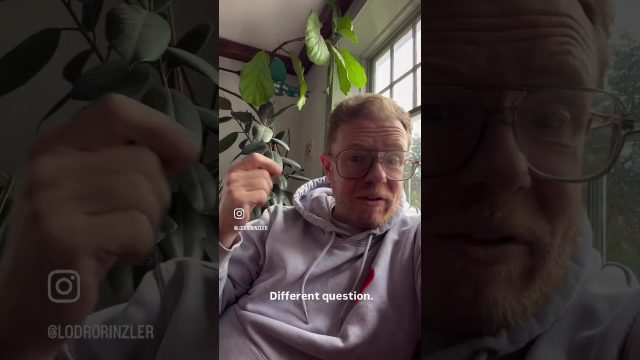
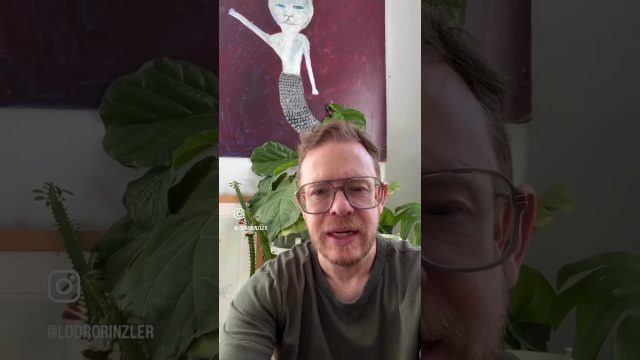
This distinction matters more than it sounds. It's the difference between forced thankfulness and genuine awareness. When Lodro Rinzler, a Buddhist-trained meditation teacher and author, leads a guided gratitude practice, he begins not with a roster of blessings but with a question: what am I overlooking right now?
Rinzler has built gratitude into his morning ritual. Before most people get out of bed, he asks himself: what am I grateful for today? It's not the kind of affirmation that gets social media traction—no sunrise-filtered selfies, no manifesto energy. What comes up for him, and what he's found comes up for most people who sit with the question long enough, are the things already there: a healthy child, a partner, a person who has cared for his family, the roof overhead. For him, it's also eyesight, something he's had to defend gratefully for thirty years as his prescription has shifted. He could spiral into the story of decline—I can barely see, my prescription keeps changing, I can't see my colleague clearly. Or he could notice: I'm still seeing.
This is the actual hinge point of gratitude practice in the Buddhist tradition. It's not denying that bad things exist—war, inflation, systemic injustice. These are real. But we have a choice, moment to moment, about which part of reality we're feeding our attention to. If we starve the mind with only stories of what's broken, we build a habit of misery. If we practice noticing what's working—even small things, even ordinary things—we create room to think clearly, to act, to offer something to the world rather than just react from depletion.
The word "gratitude" gets weaponized in self-help culture as a corrective—if you're anxious or sad, be grateful; it's a personal moral failure if you can't find the bright side. Rinzler's teaching cuts straight through that. Gratitude practice, he explains, is an expansion of awareness. It's not a form of denial or toxic positivity. It's permission to notice things you might not normally see.
The meditation itself is straightforward. After settling into the body and anchoring attention to the breath—the foundation of any contemplative work—the practitioner asks: what am I grateful for today? Not out loud, not performed, just asked. And then you wait. You let your mind offer up whatever it offers. You don't judge it, don't dismiss it as too small or too obvious. You notice. Then you ask again. What am I grateful for today?
The mind will sometimes spiral—into stories, into complaint, into the things you're not grateful for. That's fine. You notice that too, without judgment. The practice isn't about forcing only positive thoughts. It's about practicing the choice to return to the question, to expand the lens again.
The effects of this practice aren't metaphorical. During a live session, one participant shared that a significant work problem had been consuming her attention. As she moved through the gratitude meditation, that issue didn't disappear—but it got smaller. It stopped being the only thing in the room. Life became bigger than one problem. She could see it was real and pressing, but also temporary. Just a moment in a larger existence.
Another participant discovered something subtler: the gratitude practice could turn her attention inward, toward qualities she'd worked to develop in herself, toward strengths she'd trained into being. It broke the habit of only looking outward for things to be grateful for—the external goods that are easy to list and also easy to lose.
What both experiences point to is the same mechanism: gratitude practice cuts through anxiety and mental noise by literally expanding where you're looking. When the mind is contracted around a single problem or story, it can't see the bigger field. When you deliberately open to what's there, the anxiety doesn't vanish—but it stops being the weather. It becomes weather. Something moving through a larger climate.
The holidays bring a particular pressure around gratitude. Everyone's supposed to feel it, suppose to perform it. Rinzler acknowledges this up front: some people, when they hear "gratitude practice," want to say no. I don't have time for this. I have too much to do. For some, the year has been genuinely hard. For others, the holidays themselves trigger old pain or isolation.
What's offered here isn't a platitude. It's an invitation to practice choosing where attention goes. We can't control whether we have problems, losses, or pain. But we can practice noticing what else is there. That choice—to look, to broaden the lens, to acknowledge what's working alongside what isn't—is available any moment in any day. It's available, in fact, right under the nose, as Rinzler puts it. We just have to pause long enough to see it.
If this practice speaks to you, Rinzler offers free meditations at lodrorinzler.com. The gratitude meditation is about 29 minutes, long enough to settle the mind and sit with the question without rushing. You don't need any equipment or prior experience. The only requirement is a few quiet minutes and a willingness to be surprised by what your own awareness might show you when you're not too busy controlling the answer.