BrightStar
BlogMy Tickets
BlogMy Tickets
Saved events
Help & contactSign UpLog in
Events
  • Browse All Events
  • Yoga
  • Meditation
  • Breathwork
  • Qigong
  • Sacred Music
  • World Music
  • Medicine Music
  • Sound Healing
  • Ecstatic Dance
  • Ceremony
  • Plant Medicine
  • Energy Healing
  • Satsang & Wisdom
  • Tantra
  • Retreats
  • All Categories →
Destinations
  • Bali
  • Sedona
  • Los Angeles
  • Costa Rica
  • Tulum
  • Byron Bay
  • San Francisco
  • Austin
  • New York
  • San Diego
  • Denver
  • Seattle
  • Portland
  • Miami
  • London
  • Maui
  • Boulder
  • All Cities →
Platform
  • For organizers
  • Join the Movement
  • Sell Globally
  • For Creators
  • For Teams
  • For Writers
  • For Teachers
  • For Kirtan Artists
  • For Studios
  • For Festivals
  • For Retreat Centers
  • For Nonprofits
  • Brand Ambassador
  • Free Ticketing
  • Pro
  • Amplify
  • The Ecosystem
Features

Ticketing and checkout

  • Ticket categories
  • Assigned seating
  • Custom questions
  • Coupon codes
  • Smart pricing
  • Ticket sharing
  • Waitlist
  • Flexible refunds
  • Digital waivers
  • Tip jar
  • Donations and sliding scale
  • Embed widget
  • Mindful checkout
  • Recurring events
  • Private sessions
  • Online courses
  • Summits
  • Rooms and stays
  • Ticket scanner

Marketing and growth

  • Abandoned cart recovery
  • Visitor recovery
  • Upsells and add-ons
  • Affiliate engine
  • Upsell affiliate network
  • Brand ambassador
  • Meta retargeting
  • Verified buyer network
  • Outbound email marketing
  • Email sequences
  • SMS and WhatsApp
  • Event upsell network
  • Direct mail campaigns
  • SEO engine
  • Syndication
  • Event sharing
  • Custom event pages
  • Artist profiles
  • Link in bio
  • Event blog
  • Blog newsletter

Payments

  • Payments, powered by Stripe
  • Buy now, pay later
  • Apple Wallet
  • Multi currency

Data and operations

  • Team access
  • Message center
  • Reports
  • Analytics reporting
  • Performance reporting
  • Customer data
  • Integrations
  • Switch from another platform

AI

  • Assistant
  • AI FAQ assistant
  • All Features →
Company
  • About
  • FAQ
  • Contact
  • Blog
  • Glossary
  • Guides
  • Inspiration
  • Help Center
  • API Docs
  • Brand Assets
  • Press
  • Terms of Service
  • Privacy Policy

Events

  • Browse All Events
  • Yoga
  • Meditation
  • Breathwork
  • Qigong
  • Sacred Music
  • World Music
  • Medicine Music

Destinations

  • Bali
  • Sedona
  • Los Angeles
  • Costa Rica
  • Tulum
  • Byron Bay
  • San Francisco
  • Austin

Platform

  • For organizers
  • Join the Movement
  • Sell Globally
  • For Creators
  • For Teams
  • For Writers
  • For Teachers
  • For Kirtan Artists

Features

  • Community Network
  • Abandoned Cart Recovery
  • Ticket Categories
  • Recurring Events
  • Assigned Seating
  • Affiliate Engine
  • Waitlist / Notify
  • All Features →

Company

  • About
  • FAQ
  • Contact
  • Blog
  • Glossary
  • Guides
  • Terms of Service
  • Privacy Policy
Read more

Events

  • Sound Healing
  • Ecstatic Dance
  • Ceremony
  • Plant Medicine
  • Energy Healing
  • Satsang & Wisdom
  • Tantra
  • Retreats
  • All Categories →

Destinations

  • New York
  • San Diego
  • Denver
  • Seattle
  • Portland
  • Miami
  • London
  • Maui
  • Boulder
  • All Cities →

Platform

  • For Studios
  • For Festivals
  • For Retreat Centers
  • For Nonprofits
  • Brand Ambassador
  • Free Ticketing
  • Pro
  • Amplify
  • The Ecosystem

Company

  • Inspiration
  • Help Center
  • API Docs
  • Brand Assets
  • Press

Ticketing and checkout

  • Ticket categories
  • Assigned seating
  • Custom questions
  • Coupon codes
  • Smart pricing
  • Ticket sharing
  • Waitlist
  • Flexible refunds
  • Digital waivers
  • Tip jar
  • Donations and sliding scale
  • Embed widget
  • Mindful checkout
  • Recurring events
  • Private sessions
  • Online courses
  • Summits
  • Rooms and stays
  • Ticket scanner

Marketing and growth

  • Abandoned cart recovery
  • Visitor recovery
  • Upsells and add-ons
  • Affiliate engine
  • Upsell affiliate network
  • Brand ambassador
  • Meta retargeting
  • Verified buyer network
  • Outbound email marketing
  • Email sequences
  • SMS and WhatsApp
  • Event upsell network
  • Direct mail campaigns
  • SEO engine
  • Syndication
  • Event sharing
  • Custom event pages
  • Artist profiles
  • Link in bio
  • Event blog
  • Blog newsletter

Payments

  • Payments, powered by Stripe
  • Buy now, pay later
  • Apple Wallet
  • Multi currency

Data and operations

  • Team access
  • Message center
  • Reports
  • Analytics reporting
  • Performance reporting
  • Customer data
  • Integrations
  • Switch from another platform

AI

  • Assistant
  • AI FAQ assistant
Get the app
Download on theApp StoreGet it onGoogle Play
© 2026 BrightStar. All rights reserved. BrightStar Selection · Photo credits · Changelog ·
Inspiration

Teaching Over Punishment: Reclaiming Discipline in Parenting

Dan Siegel
Dan Siegel
Jul 8, 2014
6 min read

From Dr. Dan Siegel

Watch · 7

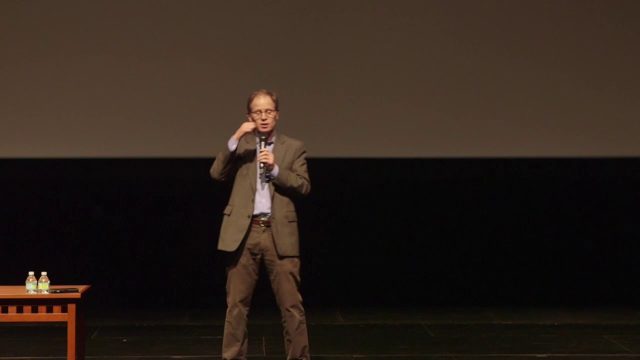
The word "discipline" lands like a hammer in most parents' ears—a synonym for punishment, consequences, the iron fist that makes a child pay for their mistakes. But what if the whole conversation has been built on a misunderstanding? Dan Siegel and Tina Payne Bryson, the authors of The Whole-Brain Child, spent considerable time wrestling with whether to even use the word "discipline" in their new book because the term has become so thoroughly colonized by the language of punishment. What emerged was a deliberate act of reclamation: returning the word to its root meaning—to teach—and rebuilding an entire parenting philosophy on that foundation. This shift, they argue, changes everything about how parents see their children's behavior and, more importantly, how they respond to it.

Read · 6 sections

What Discipline Really Means

The confusion runs deep. When most parents hear "discipline," they think of consequences designed to make a child suffer for what they've done—to imprison them, so to speak, in the weight of their mistake. But the word itself comes from "disciple," which means student. To discipline, in its truest sense, is to instruct. This reframing is not semantic gymnastics; it's a pathway out of the cycle of reactive parenting that leaves everyone exhausted and the core issues unresolved.

Siegel and Bryson built their approach on a crucial observation about children and behavior. Much of what parents experience as misbehavior—the tantrums, the defiance, the seemingly intentional rule-breaking—occurs when a child is in a state of dysregulation. They're not thinking clearly. Their nervous system is overwhelmed. And here's the critical insight: if a parent responds to dysregulation with more dysregulation—by yelling, by punishing in anger, by amplifying the child's emotional chaos—teaching becomes impossible. "If they're disregulated and we respond to them in a way that amplifies their disregulation, we can't teach," Bryson explains in the presentation.

The Neuroscience of Readiness

Both parent and child need to be in a receptive state for learning to take root. This is where the science of interpersonal neurobiology enters the picture—the framework that weaves together multiple disciplines of science to understand how human interaction shapes the development of the brain. A child's social engagement system—the neural circuitry that allows them to be open, calm, and ready to receive information—only activates when they feel safe and connected. The same applies to the parent. If you're dysregulated, flooded with frustration or anger, you're not in a state to teach effectively either.

This is why timing matters so profoundly. The moment a child acts out is almost always the worst moment to address the behavior directly. In that acute moment of upset, both child and parent are often too reactive to do the real work of teaching. "Is my child ready and am I ready? Is now the best time to teach? Almost always it's not in the moment," Siegel notes. What this means in practice is that the conventional wisdom—address misbehavior immediately—may actually undermine the goal of helping a child learn.

Connection Before Redirection

The No-Drama Discipline framework rests on a two-part foundation: connection and redirection. But the order matters profoundly. "If you don't connect first, then redirecting is going to be really difficult," Bryson states. Connection means approaching your child with the goal of understanding their internal state, calming their nervous system, and ensuring they know you still value and love them—even as you hold a clear boundary about the behavior. This is not permissiveness. It's not abandoning limits.

Siegel illustrates this with a small story from his work: a six-year-old boy explained that he gets his way by crying and crying all day until his mother relents. The child had, in essence, trained his parent through repeated cycles of escalating dysregulation. Setting boundaries is essential—children need to know the limits of what's acceptable. But those boundaries are most effective when they're set from a place of calm connection, not in the heat of the moment.

Behavior is Back Burner, Relationship is Front Burner

This is perhaps the most counterintuitive principle in the whole-brain approach to discipline. While it's absolutely necessary to address behaviors—children need to become self-disciplined, capable people in the world—the relationship between parent and child must remain the priority. Behaviors themselves are what Bryson calls "back burner issues," while the relationship is a "front burner issue."

This doesn't mean ignoring misbehavior. It means recognizing that how you address the behavior will be internalized by your child at a neurological level. The structure you provide through teaching and connection becomes wired into their developing brain. Years down the line, when that child is navigating adolescence and adulthood, the executive functions and self-regulation capacities you've helped them develop will be the tools they carry with them.

Turning Meltdowns Into Learning Moments

The larger vision of No-Drama Discipline is to break the cycle of negative behavior and punishment that so many families get trapped in. Instead, meltdowns and moments of conflict become opportunities for growth—not because the parent is being permissive or avoiding limits, but because the approach shifts the entire dynamic from adversarial to collaborative. When a child experiences a parent who stays calm, who seeks to understand, who sets clear limits while maintaining love and respect, the child learns that problems can be solved together. It becomes a win-win situation rather than a battle.

The science supports this. Research in interpersonal neurobiology shows that the way a parent attunes to and responds to a child shapes the neural pathways involved in emotion regulation, empathy, and self-understanding. As Siegel explains, "when they go out in the world through their adolescence and beyond, they've actually been given exactly the tools of executive functions and self-regulation that have been shown by science to support well-being in their life."

Where to go from here

The practical application of these principles begins with examining your own discipline philosophy. What do you actually believe about why children misbehave? What were you taught about discipline growing up? Understanding your own assumptions is the first step toward changing your response patterns. From there, the work becomes one of building awareness: noticing when your child is dysregulated, recognizing when you're dysregulated, and choosing to pause before responding. It's not about being a perfect parent—Siegel and Bryson address twenty common discipline mistakes even conscientious parents make. It's about committing to the principle of teaching over punishment, connection over control, and allowing your parenting to become the structure through which your child internalizes the capacity for self-regulation and kindness.

Comments

Loading the conversation…

Transcript

[0:01] [Music]

[0:09] [Music]

[0:11] hi hello uh this is Tina Bryson and this

[0:16] is Dan seagull and we are so excited to

[0:18] tell you about our new book no drama

[0:21] discipline and this is a book that will

[0:23] build on everything you may have learned

[0:24] about in the whole brain child that

[0:27] allows you to go more deeply into

[0:29] connect and redirect we got to have both

[0:32] we have to have both yes but if you

[0:34] don't connect first then redirecting is

[0:36] going to be really difficult so what we

[0:39] try to do in no drama discipline is

[0:42] reclaim the term discipline for what it

[0:44] really means which is to teach and if we

[0:48] keep this goal in mind that our goal is

[0:50] to teach it's going to change how we see

[0:52] our kids' behavior and it's really going

[0:54] to change how we respond to it but you

[0:56] know Tina a lot of people hear the word

[0:58] discipline and they think punish that's

[1:00] right I mean give consequences that make

[1:03] a kid imprisoned by what they did and in

[1:06] fact we really struggled with the idea

[1:08] of whether or not we should even use the

[1:09] word discipline in the title cuz so many

[1:12] people think of discipline this way of

[1:14] punishment that we thought well no drama

[1:17] punishment do we really want a book that

[1:19] means that so we struggled with it and

[1:21] thought about it and thought you know

[1:23] the word disciple for example means a

[1:25] student and to discipline is really to

[1:28] teach so what if we actually reminded

[1:31] parents that they could discipline by

[1:34] always teaching that's right and so one

[1:36] of the things that we're so excited

[1:37] about is to reclaim this word discipline

[1:40] to reframe the word so that people will

[1:42] think about teaching when it's time to

[1:45] work on behaviors and to help their

[1:47] children become self-disciplined and one

[1:49] of the things that I think is so

[1:50] interesting is to think about how most

[1:52] of the behavior that we feel like we

[1:54] need to address the stuff that drives us

[1:56] crazy or that's inappropriate is often a

[1:59] child acting out when they are in a

[2:02] state where they're discombobulated

[2:03] they're disregulated um I'm not saying

[2:06] that kids don't intentionally choose to

[2:08] make bad decisions that certainly is the

[2:10] case also but lots of misbehavior is a

[2:13] result of a child being disregulated and

[2:16] if they're disregulated and we respond

[2:19] to them in a way that amplifies their

[2:22] disregulation we can't teach this is

[2:24] what we we need to talk about timing

[2:26] yeah that that moment of timing is so

[2:28] important because a child has to be

[2:30] receptive to learning and you can learn

[2:34] the steps in no drama discipline of how

[2:36] to engage their literally What's called

[2:39] the social engagement system so they

[2:41] learn to be ready to receive and the

[2:44] same goes with you where you have to be

[2:46] ready to give that kind of teaching so

[2:48] it's really a call to action in your own

[2:52] personal life and even in the larger

[2:53] culture to rethink what discipline means

[2:57] to consider it again as its roots which

[3:00] which is as teaching and learning so

[3:02] that everyone can benefit it's true the

[3:05] way we address something matters so much

[3:07] in terms of if we're going to get a

[3:09] receptive response or a reactive

[3:11] response and it's going to matter so

[3:12] much in terms of our relationship with

[3:14] them and I think one of the things we

[3:15] talk about is that really we have to

[3:18] address behaviors it's really important

[3:19] I had a little boy a six-year-old tell

[3:21] me recently that um the way he gets his

[3:24] way is to he said um he said I make my

[3:26] mom take me on all her trips and I said

[3:28] how do you make her how does that happen

[3:29] because oh he used the word Force I said

[3:32] I thought that was an interesting word

[3:33] and he said I just cry and cry all day

[3:35] until she changes her mind and I I

[3:37] thought that was really kind of funny

[3:39] but um and my son said yeah that doesn't

[3:41] work at our house so we have to set

[3:43] those boundaries but you two are on top

[3:44] of it well not always as as we write

[3:47] about in the book but I think what's

[3:48] important is that we absolutely have to

[3:50] adjust behaviors we need to if we want

[3:52] them to become self-disciplined

[3:54] wonderful people in the world but the

[3:56] behaviors themselves are often back

[3:58] burner issues and are relationship with

[4:01] them are front burner issues and we can

[4:03] always address behaviors but as we said

[4:04] a while ago it doesn't have to be in

[4:06] that exact moment that may be the worst

[4:08] time to do it if they are in a reactive

[4:10] State and if we are it's problematic so

[4:12] we want to ask the question is my child

[4:14] ready and am I ready is now the best

[4:17] time to teach and almost always it's not

[4:19] in the moment right that's usually the

[4:21] worst time to do it one of the reasons

[4:23] we're so excited to share the no drama

[4:24] discipline approach with you is

[4:27] because it will give you the tools tools

[4:30] and the lens to see kids behaviors

[4:33] differently and to know how to respond

[4:34] to them in ways that help you survive

[4:36] the moment but also help your children

[4:38] thrive in the long run so it's really a

[4:40] way that your parenting is going to be

[4:42] internalized by your child in the

[4:44] structure of their brains all of this is

[4:47] based on science and so this framework

[4:50] Builds on interpersonal neurobiology

[4:52] where we take all the disciplines of

[4:53] Science and weed them together so Tina

[4:56] and I have translated that in the whole

[4:58] brain child and now we're taking it the

[5:00] next logical step which is to say okay

[5:03] how do you actually focus in on teaching

[5:05] what are the practical ways you can

[5:08] understand this in yourself but what

[5:10] everyone needs to know is that it all

[5:12] draws on science so this is science ined

[5:16] approaches to Parenting effectively to

[5:19] have your child develop the best ways

[5:21] that they can in terms of their

[5:23] emotional life in terms of their self-

[5:25] understanding terms of their empathy

[5:26] toward others their ability to develop

[5:28] kindness they're really they're taking

[5:30] in the structure that you provide

[5:32] through teaching to actually internalize

[5:34] it so when they go out in the world

[5:36] through their adolescence and Beyond

[5:38] they've actually been given exactly the

[5:41] tools of executive functions and

[5:43] self-regulation that have been shown by

[5:45] science to support well-being in their

[5:47] life so this is what we hope the no

[5:50] drama discipline approach will offer you

[5:53] and it's been really fun to do this

[5:55] together it's

[5:56] great thank you

[5:59] [Music]

Dan Siegel

Dan Siegel

Artist

Dan Siegel is a psychiatrist, educator and bestselling author who coined "mindsight" and interpersonal neurobiology, and leads the Mindsight Institute, using science to bring more compassion and empathy to the world.

View profile
Explore Topics
Discipline parentingBrain developmentChild behaviorEmotional regulationTeaching connection
Frequently Asked Questions

Frequently Asked Questions

Discipline comes from the word 'disciple,' meaning student. Rather than punishing misbehavior, the goal is to teach—helping your child develop self-regulation and understanding. This means connecting with your child first to calm their nervous system, then redirecting or problem-solving together when they're receptive to learning.

When a child is dysregulated—upset, overwhelmed, flooded—their brain is in reactive mode and cannot learn effectively. Addressing behavior in that moment amplifies dysregulation rather than teaching. Waiting until both parent and child are calm and connected makes actual instruction possible.

Connection means approaching your child with understanding and love, ensuring they know their worth isn't tied to their behavior. Once they feel safe and seen, their social engagement system activates and they become receptive to learning. Redirection—explaining limits, problem-solving—comes after this foundation is in place.

Absolutely. Setting clear, consistent limits is essential. The difference is how those limits are communicated—from a place of calm connection rather than reactive anger. Boundaries combined with understanding and love help children internalize self-discipline rather than just comply out of fear.

Through interpersonal neurobiology, the way a parent responds to conflict and emotion becomes internalized in a child's neural structure. When a parent stays regulated, seeks understanding, and teaches, the child's brain literally develops stronger executive function and self-regulation capacities that serve them throughout life.

The moment misbehavior happens is typically when both parent and child are most dysregulated. While the behavior does need to be addressed, waiting until everyone is calm usually leads to more effective teaching and a stronger relationship. It's not about avoiding the issue—it's about choosing the best time to actually teach.

Punishment-based discipline teaches fear and compliance but doesn't develop the child's own capacity for self-regulation or decision-making. When a child internalizes the structure through connection-based teaching instead, they develop the actual neural tools to manage their own behavior and emotions as they grow.

Recognizing that you need to be ready to teach—just as your child needs to be ready to learn—is key. This means developing your own awareness of when you're flooded and choosing to pause rather than react. The book addresses practical strategies for managing your own nervous system in these moments.

You might also like

View All
The Hand Model of the Brain: A Guide to Integration
Inspire

The Hand Model of the Brain: A Guide to Integration

Dan Siegel's hand model maps the brain's major regions onto a closed fist, from the brain stem in the palm to the prefrontal cortex under th…

8 min read
The Teenage Brain: Why Adolescence Is a Resource, Not a Problem
Inspire

The Teenage Brain: Why Adolescence Is a Resource, Not a Problem

Dan Siegel dismantles the myths of raging hormones and out-of-control teens. Here is why adolescence, a period most mammals share, is a wind…

10 min read
Inner Refuge of Calm: Finding Stillness Within
Inspire

Inner Refuge of Calm: Finding Stillness Within

A guided meditation practice for discovering an inner refuge of calm beneath life's surface turbulence. Learn how to cultivate presence thro…

7 min read
Voice Temple Kirtan in Pisac: A Farewell Night of Call and Response
Inspire

Voice Temple Kirtan in Pisac: A Farewell Night of Call and Response

Franko Heke's five-minute highlight reel from a Voice Temple kirtan at Kula Café in Pisac, Peru. What the footage shows and what the call-an…

6 min read
See allYou might also like→

Continue your journey

More wisdom and gatherings from across the BrightStar directory.

More Articles

Browse the full library of teachings, interviews, and guides.

Back to all articles →

Teachers & Artists

Explore the lineages, musicians, and guides of the conscious world.

Explore artists →

Find an Event

Kirtan, retreats, sound baths, breathwork, festivals — happening soon.

Browse events →