BrightStar
BlogMy Tickets
BlogMy Tickets
Saved events
Help & contactSign UpLog in
Events
  • Browse All Events
  • Yoga
  • Meditation
  • Breathwork
  • Qigong
  • Sacred Music
  • World Music
  • Medicine Music
  • Sound Healing
  • Ecstatic Dance
  • Ceremony
  • Plant Medicine
  • Energy Healing
  • Satsang & Wisdom
  • Tantra
  • Retreats
  • All Categories →
Destinations
  • Bali
  • Sedona
  • Los Angeles
  • Costa Rica
  • Tulum
  • Byron Bay
  • San Francisco
  • Austin
  • New York
  • San Diego
  • Denver
  • Seattle
  • Portland
  • Miami
  • London
  • Maui
  • Boulder
  • All Cities →
Platform
  • For organizers
  • Join the Movement
  • Sell Globally
  • For Creators
  • For Teams
  • For Writers
  • For Teachers
  • For Kirtan Artists
  • For Studios
  • For Festivals
  • For Retreat Centers
  • For Nonprofits
  • Brand Ambassador
  • Free Ticketing
  • Pro
  • Amplify
  • The Ecosystem
Features

Ticketing and checkout

  • Ticket categories
  • Assigned seating
  • Custom questions
  • Coupon codes
  • Smart pricing
  • Ticket sharing
  • Waitlist
  • Flexible refunds
  • Digital waivers
  • Tip jar
  • Donations and sliding scale
  • Embed widget
  • Mindful checkout
  • Recurring events
  • Private sessions
  • Online courses
  • Summits
  • Rooms and stays
  • Ticket scanner

Marketing and growth

  • Abandoned cart recovery
  • Visitor recovery
  • Upsells and add-ons
  • Affiliate engine
  • Upsell affiliate network
  • Brand ambassador
  • Meta retargeting
  • Verified buyer network
  • Outbound email marketing
  • Email sequences
  • SMS and WhatsApp
  • Event upsell network
  • Direct mail campaigns
  • SEO engine
  • Syndication
  • Event sharing
  • Custom event pages
  • Artist profiles
  • Link in bio
  • Event blog
  • Blog newsletter

Payments

  • Payments, powered by Stripe
  • Buy now, pay later
  • Apple Wallet
  • Multi currency

Data and operations

  • Team access
  • Message center
  • Reports
  • Analytics reporting
  • Performance reporting
  • Customer data
  • Integrations
  • Switch from another platform

AI

  • Assistant
  • AI FAQ assistant
  • All Features →
Company
  • About
  • FAQ
  • Contact
  • Blog
  • Glossary
  • Guides
  • Inspiration
  • Help Center
  • API Docs
  • Brand Assets
  • Press
  • Terms of Service
  • Privacy Policy

Events

  • Browse All Events
  • Yoga
  • Meditation
  • Breathwork
  • Qigong
  • Sacred Music
  • World Music
  • Medicine Music

Destinations

  • Bali
  • Sedona
  • Los Angeles
  • Costa Rica
  • Tulum
  • Byron Bay
  • San Francisco
  • Austin

Platform

  • For organizers
  • Join the Movement
  • Sell Globally
  • For Creators
  • For Teams
  • For Writers
  • For Teachers
  • For Kirtan Artists

Features

  • Community Network
  • Abandoned Cart Recovery
  • Ticket Categories
  • Recurring Events
  • Assigned Seating
  • Affiliate Engine
  • Waitlist / Notify
  • All Features →

Company

  • About
  • FAQ
  • Contact
  • Blog
  • Glossary
  • Guides
  • Terms of Service
  • Privacy Policy
Read more

Events

  • Sound Healing
  • Ecstatic Dance
  • Ceremony
  • Plant Medicine
  • Energy Healing
  • Satsang & Wisdom
  • Tantra
  • Retreats
  • All Categories →

Destinations

  • New York
  • San Diego
  • Denver
  • Seattle
  • Portland
  • Miami
  • London
  • Maui
  • Boulder
  • All Cities →

Platform

  • For Studios
  • For Festivals
  • For Retreat Centers
  • For Nonprofits
  • Brand Ambassador
  • Free Ticketing
  • Pro
  • Amplify
  • The Ecosystem

Company

  • Inspiration
  • Help Center
  • API Docs
  • Brand Assets
  • Press

Ticketing and checkout

  • Ticket categories
  • Assigned seating
  • Custom questions
  • Coupon codes
  • Smart pricing
  • Ticket sharing
  • Waitlist
  • Flexible refunds
  • Digital waivers
  • Tip jar
  • Donations and sliding scale
  • Embed widget
  • Mindful checkout
  • Recurring events
  • Private sessions
  • Online courses
  • Summits
  • Rooms and stays
  • Ticket scanner

Marketing and growth

  • Abandoned cart recovery
  • Visitor recovery
  • Upsells and add-ons
  • Affiliate engine
  • Upsell affiliate network
  • Brand ambassador
  • Meta retargeting
  • Verified buyer network
  • Outbound email marketing
  • Email sequences
  • SMS and WhatsApp
  • Event upsell network
  • Direct mail campaigns
  • SEO engine
  • Syndication
  • Event sharing
  • Custom event pages
  • Artist profiles
  • Link in bio
  • Event blog
  • Blog newsletter

Payments

  • Payments, powered by Stripe
  • Buy now, pay later
  • Apple Wallet
  • Multi currency

Data and operations

  • Team access
  • Message center
  • Reports
  • Analytics reporting
  • Performance reporting
  • Customer data
  • Integrations
  • Switch from another platform

AI

  • Assistant
  • AI FAQ assistant
Get the app
Download on theApp StoreGet it onGoogle Play
© 2026 BrightStar. All rights reserved. BrightStar Selection · Photo credits · Changelog ·
Inspiration

Raag Multani Todi: Classical Indian Raga Structure and Performance

Professor Paramjeet Singh
May 21, 2015
5 min read

From ProfessorParamjeet

Watch · 5

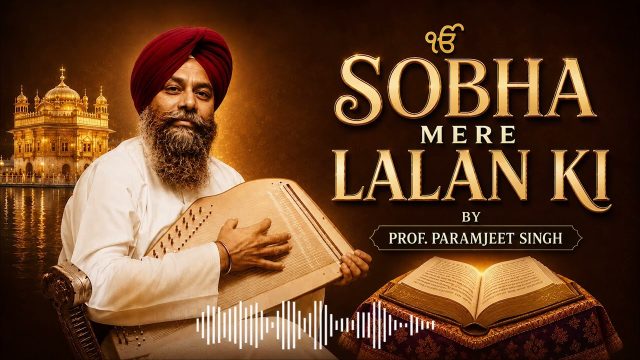
Professor Paramjeet Singh demonstrates Raag Multani Todi, a Hindustani classical raga that combines elements of two distinct melodic frameworks (raags). The performance illustrates the raga's characteristic ascending and descending scale patterns, the use of microtonal slides and bends, and the improvisational exploration central to classical Indian music performance. This video captures a live performance at Jashn-e-Mousiqi in Toronto, showing how a trained vocalist navigates the rules and aesthetic conventions of a specific raga while maintaining expressive freedom.

Read · 7 sections

What is Raag Multani Todi?

Raag Multani Todi exists at an intersection within Hindustani classical music—it is a raga that incorporates elements of two parent raags: Multani and Todi. Each parent raga has its own melodic identity, scale patterns, and emotional character. Raag Todi is known for its melancholic, introspective quality, while Multani carries different intervallic relationships and mood. By combining these frameworks, Multani Todi creates a unique sonic palette that allows for a broader range of melodic exploration than either parent raga alone.

In Hindustani classical tradition, a raga is not simply a scale—it is a complete system governing which notes are used, how they are approached, which intervals are emphasized, and in what order phrases typically unfold. Raag Multani Todi follows these conventions while offering distinctive characteristics that a trained listener can recognize and an informed performer must respect.

How are the scales and melodic patterns structured?

The performance captures the ascending (arooh) and descending (avrooh) patterns that define the raga's melodic shape. Unlike Western scales, which are typically evenly divided, Indian ragas feature unequal intervals called srutis—microtonal gradations that give Indian classical music its characteristic sound. A note in Raag Multani Todi may be approached from below with a slide, bent slightly sharp or flat, or struck directly, depending on the raga's rules and the performer's artistic choice.

Professor Singh's performance demonstrates the phrase-based nature of raga. Rather than simply playing individual notes, classical singers and instrumentalists construct characteristic melodic figures (mukhras) and patterns that recur throughout a performance. These patterns are not rigid; they serve as a vocabulary within which improvisation occurs. The performer generates new variations by altering rhythm, ornamentation, and the length of time spent on particular notes.

What role does improvisation play in the performance?

The core of Hindustani classical music lies in real-time improvisation within a defined framework. A performer begins with a written composition (bandish) but then moves into extended improvisational sections (vilambit and drut khayal) where the melody is elaborated and explored. This is not free-form—every note and slide must belong to the chosen raga. The performer's skill lies in discovering fresh melodic paths while remaining within the raga's aesthetic boundaries.

In Raag Multani Todi, this means that while certain note combinations and ornamentations are preferred or required, the performer still has significant interpretive freedom. Two different singers performing the same raga will sound distinct, each bringing their own phrasing, timing, and emotional emphasis. This balance between structure and spontaneity is central to how Indian classical music is experienced and valued.

How does microtonal inflection enhance expression?

One of the most striking differences between Indian classical music and Western classical tradition is the extensive use of microtones and portamento—continuous pitch slides between notes. A single note in Raag Multani Todi may be sung slightly flat or sharp depending on context. A performer might slide from one note to another rather than jump, creating a seamless, vocal quality even on stringed instruments.

These subtle pitch inflections are not errors or approximations; they are deliberate expressive choices that define the raga's character. Professor Singh's vocal technique in this performance demonstrates how these microtonal shifts convey emotion and establish the raga's particular flavor. The ear attuned to Hindustani classical music perceives these small pitch variations as essential to the music's meaning and beauty.

What is the role of rhythm and time cycles?

While Professor Singh's performance emphasizes melodic exploration, rhythm and time cycles (taals) form the other pillar of Hindustani classical music. A taal is a repeating rhythmic pattern that can last 8, 12, 16, or more beats depending on the taal's type. A performance cycles through this pattern repeatedly, and improvisational phrases are constructed to land on significant beats (sams) within the taal cycle.

This creates a dialogue between the melody and rhythm. The performer must keep track of where they are in the taal cycle even while exploring intricate melodic variations. The listener, familiar with the chosen taal, experiences satisfaction when a phrase resolves on the sam—the first beat of a new cycle—and anticipation during the off-cycle exploration.

How is this raga situated within the broader classical tradition?

Raag Multani Todi represents the depth and specificity of the Hindustani classical repertoire. With hundreds of named raags, each with distinct rules and associations, a classical musician's knowledge is encyclopedic. Training in classical Indian music involves memorizing not only the scales and phrases of many raags but also understanding their emotional character, the time of day or season they are traditionally performed, and their historical lineage.

Professor Singh's performance at Jashn-e-Mousiqi—a major North American festival of Indian music—shows how this living tradition continues to thrive outside the Indian subcontinent. Diaspora communities and international audiences have become important contexts for classical music performance, even as the core principles remain unchanged.

Where to go from here

To deepen your understanding of Raag Multani Todi and Hindustani classical music, explore recordings of the same raga by different masters to hear how individual artists interpret its structure. Listen for the characteristic phrases and the way microtonal ornamentation shapes the melody. If possible, attend a live classical music concert; the immediacy of real-time improvisation is difficult to convey in recorded form. Consider learning about taals and how rhythm cycles interact with melodic improvisation. Finally, seek out documentary or educational resources that explain the historical development of Hindustani classical music and the training systems (gharanas) that preserve and transmit these traditions across generations.

Comments

Loading the conversation…

Transcript

[0:29] ا

[0:59] ا

[1:29] ا

[1:59] ا

[2:29] ن

[3:29] ‏par

[3:59] ن

[4:29] ن

[4:59] ز

[5:29] ز

[5:59] دي

[6:29] ‏sa

[6:59] ز

[7:29] خ

[8:28] ز

[9:28] م

[9:58] ن

[10:28] ار

[10:58] ار

[11:28] ن

[11:58] ز

[12:58] خ

[13:28] نا

[13:58] ‏g

[14:28] س

[15:37] ‏than you

The Artist in This Story

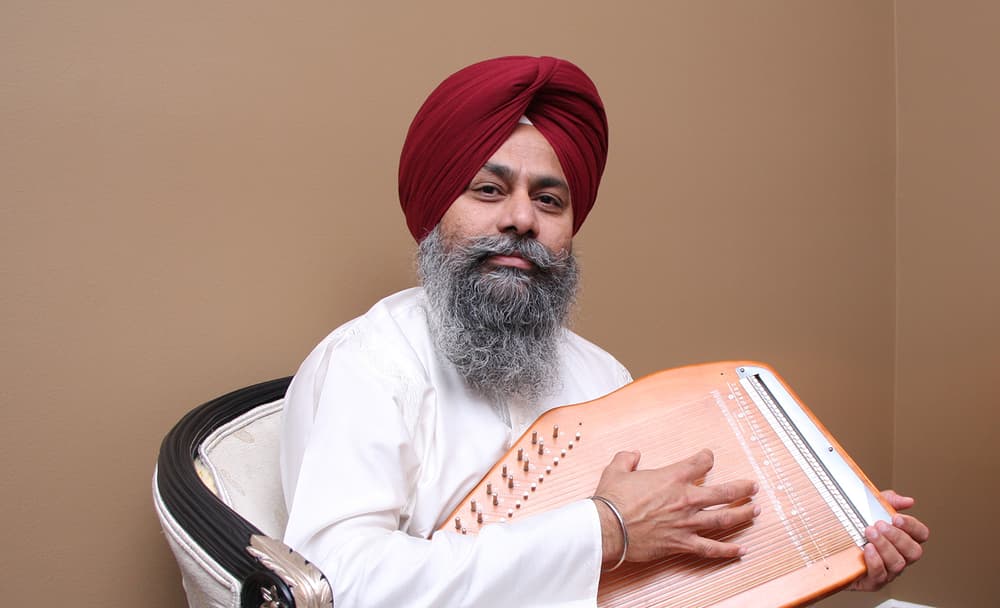
Professor Paramjeet Singh

Professor Paramjeet Singh

Musician

Professor Paramjeet Singh is an Indian classical vocalist and Sikh kirtan artist who has mastered over 125 ragas and devoted his career to preserving the devotional music of saints including Mirabai, Kabir, and Ravidas across Hindu, Sufi, and Sikh traditions. At 24, he became the youngest professor appointed to Punjabi University following his PhD from Delhi University.

View profile
Explore Topics
Raag multani todiHindustani classical musicRaga performanceMicrotonal singingIndian classical vocal
Frequently Asked Questions

Frequently Asked Questions

Raag Multani and Raag Todi are two distinct raags in Hindustani classical music, each with its own scale patterns and emotional character. Raag Todi is typically melancholic and introspective, while Multani carries different intervallic relationships and mood. Raag Multani Todi combines elements of both parent raags, allowing performers to navigate a broader melodic palette than either alone.

Hindustani classical music is built on raags (melodic frameworks with specific rules about scale patterns, note ornamentation, and emotional character) rather than compositions in the Western sense. It emphasizes real-time improvisation within these frameworks, uses microtonal intervals (srutis) not found in Western twelve-tone equal temperament, and relies on rhythm cycles (taals) that structure timing rather than standard Western meters.

Srutis are microtonal pitch gradations—intervals smaller than the semitones used in Western music. In Raag Multani Todi and other raags, notes are approached and inflected using these subtle pitch variations, which are essential to the raga's character and emotional expression. They are not approximations but deliberate expressive choices that define how the raga sounds.

A taal is a repeating rhythmic time cycle that forms the foundation of timing in Hindustani classical music. It can last 8, 12, 16, or more beats depending on its type. Improvisational melodic phrases are structured to land on significant beats (particularly the sam, the first beat of a cycle), creating a dialogue between melody and rhythm.

Classical Indian musicians undergo years of intensive training, typically within a gharana (school or lineage). They memorize not only the scales and characteristic phrases of hundreds of raags but also their emotional character, traditional times of performance, and historical development. This knowledge is transmitted orally through direct teacher-student relationships.

A bandish is a composed melody that serves as the starting point for a khayal performance. After performing the bandish, the vocalist moves into extended improvisational sections (vilambit and drut khayal) where the melody is elaborated within the raga's structure. The improvisation must stay within the chosen raga's rules but allows the performer to create new melodic paths and demonstrate skill.

You might also like

View All
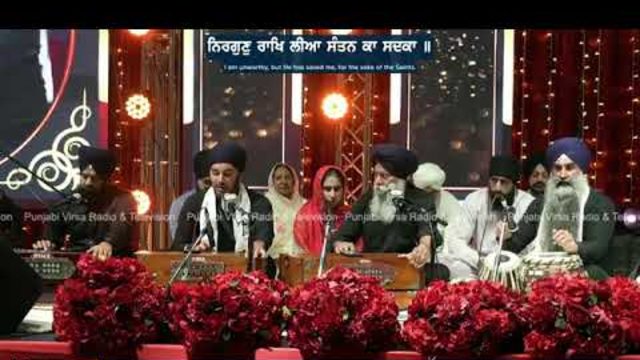
Raag-Based Gurbani Kirtan: The Beauty of Mere Laalan Ki Sobha
Inspire

Raag-Based Gurbani Kirtan: The Beauty of Mere Laalan Ki Sobha

Learn how raag-based Gurbani kirtan preserves authentic Sikh devotional music through the shabad "Mere Laalan Ki Sobha," performed in classi…

7 min read
Raag-Based Gurbani Kirtan: Tukhari, Bhairavi, and Classical Tradition
Inspire

Raag-Based Gurbani Kirtan: Tukhari, Bhairavi, and Classical Tradition

Experience the spiritual depth of Patiala Gharana kirtan through rare raags and Gurbani compositions. A live performance honoring classical …

8 min read
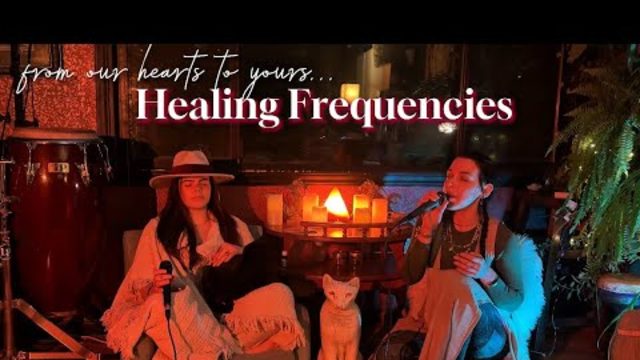
Channeled Sound Healing: Spiritual Music as Transmission
Inspire

Channeled Sound Healing: Spiritual Music as Transmission

A five-minute live performance proves that spiritual transmission doesn't require words—just open channels, earth-rooted sound, and permissi…

8 min read
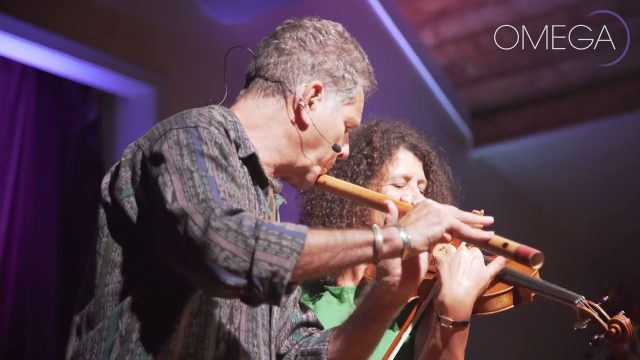
Chimera Quartet: Genre-Defying Music at the Crossroads
Inspire

Chimera Quartet: Genre-Defying Music at the Crossroads

Four master musicians merge avant-garde jazz, Indian raga, and folk traditions into something entirely new. A live session at Omega Institut…

4 min read
See allYou might also like→

Continue your journey

More wisdom and gatherings from across the BrightStar directory.

More Articles

Browse the full library of teachings, interviews, and guides.

Back to all articles →

Teachers & Artists

Explore the lineages, musicians, and guides of the conscious world.

Explore artists →

Find an Event

Kirtan, retreats, sound baths, breathwork, festivals — happening soon.

Browse events →