BrightStar
BlogMy Tickets
BlogMy Tickets
Saved events
Help & contactSign UpLog in
Events
  • Browse All Events
  • Yoga
  • Meditation
  • Breathwork
  • Qigong
  • Sacred Music
  • World Music
  • Medicine Music
  • Sound Healing
  • Ecstatic Dance
  • Ceremony
  • Plant Medicine
  • Energy Healing
  • Satsang & Wisdom
  • Tantra
  • Retreats
  • All Categories →
Destinations
  • Bali
  • Sedona
  • Los Angeles
  • Costa Rica
  • Tulum
  • Byron Bay
  • San Francisco
  • Austin
  • New York
  • San Diego
  • Denver
  • Seattle
  • Portland
  • Miami
  • London
  • Maui
  • Boulder
  • All Cities →
Platform
  • For organizers
  • Join the Movement
  • Sell Globally
  • For Creators
  • For Teams
  • For Writers
  • For Teachers
  • For Kirtan Artists
  • For Studios
  • For Festivals
  • For Retreat Centers
  • For Nonprofits
  • Brand Ambassador
  • Free Ticketing
  • Pro
  • Amplify
  • The Ecosystem
Features

Ticketing and checkout

  • Ticket categories
  • Assigned seating
  • Custom questions
  • Coupon codes
  • Smart pricing
  • Ticket sharing
  • Waitlist
  • Flexible refunds
  • Digital waivers
  • Tip jar
  • Donations and sliding scale
  • Embed widget
  • Mindful checkout
  • Recurring events
  • Private sessions
  • Online courses
  • Summits
  • Rooms and stays
  • Ticket scanner

Marketing and growth

  • Abandoned cart recovery
  • Visitor recovery
  • Upsells and add-ons
  • Affiliate engine
  • Upsell affiliate network
  • Brand ambassador
  • Meta retargeting
  • Verified buyer network
  • Outbound email marketing
  • Email sequences
  • SMS and WhatsApp
  • Event upsell network
  • Direct mail campaigns
  • SEO engine
  • Syndication
  • Event sharing
  • Custom event pages
  • Artist profiles
  • Link in bio
  • Event blog
  • Blog newsletter

Payments

  • Payments, powered by Stripe
  • Buy now, pay later
  • Apple Wallet
  • Multi currency

Data and operations

  • Team access
  • Message center
  • Reports
  • Analytics reporting
  • Performance reporting
  • Customer data
  • Integrations
  • Switch from another platform

AI

  • Assistant
  • AI FAQ assistant
  • All Features →
Company
  • About
  • FAQ
  • Contact
  • Blog
  • Glossary
  • Guides
  • Inspiration
  • Help Center
  • API Docs
  • Brand Assets
  • Press
  • Terms of Service
  • Privacy Policy

Events

  • Browse All Events
  • Yoga
  • Meditation
  • Breathwork
  • Qigong
  • Sacred Music
  • World Music
  • Medicine Music

Destinations

  • Bali
  • Sedona
  • Los Angeles
  • Costa Rica
  • Tulum
  • Byron Bay
  • San Francisco
  • Austin

Platform

  • For organizers
  • Join the Movement
  • Sell Globally
  • For Creators
  • For Teams
  • For Writers
  • For Teachers
  • For Kirtan Artists

Features

  • Community Network
  • Abandoned Cart Recovery
  • Ticket Categories
  • Recurring Events
  • Assigned Seating
  • Affiliate Engine
  • Waitlist / Notify
  • All Features →

Company

  • About
  • FAQ
  • Contact
  • Blog
  • Glossary
  • Guides
  • Terms of Service
  • Privacy Policy
Read more

Events

  • Sound Healing
  • Ecstatic Dance
  • Ceremony
  • Plant Medicine
  • Energy Healing
  • Satsang & Wisdom
  • Tantra
  • Retreats
  • All Categories →

Destinations

  • New York
  • San Diego
  • Denver
  • Seattle
  • Portland
  • Miami
  • London
  • Maui
  • Boulder
  • All Cities →

Platform

  • For Studios
  • For Festivals
  • For Retreat Centers
  • For Nonprofits
  • Brand Ambassador
  • Free Ticketing
  • Pro
  • Amplify
  • The Ecosystem

Company

  • Inspiration
  • Help Center
  • API Docs
  • Brand Assets
  • Press

Ticketing and checkout

  • Ticket categories
  • Assigned seating
  • Custom questions
  • Coupon codes
  • Smart pricing
  • Ticket sharing
  • Waitlist
  • Flexible refunds
  • Digital waivers
  • Tip jar
  • Donations and sliding scale
  • Embed widget
  • Mindful checkout
  • Recurring events
  • Private sessions
  • Online courses
  • Summits
  • Rooms and stays
  • Ticket scanner

Marketing and growth

  • Abandoned cart recovery
  • Visitor recovery
  • Upsells and add-ons
  • Affiliate engine
  • Upsell affiliate network
  • Brand ambassador
  • Meta retargeting
  • Verified buyer network
  • Outbound email marketing
  • Email sequences
  • SMS and WhatsApp
  • Event upsell network
  • Direct mail campaigns
  • SEO engine
  • Syndication
  • Event sharing
  • Custom event pages
  • Artist profiles
  • Link in bio
  • Event blog
  • Blog newsletter

Payments

  • Payments, powered by Stripe
  • Buy now, pay later
  • Apple Wallet
  • Multi currency

Data and operations

  • Team access
  • Message center
  • Reports
  • Analytics reporting
  • Performance reporting
  • Customer data
  • Integrations
  • Switch from another platform

AI

  • Assistant
  • AI FAQ assistant
Get the app
Download on theApp StoreGet it onGoogle Play
© 2026 BrightStar. All rights reserved. BrightStar Selection · Photo credits · Changelog ·
Inspiration

Manifesting Dreams Through Mindfulness: Intuition Over Force

Jack Kornfield
Jack Kornfield
Feb 21, 2025
6 min read

From Be Here Now Network

Rather than forcing dreams into existence through willpower alone, Jack Kornfield teaches that mindfulness creates the mental quietness needed for deeper intuitions to emerge—intuitions that guide authentic dream-pursuit in ways aligned with your own well-being. The practice involves stepping back from constant striving, creating spaciousness in the mind, and allowing clarity about what truly matters to surface naturally.

Read · 6 sections

What Does Mindfulness Have to Do with Manifesting Dreams?

The common narrative around manifesting often emphasizes visualization, positive thinking, and forceful intention-setting. Jack Kornfield offers a different framework: that the most effective path to realizing your aspirations begins not with more mental effort, but with less—with the deliberate quieting of the mind that mindfulness practice brings. When you step back and create space through meditation, a different kind of knowing becomes available. This is not the knowing of the thinking mind, which cycles through fear, doubt, and societal conditioning. Instead, deeper intuitions rise—those aligned with your authentic needs and values.

This approach reframes manifesting away from the ego's demands and toward what Kornfield calls "a way that's mindful of your own well-being." In other words, the dreams that emerge from a quieter, clearer mind tend to be ones that actually serve you, rather than ones you pursue out of compulsion or external pressure.

How Does Quieting the Mind Reveal Deeper Intuitions?

In everyday consciousness, the mind is often crowded with noise: planning, worrying, comparing, judging. This crowdedness doesn't leave room for subtler signals. Your body knows things your thinking mind hasn't articulated. Your intuition picks up patterns your rational mind has missed. But these softer forms of knowing are easily drowned out by the relentless chatter of deliberate thought.

Mindfulness practice—whether through meditation, breathwork, or simply cultivating present-moment awareness—creates gaps in that noise. In those gaps, something quieter but more trustworthy can emerge. You may notice a pull toward a particular direction that doesn't make logical sense yet. You may feel a "no" to something you thought you wanted. You may sense an opportunity you'd overlooked. These intuitions don't arrive as loud thoughts; they arrive as felt sense, as clarity that doesn't need explanation.

When you build a regular practice of stepping back and quieting the mind, you train yourself to recognize these subtler signals. Over time, following them becomes easier because you've learned to distinguish the intuitive voice from the fearful or ambitious voice.

What's the Difference Between Forced Manifesting and Mindful Dream-Pursuit?

Forced manifesting—the "abundance mindset" or "fake it till you make it" approach—often works from the assumption that the conscious ego knows best what you should have and how to get it. You set a goal, visualize it intensely, and push toward it relentlessly. While this can produce results in certain contexts, it also carries hidden costs: burnout, misalignment with your actual values, pursuing dreams that belong to someone else's life.

Mindful dream-pursuit, by contrast, begins with acceptance and inquiry rather than assertion. You quiet the mind, notice what genuinely calls to you when the noise settles, and then move toward those aspirations with intention but without the desperate quality of force. Kornfield's phrasing is key: "in a way that's mindful of your own well-being." This means checking in regularly with whether your pursuit is serving you or depleting you, whether it aligns with your deeper values or undermines them.

This doesn't mean passivity. It means intelligent action informed by clarity. You still set intentions, make plans, and work toward your dreams. But you do so from a place of alignment rather than compulsion—from knowing what you actually want rather than what you think you should want.

How Do You Practically Combine Mindfulness Practice with Goal-Setting?

There is no inherent conflict between meditation and ambition. The integration works like this:

  • Establish a quiet practice. Regular meditation—even 10 to 15 minutes daily—begins to settle the nervous system and create the mental spaciousness Kornfield describes. This doesn't require any particular belief system; it's simply training attention and noticing what arises.
  • Reflect in that quiet. Once the mind has some settling, you can turn your attention to questions about what genuinely matters to you: What calls to me when I'm not trying to impress anyone? What would I pursue even if no one ever knew about it? What does my body and intuition say about this particular dream?
  • Notice what emerges without forcing. Rather than imposing answers, let the answers come. They may arrive during meditation, in a conversation, while walking. The key is receptivity rather than interrogation.
  • Act from alignment. Once clarity arrives, you can take concrete steps toward your dream—but with the knowledge that these steps come from genuine desire, not fear or external pressure. This typically means taking more sustainable action, because you're not running on willpower alone.
  • Stay present during the pursuit. Continue the mindfulness practice throughout. Check in regularly: Is this still aligned? Am I pushing too hard? What adjustment might the situation be asking for? This keeps you responsive rather than rigidly attached to a single vision of the outcome.

What Role Does Well-Being Play in Authentic Manifestation?

Kornfield's emphasis on well-being is not secondary—it's central. A dream that damages your health, relationships, or integrity is not a dream worth manifesting. Yet in the culture of "positive thinking," well-being often gets sacrificed in pursuit of goals. People work exhausted, compromise their values, neglect their bodies, all in service of manifesting something they believe will make them happy.

The mindfulness-based approach flips this. Your well-being is not something you'll attain after you achieve the dream; it's a measure of whether you're pursuing the dream in a healthy way right now. If your daily life in pursuit of a goal feels destructive, that's information. It may mean the dream needs adjustment, or the timeline, or the methods, or all three.

This creates an entirely different energy. Instead of "I'll be happy when I achieve this," the stance becomes "I'm already committed to my well-being, and I'm also moving toward what matters to me." The dream becomes an expression of wholeness, not a substitute for it.

Where to Go from Here

To explore this framework in your own life: Start with a simple daily practice—even five minutes of sitting quietly, noticing your breath, letting thoughts pass without grabbing onto them. There's no "right" way to meditate; the point is the practice itself, the training of awareness. As this becomes steadier, you'll likely notice things you want to do, to create, to pursue. Rather than analyzing them to death, notice them. Sit with them in quietness. Notice if they feel enlivening or depleting. Notice if they align with your values or contradict them. Over time, you'll develop a felt sense for what is authentically yours to pursue.

Then, bring mindfulness into the pursuit itself. Continue meditating. Check in with your well-being regularly. Stay flexible. Let the dream evolve as you evolve. This is not a path of passive waiting; it's a path of intelligent, whole-person action informed by the clarity that only comes when you step back and quiet the noise.

Comments

Loading the conversation…

The Artist in This Story

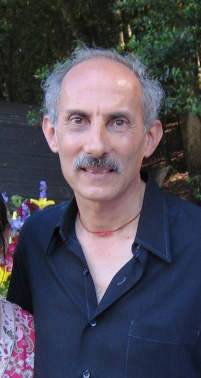
Jack Kornfield

Jack Kornfield

Meditation Teacher

Jack Kornfield, Ph.D.

View profile
Explore Topics
Manifesting dreamsMindfulness practiceIntuitionGoal settingWell being
Frequently Asked Questions

Frequently Asked Questions

Meditation quiets the constant mental noise, allowing deeper intuitions to emerge—intuitions aligned with your authentic needs rather than ego-driven wants. This clarity helps you pursue dreams that actually serve your well-being, making the path more sustainable and authentic.

No. Positive thinking often relies on forcing beliefs and willpower, while mindfulness begins with acceptance and inquiry. Mindfulness-based dream-pursuit moves from alignment and clarity rather than from compulsion, which typically leads to more sustainable action and better outcomes.

By quieting the mind through meditation and noticing what genuinely calls to you when external noise settles. Ask yourself whether the dream energizes you or depletes you, whether it aligns with your values, and whether pursuing it supports your well-being. Your body and intuition often know before your thinking mind does.

Yes—mindfulness and ambition aren't opposed. The difference is that mindfulness-informed goals emerge from clarity and alignment rather than fear or external pressure, making the pursuit more intelligent, sustained, and ultimately more successful.

It means your well-being is not sacrificed in pursuit of your dream but is actively honored throughout the process. If your daily life in pursuit of a goal feels destructive, that's information telling you to adjust the dream, the timeline, or the methods—or to reassess whether it's truly yours.

Even brief regular practice—5 to 15 minutes daily—begins to settle the nervous system and create space for intuition to surface. Most people notice shifts within weeks, though the depth of clarity continues to deepen with consistent practice.

You might also like

View All
Creating Inner Peace During Conflict and War
Inspire

Creating Inner Peace During Conflict and War

Learn how to maintain an open heart and inner peace even amid external war and suffering. A Buddhist teacher's guidance on compassion and re…

7 min read
Buddhist Psychology: Awareness as the Foundation of Mind
Inspire

Buddhist Psychology: Awareness as the Foundation of Mind

Buddhist psychology teaches that awareness is ever-present and foundational to our experience. By quieting the mind and opening the heart, w…

8 min read
Medicine Buddha Practice: Feeling Beneath the Thinking
Inspire

Medicine Buddha Practice: Feeling Beneath the Thinking

Lama Rod Owens opens a Monday-night Medicine Buddha session six years into the practice, teaching how to feel an experience instead of think…

10 min read
Sanctuary Live: Becoming a Living Sanctuary in Song
Inspire

Sanctuary Live: Becoming a Living Sanctuary in Song

Donna De Lory's acoustic performance of "Sanctuary" builds a six-minute prayer out of one request: prepare me. Here is how the lyric, the sh…

7 min read
See allYou might also like→

Continue your journey

More wisdom and gatherings from across the BrightStar directory.

More Articles

Browse the full library of teachings, interviews, and guides.

Back to all articles →

Teachers & Artists

Explore the lineages, musicians, and guides of the conscious world.

Explore artists →

Find an Event

Kirtan, retreats, sound baths, breathwork, festivals — happening soon.

Browse events →