BrightStar
BlogMy Tickets
BlogMy Tickets
Saved events
Help & contactSign UpLog in
Events
  • Browse All Events
  • Yoga
  • Meditation
  • Breathwork
  • Qigong
  • Sacred Music
  • World Music
  • Medicine Music
  • Sound Healing
  • Ecstatic Dance
  • Ceremony
  • Plant Medicine
  • Energy Healing
  • Satsang & Wisdom
  • Tantra
  • Retreats
  • All Categories →
Destinations
  • Bali
  • Sedona
  • Los Angeles
  • Costa Rica
  • Tulum
  • Byron Bay
  • San Francisco
  • Austin
  • New York
  • San Diego
  • Denver
  • Seattle
  • Portland
  • Miami
  • London
  • Maui
  • Boulder
  • All Cities →
Platform
  • For organizers
  • Join the Movement
  • Sell Globally
  • For Creators
  • For Teams
  • For Writers
  • For Teachers
  • For Kirtan Artists
  • For Studios
  • For Festivals
  • For Retreat Centers
  • For Nonprofits
  • Brand Ambassador
  • Free Ticketing
  • Pro
  • Amplify
  • The Ecosystem
Features

Ticketing and checkout

  • Ticket categories
  • Assigned seating
  • Custom questions
  • Coupon codes
  • Smart pricing
  • Ticket sharing
  • Waitlist
  • Flexible refunds
  • Digital waivers
  • Tip jar
  • Donations and sliding scale
  • Embed widget
  • Mindful checkout
  • Recurring events
  • Private sessions
  • Online courses
  • Summits
  • Rooms and stays
  • Ticket scanner

Marketing and growth

  • Abandoned cart recovery
  • Visitor recovery
  • Upsells and add-ons
  • Affiliate engine
  • Upsell affiliate network
  • Brand ambassador
  • Meta retargeting
  • Verified buyer network
  • Outbound email marketing
  • Email sequences
  • SMS and WhatsApp
  • Event upsell network
  • Direct mail campaigns
  • SEO engine
  • Syndication
  • Event sharing
  • Custom event pages
  • Artist profiles
  • Link in bio
  • Event blog
  • Blog newsletter

Payments

  • Payments, powered by Stripe
  • Buy now, pay later
  • Apple Wallet
  • Multi currency

Data and operations

  • Team access
  • Message center
  • Reports
  • Analytics reporting
  • Performance reporting
  • Customer data
  • Integrations
  • Switch from another platform

AI

  • Assistant
  • AI FAQ assistant
  • All Features →
Company
  • About
  • FAQ
  • Contact
  • Blog
  • Glossary
  • Guides
  • Inspiration
  • Help Center
  • API Docs
  • Brand Assets
  • Press
  • Terms of Service
  • Privacy Policy

Events

  • Browse All Events
  • Yoga
  • Meditation
  • Breathwork
  • Qigong
  • Sacred Music
  • World Music
  • Medicine Music

Destinations

  • Bali
  • Sedona
  • Los Angeles
  • Costa Rica
  • Tulum
  • Byron Bay
  • San Francisco
  • Austin

Platform

  • For organizers
  • Join the Movement
  • Sell Globally
  • For Creators
  • For Teams
  • For Writers
  • For Teachers
  • For Kirtan Artists

Features

  • Community Network
  • Abandoned Cart Recovery
  • Ticket Categories
  • Recurring Events
  • Assigned Seating
  • Affiliate Engine
  • Waitlist / Notify
  • All Features →

Company

  • About
  • FAQ
  • Contact
  • Blog
  • Glossary
  • Guides
  • Terms of Service
  • Privacy Policy
Read more

Events

  • Sound Healing
  • Ecstatic Dance
  • Ceremony
  • Plant Medicine
  • Energy Healing
  • Satsang & Wisdom
  • Tantra
  • Retreats
  • All Categories →

Destinations

  • New York
  • San Diego
  • Denver
  • Seattle
  • Portland
  • Miami
  • London
  • Maui
  • Boulder
  • All Cities →

Platform

  • For Studios
  • For Festivals
  • For Retreat Centers
  • For Nonprofits
  • Brand Ambassador
  • Free Ticketing
  • Pro
  • Amplify
  • The Ecosystem

Company

  • Inspiration
  • Help Center
  • API Docs
  • Brand Assets
  • Press

Ticketing and checkout

  • Ticket categories
  • Assigned seating
  • Custom questions
  • Coupon codes
  • Smart pricing
  • Ticket sharing
  • Waitlist
  • Flexible refunds
  • Digital waivers
  • Tip jar
  • Donations and sliding scale
  • Embed widget
  • Mindful checkout
  • Recurring events
  • Private sessions
  • Online courses
  • Summits
  • Rooms and stays
  • Ticket scanner

Marketing and growth

  • Abandoned cart recovery
  • Visitor recovery
  • Upsells and add-ons
  • Affiliate engine
  • Upsell affiliate network
  • Brand ambassador
  • Meta retargeting
  • Verified buyer network
  • Outbound email marketing
  • Email sequences
  • SMS and WhatsApp
  • Event upsell network
  • Direct mail campaigns
  • SEO engine
  • Syndication
  • Event sharing
  • Custom event pages
  • Artist profiles
  • Link in bio
  • Event blog
  • Blog newsletter

Payments

  • Payments, powered by Stripe
  • Buy now, pay later
  • Apple Wallet
  • Multi currency

Data and operations

  • Team access
  • Message center
  • Reports
  • Analytics reporting
  • Performance reporting
  • Customer data
  • Integrations
  • Switch from another platform

AI

  • Assistant
  • AI FAQ assistant
Get the app
Download on theApp StoreGet it onGoogle Play
© 2026 BrightStar. All rights reserved. BrightStar Selection · Photo credits · Changelog ·
Inspiration

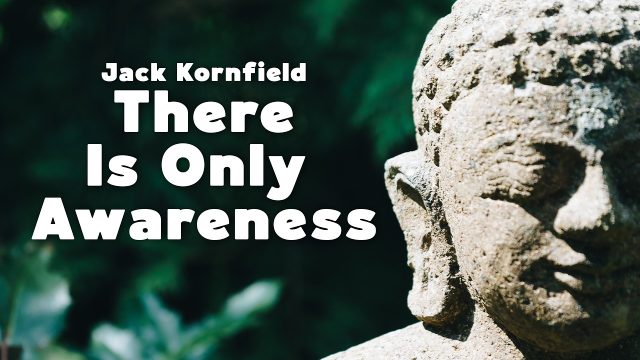
Joy in Crisis: How to Uplift Others Through Suffering

Jack Kornfield
Jack Kornfield
Jul 5, 2025
6 min read

From Be Here Now Network

Jack Kornfield argues that joy is not frivolous in the face of suffering—it is essential. Drawing on decades of meditation practice and direct experience visiting refugee camps, he contends that people in crisis don't need more despair reflected back to them; they need witnesses who embody a sense of uplift, possibility, and life-affirming energy. This is not about toxic positivity or denying real pain, but about understanding that joy can coexist with suffering and that cultivating it in ourselves becomes a gift we offer to others.

Read · 5 sections

Why Joy Matters When Everything is Falling Apart

One of the deepest challenges in a world marked by constant disruption is knowing how to show up for those who are suffering. We often assume that empathy means matching their despair—that walking alongside someone in pain requires us to mirror their darkness. Kornfield's insight cuts against this assumption. He observes that when he visits refugee camps, the people there are not looking for more heaviness. They already carry immense grief, loss, and uncertainty. What they long for is something different: someone who can bring a sense of uplift.

This distinction matters profoundly. Kornfield is not suggesting that we deny the reality of suffering or pretend everything is fine. Rather, he is pointing to a quality of presence that acknowledges pain while also embodying the possibility that life can hold beauty, meaning, and moments of genuine joy. In his words, those in crisis are "not looking for people who are frightened, worried, or downhearted." They already have access to that landscape internally. What nourishes them is someone who can stand steady and radiate a different frequency—one of hope, resilience, and authentic joy.

What Does Authentic Joy Look Like in the Face of Suffering?

There is an important distinction here between forced positivity and genuine joy. Kornfield's teaching points to joy as something rooted in a deeper understanding of what it means to be alive, even when—and especially when—circumstances are difficult. This is the fruit of contemplative practice. Through years of meditation, one learns to contact something in consciousness that is not dependent on external circumstances being perfect.

In Buddhist psychology, which informs Kornfield's teaching, joy is one of the Brahmaviharas, or divine abodes—a quality that can be cultivated through practice and becomes available even in the presence of grief. It is not the absence of sadness; it is a broader capacity to hold both the difficulty and the aliveness of being human. Someone who has done deep work in meditation or contemplative life learns that joy and sorrow are not opposites—they are both expressions of a heart that is open and engaged with reality.

When Kornfield speaks of bringing joy to refugee camps, he means carrying a presence that says: "I see your suffering, and I also believe in human resilience. I carry hope. I am not defeated by what I see, and that undefeated quality might remind you that you are not defeated either." This is radically different from someone arriving with a plastic smile and hollow reassurances.

How Does This Apply to Our Own Lives and Relationships?

If Kornfield's teaching applies in extreme circumstances like refugee camps, it has equally profound implications for everyday relationships and communities. We are all carrying stress, loss, or uncertainty to some degree. The question becomes: what energy do we bring to our families, friendships, and workplaces?

Consider a simple example. If a friend is going through a difficult time and you meet them with your own anxiety about their situation, you have not helped them carry their burden—you have added to it. But if you can meet them with steadiness, genuine care, and an underlying sense that life is still worth living, that difficulties can be worked with and learned from, you offer them something invaluable. Your presence becomes a mirror of possibility.

This requires cultivation. Kornfield's decades of monastic training and meditation practice were specifically aimed at developing this capacity. For those not in a monastery, the invitation is to begin a contemplative practice—meditation, prayer, time in nature, or other modalities that help you touch something stable and joyful within yourself. The point is not to achieve some perfect state of bliss. It is to develop enough inner groundedness that you can be present with pain without being overwhelmed by it, and to let that groundedness radiate outward.

The Paradox of Joy and Chaos

The central tension Kornfield addresses is this: how do we access joy when there is chaos, disruption, and suffering happening simultaneously? The answer is not to ignore the suffering or pretend it is not real. Rather, it is to understand that joy and difficulty are not mutually exclusive. A refugee who has lost everything can still laugh with a child. A person in grief can still find moments of beauty in a sunset. A community facing systemic disruption can still gather and sing together.

What makes this possible is a shift in perspective about where joy actually lives. It is not a emotion that depends on everything being okay externally. It is a capacity that lives in consciousness itself—in the ability to be present, to connect with others, to appreciate existence even in its fractured moments. This is what Kornfield has learned through his practice and his direct experience of how human beings meet adversity.

The practice, then, is twofold. First, cultivate your own capacity for joy and presence through whatever contemplative means resonate with you. Second, understand that offering this presence to others is not selfish; it is a profound form of service. When you bring uplift to someone in darkness, you are offering them proof that another way of being is possible.

Where to Go From Here

If Kornfield's teaching resonates with you, the next steps are practical. Begin or deepen a meditation or contemplative practice. You can explore beginner's mindfulness meditation, which Kornfield teaches through his courses and at centers like the Insight Meditation Society and Spirit Rock. Notice how this practice shifts your inner landscape—how it opens access to joy, patience, and steadiness even when external circumstances are challenging. Then, practice bringing that presence into your relationships and communities. Observe how your own uplift affects those around you. Finally, consider how you might apply this in service—whether through volunteer work, mentoring, or simply showing up with presence for people who are struggling. The cultivation of joy is not an escape from the world's pain; it is the foundation for meaningful engagement with it.

Comments

Loading the conversation…

The Artist in This Story

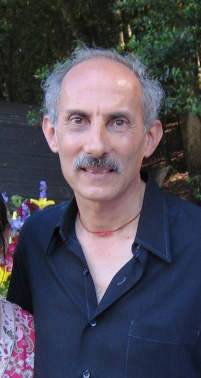
Jack Kornfield

Jack Kornfield

Meditation Teacher

Jack Kornfield, Ph.D.

View profile
Explore Topics
Joy consciousnessSuffering resilienceMeditation practiceCompassionPresence awareness
Frequently Asked Questions

Frequently Asked Questions

According to Kornfield, joy and suffering are not opposites—they can coexist. Joy comes not from denying pain but from accessing a deeper capacity in consciousness that is rooted in presence and aliveness. Through meditation and contemplative practice, you develop the ability to hold both difficulty and meaning simultaneously, which opens access to genuine joy even in challenging circumstances.

No. Kornfield teaches that cultivating your own joy and inner uplift is not selfish—it becomes a gift you offer to others. People facing hardship don't need more despair reflected back at them; they benefit from being around someone who embodies possibility, steadiness, and hope. Your well-being can serve as a mirror that reminds others of resilience.

Toxic positivity denies real pain and offers empty reassurances. Genuine joy, as Kornfield describes it, acknowledges suffering while embodying a deeper sense of aliveness and possibility rooted in lived contemplative understanding. It is not about forcing a smile; it is about bringing authentic presence that has integrated both difficulty and the capacity to remain undefeated by it.

Yes. Buddhist psychology teaches that joy is one of the Brahmaviharas, or divine abodes, qualities that can be cultivated through practice. Meditation trains your mind and nervous system to access stillness, presence, and contentment that are not dependent on external circumstances, which naturally increases your baseline capacity for joy and resilience.

Rather than matching their despair or offering hollow reassurances, Kornfield suggests developing your own steadiness and inner joy through practice, then bringing that presence into the relationship. Your calm, undefeated presence serves as evidence that difficulty can be worked with and that life remains worth engaging with, which is often more valuable than words.

Kornfield observed that people facing extreme hardship do not want those serving them to arrive with fear, worry, or heaviness. They want witnesses who bring a sense of possibility and uplift. This insight challenged him to understand joy not as frivolous but as essential medicine—a quality that affirms human resilience and hope even in conditions of deep loss.

You might also like

View All
Creating Inner Peace During Conflict and War
Inspire

Creating Inner Peace During Conflict and War

Learn how to maintain an open heart and inner peace even amid external war and suffering. A Buddhist teacher's guidance on compassion and re…

7 min read
Buddhist Psychology: Awareness as the Foundation of Mind
Inspire

Buddhist Psychology: Awareness as the Foundation of Mind

Buddhist psychology teaches that awareness is ever-present and foundational to our experience. By quieting the mind and opening the heart, w…

8 min read
Opening to Joy in Nature's Presence
Inspire

Opening to Joy in Nature's Presence

Mark Coleman explores why joy can be harder to access than suffering, and how nature offers us gifts of delight to savor without grasping.…

5 min read
Kindness as a Path to Wisdom: Reversing the Equation
Inspire

Kindness as a Path to Wisdom: Reversing the Equation

Sylvia Boorstein argues you don't need to be a skilled meditator to grow wisdom. Start with generosity, patience, and truthful speech, and t…

9 min read
See allYou might also like→

Continue your journey

More wisdom and gatherings from across the BrightStar directory.

More Articles

Browse the full library of teachings, interviews, and guides.

Back to all articles →

Teachers & Artists

Explore the lineages, musicians, and guides of the conscious world.

Explore artists →

Find an Event

Kirtan, retreats, sound baths, breathwork, festivals — happening soon.

Browse events →