BrightStar
BlogMy Tickets
BlogMy Tickets
Saved events
Help & contactSign UpLog in
Events
  • Browse All Events
  • Yoga
  • Meditation
  • Breathwork
  • Qigong
  • Sacred Music
  • World Music
  • Medicine Music
  • Sound Healing
  • Ecstatic Dance
  • Ceremony
  • Plant Medicine
  • Energy Healing
  • Satsang & Wisdom
  • Tantra
  • Retreats
  • All Categories →
Destinations
  • Bali
  • Sedona
  • Los Angeles
  • Costa Rica
  • Tulum
  • Byron Bay
  • San Francisco
  • Austin
  • New York
  • San Diego
  • Denver
  • Seattle
  • Portland
  • Miami
  • London
  • Maui
  • Boulder
  • All Cities →
Platform
  • For organizers
  • Join the Movement
  • Sell Globally
  • For Creators
  • For Teams
  • For Writers
  • For Teachers
  • For Kirtan Artists
  • For Studios
  • For Festivals
  • For Retreat Centers
  • For Nonprofits
  • Brand Ambassador
  • Free Ticketing
  • Pro
  • Amplify
  • The Ecosystem
Features

Ticketing and checkout

  • Ticket categories
  • Assigned seating
  • Custom questions
  • Coupon codes
  • Smart pricing
  • Ticket sharing
  • Waitlist
  • Flexible refunds
  • Digital waivers
  • Tip jar
  • Donations and sliding scale
  • Embed widget
  • Mindful checkout
  • Recurring events
  • Private sessions
  • Online courses
  • Summits
  • Rooms and stays
  • Ticket scanner

Marketing and growth

  • Abandoned cart recovery
  • Visitor recovery
  • Upsells and add-ons
  • Affiliate engine
  • Upsell affiliate network
  • Brand ambassador
  • Meta retargeting
  • Verified buyer network
  • Outbound email marketing
  • Email sequences
  • SMS and WhatsApp
  • Event upsell network
  • Direct mail campaigns
  • SEO engine
  • Syndication
  • Event sharing
  • Custom event pages
  • Artist profiles
  • Link in bio
  • Event blog
  • Blog newsletter

Payments

  • Payments, powered by Stripe
  • Buy now, pay later
  • Apple Wallet
  • Multi currency

Data and operations

  • Team access
  • Message center
  • Reports
  • Analytics reporting
  • Performance reporting
  • Customer data
  • Integrations
  • Switch from another platform

AI

  • Assistant
  • AI FAQ assistant
  • All Features →
Company
  • About
  • FAQ
  • Contact
  • Blog
  • Glossary
  • Guides
  • Inspiration
  • Help Center
  • API Docs
  • Brand Assets
  • Press
  • Terms of Service
  • Privacy Policy

Events

  • Browse All Events
  • Yoga
  • Meditation
  • Breathwork
  • Qigong
  • Sacred Music
  • World Music
  • Medicine Music

Destinations

  • Bali
  • Sedona
  • Los Angeles
  • Costa Rica
  • Tulum
  • Byron Bay
  • San Francisco
  • Austin

Platform

  • For organizers
  • Join the Movement
  • Sell Globally
  • For Creators
  • For Teams
  • For Writers
  • For Teachers
  • For Kirtan Artists

Features

  • Community Network
  • Abandoned Cart Recovery
  • Ticket Categories
  • Recurring Events
  • Assigned Seating
  • Affiliate Engine
  • Waitlist / Notify
  • All Features →

Company

  • About
  • FAQ
  • Contact
  • Blog
  • Glossary
  • Guides
  • Terms of Service
  • Privacy Policy
Read more

Events

  • Sound Healing
  • Ecstatic Dance
  • Ceremony
  • Plant Medicine
  • Energy Healing
  • Satsang & Wisdom
  • Tantra
  • Retreats
  • All Categories →

Destinations

  • New York
  • San Diego
  • Denver
  • Seattle
  • Portland
  • Miami
  • London
  • Maui
  • Boulder
  • All Cities →

Platform

  • For Studios
  • For Festivals
  • For Retreat Centers
  • For Nonprofits
  • Brand Ambassador
  • Free Ticketing
  • Pro
  • Amplify
  • The Ecosystem

Company

  • Inspiration
  • Help Center
  • API Docs
  • Brand Assets
  • Press

Ticketing and checkout

  • Ticket categories
  • Assigned seating
  • Custom questions
  • Coupon codes
  • Smart pricing
  • Ticket sharing
  • Waitlist
  • Flexible refunds
  • Digital waivers
  • Tip jar
  • Donations and sliding scale
  • Embed widget
  • Mindful checkout
  • Recurring events
  • Private sessions
  • Online courses
  • Summits
  • Rooms and stays
  • Ticket scanner

Marketing and growth

  • Abandoned cart recovery
  • Visitor recovery
  • Upsells and add-ons
  • Affiliate engine
  • Upsell affiliate network
  • Brand ambassador
  • Meta retargeting
  • Verified buyer network
  • Outbound email marketing
  • Email sequences
  • SMS and WhatsApp
  • Event upsell network
  • Direct mail campaigns
  • SEO engine
  • Syndication
  • Event sharing
  • Custom event pages
  • Artist profiles
  • Link in bio
  • Event blog
  • Blog newsletter

Payments

  • Payments, powered by Stripe
  • Buy now, pay later
  • Apple Wallet
  • Multi currency

Data and operations

  • Team access
  • Message center
  • Reports
  • Analytics reporting
  • Performance reporting
  • Customer data
  • Integrations
  • Switch from another platform

AI

  • Assistant
  • AI FAQ assistant
Get the app
Download on theApp StoreGet it onGoogle Play
© 2026 BrightStar. All rights reserved. BrightStar Selection · Photo credits · Changelog ·
Inspiration

Dalai Lama on Teacher Authority: Compassion Over Credentials

Jack Kornfield
Jack Kornfield
Jul 16, 2025
7 min read

From Be Here Now Network

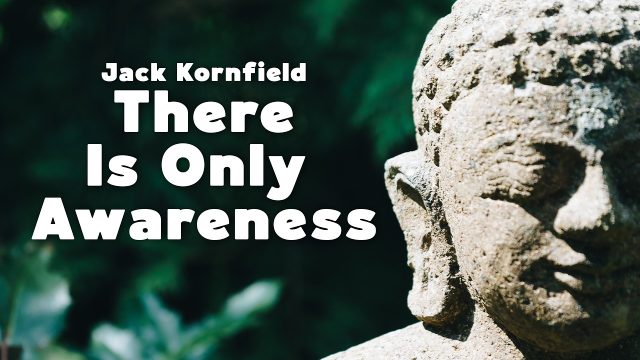
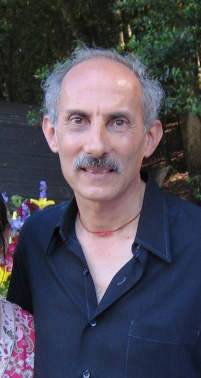
In this dharma talk recorded at Spirit Rock in 1993, Jack Kornfield reflects on encounters with the Dalai Lama, exploring what actually authorizes a spiritual teacher. The Dalai Lama's central insight: compassion—not titles, institutional authority, or converting students—determines whether a teacher genuinely embodies liberation. Kornfield uses this framework to examine how authentic practice spreads through the "scent" of actual peace and well-being, how students should relate skeptically to teachers, and how true spiritual life engages with difficulty rather than escaping it.

Read · 7 sections

What Makes a Teacher Truly Authorized?

Kornfield begins by situating this talk within a moment of rapid Buddhist expansion in the West. In 1993, Spirit Rock was experiencing spring renewal, and the wider landscape showed over 1,000 U.S. meditation centers—evidence of a movement far larger than any single sangha or institution. Yet quantity raised questions about quality: what distinguished authentic dharma teaching from mere institutional growth?

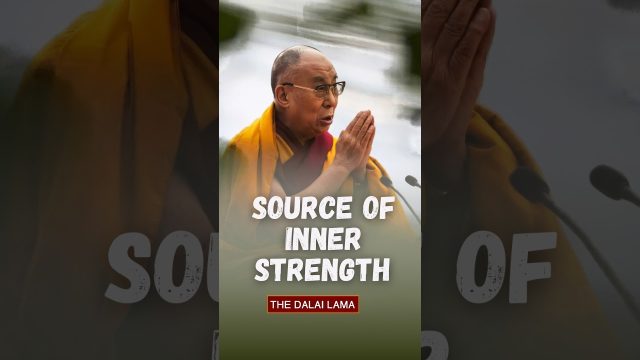
The Dalai Lama's answer shifted the conversation away from credentials. Rather than focusing on lineage, formal ordination, or institutional standing, he emphasized that a teacher's students' freedom authorizes the teaching. This reframing is radical: you do not need a fancy title or organizational backing to be a teacher. What matters is whether students around you grow more free, more awake, more compassionate. The "authorization" comes through the actual results visible in those students' lives—their reduced suffering, increased clarity, expanded heart.

This principle runs counter to much institutional religion, where authority flows downward from ordained hierarchies. Here, authority flows from the ground up: the teacher is someone whose presence and words catalyze genuine freedom in others.

Why Compassion Spreads the Dharma Better Than Conversion

The Dalai Lama also emphasized that compassion, not conversion or institutional growth, spreads the dharma. Kornfield notes this subtly undercuts evangelical models of Buddhist practice. The goal is not to make more Buddhists, get more adherents, or expand an organization. The goal is to express and radiate compassion—and that compassion itself, witnessed and felt by others, transmits something true about liberation.

This distinction matters practically. A teacher focused on conversion will pressure students, claim superiority, build loyalty to themselves or an institution. A teacher grounded in compassion simply remains present, kind, and truthful. That presence, that quality of being, communicates more than any doctrine. Students are drawn not by obligation but by the fragrance of something real.

Kornfield frames this using the Mahāparinirvāṇa Sūtra's teaching on gathering "in harmony and concord." True sangha—true community—arises not from doctrinal uniformity or institutional loyalty, but from beings coming together in a spirit of mutual respect and shared commitment to awakening. Compassion creates that harmony naturally.

The Scent-Test of Liberation: Recognizing Authentic Peace

One of Kornfield's most memorable images comes from the Dalai Lama: "Nirvana has a wonderful scent—like flowers." You can tell when you are around someone connected with nirvana. The scent is unmistakable: fragrance of peace, well-being, and liberation.

This sensory language moves beyond intellectual belief. You don't need a degree in Buddhist philosophy to recognize authentic peace. You feel it in a room. You notice it in how someone responds to difficulty, speaks to others, holds themselves. Kornfield suggests this is a reliable test: if a teacher or community smells like real peace and freedom, that is the authentic teaching. If there is inauthenticity, inaccessibility, or hidden suffering, that too becomes apparent.

The scent-test is also deeply democratic. You don't need institutional credentials to notice it. Any student, any beginner, can learn to trust their own recognition of genuine liberation when they encounter it. This empowers practitioners to be discerning—to "spy on your teachers," as Kornfield playfully suggests. Trust slowly. Watch. Does this person become freer, kinder, more honest over time? Does being around them make you feel more alive and less trapped?

How Should Students Relate to Teachers?

Kornfield emphasizes healthy skepticism as a spiritual practice. Rather than surrendering to a teacher's authority, students are invited to be investigators. The historical Buddha himself taught: don't believe anything just because I said it, don't rely on scripture alone, don't trust authority figures blindly. Instead, test teachings through your own experience.

This requires "spying on your teachers" in a friendly way. Watch how they respond when criticized. Do they become defensive or do they listen? Notice whether their teaching matches their conduct. Are they practicing what they preach, or are there hidden contradictions? Do they acknowledge their own limitations and wounds, or do they project an image of perfection?

Kornfield also introduces a psychological dimension often missing from traditional dharma talks: the wounded teacher and the wounded student. Many teachers come to spiritual practice to heal trauma or escape pain. This is understandable, but unhealed wounds can leak into teaching. A teacher who hasn't done psychological work may inadvertently retraumatize students, claiming their pain is "just ego" or "an attachment to process." Kornfield calls for bringing psychology into dharma—recognizing that genuine liberation includes psychological healing, not its bypass.

Is Spiritual Life an Escape or an Engagement?

Kornfield addresses a common misconception: that spiritual practice means withdrawing from difficulty, becoming peaceful in a detached way. He reframes spiritual life as engagement with difficulty, not escape from it. True practice includes sitting with pain, confusion, and conflict—not transcending them through dissociation or spiritual bypass.

He offers a playful example: "Bodhisattva off-duty?" The question is whether practice happens only on the meditation cushion, in a retreat setting, or whether it extends everywhere—including watching late-night TV, dealing with a difficult family member, or facing a work conflict. Real practice is continuous engagement with whatever arises. You are not trying to achieve a special meditative state and cling to it. You are learning to meet life—all of it—with clarity and compassion.

This reframes the spiritual path as fundamentally relational and embodied. You practice in community, with real people, in real conflict. The dharma is not a private experience; it is expressed through how you show up for others.

Interdependence and the True Meaning of Emptiness

Kornfield notes that authentic dharma teaching emphasizes interdependence—the mutual, all-pervasive connection among all beings. This is sometimes taught abstractly as "emptiness," but the real meaning is that true emptiness embraces every creature. You are not separate from the suffering of others. Your freedom is inseparable from theirs.

This understanding has ethical implications. You cannot achieve nirvana while remaining indifferent to others' pain. The bodhisattva vow—to liberate all beings—is not a sentimental wish but a logical consequence of understanding interdependence. When you deeply see that all beings are interconnected, compassion and action follow naturally.

Kornfield emphasizes this explicitly when discussing speaking out against spiritual misconduct and retraumatization. Authentic teachers will acknowledge harm, protect vulnerable students, and address abuse rather than hiding it. A lineage that covers up abuse is not transmitting true dharma; it is perpetuating suffering. Speaking up is itself a bodhisattva act—protecting the sangha and the dharma itself.

Where to Go From Here

If this talk resonates, consider practicing the scent-test yourself. Next time you encounter a teacher, a community, or a teaching, check in with your body and intuition. Does it smell like freedom, or does something feel off? Trust that recognition. You don't need external permission to be a discerning student.

Explore the Mahāparinirvāṇa Sūtra's teachings on sangha and right gathering. Notice where you experience harmony and concord with others—and where there is hidden friction or coercion. That too is teaching.

Finally, examine your own practice: Are you using meditation to escape life, or to engage with it more fully? Where are you being a bodhisattva "on duty" and where are you checking out? Real practice includes all of it—the difficulty, the mess, the confusion—with an increasingly open and kind heart.

Comments

Loading the conversation…

The Artist in This Story

Jack Kornfield

Jack Kornfield

Meditation Teacher

Jack Kornfield, Ph.D.

View profile
Explore Topics
Spiritual authorityDalai lamaTeacher studentCompassionDharma
Frequently Asked Questions

Frequently Asked Questions

According to Kornfield's account, the Dalai Lama teaches that authentic teacher authority comes from students' freedom, not titles or credentials. A real teacher is someone whose presence and words catalyze genuine awakening and compassion in those around them—the students themselves authorize the teaching through their visible growth.

Kornfield offers the 'scent-test': authentic teachers radiate a fragrance of peace, well-being, and liberation that you can feel in your body. You can also practice healthy skepticism—watch how they respond to criticism, whether their conduct matches their teaching, and whether they acknowledge their own limitations rather than projecting perfection.

Spiritual bypass occurs when teachers or students use spiritual ideas to avoid real psychological work or healing. Kornfield emphasizes that authentic liberation includes psychological healing, not its avoidance. Teachers with unhealed wounds can retraumatize students by dismissing legitimate pain as 'just ego' rather than bringing both psychology and dharma into the work.

The Dalai Lama's teaching, as Kornfield presents it, is that the dharma spreads through the actual expression of compassion, not through institutional growth or conversion. When compassion becomes visible and felt by others, it transmits something true about liberation more powerfully than any argument or recruitment effort.

Kornfield teaches that understanding interdependence—that all beings are connected—naturally gives rise to compassion and ethical action. True emptiness embraces every creature, so you cannot achieve liberation while remaining indifferent to others' suffering. Speaking against abuse or harm becomes a bodhisattva act.

Kornfield challenges the idea that spiritual practice is only meditation or retreat. Real practice engages with all of life—late-night TV, difficult family members, work conflict—with increasing clarity and compassion. Spiritual life is continuous engagement with difficulty, not escape from it.

No. Kornfield encourages healthy skepticism, suggesting students 'spy on their teachers' in a friendly way. Watch for consistency between teaching and conduct, how they respond to criticism, and whether they acknowledge their own wounds. Trust slowly and let your own experience be the final authority.

You might also like

View All
Creating Inner Peace During Conflict and War
Inspire

Creating Inner Peace During Conflict and War

Learn how to maintain an open heart and inner peace even amid external war and suffering. A Buddhist teacher's guidance on compassion and re…

7 min read
Buddhist Psychology: Awareness as the Foundation of Mind
Inspire

Buddhist Psychology: Awareness as the Foundation of Mind

Buddhist psychology teaches that awareness is ever-present and foundational to our experience. By quieting the mind and opening the heart, w…

8 min read
Warmheartedness as the Source of Inner Strength and Trust
Inspire

Warmheartedness as the Source of Inner Strength and Trust

Asked how he keeps hope and strength, the Dalai Lama points to warmheartedness as the foundation of inner strength and the trust friendship …

8 min read
What Is Real Happiness? A Deeper Understanding Beyond Pleasure
Inspire

What Is Real Happiness? A Deeper Understanding Beyond Pleasure

His Holiness the Dalai Lama redefines happiness not as fleeting pleasure but as a profound sense of satisfaction that sustains us even throu…

5 min read
See allYou might also like→

Continue your journey

More wisdom and gatherings from across the BrightStar directory.

More Articles

Browse the full library of teachings, interviews, and guides.

Back to all articles →

Teachers & Artists

Explore the lineages, musicians, and guides of the conscious world.

Explore artists →

Find an Event

Kirtan, retreats, sound baths, breathwork, festivals — happening soon.

Browse events →