BrightStar
BlogMy Tickets
BlogMy Tickets
Saved events
Help & contactSign UpLog in
Events
  • Browse All Events
  • For Seekers
  • Yoga
  • Meditation
  • Breathwork
  • Qigong
  • Sacred Music
  • World Music
  • Medicine Music
  • Sound Healing
  • Ecstatic Dance
  • Ceremony
  • Plant Medicine
  • Energy Healing
  • Satsang & Wisdom
  • Tantra
  • Retreats
  • All Categories →
Destinations
  • Bali
  • Sedona
  • Los Angeles
  • Costa Rica
  • Tulum
  • Byron Bay
  • San Francisco
  • Austin
  • New York
  • San Diego
  • Seattle
  • Portland
  • Miami
  • London
  • Maui
  • Boulder
  • Oakland
  • All Cities →
Platform
  • List Your Event Free
  • Autopilot
  • Join the Movement
  • Sell Globally
  • For Creators
  • For Teams
  • For Writers
  • For Teachers
  • For Kirtan Artists
  • For Studios
  • For Festivals
  • For Retreat Centers
  • For Nonprofits
  • Brand Ambassador
  • Free Ticketing
  • Elevate
  • Amplify
  • The Ecosystem
Features

Ticketing and checkout

  • Ticket categories
  • Assigned seating
  • Custom questions
  • Coupon codes
  • Smart pricing
  • Ticket sharing
  • Waitlist
  • Flexible refunds
  • Digital waivers
  • Tip jar
  • Donations and sliding scale
  • Embed widget
  • Mindful checkout
  • Recurring events
  • Private sessions
  • Online courses
  • Summits
  • Rooms and stays
  • Ticket scanner

Marketing and growth

  • Abandoned cart recovery
  • Visitor recovery
  • Upsells and add-ons
  • Affiliate engine
  • Upsell affiliate network
  • Brand ambassador
  • Meta retargeting
  • Verified buyer network
  • Outbound email marketing
  • Email sequences
  • SMS and WhatsApp
  • Event upsell network
  • Direct mail campaigns
  • SEO engine
  • Syndication
  • Event sharing
  • Custom event pages
  • Artist profiles
  • Link in bio
  • Event blog
  • Blog newsletter

Payments

  • Payments, powered by Stripe
  • Buy now, pay later
  • Apple Wallet
  • Multi currency

Data and operations

  • Team access
  • Message center
  • Reports
  • Analytics reporting
  • Performance reporting
  • Customer data
  • Integrations
  • Switch from another platform

AI

  • Maestro
  • AI FAQ assistant
  • All Features →
Company
  • About
  • FAQ
  • Contact
  • Blog
  • Glossary
  • Inspiration
  • Help Center
  • API Docs
  • Brand Assets
  • Press
  • Terms of Service
  • Privacy Policy

Events

  • Browse All Events
  • For Seekers
  • Yoga
  • Meditation
  • Breathwork
  • Qigong
  • Sacred Music
  • World Music

Destinations

  • Bali
  • Sedona
  • Los Angeles
  • Costa Rica
  • Tulum
  • Byron Bay
  • San Francisco
  • Austin

Platform

  • List Your Event Free
  • Autopilot
  • Join the Movement
  • Sell Globally
  • For Creators
  • For Teams
  • For Writers
  • For Teachers

Features

  • Community Network
  • Abandoned Cart Recovery
  • Ticket Categories
  • Recurring Events
  • Assigned Seating
  • Affiliate Engine
  • Waitlist / Notify
  • All Features →

Company

  • About
  • FAQ
  • Contact
  • Blog
  • Glossary
  • Inspiration
  • Terms of Service
  • Privacy Policy
Read more

Events

  • Medicine Music
  • Sound Healing
  • Ecstatic Dance
  • Ceremony
  • Plant Medicine
  • Energy Healing
  • Satsang & Wisdom
  • Tantra
  • Retreats
  • All Categories →

Destinations

  • New York
  • San Diego
  • Seattle
  • Portland
  • Miami
  • London
  • Maui
  • Boulder
  • Oakland
  • All Cities →

Platform

  • For Kirtan Artists
  • For Studios
  • For Festivals
  • For Retreat Centers
  • For Nonprofits
  • Brand Ambassador
  • Free Ticketing
  • Elevate
  • Amplify
  • The Ecosystem

Company

  • Help Center
  • API Docs
  • Brand Assets
  • Press

Ticketing and checkout

  • Ticket categories
  • Assigned seating
  • Custom questions
  • Coupon codes
  • Smart pricing
  • Ticket sharing
  • Waitlist
  • Flexible refunds
  • Digital waivers
  • Tip jar
  • Donations and sliding scale
  • Embed widget
  • Mindful checkout
  • Recurring events
  • Private sessions
  • Online courses
  • Summits
  • Rooms and stays
  • Ticket scanner

Marketing and growth

  • Abandoned cart recovery
  • Visitor recovery
  • Upsells and add-ons
  • Affiliate engine
  • Upsell affiliate network
  • Brand ambassador
  • Meta retargeting
  • Verified buyer network
  • Outbound email marketing
  • Email sequences
  • SMS and WhatsApp
  • Event upsell network
  • Direct mail campaigns
  • SEO engine
  • Syndication
  • Event sharing
  • Custom event pages
  • Artist profiles
  • Link in bio
  • Event blog
  • Blog newsletter

Payments

  • Payments, powered by Stripe
  • Buy now, pay later
  • Apple Wallet
  • Multi currency

Data and operations

  • Team access
  • Message center
  • Reports
  • Analytics reporting
  • Performance reporting
  • Customer data
  • Integrations
  • Switch from another platform

AI

  • Maestro
  • AI FAQ assistant
Get the app
Download on theApp StoreGet it onGoogle Play
© 2026 BrightStar. All rights reserved. Photo credits ·
Inspiration

Attachment vs. Love: Transform Relationship Patterns

Jack Kornfield
Jack Kornfield
Jun 20, 2025
5 min read

From Be Here Now Network

Jack Kornfield presents a Buddhist reframing of attachment: the opposite of unhealthy attachment is not detachment or emotional distance, but love—a quality of presence that doesn't seek to possess, control, or fear what arises. This teaching addresses a common misunderstanding in spiritual practice, where practitioners often confuse non-attachment with indifference or emotional withdrawal. Instead, wise relationship emerges when we're able to show up fully for others without the grasping, anxiety, and need for control that characterize unhealthy attachment.

Read · 6 sections

What Is Unhealthy Attachment?

Unhealthy attachment, in Buddhist psychology, is rooted in a sense of separation and scarcity. When we are attached to someone or something, we're operating from a place of fear—fear of loss, fear of not being enough, fear of abandonment. This creates a tight, grasping quality in the relationship. We try to control outcomes, manage the other person's emotions or behavior, and cling to how we want things to be rather than meeting what is actually present. Kornfield emphasizes that this pattern doesn't come from love; it comes from a contracted, defended place where we believe we need to hold on to survive emotionally.

The irony is that this grasping usually pushes away what we're trying to keep close. People sense the neediness and control, and they withdraw. The more we grasp, the more we lose intimacy. Over time, unhealthy attachment erodes both our own peace and the quality of our relationships.

Why Detachment Misses the Mark

Many spiritual practitioners, especially those new to mindfulness or Buddhist teaching, hear the doctrine of non-attachment and conclude that the goal is to become detached—cool, distant, emotionally uninvolved. This is a fundamental misreading. Kornfield directly addresses this: detachment is not the opposite of attachment. Detachment is just another form of contraction, another way of protecting the self. It's cold, and it denies the capacity to love.

True non-attachment doesn't mean you stop caring. It means you care without the desperate grasping. You show up fully, but without the illusion that you can control the outcome or keep something permanently yours. This is actually more vulnerable, not less. It requires more courage than either grasping or withdrawing.

Love as the Opposite of Attachment

Kornfield's central teaching inverts the common framework: "The opposite of attachment is not detachment, but love." This is the pivot point of the talk. Love, as he describes it, has specific qualities that distinguish it from attachment:

  • It does not seek to possess or control. Love allows the other person to be themselves, to grow, to change, without requiring them to stay fixed in a role that serves our emotional needs.
  • It does not separate or fear what is there. Love doesn't withdraw when things become difficult or when the other person disappoints us. It stays present, even in discomfort.
  • It is the ability to be present without grasping. This is perhaps the clearest definition: presence without the tight, anxious quality of trying to force or hold onto something.

This kind of love is active, not passive. It shows up, it engages, it offers its blessings. But it does so from a place of fullness rather than need, from choice rather than desperation.

The Spiritual Practice of Releasing Grasping

How do we move from unhealthy attachment toward this kind of love? Kornfield's work, rooted in his training as a Buddhist monk under teachers like Ajahn Chah, points to meditation and mindfulness as the primary tools. Through meditation, we begin to notice the grasping directly. We see it in the body—the tightness, the tension. We see it in the mind—the repetitive thoughts, the worry, the fantasies of control.

By observing these patterns without judgment, we create space between the impulse to grasp and our response. We begin to understand that the grasping itself is the source of suffering, not the solution. This isn't a moral failing; it's the human condition, and it's workable. As we practice, we can gradually learn to stay present with uncertainty, with the reality that we cannot control others or outcomes, and find that this release actually brings more peace and more authentic connection.

The practice also involves cultivating what Kornfield calls "the ability to be present without grasping." This might look like: sitting with a loved one and fully listening without trying to fix them; feeling your own vulnerability without needing to defend or retreat; allowing the other person to live their own life without requiring their choices to validate yours.

Love as Offering, Not Demand

In the teaching, Kornfield notes that love "offers its blessings." This language—offering—is crucial. It suggests generosity, choice, freedom. You offer your presence, your kindness, your care, but you don't demand that it be received in a particular way or that it produce a certain result. This is radically different from attachment, which demands reciprocation, reassurance, and specific behaviors from the other person.

When you shift into offering mode, the entire relational field changes. The other person no longer feels they're being pulled, tested, or controlled. They can simply receive, or decline, without guilt. This paradoxically deepens intimacy because it removes the transactional quality and the hidden agendas that typically shadow attached relationships.

Where to Go From Here

If this teaching resonates with you, the work is largely contemplative and relational. First, notice where you're grasping in your own life. Where do you feel tight, anxious, or controlling in a relationship? What are you afraid of losing? Second, practice sitting with that fear in meditation without immediately acting on it. Let it be present. Third, experiment with offering love without conditions: show up, be present, listen, help—but without demanding a particular response. Notice what shifts when you release the demand for control.

Kornfield's broader body of work—including his books and courses on forgiveness, the Eightfold Path, and opening the heart—all support this movement from contracted attachment toward the openness and freedom of genuine love. The journey isn't about becoming cold or distant; it's about becoming more alive, more present, and more capable of real connection.

Comments

Loading the conversation…

The Artist in This Story

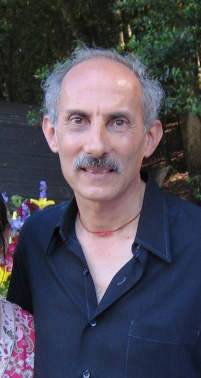
Jack Kornfield

Jack Kornfield

Meditation Teacher

Jack Kornfield, Ph.D.

View profile
Explore Topics
AttachmentLoveBuddhist psychologyRelationshipsMindfulness
Frequently Asked Questions

Frequently Asked Questions

Attachment seeks to possess, control, and separate from what is feared to be lost. Love, by contrast, is the ability to be fully present without grasping—it doesn't seek control or fear loss, but offers its blessings freely. True love allows others to be themselves while showing up authentically without anxiety.

Detachment is simply another form of contraction and self-protection—it's emotionally cold and denies our capacity to love. The goal isn't emotional distance but rather presence without grasping, which paradoxically requires more vulnerability and engagement, not less.

Through meditation and mindfulness, you can observe the grasping patterns directly—the tightness in the body, the controlling thoughts. By noticing without judgment, you create space and begin to understand that the grasping itself causes suffering. You can then practice offering love and presence without demanding specific outcomes or behaviors from the other person.

It means showing up fully, listening deeply, and offering your presence and kindness, but without the hidden demand that the other person reciprocate in a specific way or validate your needs. Love becomes an offering rather than a transaction.

No. Non-attachment means you care deeply but without the desperate, anxiety-driven quality of trying to control, possess, or permanently keep something. You care from a place of fullness and choice rather than fear and scarcity.

When you stop trying to control or manage the other person, they no longer feel pulled, tested, or obligated. This removes the transactional, hidden-agenda quality that shadows attached relationships and paradoxically deepens intimacy and trust.

You might also like

View All
Creating Inner Peace During Conflict and War
Inspire

Creating Inner Peace During Conflict and War

Learn how to maintain an open heart and inner peace even amid external war and suffering. A Buddhist teacher's guidance on compassion and re…

7 min read
Buddhist Psychology: Awareness as the Foundation of Mind
Inspire

Buddhist Psychology: Awareness as the Foundation of Mind

Buddhist psychology teaches that awareness is ever-present and foundational to our experience. By quieting the mind and opening the heart, w…

8 min read
Medicine Buddha Practice: Healing Through Darkness and Grace
Inspire

Medicine Buddha Practice: Healing Through Darkness and Grace

Lama Rod Owens guides practitioners into seasonal darkness work and the felt sense of awakened beings through Medicine Buddha practice roote…

7 min read
Love Beyond Habit: Breaking Free From Patterns of Separation
Inspire

Love Beyond Habit: Breaking Free From Patterns of Separation

When judgment, fear, and wanting filter how we see others, we lose touch with their humanity. Through mindful presence and loving-kindness, …

7 min read
See allYou might also like→

Continue your journey

More wisdom and gatherings from across the BrightStar directory.

More Articles

Browse the full library of teachings, interviews, and guides.

Back to all articles →

Teachers & Artists

Explore the lineages, musicians, and guides of the conscious world.

Explore artists →

Find an Event

Kirtan, retreats, sound baths, breathwork, festivals — happening soon.

Browse events →