**Begin Here: *Live From New Orleans at Preservation Hall***
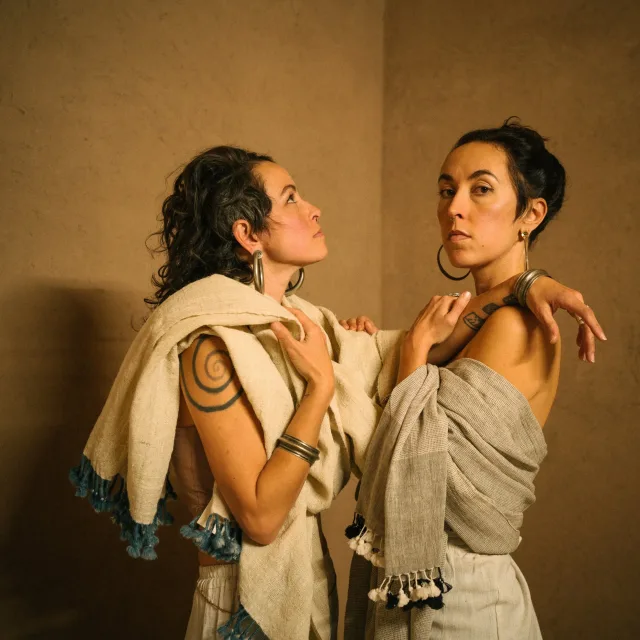
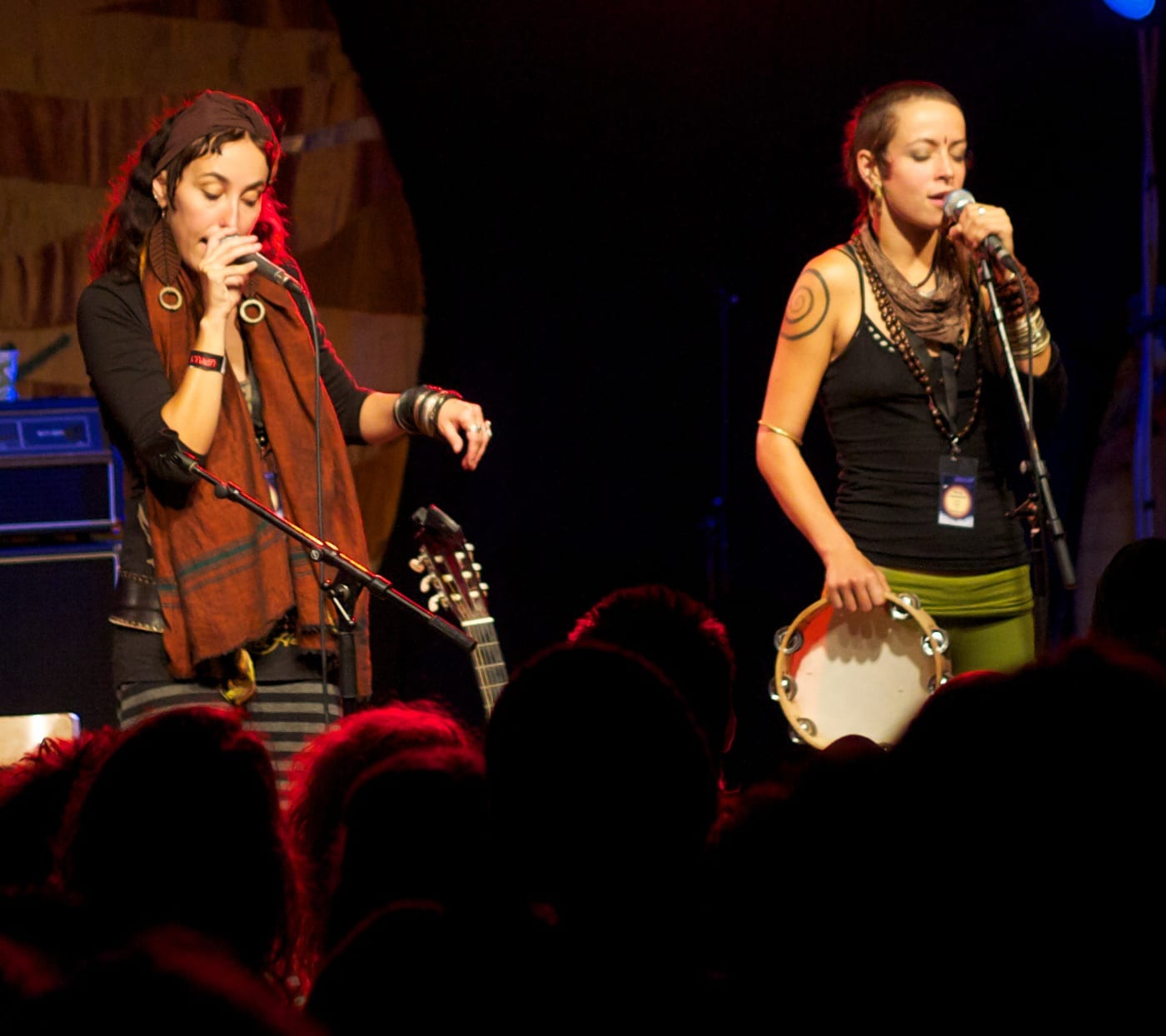
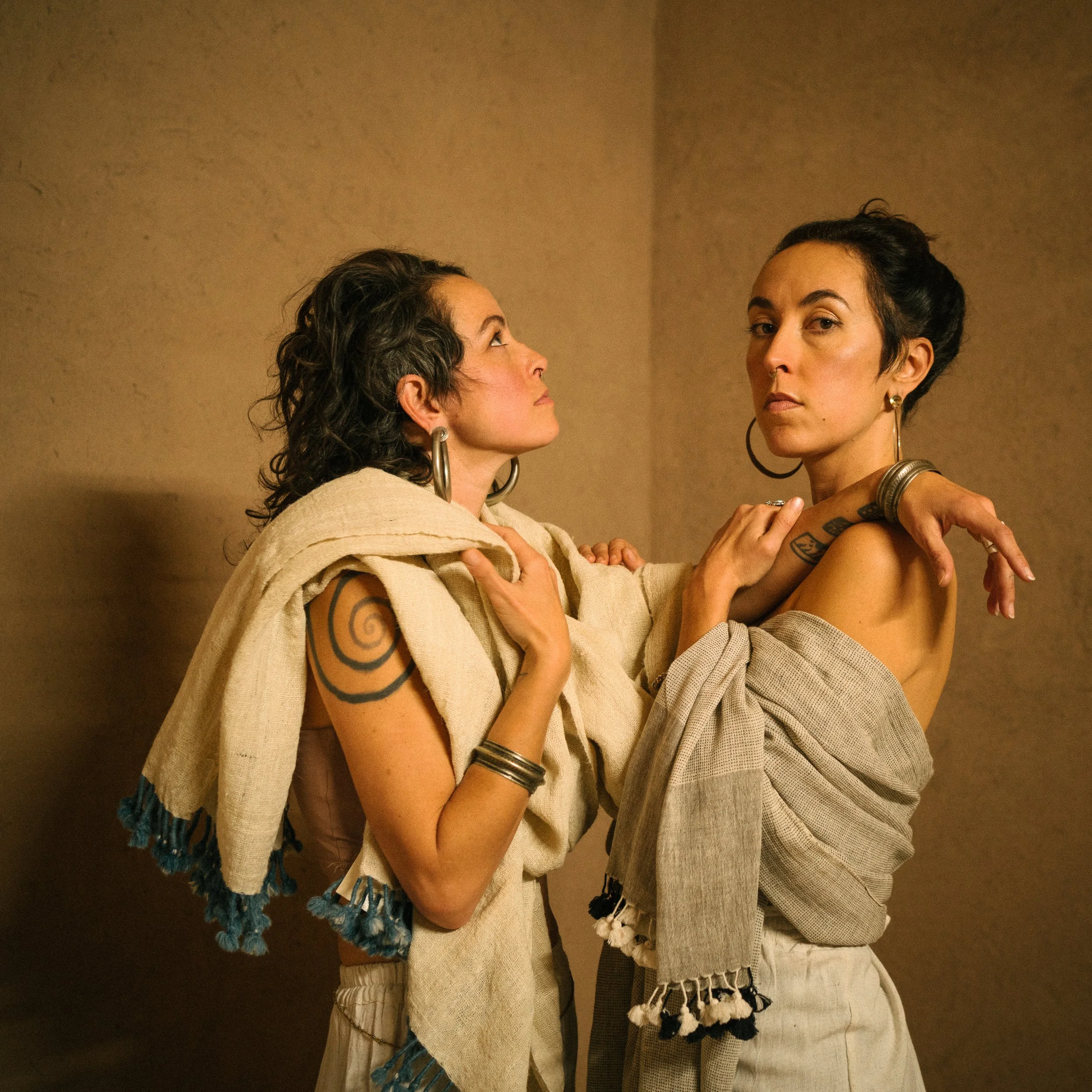
Start with Live From New Orleans at Preservation Hall (2022). This record captures Rising Appalachia in a living, breathing setting with Aurora Nealand and Branden Lewis of the Preservation Hall Jazz Band, documenting the seven years Leah Song and Chloe Smith lived in New Orleans. It shows you what their music sounds like in real time with other tradition keepers—layered harmonies between the sisters' voices, Duncan Wickel's fiddle and cello creating warm underpinnings, David Brown's upright bass anchoring the bottom end, and Biko Casini's percussion adding texture without overwhelming the space. The ensemble arrangement feels like a conversation rather than a performance, and the New Orleans instrumentation gives you an immediate sense of place. This album demonstrates their range while preserving the clarity of their harmonies and the emotional weight they bring to every song. It's the essential entry point because it shows you who they are without studio isolation getting in the way.
After That: Three Paths Deeper
Once Live From New Orleans gives you your bearings, take Folk & Anchor (2024) next. This covers album spans Bob Dylan to Beyoncé and Erykah Badu, revealing their interpretive power and willingness to trace lineage across genre boundaries. You'll understand how they reimagine canonical American folk and soul music, showing that they're not simply preserving tradition but actively reshaping it with mature confidence.
Then move to Leylines (2017), produced by Joe Henry and featuring Ani DiFranco and Trevor Hall. Named for earth energies connecting sacred sites around the world, this record represents Rising Appalachia at their most expansive in terms of guest collaboration and conceptual ambition. It's where you'll hear their environmental activism and community healing integrated into the music itself, not as decoration but as constitutive practice.
For their current creative moment, explore Flower Child (2025) and the forthcoming Unseen (May 2026). These albums tilt toward intimate songwriting about motherhood, love's expansion and rupture, and internal transformation. Chloe has reflected that the new work explores how love "expanded and broke open in new ways after I became a mother," making these records feel like invitations into their present lives rather than retrospective exercises.
What to Expect on First Encounter
Rising Appalachia's music moves deliberately. The pacing is slow—intentionally so, rooted in their commitment to the Slow Music Movement, a practice of sustainable touring that extends to how they construct and present songs. Expect that deliberation. The harmony between Leah and Chloe's voices often moves in close intervals with particular attention to the spaces between notes rather than to vocal exuberance. The sound has a gothic, melancholic quality that sits somewhere between folk ballad and contemporary chamber music—sparse enough to let silence matter, dense enough in harmonic content that repeated listens reveal new emotional registers.
The instrumental foundation centers on banjo and fiddle, the core instruments of Appalachian tradition, but Wickel's cello, Brown's baritone guitar, and Casini's percussion work create an earthiness that feels worn smooth by many hands across generations, even when the arrangements include unexpected collaborators like Aoife O'Donovan or Ayla Nereo. This is music that asks for patience and repeated listening to reveal its depths.
Common Misunderstandings
Newcomers often mistake Rising Appalachia for feel-good folk-pop with an emphasis on major keys and uplifting messaging. Their strength lies in their willingness to dwell in melancholy, complexity, and the minor-key spaces where real transformation happens. This can feel slow or emotionally demanding if you're trained on contemporary singer-songwriter conventions.
Others assume their environmental activism is a side project or marketing angle. It's not. Rising Appalachia pioneered the Slow Music Movement—traveling by Amtrak train, bio-diesel bus, horseback, and sailboat, opening their shows to local nonprofits, herbalists, farmers, and poets at every stop. Their response to Hurricane Helene in Western North Carolina involved months of volunteer relief work, supply drops, rescue efforts, and water deliveries, then gathering under a lean-to to play banjos and fiddles from a generator for neighbors in need. Their activism and land stewardship are central to how they conceive of their work, not decorative.
Finally, listeners sometimes expect virtuosic technical display or flashy instrumental pyrotechnics. Rising Appalachia's arrangements are occasionally restrained, focused on ensemble cohesion rather than individual spotlight moments. The music feels understated rather than impressive, which is exactly the point.
When This Work Lands Hardest
Rising Appalachia's music tends to land hardest during life transitions—particularly around motherhood, heartbreak, and the deepening that comes when optimism gives way to something more grounded and real. The recent albums Flower Child and Unseen speak directly to these experiences, mining personal life stages for their universal resonance.
This work also lands during moments of environmental grief and activism fatigue. Their commitment to sustainable touring and community-embedded shows demonstrates that another way of moving through the world is possible, that speed and extraction are not inevitable. Listeners who are tired of performative gestures and seeking artists with authentic commitment to land stewardship find Rising Appalachia at exactly the right moment.
Additionally, their music resonates when you're reconnecting to ancestral lineage or trying to understand where American folk traditions come from. The Lost Mystique of Being in the Know, recorded in a single day and featuring Arouna Diarra from Burkina Faso on ngoni, traces African roots within American folk traditions through direct collaboration rather than appropriation. This kind of lineage-tracing matters most when you're doing the same work in your own life.
A One-Week Starter Plan
Day 1: Listen to Live From New Orleans at Preservation Hall straight through without distraction. Notice the ensemble chemistry, the spaces between notes, the way the sisters' harmonies create conversation.
Day 2: Return to two or three tracks from Live From New Orleans that caught your attention. Listen again, paying attention to Duncan Wickel's fiddle and cello, David Brown's bass, Biko Casini's percussion. Notice how each musician is a tradition keeper in their own right.
Day 3: Move to Folk & Anchor. Choose three covers—perhaps their interpretation of Dylan, Beyoncé, and Erykah Badu—and listen to the originals first, then Rising Appalachia's versions. Notice what they keep and what they reshape.
Day 4: Listen to Leylines. Read about earth energies and sacred sites if you're unfamiliar. Notice how Ani DiFranco, Trevor Hall, and the full ensemble create something expansive.
Day 5: Listen to Flower Child or preview tracks from Unseen if they're available. Notice the shift toward interiority and intimate songwriting about motherhood and love's expansion and rupture.
Day 6: Watch their NPR Tiny Desk performance or other live footage on YouTube. See how they arrange and interpret their songs in real time, how they move as an ensemble.
Day 7: Revisit Live From New Orleans one more time. Notice what you hear now that you didn't on Day 1. If you're ready to commit, check their official website at risingappalachia.com for upcoming tour dates and consider attending a show—structured as communal gatherings where audiences reconnect to the earth, to each other, and to ancestral lineage.