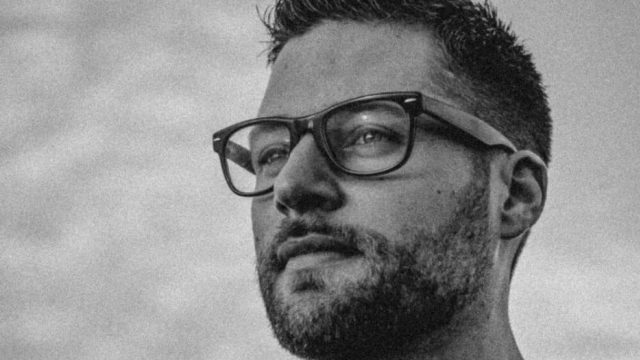

MC YOGI's recorded story begins in 2008 with Elephant Power, the debut that introduced what he calls yoga-inspired hip hop and carried it into yoga studios and festivals around the world. From there the catalog moves through the chart-reaching collaborations of Only Love Is Real (2015) and Ritual Mystical (2016), and through Pilgrimage and Mantras, Beats & Meditations. It arrives at the stripped-back, downtempo devotion of Sound Patterns (2023) and the 2024 releases Ecstatic Love Poems and Sound Patterns (Instrumentals). The throughline is a slow exchange of exuberance for space: breakbeats give way to synthesizers, and hooks give way to repetition. A note on this guide: the documented discography on file lists no formal releases, so these sections draw on the albums named in his biography and verified FAQs. No cover art or track listings are on file, so there are no images, and each "drop-in point" is a guide to where to begin rather than a track title.
2008. The debut is the loudest, most hook-driven statement of his idea. Hip hop breakbeats and electronic synths sit beneath Sanskrit chanting, yogic philosophy and Hindu mythology, with a playful confidence that made it a worldwide success. Krishna Das and Jai Uttal, both Grammy-nominated kirtan artists, lend their voices and bring acoustic warmth to the electronic frame. In his arc, this is the foundation: every later record either extends its fusion or deliberately sets it aside. Track titles aren't documented here, so drop in wherever Krishna Das or Jai Uttal's voice enters. That is where the album's two worlds, street rhythm and kirtan tradition, meet most clearly. Newcomers who want to understand how the whole story began should start here.
Pilgrimage is named in his biography as one of his other albums, but no year, guests or track details are documented, so this entry stays brief. Its title suggests a journey, though the sources don't say what that journey sounds like. Within his arc it sits among the releases that carried the yoga-inspired hip hop approach between his debut and his recent minimalism. As a first listen, treat it as a companion piece. Begin with Elephant Power for the template, then explore Pilgrimage to hear how the sound travels. When you open it, let the first few tracks set the pace before you choose where to linger.
The title is a fair summary of his method: mantra, rhythm and contemplative space held together. Like Pilgrimage, it appears in his biography among his other albums, with no documented year or track list, so this section stays short. It reads as a bridge between the beat-forward early work and the meditative later albums, and it suits listeners who want the pulse and the stillness in the same record. Since no individual track is verified here, start from the beginning and listen as you would to a practice session, letting the mantras guide the pacing. Come to it after Elephant Power if you want to trace the shift toward meditation.
2015. This is the record that proved the fusion could travel beyond spiritual niches. It debuted at #12 on Billboard Heatseekers and #24 on iTunes. Matisyahu and Trevor Hall appear as guests, pulling the sound toward reggae-tinged, song-based structures and live instrumentation. Its tone is open-hearted and melodic, more communal than the debut's breakbeat swagger. In his arc, it marks the moment of widest commercial reach. Track titles aren't documented here, so drop in at the Matisyahu or Trevor Hall collaborations. These show most plainly how his mantra practice sits beside other voices, and they are the easiest way into the album's warmth.
2016. Made with East Forest, who co-created the full album, this is the darker, more psychedelic turn. It reached #1 on the Electronic charts in August 2016. Deep bass and repetitive structures give it a hypnotic, nocturnal quality that works well for sustained meditation. In his arc, it shows the devotional voice thriving inside experimental electronic territory, a step toward the ambient textures that dominate his later work. With no track list on file, begin at the start and give it a full uninterrupted listen with the lights low. The album is built as a ritual, so it rewards continuous attention over shuffling.
2023. Featuring John Pattern, this is his current aesthetic: downtempo electronic music, mantras, personal prayers and ambient soundscapes, with the hip hop elements set aside. The pacing is slow and the production spare, with a sense of meditative forward motion rather than excitement. His voice is understated, trusting the mantra rather than showing off. In his arc, it is the mature, minimalist endpoint of the journey from Elephant Power, and it is one of the two entry points recommended for newcomers. Track titles aren't documented here, so begin with the opening stretch and let the space settle. It is especially good for yoga practice or seated meditation.
2024. The instrumental companion removes the vocals entirely and leaves the synthesizers, minimal percussion and deliberate space. It is made for practitioners who want to chant their own mantras or simply sit in silence with ambient devotional music. In his arc, it follows the vocal album and extends its logic to the limit: if the mantra is the point, the music can become the container. Because no tracks are individually documented, start from the opening and let it run as a single session. If you already know Sound Patterns, notice how different the same material feels when your own breath fills the gaps.
2024. Another meditative release, this album foregrounds mantra repetition and personal prayer over any hip hop or dance elements. Its minimalist electronic production suits both personal contemplation and group ceremony, and an instrumental version also exists. The tone is quiet devotion rather than celebration, despite the title. In his arc, it continues the path Sound Patterns opened, deepening the interior, contemplative direction of his recent work. No tracks are documented here, so start at the beginning and play it at low volume, perhaps at the close of a practice. It is the natural next step for anyone who finishes Sound Patterns wanting more.
Devotional: Elephant Power, for the kirtan voices of Krishna Das and Jai Uttal woven into the mantras and mythology.
Contemplative: Sound Patterns, for its spacious downtempo textures and personal prayers.
Energetic: Only Love Is Real, for its melodic reach, its guest collaborations and the most uplifting momentum in the catalog, though his work as a whole is meditative rather than dance-driven.
Healing: Ritual Mystical, for East Forest's ambient depth and the deep, repetitive structures that anchor long, restorative sits. For something gentler, choose Ecstatic Love Poems, or Sound Patterns (Instrumentals) if you prefer silence between your own mantras.