BrightStar
BlogMy Tickets
BlogMy Tickets
Saved events
Help & contactSign UpLog in
Events
  • Browse All Events
  • For Seekers
  • Yoga
  • Meditation
  • Breathwork
  • Qigong
  • Sacred Music
  • World Music
  • Medicine Music
  • Sound Healing
  • Ecstatic Dance
  • Ceremony
  • Plant Medicine
  • Energy Healing
  • Satsang & Wisdom
  • Tantra
  • Retreats
  • All Categories →
Destinations
  • Bali
  • Sedona
  • Los Angeles
  • Costa Rica
  • Byron Bay
  • San Francisco
  • Austin
  • New York
  • San Diego
  • Seattle
  • Miami
  • London
  • Maui
  • Boulder
  • Oakland
  • Berkeley
  • Hudson Valley
  • All Cities →
Platform
  • List Your Event Free
  • Autopilot
  • Join the Movement
  • Why we list
  • Sell Globally
  • For Creators
  • For Teams
  • For Writers
  • For Teachers
  • For Kirtan Artists
  • For Studios
  • For Festivals
  • For Retreat Centers
  • For Nonprofits
  • Brand Ambassador
  • Free Ticketing
  • Elevate
  • Amplify
Features

Ticketing and checkout

  • Ticket categories
  • Assigned seating
  • Custom questions
  • Coupon codes
  • Smart pricing
  • Ticket sharing
  • Waitlist
  • Flexible refunds
  • Digital waivers
  • Tip jar
  • Donations and sliding scale
  • Embed widget
  • Mindful checkout
  • Recurring events
  • Private sessions
  • Online courses
  • Summits
  • Rooms and stays
  • Ticket scanner

Marketing and growth

  • Abandoned cart recovery
  • Visitor recovery
  • Upsells and add-ons
  • Affiliate engine
  • Upsell affiliate network
  • Brand ambassador
  • Meta retargeting
  • Verified buyer network
  • Outbound email marketing
  • Email sequences
  • SMS and WhatsApp
  • Event upsell network
  • Direct mail campaigns
  • SEO engine
  • Syndication
  • Event sharing
  • Custom event pages
  • Artist profiles
  • Link in bio
  • Event blog
  • Blog newsletter

Payments

  • Payments, powered by Stripe
  • Buy now, pay later
  • Apple Wallet
  • Multi currency

Data and operations

  • Team access
  • Message center
  • Reports
  • Analytics reporting
  • Performance reporting
  • Customer data
  • Integrations
  • Switch from another platform

AI

  • Maestro
  • AI FAQ assistant
  • All Features →
Company
  • About
  • FAQ
  • Contact
  • The Ecosystem
  • Blog
  • Glossary
  • Inspiration
  • Help Center
  • API Docs
  • Brand Assets
  • Press
  • Terms of Service
  • Privacy Policy

Events

  • Browse All Events
  • For Seekers
  • Yoga
  • Meditation
  • Breathwork
  • Qigong
  • Sacred Music
  • World Music

Destinations

  • Bali
  • Sedona
  • Los Angeles
  • Costa Rica
  • Byron Bay
  • San Francisco
  • Austin
  • New York

Platform

  • List Your Event Free
  • Autopilot
  • Join the Movement
  • Why we list
  • Sell Globally
  • For Creators
  • For Teams
  • For Writers

Features

  • Community Network
  • Abandoned Cart Recovery
  • Ticket Categories
  • Recurring Events
  • Assigned Seating
  • Affiliate Engine
  • Waitlist / Notify
  • All Features →

Company

  • About
  • FAQ
  • Contact
  • The Ecosystem
  • Blog
  • Glossary
  • Terms of Service
  • Privacy Policy
Read more

Events

  • Medicine Music
  • Sound Healing
  • Ecstatic Dance
  • Ceremony
  • Plant Medicine
  • Energy Healing
  • Satsang & Wisdom
  • Tantra
  • Retreats
  • All Categories →

Destinations

  • San Diego
  • Seattle
  • Miami
  • London
  • Maui
  • Boulder
  • Oakland
  • Berkeley
  • Hudson Valley
  • All Cities →

Platform

  • For Teachers
  • For Kirtan Artists
  • For Studios
  • For Festivals
  • For Retreat Centers
  • For Nonprofits
  • Brand Ambassador
  • Free Ticketing
  • Elevate
  • Amplify

Company

  • Inspiration
  • Help Center
  • API Docs
  • Brand Assets
  • Press

Ticketing and checkout

  • Ticket categories
  • Assigned seating
  • Custom questions
  • Coupon codes
  • Smart pricing
  • Ticket sharing
  • Waitlist
  • Flexible refunds
  • Digital waivers
  • Tip jar
  • Donations and sliding scale
  • Embed widget
  • Mindful checkout
  • Recurring events
  • Private sessions
  • Online courses
  • Summits
  • Rooms and stays
  • Ticket scanner

Marketing and growth

  • Abandoned cart recovery
  • Visitor recovery
  • Upsells and add-ons
  • Affiliate engine
  • Upsell affiliate network
  • Brand ambassador
  • Meta retargeting
  • Verified buyer network
  • Outbound email marketing
  • Email sequences
  • SMS and WhatsApp
  • Event upsell network
  • Direct mail campaigns
  • SEO engine
  • Syndication
  • Event sharing
  • Custom event pages
  • Artist profiles
  • Link in bio
  • Event blog
  • Blog newsletter

Payments

  • Payments, powered by Stripe
  • Buy now, pay later
  • Apple Wallet
  • Multi currency

Data and operations

  • Team access
  • Message center
  • Reports
  • Analytics reporting
  • Performance reporting
  • Customer data
  • Integrations
  • Switch from another platform

AI

  • Maestro
  • AI FAQ assistant
Get the app
Download on theApp StoreGet it onGoogle Play
© 2026 BrightStar. All rights reserved. Photo credits ·
Glossary›Vibrational Meditation

Glossary

Vibrational Meditation

A meditation practice using sound frequencies, humming, chanting, or external vibrations (singing bowls, gongs) to induce altered states and deep relaxation.

Practice it

See all
Sat, Nov 21Centering in the Storm: Qigong, Meditation, and Sacred SoundWoodacre, CA, USASat, Nov 21A Mind Like a Still Forest Pool: Non-residential Weekend Retreat with Ajahn Brahm & Ajahn CandaOxford, England, UKSat, Nov 21NYC: Home in The Heart Weekend 2026 – Hanuman Chalisas with Nina RaoNew York City, New York, USASat, Nov 21Free Weekly Spiritual Practice Sessions - SaturdayOnline
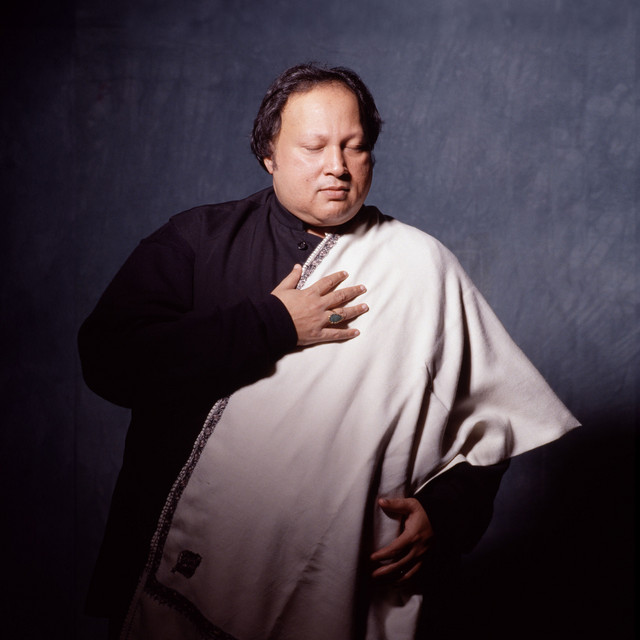
Rahat Fateh Ali KhanRahat Fateh Ali KhanMusicianCounting CrowsCounting CrowsMeditation TeacherNusrat Fateh Ali Khan QANusrat Fateh Ali Khan QAMusicianmyndstreammyndstreamMeditation Teacher

What is Vibrational Meditation?

Vibrational meditation is a contemplative practice that employs sound frequencies—either self-generated (humming, toning, mantra) or externally produced (singing bowls, tuning forks, gongs)—as the primary object of meditation. Practitioners focus on the physical sensation of vibration in the body and skull, the auditory experience of resonance, or both, with the intention of deepening concentration, altering brainwave states, and accessing non-ordinary states of consciousness. Unlike silent mindfulness traditions, vibrational meditation treats sound as both anchor and active agent, theorizing that specific frequencies influence the nervous system, fascia, and bioelectric field.

Origins & Lineage

Vibrational meditation draws from multiple independent traditions rather than a single lineage. Tibetan Buddhist ritual music—particularly the use of singing bowls and deep-toned chanting documented in Gelug and Kagyu monasteries since at least the 15th century—represents one root. The Bhramari pranayama (bee breath) technique described in the Hatha Yoga Pradipika (circa 1500 CE) instructs practitioners to produce a humming sound during exhalation to calm the mind. Nada yoga, the yoga of sound articulated in texts like the Nada Bindu Upanishad, posits inner sonic vibration (anahata nada) as a path to samadhi.

In the Islamic Sufi tradition, dhikr practices—repetitive recitation of divine names—were employed by orders such as the Naqshbandi and Mevlevi from the 12th century onward, with emphasis on the vibrational quality of sacred syllables. The contemporary term “vibrational meditation” emerged in Western wellness contexts in the late 20th century, popularized by sound healers and New Age practitioners who synthesized these traditions with modern acoustics and neuroscience.

How It’s Practiced

Vibrational meditation sessions typically last 15 to 60 minutes. In self-generated forms, practitioners sit in a comfortable posture and produce sustained tones—humming on a single pitch, chanting vowel sounds (“om,” “ah,” “ee”), or repeating mantras—while attending to the buzz and resonance in the chest, throat, and cranium. The breath is slow and controlled; the focus is on the tactile-auditory feedback loop.

Externally facilitated sessions, often called “sound baths,” position participants lying supine while a practitioner plays Himalayan or crystal singing bowls, planetary gongs, tuning forks, or monochords. The instruments are struck or circled to produce sustained tones and harmonic overtones. Participants are instructed to listen passively and notice bodily sensations. Some facilitators target specific frequencies (e.g., 432 Hz, 528 Hz) based on claims about their physiological effects, though empirical support for frequency-specific benefits remains inconclusive.

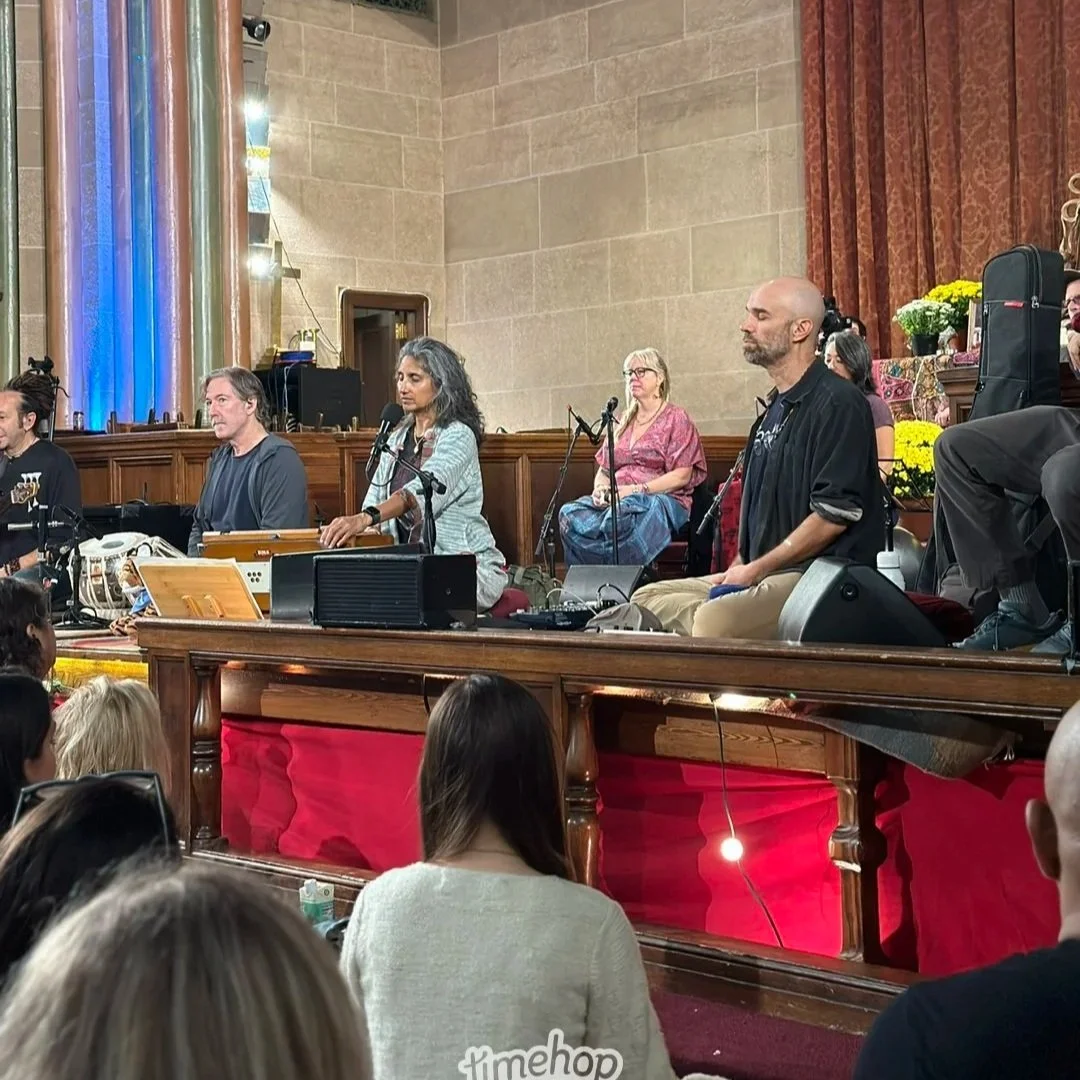
Group chanting—found in kirtan, Gregorian chant, or nonsectarian toning circles—combines self-generated vibration with communal resonance. The collective sound creates acoustic interference patterns that participants often describe as enveloping or immersive.

Vibrational Meditation Today

Vibrational meditation is widely accessible in urban wellness centers, yoga studios, and retreat centers across North America, Europe, and Australia. Online platforms offer guided recordings, and consumer-grade singing bowls and tuning forks are marketed for home practice. Festivals such as Bhakti Fest and Wanderlust feature sound-healing workshops alongside yoga and breathwork. Clinical settings—including integrative oncology programs and hospice care—have incorporated sound-based relaxation, though these applications emphasize stress reduction rather than spiritual attainment.

The practice has been embraced by somatic therapists, bodyworkers, and trauma-informed practitioners who theorize that vibration can release tension held in fascia and support nervous system regulation. Research into binaural beats, brainwave entrainment, and the relaxation response has lent partial scientific legitimacy, though studies specific to singing bowls or mantra meditation remain limited and methodologically varied.

Common Misconceptions

Vibrational meditation is not a unified tradition with a central authority or scripture. What is marketed under this name in the West often blends elements from unrelated cultures without rigorous transmission. Claims that specific frequencies “heal” organs, “raise vibration,” or align chakras lack peer-reviewed support; while sound does influence physiology (heart rate variability, cortisol), the mechanisms are general relaxation effects rather than frequency-specific cures.

It is also distinct from silent concentration practices like Zen zazen or Vipassana, where auditory stimuli are typically considered distractions. Some traditional Buddhist and Hindu teachers view the incorporation of instruments and external sound as preliminary or devotional rather than the core path to insight.

How to Begin

Beginners may start with a simple humming practice: sit comfortably, close the eyes, inhale through the nose, and hum gently on the exhale for 5–10 breaths, noticing where vibration is felt. Experiment with pitch to find resonance in the chest or head. Jonathan Goldman’s Healing Sounds: The Power of Harmonics (1992) offers a pragmatic introduction to toning and overtone chanting. For externally facilitated experiences, seek sound baths at local yoga studios or meditation centers; many offer drop-in sessions. Apps such as Insight Timer feature guided vibrational meditations and binaural soundscapes. Those interested in traditional lineages may explore kirtan with bhakti yoga communities or investigate nada yoga teachings through the Bihar School of Yoga’s publications.

Related terms

sound healingnada yogamantra meditationbhramari pranayamasinging bowlssound bath
All termsDiscover