What is Spirituality?
Spirituality refers to the human concern with matters of ultimate meaning, purpose, and connection that transcend ordinary material existence. Unlike religion—which typically involves organized doctrine, institutions, and communal worship—spirituality describes a broader, often individualized orientation toward the sacred, the numinous, or the transcendent. It encompasses the practices, beliefs, and experiences through which people seek deeper self-understanding, connection to others, relationship with nature, or communion with the divine.
The term resists precise definition because it names a dimension of human experience rather than a single tradition or method. Contemporary usage typically emphasizes personal experience over inherited authority, inner transformation over external observance, and inclusivity over doctrinal boundaries. Yet spirituality has always existed within and alongside religious traditions, referring to the experiential and contemplative aspects of faith.
Origins & Lineage
The English word “spirituality” derives from the Latin spiritualitas, itself rooting in spiritus (breath, spirit), which translated the Greek pneuma and Hebrew ruach—both meaning breath, wind, or animating life force. In early Christianity, spirituality denoted life lived according to the Holy Spirit, distinguishing interior devotion from mere ritual observance.
During the Middle Ages, Christian spirituality developed distinct schools: Benedictine monasticism (6th century), Franciscan poverty (13th century), Ignatian discernment (16th century), and Carmelite mysticism exemplified by Teresa of Ávila and John of the Cross. Meanwhile, parallel contemplative traditions flourished worldwide: Sufism within Islam (8th–9th centuries), Kabbalah within Judaism (12th–13th centuries), Bhakti and Vedanta within Hinduism, and Chan/Zen within Buddhism.
The modern Western concept of “spirituality” as distinct from—or even opposed to—“religion” emerged in the late 19th and early 20th centuries. The Transcendentalists (Emerson, Thoreau) drew on Asian texts newly available in translation. The Theosophical Society (founded 1875) synthesized Western esotericism with Indian philosophy. William James’s The Varieties of Religious Experience (1902) legitimized personal spiritual experience as a subject of scholarly inquiry.
How It’s Practiced
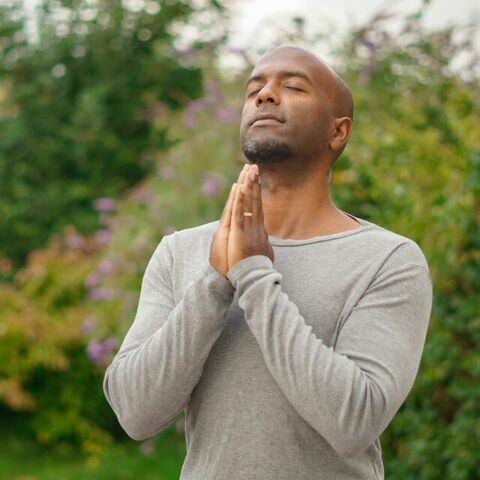
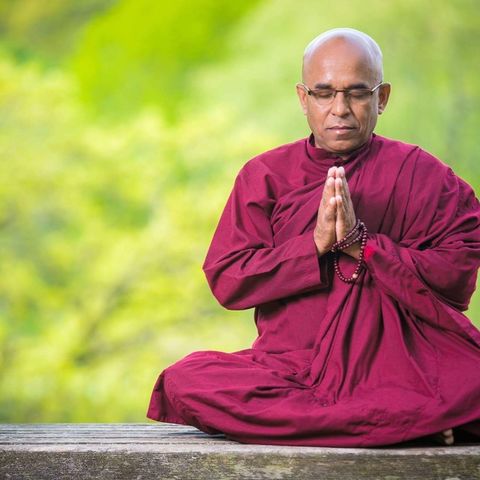
Spirituality manifests through enormous variety. Common practices include meditation (focused attention or open awareness), prayer (petitionary, contemplative, or centering), breathwork (pranayama, holotropic breathing), movement (yoga, tai chi, ecstatic dance), ritual (seasonal ceremonies, intention-setting, altar-tending), pilgrimage (journeys to sacred sites or into wilderness), study (sacred texts, philosophy, poetry), and service (karma yoga, engaged Buddhism, social justice work rooted in faith).
Many practitioners combine elements from multiple traditions—a phenomenon sometimes called “spiritual eclecticism” or criticized as “spiritual bypassing” when used to avoid psychological or social realities. Embodied practices increasingly integrate somatic awareness, trauma-informed methods, and recognition of how power, privilege, and cultural appropriation shape spiritual communities.
Spirituality also appears in non-practice forms: experiences of awe in nature, creative expression, psychedelic journeys, near-death experiences, spontaneous mystical states, or the “dark night of the soul”—periods of spiritual desolation described by mystics across traditions.
Spirituality Today
Contemporary seekers encounter spirituality through meditation apps (Headspace, Insight Timer), retreat centers (Esalen, Omega Institute, Spirit Rock), festivals (Bhakti Fest, Lightning in a Bottle), plant medicine circles, breathwork sessions, embodiment workshops, and online courses. The “spiritual but not religious” demographic—now roughly one-quarter of Americans—represents a significant cultural shift, particularly among younger generations.
Modern spirituality emphasizes accessibility and inclusivity while grappling with questions of cultural appropriation, commercialization, and the need for trauma-informed, equity-centered approaches. The field has expanded to include eco-spirituality (deep ecology, animism), somatics (body-based healing), psychedelic-assisted therapy, and contemplative neuroscience research at institutions like the Mind & Life Institute.
Critical voices warn against “spiritual materialism” (Chögyam Trungpa’s term for using practice to bolster ego), wellness industry commodification, and the apolitical tendencies of some spiritual communities. Simultaneously, contemplative practices are being integrated into secular contexts: mindfulness in schools and hospitals, compassion training in corporations, and restorative justice in criminal legal reform.
Common Misconceptions
Spirituality is not inherently opposed to religion; many people cultivate spirituality within religious frameworks. It is not necessarily theistic—Buddhist, Taoist, and secular humanist spiritualities exist without belief in God. It does not require belief in the supernatural; naturalistic spirituality finds transcendence in immanence, awe in the cosmos as revealed by science.
Spirituality is not always peaceful or blissful. Authentic practice often involves confronting suffering, shadow, and existential uncertainty. It is not apolitical—liberation theology, engaged Buddhism, and indigenous spiritual movements demonstrate deep integration of contemplation and justice work. Finally, spirituality is not a substitute for mental health treatment, medical care, or the hard work of psychological development, though it may complement these.
How to Begin
Begin where you are. Notice what already evokes wonder, presence, or meaning in your life—time in nature, creative work, service to others, moments of stillness. Explore one practice with consistency rather than sampling many: sit for ten minutes daily, walk mindfully, keep a gratitude journal, or read a text that speaks to your questions.
Accessible entry points include Jack Kornfield’s A Path with Heart, Pema Chödrön’s When Things Fall Apart, Mary Oliver’s poetry, Ram Dass’s Be Here Now, or Thomas Merton’s New Seeds of Contemplation. Local meditation centers, yoga studios offering philosophy classes, and contemplative churches or sanghas provide community. Teachers like Tara Brach, Adyashanti, Joanna Macy, and countless others offer free talks online.
The most reliable guidance: find practices that increase compassion, clarity, and capacity to be present with life as it is. Be wary of teachers who claim exclusive truth, demand unquestioning obedience, or promise shortcuts to enlightenment. Spirituality is not a destination but a lifelong engagement with mystery.