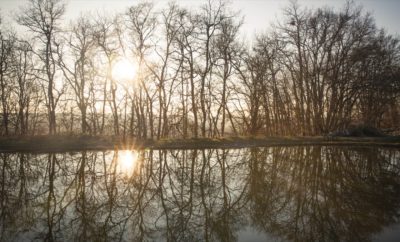
Plum Village — Thénac, France
Zen Buddhist monastery and retreat community in Thénac, southwest France
Plum Village is a Buddhist monastery and retreat community in the French countryside near Bordeaux, in southwest France, with its address in the town of Thénac. Its own pages describe it as the largest international practice center in the Plum Village tradition of Zen Master Thich Nhat Hanh, and the first monastic community he founded in the West. More than 200 resident monks and nuns live and practise there. The story starts small. Plum Village began in 1982 as a rustic farmstead, and the pages call it a continuation of the original "Sweet Potato Community" that Thich Nhat Hanh, known to his students as Thay, founded near Paris in the 1970s, soon after he was exiled from Vietnam. He had been ordained as a monk at sixteen and had gone on to envision an engaged Buddhism that could respond directly to the needs of society. Sister Chan Khong, his first fully ordained monastic disciple, has helped establish Plum Village since the 1980s and is today the Elder nun of the International Plum Village Sangha. The pages say the place is where Thay realised his dream of a Beloved Community, a healthy, nourishing environment in which people learn to live in harmony with one another and with the Earth. They now describe it as Europe's largest Buddhist monastery. The practice is woven into the day. Plum Village trains mindfulness in eating, walking, working and drinking tea together, with periods of silence, sitting meditation, rest, relaxation, mindful work and play. Everyone who comes is invited into the communal tasks of the hamlet they stay in, whether preparing meals, cleaning or washing dishes, as a way of learning to cultivate joy and mindfulness in whatever they are doing. Visitors can attend a scheduled Day of Mindfulness, a Sunday that the pages call a small taste of the practice. This autumn they rotate through the Lower Hamlet, Upper Hamlet and New Hamlet. Longer stays are through retreats listed on the Retreats Calendar, among them the Rains Retreat, the Wake Up Retreat for young adults and the Summer Opening Family Retreat, with programs for children and teens. The monastic calendar also includes Vesak celebrations, Dharma Lamp transmission ceremonies and novice ordinations. The Myrtle Family of nine novice monks and nuns was ordained in Plum Village France on 1 November. The engaged ethics taught here are the Five and Fourteen Mindfulness Trainings. The place is not one building but a spiritual family spread across the countryside. Plum Village France is made up of self-contained monasteries called hamlets, where monastics and lay practitioners live, eat, practise, work and relax together. Upper Hamlet is home to the monks. New Hamlet and Lower Hamlet are the two communities of nuns, about 18 km apart. The hamlets come together at least twice a week, on Thursdays and Sundays in spring, autumn and winter, to listen to a teaching and share a full day of practice. Overnight stays are possible only for guests who have registered and paid for a retreat, and each hamlet assigns places by how people are travelling, whether single women, single men, couples or families. The pages say thousands of practitioners come every year from around the world. Beyond a visit or a retreat, a path exists for those who want more. Those with a lifelong aspiration can ask to join the monastic community, and those who want to experience monastic training for some years can consider the Five-Year Program. The sangha numbers over 700 monastics in Europe, America and Asia. Senior Dharma Teachers regularly give teachings at Plum Village France. A monk or nun is generally considered for the Dharma Lamp only after at least eight years of ordination, and teachers are chosen as much for how they live as for what they say.
Traditions: Plum Village tradition, Zen Buddhism, Engaged Buddhism, Sitting Meditation, Mindful Eating, Walking Meditation, Five Mindfulness Trainings, Fourteen Mindfulness Trainings
Programs: Days of Mindfulness, Rains Retreat, Wake Up Retreat, Summer Opening Family Retreat, Wellbeing Retreat, Francophone Retreat, Programs for Children and Teens, Extended Stay, Five-Year Monastic Program, Dharma Lamp Transmission Ceremony
Amenities: Overnight Accommodation, Catering, Three Hamlets, Rural Setting
Spiritual Influences
Thích Nhất Hạnh (Founder / Teacher): Vietnamese Zen master who founded Plum Village in 1982 and coined the term "Engaged Buddhism," shaping the community's integration of contemplative practice with social action and lay-accessible mindfulness.
Engaged Buddhism (Philosophy): A term Thích Nhất Hạnh coined to describe applying meditative practice to social action, addressing war, injustice, and ecological crises—forming Plum Village's core approach.
Vietnamese Thiền (Linji lineage) (Lineage): Plum Village's roots in Vietnamese Zen Buddhism within the Linji (Rinzai) lineage and Mahayana philosophy provide the monastic foundation adapted for Western and contemporary contexts.
The Order of Interbeing (Spiritual Order): Established by Thích Nhất Hạnh in 1966 with the Fourteen Mindfulness Trainings (modern Bodhisattva precepts), this order forms Plum Village's spiritual backbone and replaces traditional guru-centered hierarchy with collective practice.
Simple Living / Ecological Care (Ethos): Happy Farms, vegan meals, and environmental focus make ecological care inseparable from spiritual life, weaving mindfulness into mundane acts like dishwashing and gardening.
School of Youth for Social Service (Historical Movement): Founded by Thích Nhất Hạnh during the Vietnam War, this neutral peace corps of 10,000 workers who rebuilt villages established the template for Plum Village's practice of compassionate social engagement born from refugee resilience.
Frequently Asked Questions
What makes Plum Village different from other Buddhist retreat centers?
Plum Village is the birthplace of Engaged Buddhism in the West, founded by Thích Nhất Hạnh and Sister Chân Không in 1982, and it's still the largest Buddhist monastery in Europe. The practice here is deliberately anti-dramatic—no grueling Zen schedules, no koan combat, just repetitive daily rhythms designed to make mindfulness ordinary rather than mystical. The bell rings throughout the day and everyone stops completely, which sounds gimmicky until you experience two hundred people freezing mid-step on gravel paths and actually feel time bend. It operates on dana economics, meaning you pay what you can afford, which attracts a wildly mixed crowd—broke students, families with kids, lifetime practitioners. If you're looking for intensity or esoteric teachings, this isn't it; the whole point here is that washing lettuce in silence is the practice.
Who shouldn't come to Plum Village?
Anyone needing privacy or solitude should think twice—retreats here can host hundreds of people across the four hamlets, and you'll be sleeping in dormitories and sharing bathrooms with strangers. If you're allergic to community singing, gentle Dharma talks, or families with children at meditation centers, you'll find Plum Village painfully wholesome and accessible rather than rigorous. The pace is glacial by design; if you want breakthrough experiences or advanced teachings, you'll likely feel understimulated. People who need creature comforts should also be warned—the accommodations are monastery-grade basic, the food is simple vegetarian from a communal kitchen, and there's nothing glamorous about the setup. This place rewards people who can settle into repetition and find depth in the unglamorous work of just being present, day after day.
What does a typical day at Plum Village actually look like?
The bell wakes you early for sitting meditation in one of the hamlet meditation halls, followed by walking meditation through the vineyards or plum orchards—not a stroll but a deliberate, silent practice moving in a long line. Breakfast is eaten in complete noble silence at long wooden tables, and afterward you're assigned work meditation, which might mean kitchen duty, garden work, or cleaning. Mid-morning or afternoon there's a Dharma talk from one of the monastics in brown robes, teaching the Fourteen Mindfulness Trainings or offering reflections on Thay's teachings. Lunch is again silent, then free time before more sitting or walking meditation, and dinner. The bells ring throughout the day to signal stopping practice—wherever you are, whatever you're doing, you freeze for fifteen seconds of collective stillness. It's profoundly repetitive, which is exactly the point.
What's the food situation really like at Plum Village?
Meals are strictly vegetarian and often vegan, much of it grown on-site, served at long wooden tables where noble silence is enforced—no talking, just the sound of silverware and chewing. The food is monastery-simple, think vegetable stews, rice, salads, bread, nothing gourmet but nourishing and surprisingly good for institutional cooking. Some people find the silent meals profoundly peaceful; others find them awkward and interminable, especially the first few days when you're hyper-aware of every swallow. If you have dietary restrictions beyond vegetarian they'll accommodate, but don't expect elaborate options—the kitchen feeds hundreds on a dana-based budget. What catches people off guard is that meals are also considered practice, not fuel breaks, so rushing or scrolling your phone would violate the whole atmosphere.
What are the lodging options and what should I actually expect?
You'll sleep in one of the four hamlets that make up Plum Village—Upper Hamlet, New Hamlet, Lower Hamlet, or Son Ha—each with its own dormitories and hermitages scattered across the property. Standard accommodation means dormitory-style rooms with shared bathrooms, very basic beds, minimal storage, and zero luxury; think summer camp austerity, not boutique retreat. Some hermitages offer slightly more privacy but they're still sparse—this is a functioning monastery, not a wellness resort. What you lose in comfort you gain in setting; many rooms overlook vineyards or plum orchards, and the whole point is that you won't be in your room much anyway. If you absolutely need your own space or have mobility issues with shared facilities, mention it when booking—they'll work with you, but options are limited and it's worth setting expectations low.
What surprises first-timers at Plum Village, good and bad?
The good surprise is how genuinely kind the monastics are—reviewers consistently mention the palpable compassion, not performative but embedded in how they move and teach. The scale surprises people too; with hundreds of practitioners from dozens of countries, it feels less like an intimate retreat and more like a temporary international village. The bad surprise is the austerity—people show up expecting rustic-charming and get genuinely spartan dormitories, cold morning meditation halls, and long stretches of mandated silence that can feel socially suffocating if you're not prepared. The bells stopping everyone mid-action sounds precious in theory but actually works, which is disorienting. And the slowness frustrates people who want intensity or measurable progress; you'll spend a week here and the most dramatic thing that happens is you notice your breathing.
How does the dana pricing model actually work and what does it cover?
Plum Village runs on traditional Buddhist generosity economics—you pay what you can, which means some people pay full suggested rates and others pay nearly nothing, and no one checks your tax returns. The dana covers accommodation, all meals, and teachings; there's no upselling for premium meditation slots or private interviews. Where you might spend more is getting there—Thénac is rural Dordogne, not easily accessed without a car—and potentially donations for specific building projects or books from the shop. The system works because it's held by genuine Buddhist principle, not marketing gimmick, but it requires you to self-assess honestly rather than game the system. First-timers often stress about what to give; long-term practitioners say calculate what a similar retreat would cost elsewhere, then give what feels true to your situation, and trust the model because it's sustained this place since 1982.
How strict is the silence requirement and what are the actual etiquette expectations?
Noble silence is enforced from after evening sitting until after breakfast, and during all meals—you're expected to stay quiet, and the social pressure to comply is strong with two hundred people holding the container. Outside those times you can talk, but the culture heavily favors quiet conversation and there are designated sharing spaces if you need to process verbally. Phones are allowed but deeply frowned upon in communal areas; you'll see people checking them in their rooms or on walks, but scrolling during tea time would mark you as clueless. The stopping bells are non-negotiable—when you hear three rings, you freeze completely for three breaths, even mid-sentence, even if it feels absurd at first. If you need to leave a session early or skip something, you can, but do it quietly and without drama; this isn't a prison, but the collective practice depends on people respecting the shared rhythms. What catches people is that these aren't rules enforced by authority but norms held by peer culture, which somehow makes them harder to break.
What's the land and built environment actually feel like?
Plum Village sprawls across four hamlets of converted French farmland in Dordogne countryside—stone buildings, gravel paths, plum orchards, vineyards, vegetable gardens, all humble and agricultural rather than designed. The meditation halls are simple, sometimes chilly, with cushions on floors and windows that look out to hills and farmland. You'll walk dirt paths between hamlets, past the tea house, through working gardens where monastics grow food. It doesn't feel precious or landscaped; it feels like a working farm that happens to also be a monastery, which is exactly what it is. The famous plum trees are everywhere, gnarled and productive, and in autumn the smell of fermenting fruit hangs over everything. What's striking is the absence of grandeur—no dramatic architecture, no Instagram-bait temple, just functional buildings and land that's clearly been worked and cared for over decades. Some people find it peacefully humble; others find it underwhelming if they're expecting Zen garden aesthetics.
What should I pack that most first-timers forget or get wrong?
Bring serious rain gear and layers—Dordogne weather is unpredictable and you'll be outside for walking meditation regardless of drizzle, and the meditation halls can be cold even in summer. A good water bottle is essential since you're walking between hamlets and sessions all day. Most people under-pack warm socks and regret it in those stone buildings at 6am meditation. A small flashlight or headlamp helps for early morning or evening walks between buildings on unlit paths. Don't bother with fancy meditation gear; cushions and mats are provided, and showing up with your designer zafu marks you as missing the point. The biggest thing people forget is how to be bored—bring absolutely nothing to distract yourself during downtime, because that discomfort is part of the practice, but prepare mentally for how slow and undramatic it all is.
Is Plum Village accessible for people with mobility issues or disabilities?
Honestly, this is a working monastery spread across rural French farmland, not a purpose-built accessible facility—expect gravel paths, stairs in older buildings, shared bathrooms that aren't ADA-compliant, and distances between hamlets that require walking or arranging rides. That said, the community will try to accommodate if you communicate needs in advance; they've had practitioners with various mobility challenges and can sometimes arrange ground-floor rooms or rides between locations. The meditation practice itself doesn't require physical ability—sitting in chairs is completely acceptable, and there's no pressure to do walking meditation or work assignments you can't manage. For d/Deaf practitioners, some retreats have designated translators for English and French, though you'd need to confirm ahead. Just don't show up expecting modern accessibility infrastructure; expect a lot of problem-solving, community support, and acceptance that some spaces simply won't work for some bodies.
What are first-timers most anxious about before arriving, and are those fears justified?
People panic about the silence requirements, but noble silence is only overnight and during meals—the rest of the time you can talk, and there's even structured sharing in small groups. The Buddhist religious framing worries some, but Plum Village's approach is so accessible and non-dogmatic that secular folks and Christians and ex-evangelicals all seem to find their way; Thích Nhất Hạnh's teaching style was explicitly interfaith. Fitness level doesn't matter—walking meditation is slow to the point of tedium, sitting can be done in chairs, and work meditation is adjusted to ability. The real justified fear is whether you can handle intense boredom and lack of stimulation for days on end; if you're addicted to novelty or productivity, the repetitive simplicity will make you crawl out of your skin. Also justified: worrying about the cold, the crowds, the lack of privacy in dormitories, and whether you'll connect with the soft, almost gentle teaching style versus something more rigorous or esoteric.