Esalen Institute — Big Sur, United States
Birthplace of the human potential movement, Big Sur, California
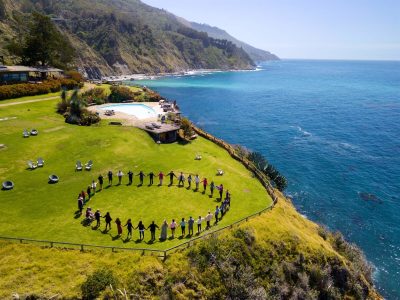
Esalen Institute is a nonprofit holistic retreat center and educational institute located at 55000 Highway 1 in Big Sur, California, widely recognized as the birthplace of the human potential movement. Founded in 1962 by Michael Murphy and Richard Price — two young Stanford graduates inspired by the ideas of Abraham Maslow and Aldous Huxley — Esalen has spent more than six decades asking the daring questions that, as its own pages put it, traditional university and religious institutions cannot or will not ask. The institute's roots run deeper than 1962. The Big Sur land it occupies was historically inhabited by the Esselen Tribe, who sent people there to heal and cleanse in the hot springs waters for more than 6,000 years across territory stretching from the Santa Lucia Mountains to the Big Sur coast. Esalen has been engaged in healing and reconciliation work with the Esselen Tribe of Monterey County since 2019 and describes the campus as co-stewarded with the tribe. What Esalen offers is deliberately wide in scope. Public workshops run across disciplines that include Esalen Massage and Meridian Work, kundalini kriya, somatic movement, meditation and mindfulness, breathwork, sound healing, land-based practices and grief work, writing and mindfulness, and seasonal ritual retreats such as the Winter Solstice program built around the chakra system. Self-Guided Explorations allow visitors to build a self-paced stay outside any fixed workshop schedule. The Work Scholar Program — a three-month residential work-exchange — places participants in the kitchen or housekeeping departments for roughly 36 hours per week while engaging monthly study themes of Place and Presence, Meditation and Mindfulness, and Embodied Inquiry. Donor-funded scholarships are available to widen access to programming across all formats. The campus sits on the Pacific coastline beneath the Santa Lucia Mountains, approximately 45 miles from the nearest town, with no cell coverage and limited internet access by design. Every overnight stay includes three buffet meals daily served in the Lodge, 24-hour use of the natural hot springs, access to the pool, the Meditation Hut, and the Art Barn. Accommodation ranges from sleeping bag floor spaces and gender-inclusive bunk rooms to private rooms, with meals and core facilities included in all tuition. The Conley Bookstore stocks basic necessities on site. Esalen draws adults at every stage of inner inquiry — first-time seekers, longtime practitioners, researchers, artists, and those drawn to the intersection of psychology, somatics, spirituality, and social transformation. The campus hosts more than 500 guests each week during open programming, and its Center for Theory and Research convenes private conferences alongside the public workshop calendar. The remote setting, the land's ancient history as a place of healing, and the continuity of a community that has gathered here since the counterculture era give Esalen a character that is difficult to replicate elsewhere on the California coast.
Traditions: Human Potential Movement, Esalen Massage, Kundalini Yoga, Somatic Movement, Meditation and Mindfulness, Sound Healing, Breathwork, Land-Based Practices
Programs: Esalen Massage and Meridian Work, Self-Guided Explorations, Work Scholar Program (REEP), The Seven Flames: Winter Solstice Ritual Retreat, Sitting at the Feet of the Glacier: Land-Based Practices, Meditation, and Grief Work, Writing and Mindfulness, Soul Motion: Tenderness at the Heart of the Dance, Center for Theory and Research Conferences, Track Two Diplomacy, Donor-Funded Scholarships
Amenities: Natural Hot Springs, Swimming Pool, Meditation Hut, Art Barn, Lodge Dining, Farm and Garden, Conley Bookstore, Shared and Private Rooms, Ocean and Mountain Views, On-Site Healing Arts
Spiritual Influences
Human Potential Movement (Movement): Esalen is acknowledged as the birthplace of this movement, pioneering practices like encounter groups, mind-body integration, and humanistic psychology that later became mainstream.
Sri Aurobindo's Integral Yoga (Philosophy): Co-founder Michael Murphy's inspiration from 18 months at Sri Aurobindo Ashram and Aurobindo's evolutionary philosophy significantly shaped Esalen's integrative approach.
Gestalt Therapy (Tradition): Fritz Perls' Gestalt therapy became foundational through co-founder Dick Price's integration of it into his own Gestalt Practice approach at Esalen.
Humanistic Psychology (Philosophy): Abraham Maslow's humanistic psychology and concept of 'human potentialities' provided the intellectual foundation for Esalen's approach to consciousness exploration.
Somatics and Bodywork (Tradition): Pioneering somatic practices from Ida Rolf, Moshe Feldenkrais, and Charlotte Selver shaped Esalen's distinctive mind-body integration approach and the development of Esalen Massage.
No One Captures the Flag (Ethos): This foundational principle ensures no single ideology dominates, creating Esalen's distinctive pluralistic laboratory where synthesis trumps purity and dialogue replaces doctrine.
Frequently Asked Questions
What makes Esalen Institute different from other wellness retreats?
Esalen isn't selling comfort or easy answers—it's the birthplace of the Human Potential Movement, founded in 1962 when Fritz Perls was running Gestalt groups and Ida Rolf was doing bodywork in the lodge. The lineage runs through actual practices: Esalen massage (long, slow, integrative strokes developed here), Rinzai Zen sits, contact improvisation sessions, depth psychology workshops that don't promise resolution by Sunday checkout. You might end up eating dinner next to someone mid-silent retreat while you're processing an intense somatics session from that afternoon. The baths—clothing-optional, perched on granite at the continent's edge, open until dawn—are the physical center, but the intellectual tradition is what persists: a willingness to sit with difficulty and work through the body to reach the mind. Other retreats have hot tubs; Esalen has a 60-year methodology that refuses to soothe you.
Who shouldn't book Esalen?
If you want a spa experience with fluffy robes and attentive service, go elsewhere—Esalen's infrastructure is aging and maintenance is inconsistent despite premium pricing. People seeking explicitly spiritual or religious guidance will find the non-denominational human potential framework frustratingly secular and psychologically focused rather than devotional. The community culture can read as cliquish; repeat visitors have an in-group vibe that first-timers find either intimidating or outright unwelcoming depending on the week and workshop. If you need guaranteed warm weather, reconsider: fog rolls in most afternoons on this stretch of Big Sur coast and the raw Pacific climate isn't for everyone. Anyone uncomfortable with clothing-optional spaces or intensive group process work will spend the weekend anxious rather than open.
What does a typical day at Esalen actually look like?
Most workshops run morning and afternoon sessions—you might sit zazen at sunrise around 7am, break for family-style breakfast in the dining hall by 8:30am, then enter your main workshop session from 10am to 1pm. Lunch is communal, then there's usually free time until the afternoon session starts around 3:30pm or 4pm, running until dinner at 6:30pm. Evenings are loosely structured: some workshops reconvene, some people book Esalen massage sessions in the ocean-view treatment rooms, many head down the paths through eucalyptus and cypress to the baths. The hot springs are open until dawn, and plenty of people go at 2am or 4am when it's pitch black except for stars and you hear only waves breaking on the rocks below. What surprises people is how much unstructured time there is—Esalen trusts you to metabolize the work on your own between sessions rather than programming every hour.
What's the food situation really like?
The dining hall serves vegetarian meals family-style at long communal tables—much of the produce comes from Esalen's own garden, and the food preparation consistently gets praise even from skeptics. You're eating with strangers and workshop-mates, which some find connective and others find exhausting when they need solitude after intense sessions. There's no option to grab dinner in your room or skip the communal aspect; if you require animal protein or have complex dietary needs beyond standard vegetarian fare, communicate that well in advance because the kitchen isn't set up for à la carte requests. The experience is more monastic refectory than California wellness resort, and whether that feels grounding or stifling depends entirely on your tolerance for enforced community. Coffee is available, wine sometimes appears at dinner, but this isn't a place with menu choices or accommodations for picky eaters.
How do the lodging tiers compare, and what are the real tradeoffs?
Standard rooms are genuinely spartan—single bed, shared bathroom down the hall, minimal storage, walls thin enough to hear your neighbors—but many have windows facing the Pacific and you won't spend much time there anyway. Upgrades get you private baths and occasionally more space, but even premium rooms aren't luxe by resort standards; this is summer-camp-level infrastructure with a premium price tag. The real decision is whether you can handle shared bathrooms that, according to recurring reviews, range from acceptable to disappointing depending on cleaning schedules and traffic. Sleeping Bag Space is the budget option—you're literally on a mat in a shared room, bring your own bedding—which works fine if you're 30 and flexible but brutal if you're 55 with a bad back. Many repeat visitors say book the cheapest option and spend your money on extra massage sessions or workshop upgrades, since the baths and land are the same regardless of where you sleep.
What surprises first-timers about Esalen, both good and bad?
The good: those baths at night are as transcendent as promised, especially when you time it right and have them nearly alone with just the sound of waves on the rocks below. The bad: the gap between Esalen's iconic reputation and the actual maintenance standards—chipped paint, worn facilities, bathrooms that don't match the premium pricing—surprises people who expected a polished wellness resort. Workshop quality swings wildly depending on your teacher; a standout instructor delivers something genuinely transformative, while others phone in formulaic group-therapy exercises that feel like expensive summer camp. First-timers underestimate how much the community vibe depends on who's there that week; some groups feel open and curious, others feel like an exclusive club you weren't invited to join. The coast is colder and foggier than people expect if they're picturing sunny Southern California—bring layers.
How much does Esalen actually cost, and what's included versus extra?
Esalen sits firmly in the $$$$ range—a five-day workshop with standard accommodations runs $1,500 to $2,500+ depending on the program and teacher—and that includes lodging, all meals, workshop tuition, and access to the baths. Esalen massage sessions cost extra (around $180 for 75 minutes), and those are worth budgeting for since the practitioners trained in Esalen's specific style work in treatment rooms overlooking the ocean. There's no tipping culture, which simplifies things, but you'll want cash or card for the small bookstore. Work-study and scholarship spots exist but are competitive; if cost is a barrier, apply months ahead and be flexible on timing. The sticker shock is real given the aging infrastructure, but you're paying for the land access, the lineage, and the teacher expertise—not for Four Seasons–level service or facilities.
What are the actual etiquette norms around phones, silence, and leaving workshops?
Cell service is nearly nonexistent on this stretch of Big Sur anyway, and the cultural expectation is that you're off-grid for the duration—pulling out a phone in the dining hall or baths will earn you looks. Silence isn't required except in specific workshops that frame themselves as silent retreats; most meals have normal conversation, though some people self-impose quiet and that's respected. You can skip workshop sessions if you need to, but the culture definitely leans toward full participation; ducking out early or cherry-picking sessions reads as resistant rather than self-caring. The baths are clothing-optional, not clothing-required—you'll see some people in suits, most nude, and the etiquette is simple: no staring, no phones, no photos ever. If you need to leave a workshop early for an emergency, staff are accommodating, but this isn't a drop-in environment where people casually come and go.
What does the land and built environment actually feel like?
Esalen occupies 120 acres where the Santa Lucia Mountains drop straight into the Pacific—coastal chaparral, eucalyptus and cypress groves, paths that wind down through the property to the granite ledge where the hot springs sit at the continent's edge. The architecture is 1960s-70s Big Sur rustic, wooden structures that have weathered decades of salt air and aren't trying to be precious or designed. Fog moves in most afternoons and the coast feels raw, not manicured; this is dramatic California landscape that doesn't coddle you. The garden that supplies the kitchen sprawls near the main buildings, and you'll see people working it as part of their work-study commitments. At night with minimal lighting, the Milky Way is visible from the baths, and the sound of waves breaking on black rock below is constant. It's not comfortable in the luxury sense—it's powerful and occasionally harsh, which is exactly the point.
What's the real weather situation, and what should you pack that people forget?
Big Sur's microclimate is cool and foggy even in summer—expect 50s and 60s most days, with fog rolling in by afternoon and burning off by late morning if you're lucky. People show up with sundresses and sandals expecting Southern California beach weather, then spend the weekend shivering; bring actual layers, a warm jacket, and closed-toe shoes for the uneven paths. The baths are hot enough that you're fine naked in the steam even when it's 50 degrees out, but the walk back to your room at 3am will be cold. A headlamp or small flashlight is essential since lighting is minimal after dark and you'll be navigating paths to the baths at odd hours. Earplugs help if you're in standard rooms with thin walls and snoring neighbors. Sunscreen and a hat for the rare clear afternoons, but don't count on needing them—the fog is the dominant weather pattern here.
What should first-timers know about the workshop format and intensity?
Esalen workshops aren't gentle introductions—they assume you're ready to work with difficult material, whether that's Gestalt therapy confrontation, Vipassana sitting, or somatic practices that bring up emotional content through the body. Teachers come from serious lineages (Rinzai Zen, depth psychology, contact improvisation) and the methodology doesn't promise easy resolution or closure by the end of the weekend. Group sizes vary but expect 20-40 people in most workshops, which means less individual attention than private retreats but more collective energy. The quality depends entirely on the teacher; read bios carefully and check whether they're established in their field or relatively new, because reviews consistently note that standout instructors transform the experience while mediocre ones deliver formulaic exercises. If you've never done intensive group process work, start with a shorter workshop (three days rather than five) to see if Esalen's particular brand of rigor suits you before committing to a full week.
Is Esalen actually accessible for people with mobility limitations?
Honestly, Esalen's terrain makes it challenging for anyone with significant mobility issues—the property is built on a steep coastal hillside with uneven paths, stairs down to the baths, and aging infrastructure that predates modern accessibility standards. There's no accessible bathroom information listed in their official data, and the shared bathroom setup in standard rooms means you can't guarantee grab bars or roll-in showers. The baths themselves require navigating steps down to the granite ledge, which rules them out for wheelchair users or anyone with serious balance issues. If you have specific accessibility needs, call well ahead to discuss options rather than assuming accommodations exist; the staff may be able to arrange certain rooms or supports, but this isn't a venue designed with accessibility as a priority. The reality is that Esalen's 1960s Big Sur infrastructure and dramatic topography make it genuinely difficult for many disabled visitors, and they should be more transparent about those limitations in their marketing.