


What is Mindful Self-Compassion?
Mindful Self-Compassion (MSC) is a structured, skills-based training program in self-compassion. It was developed by psychologist Kristin Neff and clinical psychologist Christopher Germer. The program combines two things: Neff’s three-component model of self-compassion, and mindfulness practice. Neff’s model has three parts:
- Self-kindness: warmth toward oneself in place of harsh self-judgment.
- Common humanity: recognizing that suffering and imperfection are part of shared human experience.
- Mindfulness: holding painful feelings in balanced awareness without suppressing them or being swept away by them.
The name can refer to the program or to the capacity it trains. MSC is not a religious path. It is a secular, psychoeducational course, usually taught to the general public, with the aim of strengthening a person’s ability to respond to difficulty with support rather than self-attack.
Origins & lineage
The program draws on two sources. The first is academic psychology. In 2003 Neff published papers in the journal Self and Identity that defined self-compassion and introduced the Self-Compassion Scale. She adapted the concept from Buddhist ideas of compassion, which she had encountered in her own meditation practice. The second source is clinical mindfulness. Germer, a clinician and a lecturer at Harvard Medical School, had long integrated mindfulness into psychotherapy. He began collaborating with Neff around 2007. Germer’s book The Mindful Path to Self-Compassion (2009) and Neff’s Self-Compassion (2011) set out the ideas for general readers.
Neff and Germer developed the MSC program together, with teaching beginning around 2010. A pilot study and randomized controlled trial, published by Neff and Germer in 2013 in the Journal of Clinical Psychology, reported that participants gained more in self-compassion, mindfulness, and well-being than a waitlist comparison group. Participants also reported lower depression, anxiety, and stress, and the gains were maintained at six-month follow-up. The two authors later published The Mindful Self-Compassion Workbook (2018) and a professional text, Teaching the Mindful Self-Compassion Program (2019). The nonprofit Center for Mindful Self-Compassion, founded by Germer and Neff in 2012, trains and supports MSC teachers.
MSC sits alongside, but is distinct from, Paul Gilbert’s Compassion-Focused Therapy, a clinical approach that is rooted in evolutionary psychology and was developed independently.
How it’s practiced
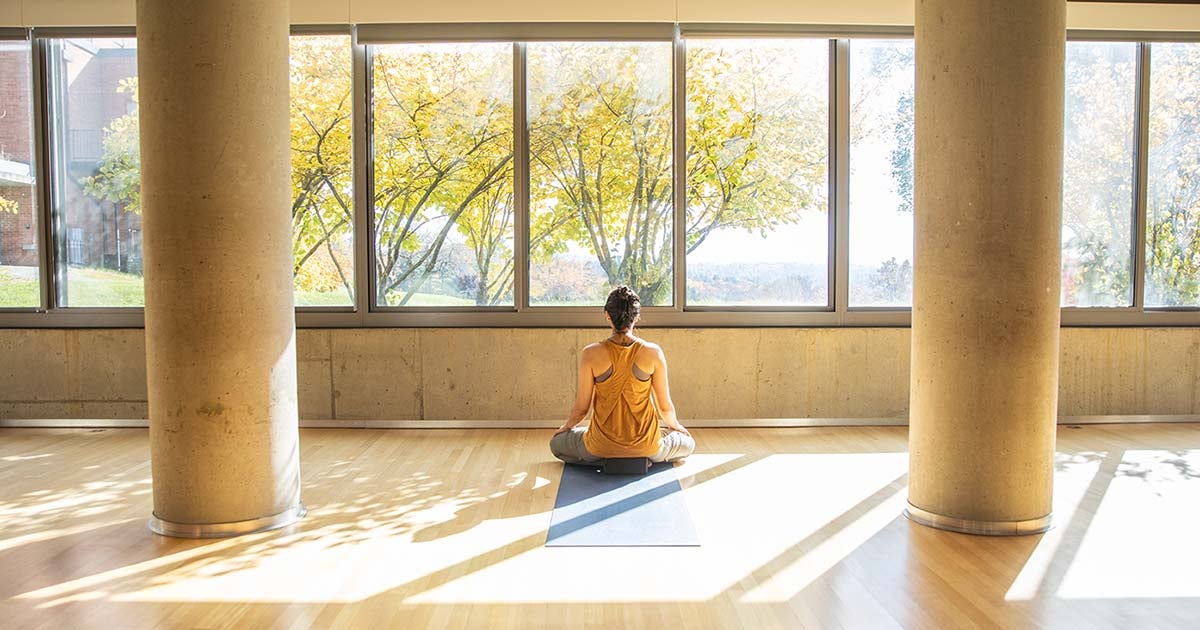
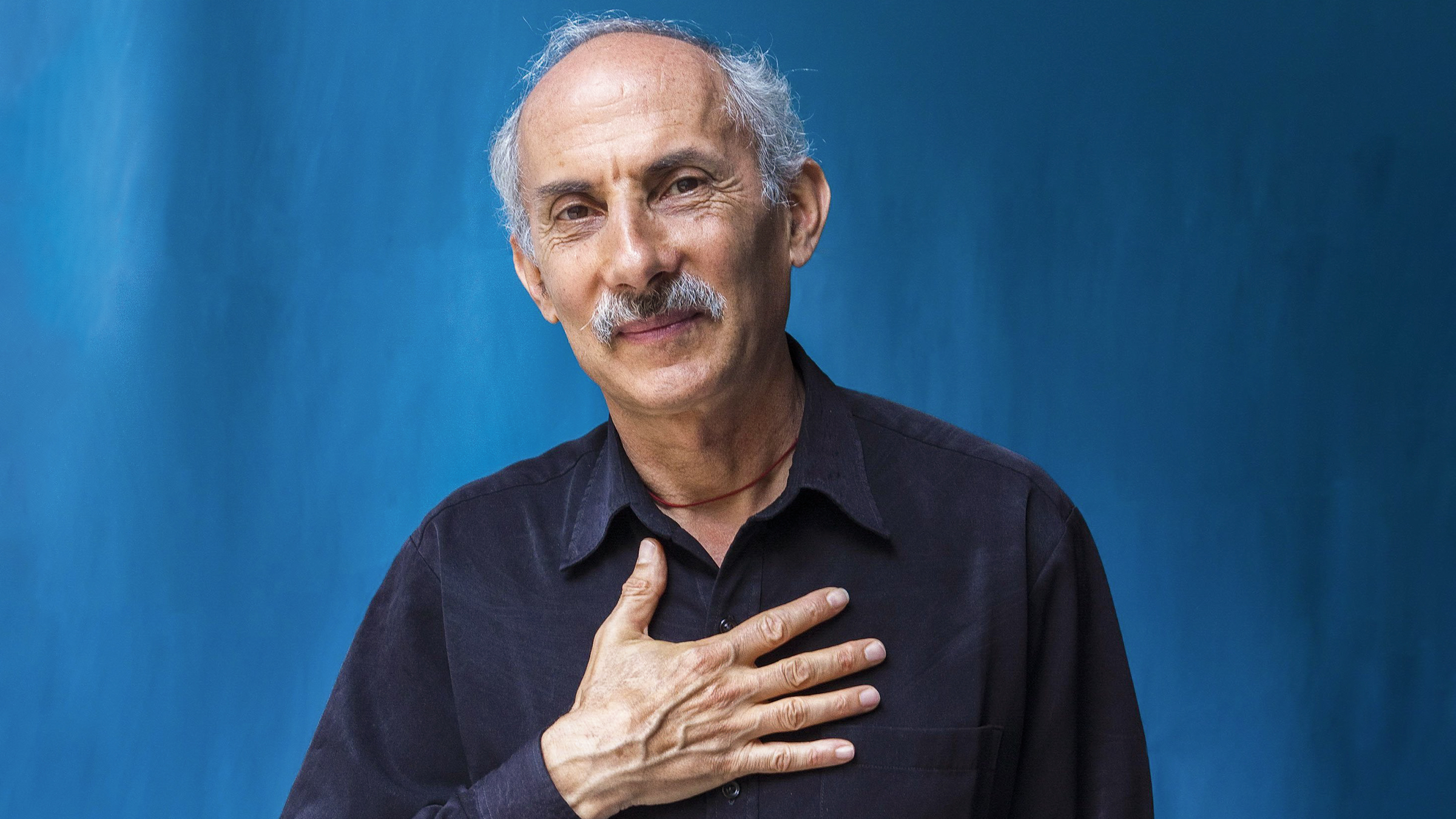
MSC is taught as a course of about eight weeks, in a group format. Each session combines short talks, guided meditations, group discussion, and home practice. Practices fall into two kinds. Formal practices are sit-down meditations, such as loving-kindness meditation directed at oneself and others, or “affectionate breathing.” Informal practices are used in daily life. A common one is the self-compassion break, which has three steps: acknowledge that this is a moment of suffering, recall that suffering is part of life, and offer oneself a kind phrase or gesture. Soothing touch, such as a hand placed on the chest, is another. In sessions, participants often work with a critical inner voice, with difficult emotions, and with shame. The experience is usually described as the gradual loosening of habitual self-criticism rather than as a peak state.
Mindful Self-Compassion today
The Center for Mindful Self-Compassion lists courses, workshops, intensives, and silent retreats, including live online formats. Its materials report that large numbers of people worldwide have taken the program from trained teachers. Universities and hospital-based mindfulness centers, such as UC San Diego’s Center for Mindfulness, offer MSC courses and intensive retreats. A shorter course, the Short Course in MSC, has also been developed by Neff and Germer. Guided recordings, the workbook, and free practices on Neff’s site, self-compassion.org, allow people to practice outside a class. Training for teachers is separate from taking the course as a participant.
Common misconceptions
- It is not self-indulgence or self-pity. Neff’s model treats common humanity as a counterweight to isolation and self-absorption.
- It is not lowered standards. Proponents argue that self-compassion supports motivation by reducing fear of failure, though this is an empirical claim and continues to be studied.
- It is not therapy. MSC is an educational program. Teachers state that it is not a replacement for clinical treatment, and it can bring up painful material.
- It is not simply mindfulness. Mindfulness is one of its three components, but the emphasis is on the warmth and kindness directed at oneself.
- It is not uncontested. Researchers have debated the structure of the Self-Compassion Scale. Some studies have found a six-factor structure, and others a two-factor or general-factor structure. It is also debated whether the secular framing departs from Buddhist sources.
How to begin
The usual entry points are the following:
- Read Neff’s Self-Compassion (2011) or Germer’s The Mindful Path to Self-Compassion (2009).
- Work through The Mindful Self-Compassion Workbook (Neff & Germer, 2018), which follows the structure of the course.
- Take a full course from a teacher listed by the Center for Mindful Self-Compassion. Some people choose the live online format.
- Try a free guided practice on self-compassion.org.
People with a history of trauma or acute distress should consider a trained teacher and, where appropriate, consult a mental health professional.