

What is a Yoga Instructor?
A yoga instructor is a trained professional who teaches the practices of yoga to individuals or groups. The role encompasses guiding students through physical postures (asanas), breathing techniques (pranayama), meditation, and in some cases, philosophical teachings drawn from yogic traditions. Yoga instructors work in studios, gyms, wellness centers, private homes, corporate settings, and online platforms. Unlike the traditional guru-disciple model where teachers transmitted yogic knowledge through years of study and devotion, modern yoga instructors typically complete standardized training programs ranging from 200 to 500 hours, though the depth of knowledge and teaching quality varies considerably.
The scope of practice differs significantly among instructors. Some focus primarily on physical fitness and stress reduction, teaching styles like Vinyasa or Power Yoga with minimal reference to yogic philosophy. Others integrate pranayama, meditation, chanting, and teachings from texts like the Yoga Sutras of Patanjali or the Bhagavad Gita. A smaller subset of instructors have studied extensively in India or with traditional lineage holders and position themselves as carriers of authentic yogic transmission.
Origins & Lineage
The role of the yoga instructor as it exists today emerged in the mid-20th century, distinct from the traditional Indian guru model. T. Krishnamacharya (1888-1989), often called the father of modern yoga, trained students including B.K.S. Iyengar, K. Pattabhi Jois, Indra Devi, and his son T.K.V. Desikachar, who would go on to establish major international yoga schools. These teachers adapted traditional practices for broader audiences, systematizing sequences and developing training methodologies that could be replicated.
The formalization of yoga instructor training began in earnest in the 1960s and 1970s as yoga gained popularity in the West. The Yoga Alliance, founded in 1999, established the now-ubiquitous Registered Yoga Teacher (RYT) designation with standardized 200-hour and 500-hour training requirements. This credentialing system has no legal enforcement and remains controversial within the yoga community, with critics arguing it commercializes and homogenizes diverse traditions.
Historically, yoga transmission occurred through discipleship (guru-shishya parampara), where students lived with teachers for years, receiving personalized instruction. The Hatha Yoga Pradipika (15th century) and other medieval texts were intended for serious practitioners under guidance, not the general public. The shift to group classes and teacher certification represents a fundamental departure from this model.
How It’s Practiced
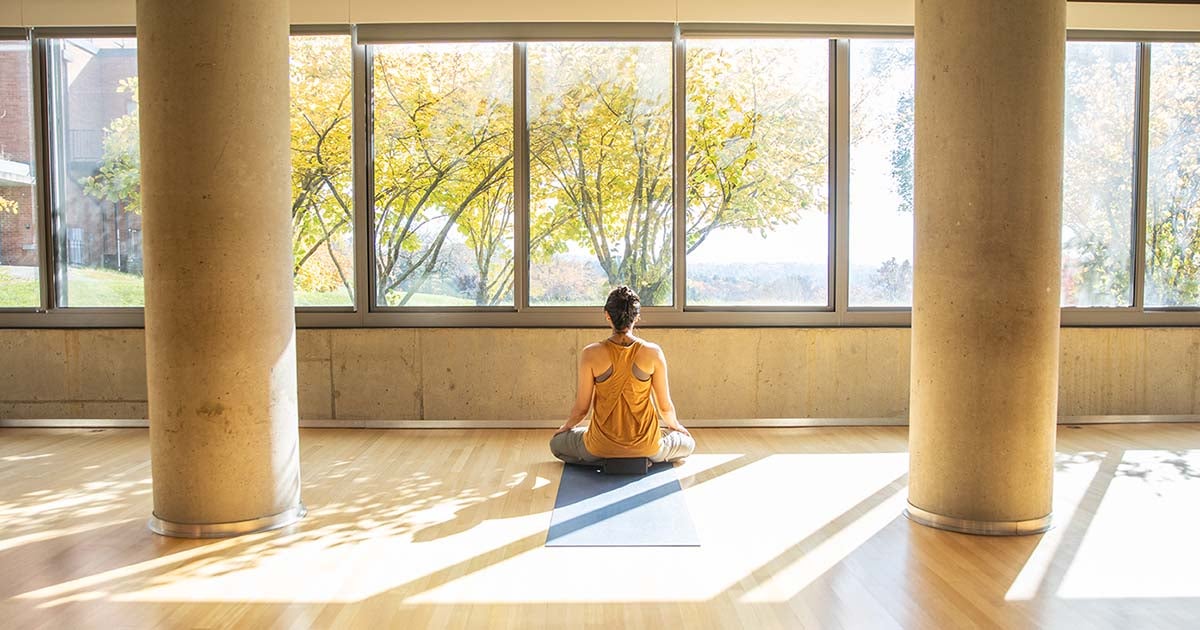
Yoga instructors typically lead classes ranging from 45 to 90 minutes, though workshops and trainings may extend for full days or weeks. In a typical class, the instructor verbally guides students through a sequence of postures, demonstrating poses and offering physical adjustments (with consent in modern contexts). They cue breath patterns, suggest modifications for different ability levels, and may incorporate music, chanting, or readings.
Instructors develop their own teaching style within established methodologies: Iyengar (alignment-focused with props), Ashtanga (set sequences in a vigorous flow), Vinyasa (creative sequencing linked to breath), Yin (long-held passive stretches), Kundalini (dynamic movement with breathwork and mantra), and others. Some instructors specialize in therapeutic applications, prenatal yoga, or trauma-informed approaches.
The work includes class preparation, continuing education, relationship-building with students, and often administrative tasks like scheduling and marketing. Many instructors work part-time or combine teaching with other income sources, as the field generally offers modest compensation despite requiring significant training investment.
Yoga Instructor Today
Seekers encounter yoga instructors through drop-in studio classes, gym memberships, private sessions, workplace wellness programs, retreat centers, online platforms (YouTube, dedicated apps, Zoom classes), and teacher training programs. The COVID-19 pandemic accelerated the shift to digital instruction, with many teachers now offering hybrid in-person and online options.
The field has expanded to include niche specializations: yoga for athletes, seniors, children, those with chronic conditions, or specific populations. Some instructors incorporate modern fitness science, physical therapy principles, or psychological frameworks; others emphasize traditional lineage and Sanskrit terminology.
Certification inflation has become common, with many instructors accumulating multiple 200-hour trainings in different styles. Meanwhile, questions about cultural appropriation, the whitening of yoga spaces, and accessibility (both physical and economic) have prompted ongoing conversations within the community.
Common Misconceptions
A yoga instructor is not necessarily a spiritual authority, though students sometimes project this role onto them. The title requires no specific depth of meditation practice, philosophical study, or personal transformation—only completion of training hours. Many instructors teach primarily as fitness professionals, which is legitimate but differs from traditional yogic aims of liberation (moksha) or self-realization.
Yoga instructor certification does not equal medical training. While therapeutic applications exist, instructors should not diagnose conditions or replace healthcare providers, though boundaries are sometimes blurred in wellness culture.
Not all yoga instructors have studied in India or with Indian teachers, despite yoga’s origins. The majority of Western instructors learned from other Western teachers in formats far removed from traditional paramparas. This doesn’t invalidate their teaching but represents a culturally adapted form.
The 200-hour certification, while industry-standard, represents approximately five weeks of training—a modest foundation rather than mastery. Experienced instructors typically continue studying for years or decades beyond initial certification.
How to Begin
For those considering working with a yoga instructor, attend a beginner-friendly class labeled “gentle,” “basics,” or “fundamentals” at a local studio or online platform. Many studios offer introductory packages. Observe whether the instructor provides clear cues, offers modifications, and creates a respectful environment. If you have injuries or health conditions, communicate these before class.
For aspiring instructors, establish a consistent personal practice for at least one to two years before pursuing training. Research schools carefully: examine the lineage and experience of lead teachers, read reviews from graduates, and clarify whether the program emphasizes physical practice, philosophy, anatomy, teaching methodology, or a balance. Observe that completion of 200-hour training qualifies you to teach legally but represents the beginning of pedagogical development, not the end. Books like “Light on Yoga” by B.K.S. Iyengar or “The Heart of Yoga” by T.K.V. Desikachar offer insight into established teaching lineages.