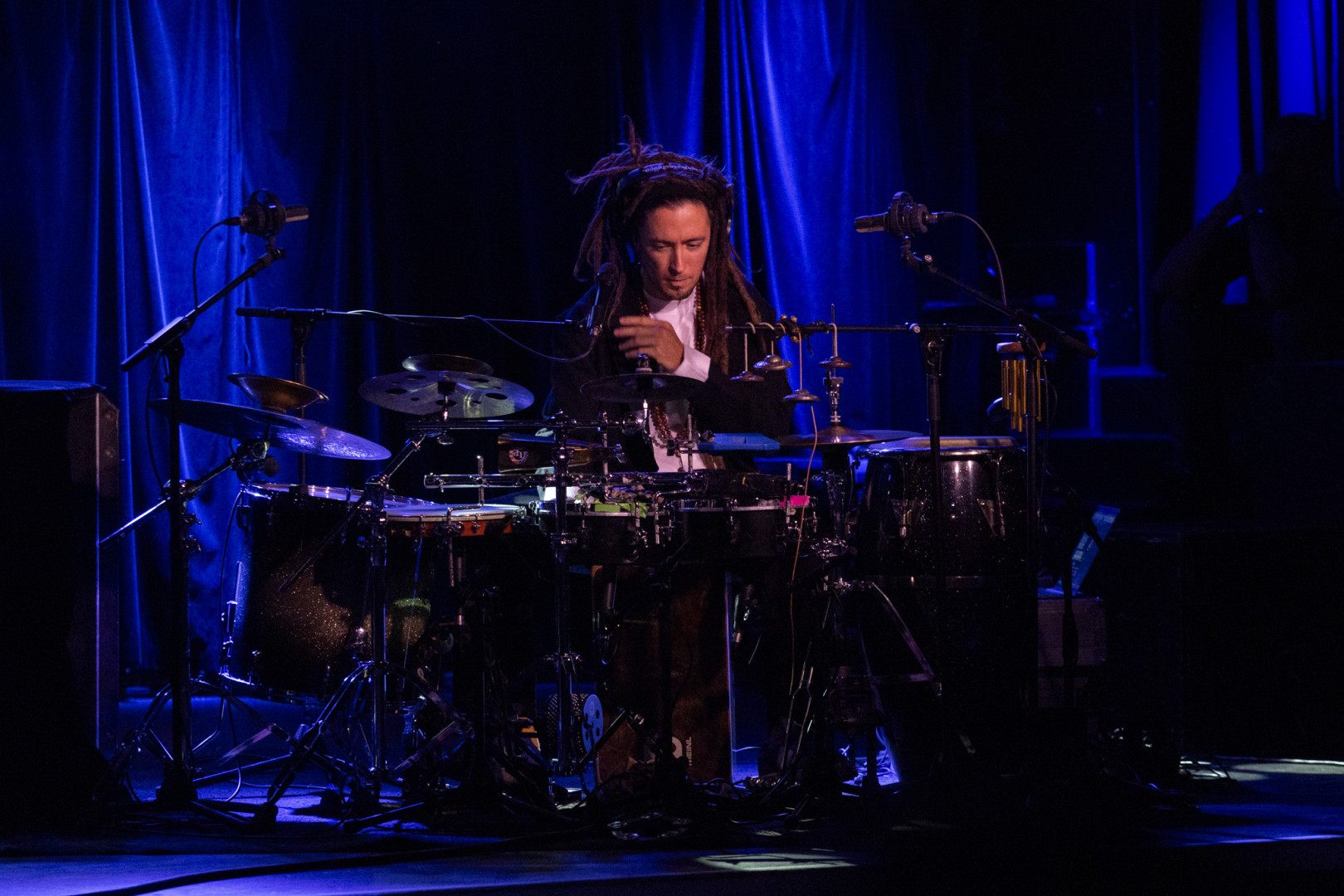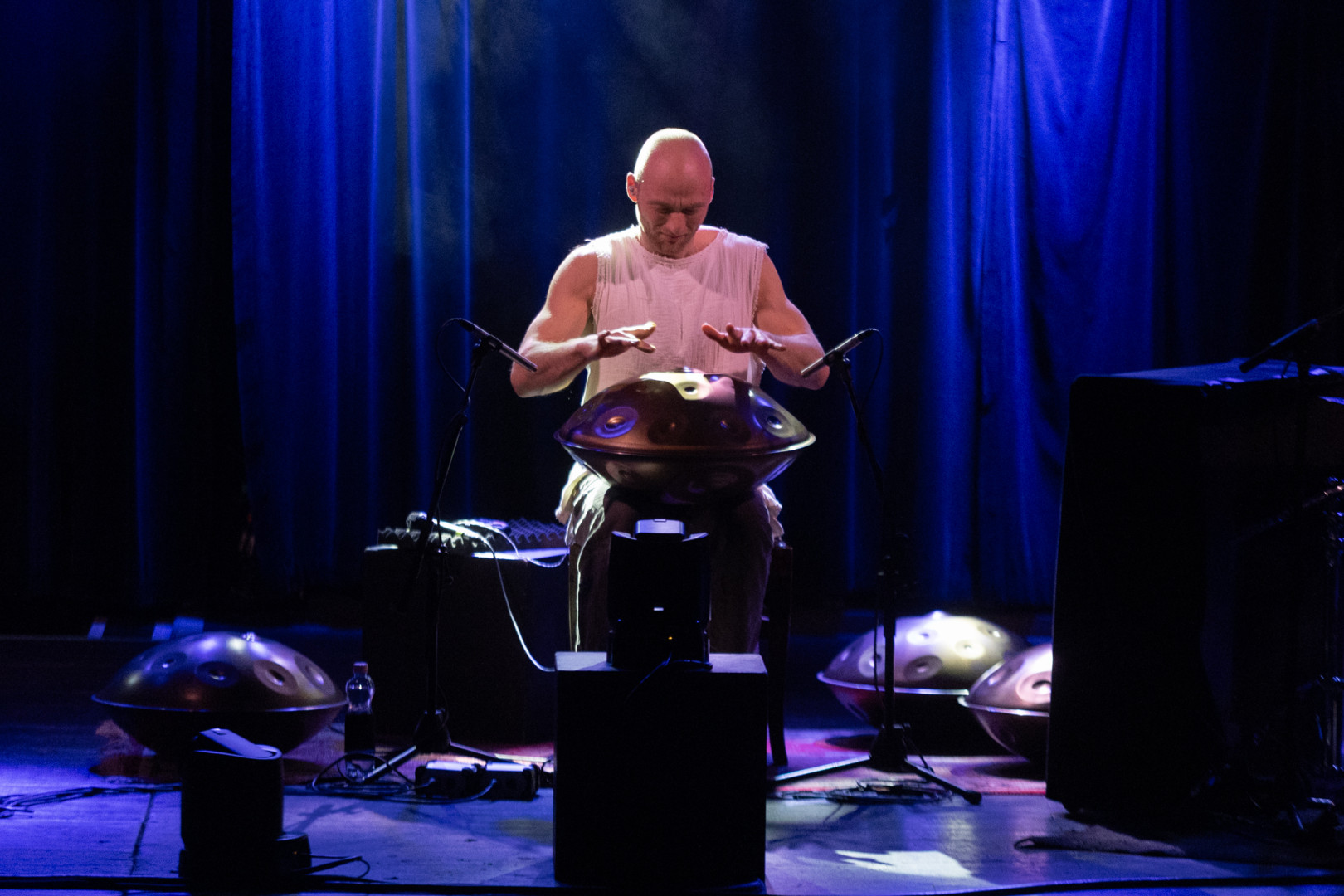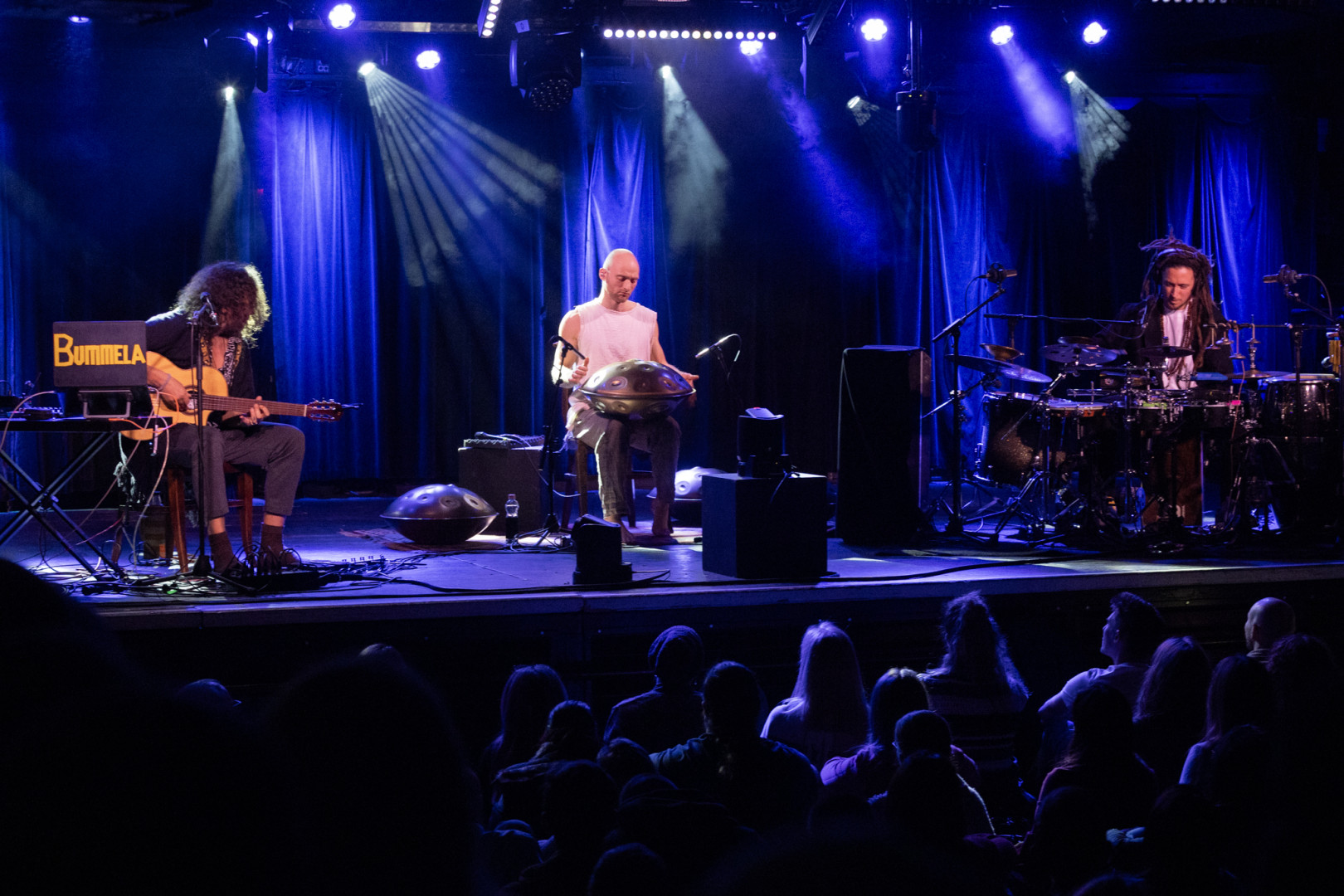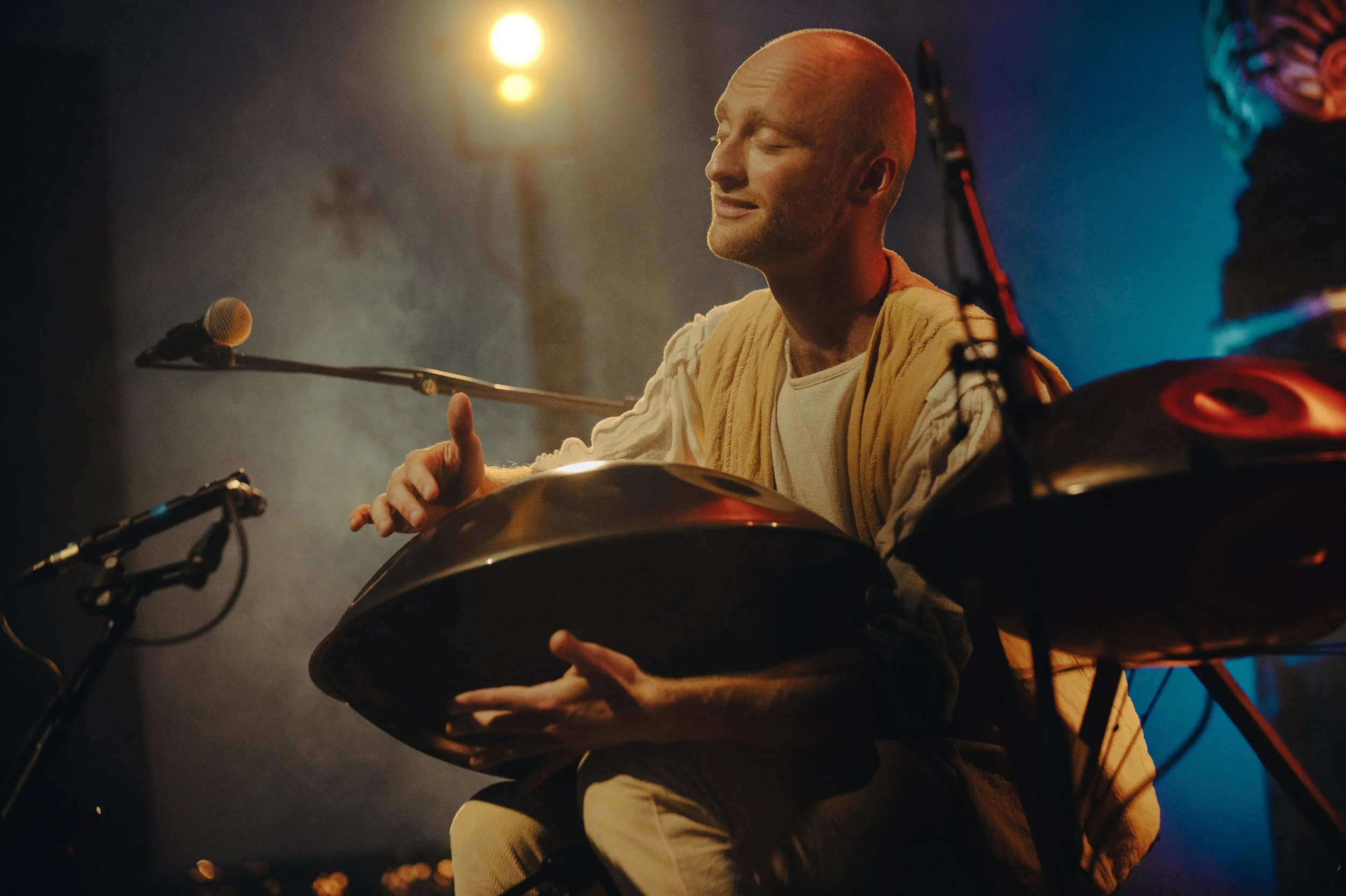

Malte Marten's story begins with a single video. In 2014 he came across the duo Hang Massive, sold the beatmaking and DJ equipment he owned, and bought his first handpan. He played on the streets of Berlin, toured with his former duo Yatao from 2015 to 2020, and in 2021 began a solo project. Roots of Hope, released June 27, 2025, comes well into that solo chapter. It is a twelve-track album and arrives three weeks after the eight-track Path to Inner Peace, released June 6, 2025.
The two records are best heard as companions. Path to Inner Peace is the more compact entry point; Roots of Hope is the natural next step once that sound feels familiar. Its twelve tracks give him more room to settle into a mood and stay there. It also belongs to a prolific year, since his catalogue includes fourteen singles released in 2025 alone.
The music is handpan-centred. The instrument's round, resonant tones carry the album, and the available materials list no other instruments or vocalists, so expect a single voice rather than a band or ensemble. That restraint is the point. His recordings are built around stillness rather than display.
Pacing is slow and deliberate. Long tones ring out, shifts happen gradually, and there are no verse-chorus structures or melodic hooks demanding attention. His background as a beatmaker and DJ may explain a quality that often shows up in his work: a rhythmic patience that feels built rather than improvised. Patterns return, settle, and evolve without hurry.
The mood is contemplative. His YouTube channel describes the music as music to relax and release, and that phrase is a fair guide to the emotional register: unhurried, warm, inward. The album title suggests grounding and renewal, though the music makes that case through sound, not words.
I can't responsibly name individual tracks from Roots of Hope, because the materials available for this guide give the album's length and release date but not its track list. Inventing titles would do you a disservice. Instead, here is how to find the album's high points yourself.
Open the album on Spotify and let the first few tracks establish the album's tonal home. Pay attention to where the pulse is most defined, as those moments reflect his rhythmic training. Then notice where the playing thins out and the notes are given the most space; those are the places the album's stillness is most concentrated. With twelve tracks, it is reasonable to expect a mix of both qualities, and your own favourites will probably emerge by the second listen.
If you want a short taste of his mood before committing, his frequency-tagged singles, such as Healing Frequency (999 Hz) and Higher Calling (1111 Hz), work as single-track listens.
The materials do not name a formal tradition for Malte Marten, and it would be wrong to assign one. No bhakti or kirtan lineage is stated, and no teacher or guru is cited. The most accurate frame is the modern handpan lineage, which begins with the Hang, the instrument whose video set his path in motion in 2014.
Within that lineage he works as a player-teacher. The Yatao duo co-founded the YataoShop as a place for people to take their first steps with the instrument, and workshops and retreats grew from there. His Malte Marten Method is described as a way of accessing deep feelings and expressing them musically rather than only playing notes. He says he teaches from experience, not from rules, which makes his place in the tradition personal and practice-based rather than doctrinal. Roots of Hope is best understood as that philosophy in recorded form: feeling first, technique in service of it.
One stylistic note: his catalogue leans on frequency-based titles. They are a stylistic choice, and listeners expecting them to function as scientific claims may find the framing overstated.
This album is for the listener who wants to slow down. It suits someone in a period of transition, stress or searching, since he says what moves him most is hearing that his music has helped people through personal challenges and brought clarity. It also suits newcomers to the handpan who have already tried Path to Inner Peace and want a second, slightly longer record.
It is less suited to listeners who want high-BPM electronic music, driving grooves or dance-floor energy. The pacing is slow and open-ended. Those who prefer varied song structures may also find the sustained sameness of mood demanding.
Give Roots of Hope one uninterrupted pass, front to back. Twelve tracks of handpan is a manageable evening session, and the album rewards being heard as a single arc rather than shuffled.
Use headphones, since the instrument's overtones and the space around each note are the main event. Choose a quiet evening, dim the lights, and put the phone out of reach. Alone is best. If you want to use it for meditation or rest, treat that as your own informed pairing: the materials do not designate any tracks for yoga or ceremony, though the music's described purpose of relaxing and releasing points clearly in that direction.
Then listen again the next day, in daylight, and notice what changes.