The Intuitive Heart of Spirituality
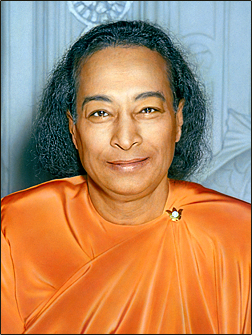
Paramahansa Yogananda's assertion that "the true basis of religion is not belief, but intuitive experience" invites us to reconsider the foundations upon which we build our spiritual lives. He emphasizes that intuition, a profound inner knowing, serves as the soul's pathway to understanding God. This perspective challenges the conventional view that faith is merely a matter of intellectual assent or dogmatic adherence, urging us instead to seek a deeper, more personal connection with the divine. In a world often dominated by external validation and empirical evidence, Yogananda's words remind us of the importance of inner wisdom.
In a time when religious institutions may seem distant or disconnected from personal experience, Yogananda's insight holds particular relevance. He encourages us to cultivate our intuitive faculties, suggesting that true spirituality arises not from external doctrines but from an inner awakening. This call to embrace intuition as a means of knowing God resonates deeply, especially for those who feel the constraints of traditional belief systems. By prioritizing intuitive experience, we open ourselves to a more vibrant and authentic relationship with the divine, one that transcends the limitations of language and dogma.
The image / the metaphor
The imagery in Yogananda's quote evokes a sense of depth and immediacy. The phrase "intuitive experience" suggests a direct, almost visceral connection to the divine, one that bypasses the often convoluted pathways of rational thought and belief. The verbs chosen—"knowing" and "experience"—imply an active engagement with the divine rather than passive acceptance of prescribed truths. This dynamic interplay between the soul and God paints a picture of spirituality as a living, breathing relationship, rather than a static set of beliefs.
Diving deeper into the metaphor, we can see intuition as a guiding light illuminating the path to spiritual understanding. It is not merely a fleeting thought or a whimsical feeling; rather, it is a profound inner knowing that arises from the depths of our being. This intuitive knowing acts as a compass, directing us toward experiences that resonate with our true nature. In this sense, Yogananda invites us to trust our inner voice, to listen to the whispers of the soul that guide us toward a more authentic and fulfilling spiritual life.
In the speaker's tradition
Yogananda's teachings are deeply rooted in the Hindu tradition, where concepts such as dharma, bhakti, and prajna play significant roles in understanding the nature of existence and the divine. Dharma, or the moral order of the universe, encourages individuals to align their lives with a higher purpose, while bhakti emphasizes devotion and love for God. In this context, intuition becomes a vital aspect of spiritual practice, allowing practitioners to discern their unique path and connect with the divine essence that permeates all existence. The notion of prajna, or wisdom, further complements this understanding, as it embodies the insight that arises from direct experience rather than mere intellectual reasoning.
In the Bhagavad Gita, a foundational text of Hindu philosophy, Krishna speaks of the importance of inner knowledge and self-realization. He encourages Arjuna to look beyond the surface of life and to seek the deeper truths that lie within. This aligns with Yogananda's emphasis on intuitive experience, suggesting that true understanding comes not from external teachings alone but from an inner awakening that reveals the divine presence within us. Such teachings underscore the timeless relevance of Yogananda's insights, inviting seekers to explore their own intuitive capacities as a means of connecting with the divine.
Living the teaching
Consider a modern scenario where this teaching can be applied: a person grappling with a significant life decision, such as a career change or a relationship choice. In such moments, individuals often find themselves inundated with advice from friends, family, and societal expectations. However, Yogananda's emphasis on intuitive experience suggests that the most profound guidance comes from within. By taking time for introspection, meditation, or quiet contemplation, one can tap into their inner wisdom, allowing intuition to illuminate the path forward. This approach fosters a sense of empowerment, as individuals learn to trust their inner voice over external pressures.
Another application of this teaching can be found in the realm of relationships. In times of conflict or misunderstanding, it is easy to become entangled in a web of beliefs about the other person or the situation. Yet, by embracing the intuitive experience that Yogananda advocates, individuals can cultivate empathy and understanding. By tuning into their own feelings and intuitions, they can approach the relationship with a sense of openness and compassion, allowing for deeper connections to flourish. This practice not only enhances personal relationships but also fosters a greater sense of connection to the divine presence that resides within each individual.
A reflection
As we contemplate Yogananda's profound assertion, we are invited to reflect on our own spiritual journeys. How often do we rely on external beliefs or doctrines rather than turning inward to seek our own intuitive understanding of the divine? In what ways can we cultivate a deeper connection with our inner selves, allowing intuition to guide us in our spiritual practices? By engaging with these questions, we can begin to uncover the rich tapestry of intuitive experience that lies at the heart of our relationship with God.