BrightStar

Sfoglia tutti i Events

Scopri incontri consapevoli

events

Yoga
Meditation
Breathwork
Qigong
Tai Chi
Sacred Music
World Music
Medicine Music
Sound Healing
Ecstatic Dance
Destinazioni popolari
BaliSedonaLos AngelesCosta RicaNew YorkSan FranciscoAustinMiamiJoshua TreeTulum
Vedi tutte le categorieVedi tutte le destinazioni

Esplora tutte le funzionalità

Strumenti potenti per far crescere i tuoi eventi

Funzionalità della piattaforma

Prezzi dinamici intelligenti
Categorie di biglietti
Posti assegnati
Recupero carrelli abbandonati
Recupero visitatori
Donazioni e prezzi variabili
Sistema affiliati
Scanner biglietti
Codici sconto
Domande personalizzate
Condivisione biglietti
Upsell e componenti aggiuntivi
Analisi e report
Sequenze email
Lista d'attesa / Notifica / Promemoria
Persone e Luoghi
Artists & TeachersEvent OrganizersVenues & StudiosKnowledge BaseGlossaryInspiration
Vedi tutte le funzionalitàChi siamo
PrezziBlog
Language
Saved events
Sfoglia tutti gli eventi

events

YogaMeditationBreathworkQigongTai ChiSacred MusicWorld MusicMedicine Music

Destinazioni popolari

BaliSedonaLos AngelesCosta RicaNew YorkSan Francisco

Persone e Luoghi

Artists & TeachersEvent OrganizersVenues & StudiosKnowledge BaseGlossaryInspiration

Funzionalità della piattaforma

Prezzi dinamici intelligentiCategorie di bigliettiPosti assegnatiRecupero carrelli abbandonatiRecupero visitatoriDonazioni e prezzi variabiliSistema affiliatiScanner bigliettiCodici scontoDomande personalizzateCondivisione bigliettiUpsell e componenti aggiuntiviAnalisi e reportSequenze emailLista d'attesa / Notifica / Promemoria
Vedi tutte le funzionalitàChi siamo
PrezziBlog
AccediRicercatoriCreatori
  • Sfoglia tutti i Eventi
  • Per i ricercatori
  • Yoga
  • Meditazione
  • Breathwork
  • Qigong
  • Tai chi
  • Musica sacra
  • World music
  • Musica medicina
  • Sound healing
  • Danza estatica
  • Ritiri
  • Workshop
  • Tutte le categorie →
  • Bali
  • Sedona
  • Los Angeles
  • Costa Rica
  • Tulum
  • Byron Bay
  • San Francisco
  • Austin
  • New York
  • San Diego
  • Denver
  • Seattle
  • Portland
  • Miami
  • Tutte le città →
  • Be Found
  • Sell Globally
  • Per i creatori
  • Per team
  • Per gli scrittori
  • Per gli insegnanti
  • Per gli artisti kirtan
  • Per gli studi
  • Per i festival
  • Per i centri ritiro
  • Per le no-profit
  • Ambasciatore del brand
  • Case study
  • Biglietteria gratuita
  • Elevate
  • Amplify
  • Rete di 500K+ acquirenti
  • Recupero carrelli abbandonati
  • Prezzi dinamici intelligenti
  • Categorie di biglietti
  • Eventi ricorrenti
  • Posti assegnati
  • Sistema affiliati
  • Lista d'attesa / Notifica
  • Scanner biglietti
  • Widget incorporabile
  • Distribuzione eventi
  • Centro messaggi
  • Integrazioni
  • Report
  • Tutte le funzionalità →
  • Chi siamo
  • L’ecosistema
  • Blog
  • Glossario
  • Ispirazione
  • Centro assistenza
  • Contatti
  • Documentazione API
  • Risorse del brand
  • Carriere
  • Stampa
  • Termini di servizio
  • Informativa sulla privacy

Eventi

  • Sfoglia tutti i Eventi
  • Per i ricercatori
  • Yoga
  • Meditazione
  • Breathwork
  • Qigong
  • Tai chi
  • Musica sacra
  • World music
  • Musica medicina
  • Sound healing
  • Danza estatica
  • Ritiri
  • Workshop
  • Tutte le categorie →

Destinazioni

  • Bali
  • Sedona
  • Los Angeles
  • Costa Rica
  • Tulum
  • Byron Bay
  • San Francisco
  • Austin
  • New York
  • San Diego
  • Denver
  • Seattle
  • Portland
  • Miami
  • Tutte le città →

Per i creatori

  • Be Found
  • Sell Globally
  • Per i creatori
  • Per team
  • Per gli scrittori
  • Per gli insegnanti
  • Per gli artisti kirtan
  • Per gli studi
  • Per i festival
  • Per i centri ritiro
  • Per le no-profit
  • Ambasciatore del brand
  • Case study
  • Biglietteria gratuita
  • Elevate
  • Amplify

Funzionalità

  • Rete di 500K+ acquirenti
  • Recupero carrelli abbandonati
  • Prezzi dinamici intelligenti
  • Categorie di biglietti
  • Eventi ricorrenti
  • Posti assegnati
  • Sistema affiliati
  • Lista d'attesa / Notifica
  • Scanner biglietti
  • Widget incorporabile
  • Distribuzione eventi
  • Centro messaggi
  • Integrazioni
  • Report
  • Tutte le funzionalità →

Azienda

  • Chi siamo
  • L’ecosistema
  • Blog
  • Glossario
  • Ispirazione
  • Centro assistenza
  • Contatti
  • Documentazione API
  • Risorse del brand
  • Carriere
  • Stampa
  • Termini di servizio
  • Informativa sulla privacy
BrightStar
© 2026 BrightStar. Tutti i diritti riservati.
Inspiration

Handpan Music for Nervous SystemHealing: Prevention Over Crisis

Malte Marten
Malte Marten
Oct 2, 2026
7 min di lettura

Most of us wait for the breaking point. The sleepless night becomes insomnia. The missed alarm becomes the missed deadline. The tight shoulders become the MRI. Only when the body or life itself says enough do we finally reach for the pause button—and by then, the cost is already paid.

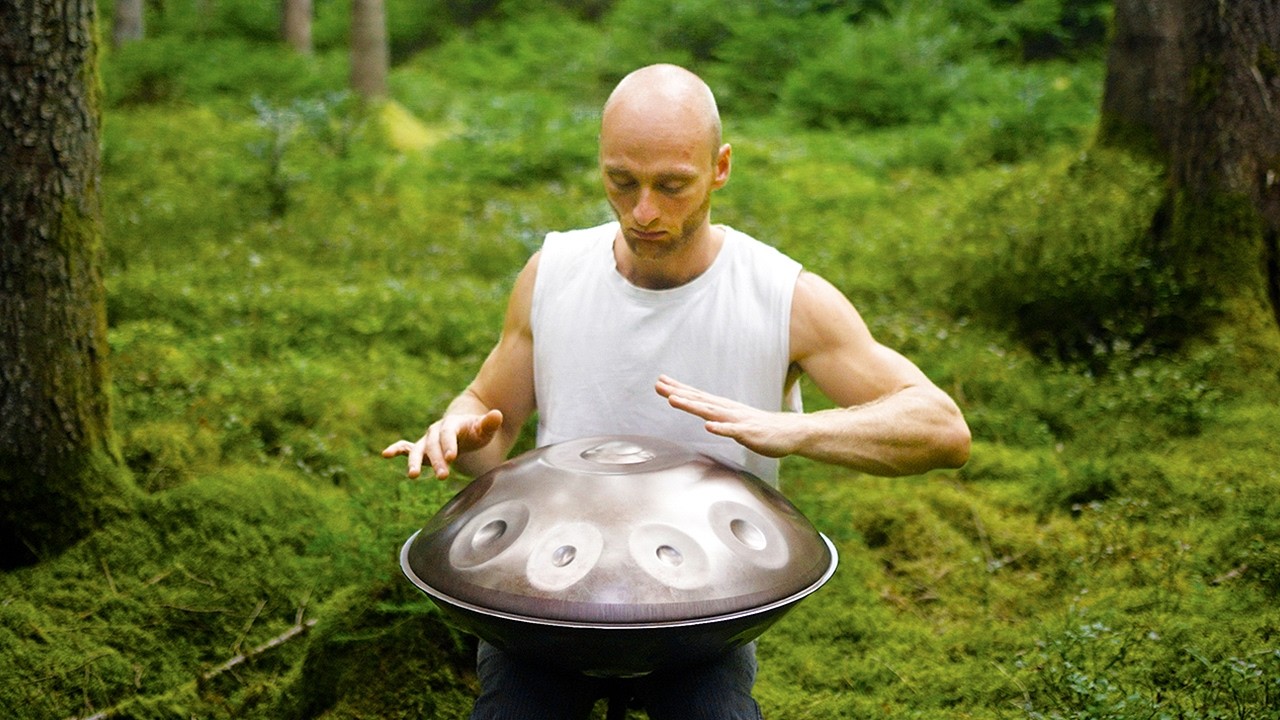
But Malte Marten's invitation is quieter, and more radical: don't wait. His handpan music for nervous system healing isn't designed as a rescue. It's a practice of prevention.

Lettura · 6 sezioni

What Does Prevention Actually Mean?

From the opening moments of his 2-hour composition titled Nervous System Healing, there's a single statement wrapped into the project itself: Rest before you're exhausted. Make time before you're running out of it. Take care of what matters before something forces you to. This isn't a new idea in contemplative traditions, but it's countercultural in ours. We are creatures of crisis, trained to squeeze every drop before refilling. The subtle signals—the stiffness in the chest, the second thought before responding, the weight of the days—usually arrive long before the breakdown. Marten's work asks a different question: what if we listened earlier?

"You don't need a crisis to make space for relaxation and ease," the project description states plainly. This reframes wellness entirely. In conventional thinking, relaxation is what you do after stress—the vacation after burnout, the therapy session after the anxiety attack. Marten proposes the inverse: relaxation as preventive measure, a practice woven into the ordinary rhythm of life before emergency calls. This is not passivity. It's a precise act of attention.

The Handpan: An Instrument Built for Accessibility

For this 2-hour session, Marten plays a D Kurd 19 handpan made by Ayasa Instruments. If you haven't encountered a handpan, it's worth understanding the instrument itself—it carries the philosophy in its construction. A hollow steel drum played with the hands, the handpan emerged in the early 2000s with a radical aim: make melodic percussion accessible to anyone. Unlike the piano, which requires years of technique, or the violin, which demands physical preparation, the handpan simply responds to touch. You can make a beautiful sound in the first five minutes. Yet for skilled players, it offers endless complexity—the interplay of overtones, the possibility of one hand playing melody while the other sustains a bass note, the micro-variations in timbre that come from striking different zones of the surface.

The "D Kurd" designation tells you about tuning: D is the root note, and "Kurd" is a scale mode that emphasizes minor intervals. The 3rd is flattened, the 7th is lowered. This tuning is introspective by design. Where a major key invites brightness and forward motion, Kurd tuning invites depth, reflection, and inwardness. It's the musical equivalent of turning inward rather than outward. The "19" indicates the number of playable notes on the shell—this is a full voice, capable of complete harmonic statements.

How Sound Actually Works on the Nervous System

To understand why handpan music serves the nervous system, you need a basic map. The autonomic nervous system—the part that operates without conscious direction—divides into two branches: the sympathetic nervous system, which activates the body for action, and the parasympathetic nervous system, which manages rest and recovery. In an ancient world of genuine threats, this balance made sense. You'd activate in response to danger, then calm down when safe.

But modern life is different. We receive threats constantly—not from predators but from deadlines, notifications, news, financial anxiety, relational uncertainty. The sympathetic system stays partially activated almost all the time. Our bodies never fully downshift into parasympathetic mode. The cost accumulates: elevated cortisol, compromised immune function, poor sleep, digestive issues, and eventually the kind of systemic exhaustion that creates genuine illness.

The nervous system is also directly responsive to sound. Certain acoustic frequencies and patterns can signal safety to the brain, allowing the parasympathetic system to engage. This isn't mysticism—it's auditory neuroscience. The vagus nerve, a major component of the parasympathetic system, is highly sensitive to sound. Slow, sustained tones without jarring dynamics literally tell your body it can relax. When Marten plays a handpan with intention toward nervous system healing, several elements align at once: the unhurried tempo that mirrors healthy breathing, the harmonic consistency of the D Kurd tuning that invites introspection rather than arousal, the layered density of sound that holds attention without disturbing calm. The 777 Hz frequency mentioned in the title sits in the upper-mid acoustic range where human ears perceive warmth and resonance. The cumulative effect is this: your nervous system, which has been half-activated for weeks or months, receives a sustained signal of safety. The vagus nerve, bathed in these gentle acoustic frequencies, begins to ease into parasympathetic mode. Your breath deepens. Your muscles relax. Your attention, instead of scanning for threat, can simply rest in the present moment.

Prevention as a Daily Practice, Not Emergency Medicine

Here's what makes Marten's approach distinctive: he's not positioning this music as a crisis intervention. He's not saying "use this when you're at your breaking point." Instead, he's proposing it as a regular practice—acoustic nutrition for the ordinary rhythm of living.

"My music is made for exactly this," he states. "To give you a moment to slow down, breathe, align and come back to yourself."

The word "align" is worth pausing on. To align means to return to center, to come back into the vertical line of your own being. It suggests that in the normal pace of modern life, we drift—slightly off-center, slightly fragmented, our attention scattered across obligations and screens. The handpan music creates a container for realignment. But here's the radical part: you don't experience this only in crisis. The invitation is to make space for it before you need it desperately. To listen to this music not as therapeutic intervention but as daily practice, the way one might stretch before the muscle tears, or save before the account empties.

Why This Message Lands Now

This work arrives in a specific cultural moment. Burnout is no longer a personal failing but an acknowledged epidemic. The World Health Organization recognizes it as an occupational phenomenon. We are collectively exhausted, and the standard responses—the vacation after the fact, the therapy session after the breakdown—often arrive too late. Marten's work suggests a different entry point: prevention through regular, intentional ease. Not once a year, not in crisis, but as an ordinary practice woven into the week.

The handpan itself has become symbolic of this shift in consciousness. Emerging in the early 2000s and spreading rapidly through yoga communities, meditation apps, and wellness spaces, the instrument represents accessibility to contemplative sound that didn't exist before. It's a technology of calm that asks almost nothing of you technically and offers almost everything to your nervous system.

Where to Go From Here

If this resonates, the practice is simple: find two hours. Sit, lie down, or move slowly. Let the D Kurd handpan's voice become the foreground of your attention. You can listen in silence or while doing gentle activity—stretching, walking, simply existing. The point is not achievement or insight; it's the opposite. It's permission to come back to ease before the crisis demands it.

Marten also offers handpan learning videos and a method called the Malte Marten Method, for those interested in understanding the instrument or playing it themselves. There's something clarifying about making handpan sounds—even simple ones—that deepens your understanding of how the instrument communicates with the nervous system. But even if you never touch the handpan, the invitation stands: listen to this music not as emergency medicine, but as daily nutrition.

The subtle signs are always calling. They don't need to become loud. Rest, in Marten's philosophy, is not a luxury you earn through exhaustion. It's a right you claim before the choice is taken from you.

Comments

Loading the conversation…

Malte Marten
ArtistMalte Marten

German musician and spiritual teacher who blends ambient, folk, and world music with Eastern philosophies to create healing soundscapes that invite introspection and connection.

Vedi il profiloSito web
Esplora i temi
Handpan-musicNervous-system-healingSound-healingPreventive-wellnessEase-and-alignment

Hai domande?

Domande frequenti

A handpan is a hollow steel drum played with the hands, producing clear resonant tones without requiring technical training. Each strike on different zones of the instrument's surface creates specific pitches, and skilled players layer these to build melodies and harmonics that work therapeutically on the nervous system.
Yes, certain types of sound can physiologically signal safety to your brain and activate the parasympathetic nervous system—the part responsible for rest and recovery. The vagus nerve responds directly to slow, sustained acoustic frequencies without jarring dynamics, which is why handpan music has measurable calming effects beyond psychology alone.
D Kurd is a minor-inflected scale where the 3rd and 7th notes are lowered, creating an introspective rather than bright quality. This tuning invites you to turn inward, which aligns with what the nervous system needs to shift into rest mode—the opposite of major keys that drive energy and forward momentum.
Malte Marten suggests not waiting for crisis—listen to subtle signs like shoulder tension, racing thoughts, or that accumulated weight-of-the-days feeling. Rest before you're exhausted, make time before you're running out of it. These invitations arrive long before the breakdown.
The 777 Hz frequency sits in the upper-mid acoustic range where human ears perceive warmth and resonance. In sound healing traditions, it's associated with higher consciousness or pineal gland activation, though scientific evidence is limited. The real benefit is that handpan music's sustained tones signal safety to your nervous system.
No—the two-hour duration is essential for genuine nervous system reset. Unlike a brief meditation, two hours allows your body enough time to actually settle, let go of accumulated tension, and experience authentic ease before returning to daily life.
Yes. The handpan is intentionally designed for accessibility—you can make beautiful, resonant sounds without any musical training. Malte Marten offers handpan learning videos through the Malte Marten Method for those interested in playing beyond listening.

Continua a leggere

More from Malte

Vedi Tutto
Handpan Music at 1111 Hz: Finding Stillness in Sound
Inspire

Handpan Music at 1111 Hz: Finding Stillness in Sound

Explore how handpan music at 1111 Hz frequency creates a sonic foundation for inner calm and grounded presence during meditation and deep li…

1 min read
Handpan Music for Nervous System Reset and Rest
Inspire

Handpan Music for Nervous System Reset and Rest

An hour of meditative handpan music designed to calm an overactive nervous system and restore the body's sense of safety through sound.…

1 min read
Govinda Jaya: How Sacred Sound Awakens the Heart
Inspire

Govinda Jaya: How Sacred Sound Awakens the Heart

Radhika Das channels the liberating power of mantra through a luminous kirtan performance at Medicine Festival, invoking divine names to pur…

1 min read
Om Namah Shivaya Chant: Ecstatic Trance Meditation
Inspire

Om Namah Shivaya Chant: Ecstatic Trance Meditation

Jai Uttal guides listeners into an ecstatic chant trance with Om Namah Shivaya, the Sanskrit invocation of Shiva consciousness. A 91-second …

1 min read

Continua a esplorare

Continua il tuo viaggio

Altra saggezza e altri incontri da tutta la directory BrightStar.

Altri articoli

Sfoglia l’intera raccolta di insegnamenti, interviste e guide.

Torna a tutti gli articoli →

Insegnanti e artisti

Esplora i lignaggi, i musicisti e le guide del mondo consapevole.

Esplora gli artisti →

Trova un evento

Kirtan, ritiri, sound bath, breathwork, festival: in arrivo presto.

Sfoglia gli eventi →