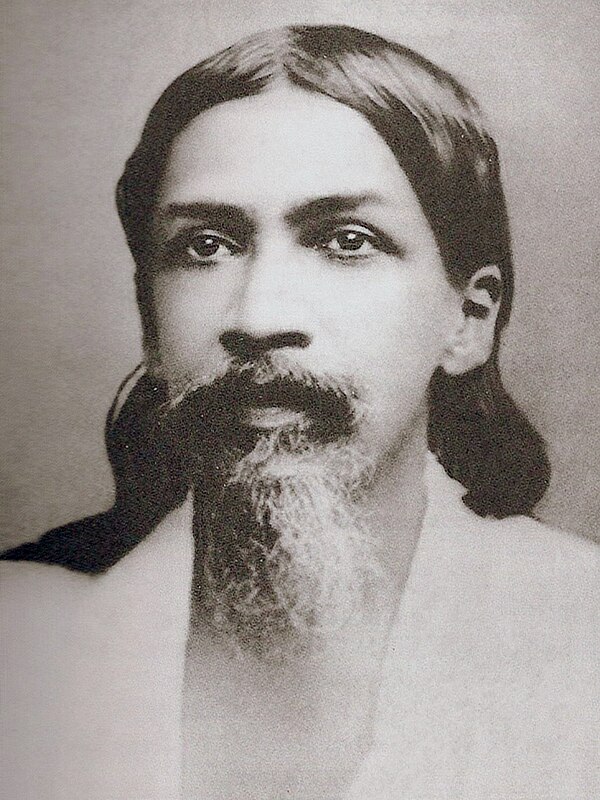
The Descent of Light: Embracing Silence for Inner Illumination
In the profound words of Sri Aurobindo, "When the heart is silent and the surface mind is silent, there can be the descent of light." This statement invites us to explore the transformative power of silence, suggesting that true illumination arises not from external noise or distraction, but from an inner stillness that allows deeper truths to emerge. The stakes are high; in a world filled with incessant chatter and superficial distractions, the quest for genuine insight and spiritual awakening becomes increasingly challenging.
Silence, as Aurobindo articulates, is not merely the absence of sound; it is a fertile ground for spiritual growth. The heart and mind, when quieted, create a space where divine light can enter, illuminating our understanding and guiding our actions. This descent of light represents a profound connection to higher consciousness, a state of being that transcends the mundane and invites us into a deeper relationship with ourselves and the universe. In this exploration, we uncover the significance of silence as a pathway to enlightenment.
The image / the metaphor
At the heart of Aurobindo's quote lies a rich tapestry of imagery. The "heart" symbolizes our emotional core, the seat of love and intuition, while the "surface mind" represents the busy, often chaotic thoughts that distract us from deeper awareness. The verbs "silent" and "descent" evoke a sense of surrender and receptivity; they suggest that in quieting our inner turmoil, we open ourselves to receive something greater than ourselves. The imagery conjures a serene landscape where the noise of the world fades away, allowing the light of insight to penetrate our being.
Diving deeper into the metaphor, we see that silence is not simply a passive state; it is an active engagement with the self. In this stillness, we cultivate a fertile ground for spiritual awakening, akin to a seed lying dormant until the right conditions allow it to sprout. The "descent of light" can be understood as a divine grace, a moment when clarity and understanding flood our consciousness, illuminating the path ahead. This metaphor invites us to consider how often we resist silence, fearing what we might encounter within ourselves, yet it is precisely in that silence that we may find the answers we seek.
In the speaker's tradition
Sri Aurobindo's insights are deeply rooted in the rich tradition of Hindu philosophy, where concepts such as dharma, bhakti, and prajna play crucial roles. The idea of silence as a precursor to enlightenment resonates with the notion of kenosis, or self-emptying, found in various spiritual traditions. By quieting the heart and mind, we engage in a form of surrender that aligns us with our true purpose, or dharma, allowing the divine light to guide our actions and decisions. This alignment fosters a deeper connection to the universe and our place within it.
In the context of Aurobindo's teachings, we can draw parallels to the concept of sunyata, or emptiness, in Buddhist philosophy. Just as sunyata encourages the letting go of attachments to experience true freedom, Aurobindo's call for silence invites us to release our mental chatter and emotional noise. In his work "Letters on Yoga," Aurobindo emphasizes the importance of inner stillness as a prerequisite for spiritual growth, echoing the sentiments found in other sacred texts that advocate for quietude as a means of connecting with the divine.
Living the teaching
Consider a modern scenario where the teachings of Aurobindo can be applied: the overwhelming nature of daily life, filled with constant notifications, social media updates, and the relentless pace of work. In such an environment, finding moments of silence can feel nearly impossible. Yet, when we intentionally carve out time for stillness—whether through meditation, nature walks, or simply sitting in quiet contemplation—we create the conditions for the descent of light. This practice allows us to step back from the noise and reconnect with our inner selves, fostering clarity and insight.
In the realm of relationships, the teaching of silence takes on another dimension. During conflicts or misunderstandings, the tendency is often to react impulsively, driven by our surface thoughts and emotions. However, if we embrace the practice of silence—taking a moment to breathe and reflect before responding—we can create space for understanding and compassion. This descent of light can illuminate the underlying issues at play, allowing for deeper connections and resolutions that honor both parties' truths.
A reflection
As we contemplate Aurobindo's profound statement, we are invited to reflect on our own relationship with silence. How often do we allow ourselves the gift of stillness, and what insights might emerge if we did? In a world that often equates busyness with productivity, the challenge lies in recognizing that true illumination comes not from external achievements but from the quiet depths of our own hearts and minds. What might you discover in the silence that awaits you?