Embracing Wildness: The Heart of Preservation
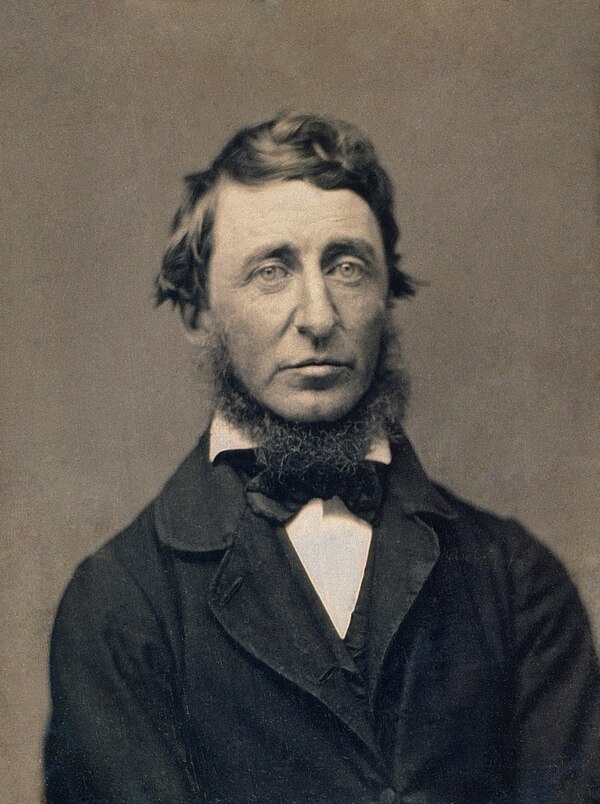
Henry David Thoreau's assertion that "In wildness is the preservation of the world" invites us to reconsider our relationship with nature and the untamed aspects of life. At its core, this quote suggests that the essence of our existence and the health of our planet are intricately linked to the wild, unrefined elements of the world around us. In an age where urbanization and technology often overshadow the natural world, Thoreau's words serve as a poignant reminder of the necessity of wildness for both ecological balance and personal fulfillment.
Thoreau's perspective challenges the prevailing notion that civilization and progress are synonymous with improvement. Instead, he posits that true preservation lies in embracing the wild, the unpredictable, and the raw beauty of nature. This call to reconnect with the wild not only speaks to environmental stewardship but also to a deeper, more spiritual understanding of our place within the cosmos. It beckons us to explore the untamed landscapes of our own souls, suggesting that in doing so, we may find the keys to both personal and planetary salvation.
The image / the metaphor
When Thoreau speaks of "wildness," he conjures images of untamed forests, flowing rivers, and the vibrant chaos of nature in its most authentic form. The word "preservation" implies a protective stance, suggesting that wildness is not merely a backdrop for human activity but a vital force that sustains life itself. The verbs chosen in this quote evoke a sense of action and urgency; to preserve is to actively engage with the world, to recognize that the wild is not something to be tamed or controlled but rather cherished and nurtured.
Delving deeper into the metaphor, wildness can be seen as a representation of the unrefined aspects of our own humanity—our instincts, emotions, and desires that often lie dormant beneath the veneer of societal expectations. Thoreau's call to embrace wildness is an invitation to reclaim these parts of ourselves, to acknowledge that they are essential for our wholeness. In this light, wildness becomes a symbol of authenticity, a reminder that true preservation of the world requires us to honor the wild within and around us.
In the speaker's tradition
Thoreau's philosophy is deeply rooted in the transcendentalist tradition, which emphasizes the inherent goodness of nature and the importance of individual intuition. This perspective aligns with concepts such as dharma, which speaks to the natural order and purpose of life, and kenosis, the idea of self-emptying to allow for greater connection with the world. In this context, wildness is not merely a physical state but a spiritual one, representing a return to our true nature and a recognition of our interconnectedness with all living beings.
In his seminal work, "Walden," Thoreau explores the themes of simplicity and self-reliance, echoing the transcendentalist belief that true fulfillment comes from living in harmony with nature. He writes about the importance of solitude and reflection, suggesting that it is in the quiet moments spent in the wild that we can truly understand ourselves and our place in the universe. This connection to nature serves as a pathway to enlightenment, where the wild becomes a teacher, guiding us toward a deeper understanding of our existence.
Living the teaching
In today's fast-paced world, the teaching of embracing wildness can manifest in simple yet profound ways. Consider a modern scenario where an individual feels overwhelmed by the demands of work and technology. Taking time to step outside into a natural setting—whether it be a park, a forest, or even a garden—can serve as a powerful reminder of the wildness that exists beyond the confines of daily life. In these moments, one can reconnect with the rhythms of nature, allowing the chaos of the mind to settle and the spirit to rejuvenate.
Moreover, this teaching can also be applied within relationships. In moments of conflict or misunderstanding, embracing wildness may mean allowing emotions to surface authentically rather than suppressing them to maintain harmony. By acknowledging the wildness of our feelings and expressing them openly, we create space for deeper connection and understanding. This practice of vulnerability not only preserves the integrity of our relationships but also fosters a sense of authenticity that enriches our interactions with others.
A reflection
As we contemplate Thoreau's profound statement, we are invited to reflect on our own relationship with wildness. How often do we allow ourselves to engage with the untamed aspects of our lives, both in nature and within ourselves? In what ways can we cultivate a deeper appreciation for the wildness that surrounds us, and how might this appreciation lead to a more profound sense of preservation in our lives? Let this question linger as we seek to embody the wisdom of Thoreau and embrace the wildness that is essential for our world.


