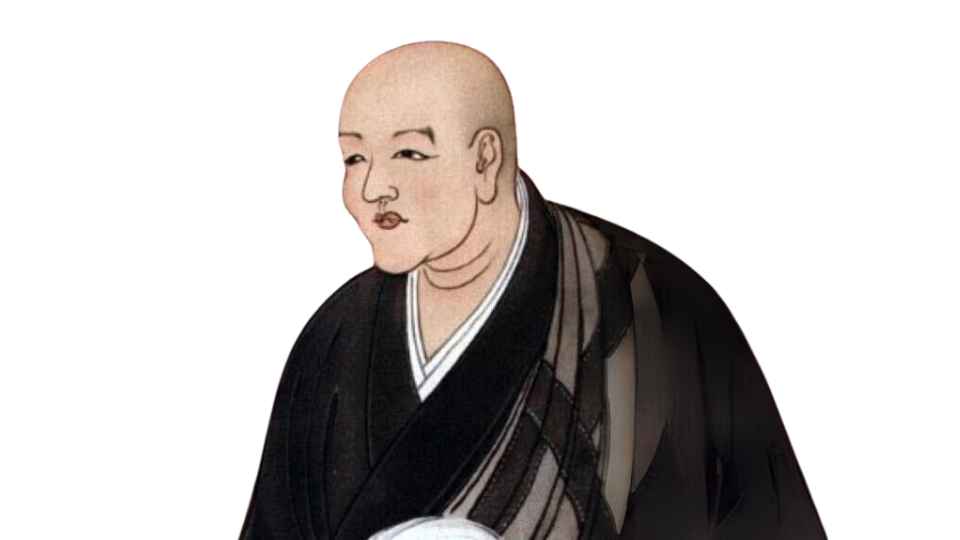
Dōgen's assertion, "The way the self arrays itself is the form of the entire world," invites us to contemplate the profound interconnectedness of our inner lives and the external reality we perceive. This statement suggests that our understanding of ourselves shapes our experience of the world around us. In a time when many feel disconnected from both self and society, Dōgen's words remind us of the importance of self-awareness and the responsibility that comes with it. The way we perceive and express our inner selves directly influences the world we inhabit.
Delving deeper, we find that Dōgen's insight is not merely an observation but a call to introspection and transformation. The "self" he refers to is not a static entity but a dynamic interplay of thoughts, emotions, and perceptions that continuously shapes our reality. By recognizing that our inner landscape is a reflection of the outer world, we are encouraged to cultivate a more mindful and compassionate approach to both ourselves and others. This understanding can lead to a more harmonious existence, where personal growth and collective well-being are intertwined.
The image / the metaphor
The imagery in Dōgen's quote evokes a sense of arrangement or organization, suggesting that the self is not merely a passive observer of the world but an active participant in its formation. The verb "arrays" implies a deliberate positioning, as if the self is arranging its thoughts, feelings, and actions in a way that constructs the very fabric of reality. This notion resonates with the Zen practice of mindfulness, where the awareness of one's thoughts and actions can lead to a more authentic and engaged experience of life.
In the speaker's tradition
Within the Zen tradition, Dōgen's insights resonate deeply with concepts such as sunyata (emptiness) and prajna (wisdom). The idea that the self and the world are interdependent reflects the essence of sunyata, which teaches that all phenomena are interconnected and devoid of inherent existence. This understanding invites practitioners to let go of rigid self-identities and embrace a more fluid sense of being, allowing for a deeper connection with the world. Dōgen's emphasis on the self's arraying aligns with the Zen practice of cultivating awareness and presence, fostering a sense of unity with all that exists.
In his seminal work, "Genjokoan," Dōgen elaborates on the relationship between self and reality, emphasizing that true understanding arises from direct experience rather than intellectual abstraction. He writes, "To study the Buddha Way is to study the self. To study the self is to forget the self." This passage underscores the transformative potential of self-exploration, suggesting that by deeply engaging with our own nature, we can transcend the limitations of the ego and perceive the world with clarity and compassion.
Living the teaching
Consider a modern scenario where this teaching can be applied: a workplace filled with tension and competition. In such an environment, individuals may feel isolated, leading to a culture of mistrust and disconnection. However, if each person begins to reflect on how their own attitudes and behaviors contribute to the overall atmosphere, they may find opportunities for collaboration and support. By consciously arranging their thoughts and actions towards kindness and cooperation, they can transform not only their own experience but also the collective dynamic of the workplace.
Another application of Dōgen's teaching can be found in personal relationships, particularly during conflicts. When faced with disagreement, it is easy to become entrenched in one's own perspective, viewing the other as an adversary. However, if we take a moment to reflect on how our own feelings and reactions shape the situation, we may find that our approach can either escalate or de-escalate the conflict. By arraying ourselves with empathy and openness, we can foster understanding and healing, illustrating how the self's arrangement directly impacts the relational world.
A reflection
As we contemplate Dōgen's profound insight, we are invited to ask ourselves: How does the way I perceive and express my own self influence the world around me? This question encourages a deep exploration of our inner lives and challenges us to consider the impact of our thoughts, emotions, and actions on our relationships and environment. In this inquiry, we may discover pathways to greater awareness and connection, ultimately leading to a more harmonious existence.


