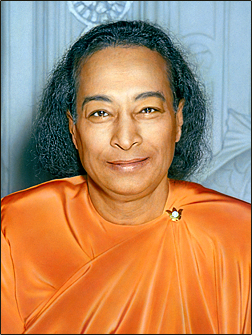
Guiding Light: The Role of the Guru in Spiritual Awakening
Paramahansa Yogananda's assertion that "the blind cannot lead the blind" underscores a profound truth about spiritual guidance. It suggests that true understanding of the divine cannot be imparted by those who lack direct experience or insight. This statement elevates the role of the guru, positioning them as a vital link between the seeker and the divine. In a world filled with confusion and misinformation, the need for authentic spiritual teachers becomes paramount, as they illuminate the path toward self-realization and connection with God.
Yogananda's words invite us to reflect on the nature of knowledge and the importance of experiential wisdom in spiritual teachings. The metaphor of blindness evokes a sense of disorientation, emphasizing that without a clear vision of the divine, one cannot effectively guide others. This raises critical questions about the sources of our spiritual knowledge and the integrity of those who claim to teach it. In a society where many voices vie for attention, discerning the true masters from the merely vocal becomes an essential task for sincere seekers.
The image / the metaphor
The imagery of blindness in Yogananda's quote serves as a powerful metaphor for spiritual ignorance. The term "blind" evokes a sense of helplessness and lack of direction, suggesting that those who have not experienced the divine cannot offer meaningful guidance. The verbs "lead" and "teach" imply an active role, highlighting the responsibility of the guru to illuminate the path for others. This dynamic relationship between the teacher and the student is foundational in many spiritual traditions, where the guru is seen as a beacon of light in the darkness of ignorance.
Diving deeper into this metaphor, we can consider the implications of "knowing God." This knowledge is not merely intellectual; it is an experiential understanding that transforms the individual. A master who has realized their connection with the divine embodies a wisdom that transcends words, allowing them to guide others not just through teachings but through their very presence. This relationship is akin to the sun illuminating the earth, where the light of the guru dispels the shadows of confusion and doubt, enabling seekers to find their own way.
In the speaker's tradition
Within the context of Hinduism, Yogananda's emphasis on the guru is deeply rooted in the tradition of *guru-shishya parampara*, the teacher-student lineage that has been central to spiritual transmission for centuries. Concepts such as *bhakti* (devotion) and *prajna* (wisdom) are integral to this relationship, as they highlight the necessity of surrendering to a master who embodies divine knowledge. The guru is not merely a teacher but a living embodiment of the divine, facilitating the student's journey toward self-realization and union with God.
Yogananda's teachings resonate with the ancient texts of the *Bhagavad Gita*, where Krishna serves as a divine guide to Arjuna, illuminating the path of righteousness and self-discovery. This relationship exemplifies the transformative power of a true guru, who, through their own realization, can lead others toward enlightenment. The *Gita* emphasizes the importance of seeking guidance from one who has attained a higher state of consciousness, reinforcing Yogananda's assertion that only a master can effectively teach about God.
Living the teaching
In contemporary life, the application of Yogananda's teaching can be seen in various contexts, particularly in the realm of personal development and mentorship. Consider a scenario where an individual seeks guidance in their career. If they turn to a mentor who has navigated similar challenges and possesses a deep understanding of their field, they are more likely to receive valuable insights and support. This dynamic mirrors the relationship between a guru and a disciple, where the mentor's experience and wisdom can illuminate the path for the seeker, helping them avoid pitfalls and make informed decisions.
Another poignant application of this teaching can be found in interpersonal relationships. When faced with conflict or emotional turmoil, seeking advice from someone who has not only theoretical knowledge but also personal experience in navigating such challenges can be transformative. A friend or counselor who embodies compassion and understanding can guide us through our struggles, much like a guru guiding their disciple. In these moments, we recognize the importance of surrounding ourselves with those who have cultivated a deeper understanding of life, allowing their insights to enrich our own journey.
A reflection
As we contemplate Yogananda's profound statement, we are invited to reflect on our own spiritual journey and the sources from which we seek guidance. Are we turning to those who have truly realized the divine, or are we relying on voices that may lead us astray? In this moment of introspection, consider: Who are the guiding lights in your life, and how can you deepen your connection with those who embody the wisdom you seek?


