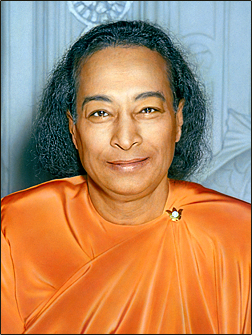
The Sacred Dance of Deserving and Desiring
Paramahansa Yogananda's assertion, "First deserve, then desire. Otherwise your prayer is a mockery," invites us to reflect deeply on the relationship between our intentions and our actions. In essence, Yogananda emphasizes that genuine desire must be rooted in a foundation of effort and merit. This perspective challenges us to consider the authenticity of our prayers and aspirations, urging us to align our inner yearnings with the reality of our efforts. The stakes are high: without this alignment, our spiritual pursuits risk becoming hollow gestures, devoid of true meaning.
In a world often driven by immediate gratification, Yogananda's words serve as a poignant reminder of the importance of integrity in our spiritual lives. To "deserve" is not merely to earn in a transactional sense but to cultivate a state of being that resonates with our highest aspirations. This teaching calls us to engage in self-reflection and personal growth, ensuring that our desires are not just fleeting whims but are instead grounded in a sincere commitment to our spiritual evolution. In this light, prayer transforms from a simple request into a profound dialogue with the universe, one that is enriched by our efforts and intentions.
The image / the metaphor
The imagery in Yogananda's quote evokes a sense of balance and reciprocity. The verbs "deserve" and "desire" suggest a dynamic interplay between action and aspiration. To deserve implies a preparation of the soul, a readiness to receive the blessings we seek. It conjures the image of a gardener tending to their plants, nurturing the soil before expecting a bountiful harvest. In this metaphor, prayer becomes a sacred act of cultivation, where our efforts enrich the ground from which our desires can blossom.
In the speaker's tradition
Yogananda's teachings are deeply rooted in the rich tapestry of Hindu philosophy, where concepts such as dharma and bhakti play pivotal roles. Dharma, or righteous duty, emphasizes the importance of living in accordance with one's true nature and responsibilities. By deserving, we align ourselves with our dharma, ensuring that our desires are not only personal but also contribute to the greater good. Bhakti, the path of devotion, further enriches this understanding by reminding us that our efforts must be infused with love and sincerity, transforming our desires into acts of devotion.
In the Bhagavad Gita, we find a parallel sentiment expressed by Krishna, who advises Arjuna to perform his duty without attachment to the fruits of his actions. This teaching resonates with Yogananda's assertion, as it underscores the importance of deserving through action while maintaining a pure heart. The Gita encourages us to engage fully in our responsibilities, cultivating a sense of detachment that allows our prayers and desires to emerge from a place of authenticity rather than desperation.
Living the teaching
Consider a modern scenario where this teaching might resonate: a young professional seeking a promotion. If their desire is solely rooted in the prestige of the title, their prayer for success may lack sincerity. However, if they first focus on deserving—by honing their skills, contributing positively to their team, and embodying the values of their organization—their aspirations become more than mere wishes. In this context, their prayer transforms into a heartfelt request for guidance and support as they navigate their path, grounded in the reality of their efforts.
Another application of this teaching can be found in personal relationships. Imagine a person yearning for deeper connection with a partner. If they approach this desire without first deserving it—by actively listening, showing appreciation, and investing time—their prayers for intimacy may feel ungrounded. By embodying the qualities of love and respect, they create a fertile ground for their desires to flourish, allowing their prayers to resonate with authenticity and depth.
A reflection
As we contemplate Yogananda's profound insight, we are invited to ask ourselves: What desires in my life are not aligned with my efforts? This question encourages a deep introspection, prompting us to examine the authenticity of our aspirations and the integrity of our actions. In this sacred dance of deserving and desiring, may we find clarity and purpose, ensuring that our prayers are not mere echoes but vibrant expressions of our true selves.


