Embracing Action with a Heart of Non-Attachment
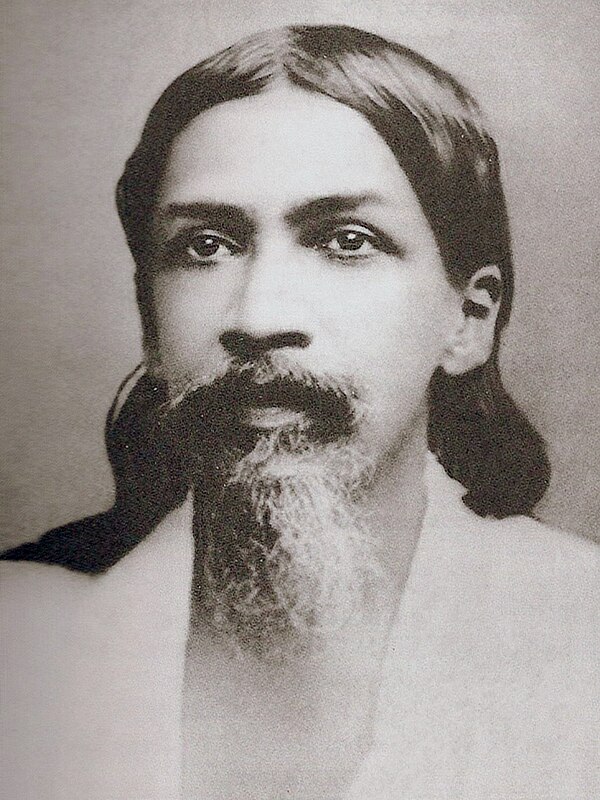
Sri Aurobindo's assertion that "It is dangerous to think of giving up all action in the world. The right principle is to do all without restless attachment" invites us to navigate the delicate balance between action and detachment. In a world that often glorifies inaction as a path to peace, Aurobindo reminds us that true spiritual growth lies not in retreating from the world but in engaging with it mindfully. This perspective challenges us to reconsider our relationship with our actions, urging us to act with purpose while remaining free from the burdens of attachment.
At the heart of this teaching is the recognition that our actions, when infused with intention and awareness, can become a form of spiritual practice. Aurobindo's wisdom speaks to the modern seeker, who may feel overwhelmed by the demands of life yet yearns for a deeper connection to their spiritual path. By embracing action without attachment, we can transform our daily endeavors into opportunities for growth and understanding, fostering a sense of inner peace amidst the chaos of existence.
The image / the metaphor
The imagery in Aurobindo's quote evokes a dynamic interplay between action and stillness. The phrase "giving up all action" conjures a vision of retreat, a desire to escape the complexities of life. Yet, Aurobindo juxtaposes this with the notion of "doing all without restless attachment," suggesting that action itself is not the enemy; rather, it is our relationship to that action that can lead to suffering. The verbs chosen—"giving up" and "doing"—highlight the tension between passivity and engagement, inviting us to explore the nuances of our motivations.
Diving deeper into the metaphor, we can see that Aurobindo is not advocating for a mere resignation to fate or a passive acceptance of life’s circumstances. Instead, he encourages an active participation in the world, where our actions are grounded in a sense of purpose and clarity. This approach transforms our engagement with life into a sacred dance, where each step is taken with mindfulness, allowing us to navigate the complexities of existence without becoming ensnared by them.
In the speaker's tradition
Within the rich tapestry of Hindu philosophy, Aurobindo's teaching resonates with the concept of dharma, or righteous action. Dharma emphasizes the importance of fulfilling one's duties and responsibilities while remaining unattached to the fruits of those actions. This principle aligns with the teachings of the Bhagavad Gita, where Krishna instructs Arjuna to engage in battle without attachment to victory or defeat. Such teachings underscore the idea that true fulfillment arises not from the outcomes of our actions but from the integrity with which we approach them.
Moreover, Aurobindo's perspective can be likened to the Buddhist concept of sunyata, or emptiness, which encourages practitioners to let go of clinging and aversion. In this light, Aurobindo's call to act without restless attachment becomes a bridge between the two traditions, inviting us to engage fully with life while cultivating a sense of inner freedom. The essence of this teaching is echoed in the writings of the Gita, where the path of selfless action is celebrated as a means to spiritual liberation.
Living the teaching
Consider a modern scenario where this teaching can be applied: a professional striving for success in a competitive workplace. The pressure to achieve can lead to a relentless pursuit of goals, often accompanied by anxiety and stress. By embracing Aurobindo's wisdom, this individual can shift their focus from the outcome of their efforts to the quality of their engagement. They can approach their work with dedication and passion, yet remain unattached to accolades or recognition, finding fulfillment in the process itself rather than the end result.
In the realm of relationships, Aurobindo's teaching offers profound insights as well. Imagine a partnership where one person feels a constant need for validation from the other. This attachment can create tension and dissatisfaction. By practicing non-attachment, both partners can cultivate a deeper connection rooted in mutual respect and understanding, allowing love to flourish without the weight of expectation. This shift transforms the relationship into a space of growth, where each individual can thrive while supporting one another's journey.
A reflection
As we contemplate Aurobindo's profound insight, we are invited to reflect on our own relationship with action and attachment. Are there areas in our lives where we cling too tightly to outcomes, hindering our ability to engage fully? In what ways can we embrace action with a heart of non-attachment, allowing our endeavors to unfold naturally? These questions serve as a guiding light, encouraging us to explore the delicate balance between doing and being, ultimately leading us toward a more harmonious existence.