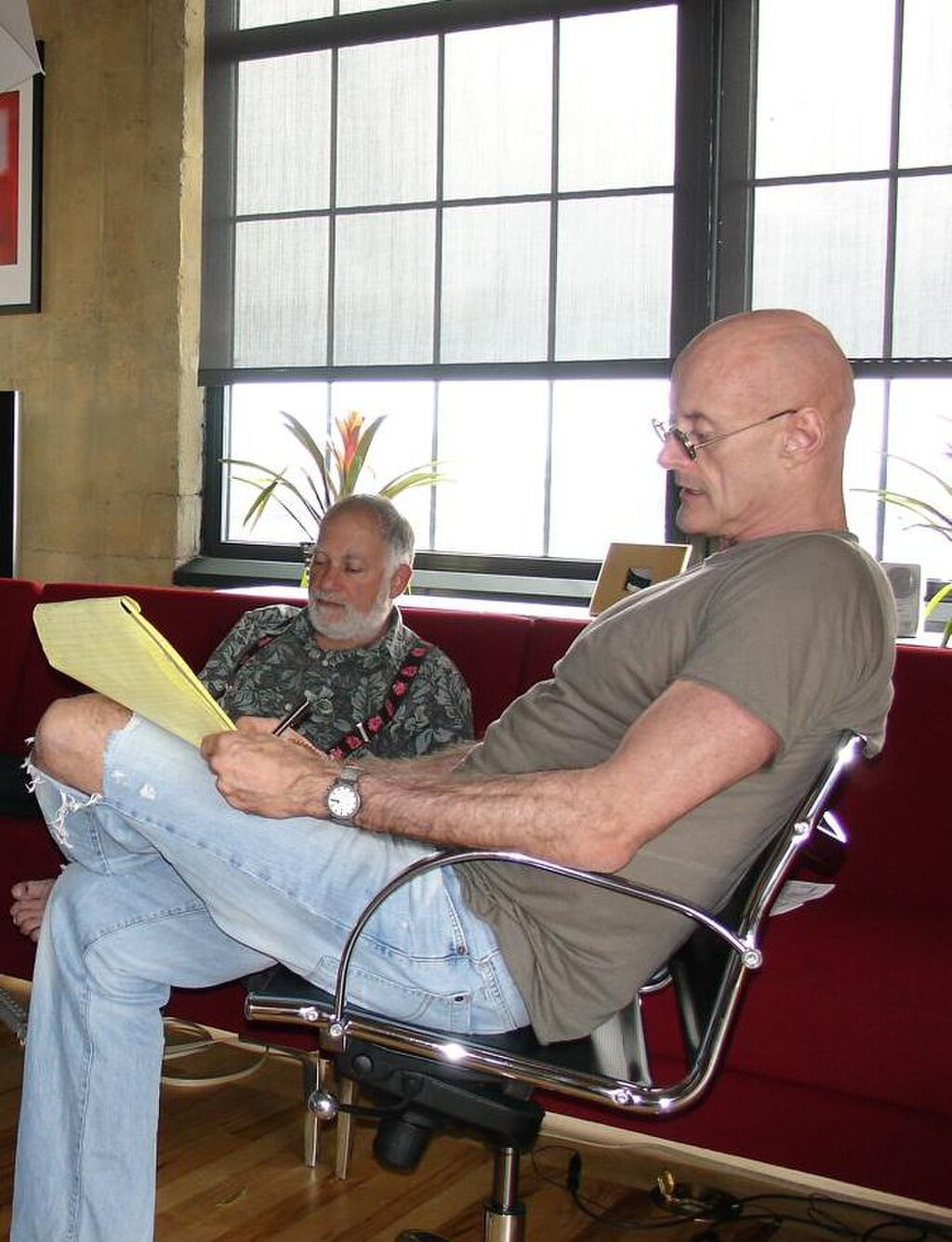
Ken Wilber's assertion that "Real practice changes you. Translation only soothes you" invites us to reflect deeply on the nature of spiritual engagement. In this statement, Wilber contrasts the profound, often uncomfortable process of genuine practice with the more superficial comfort of mere intellectual understanding. This distinction is crucial for anyone seeking authentic transformation, as it highlights the necessity of active participation in one's spiritual journey rather than passive consumption of ideas.
Wilber's words resonate with a universal truth: true change arises from the depths of experience rather than the surface of knowledge. While translation—interpreting or explaining spiritual concepts—can provide temporary relief or clarity, it lacks the transformative power inherent in actual practice. This distinction matters profoundly in a world where many seek quick fixes or easy answers, often overlooking the rigorous, sometimes painful, path of personal growth and self-discovery.
The image / the metaphor
At the heart of Wilber's quote lies a vivid metaphor that contrasts two distinct approaches to spirituality. The term "real practice" evokes images of rigorous training, discipline, and the willingness to confront one's inner landscape. It suggests a dynamic process, one that requires engagement, commitment, and often a degree of discomfort. In contrast, "translation" implies a more passive activity, akin to reading a map without ever embarking on the journey itself. The verbs chosen—"changes" and "soothes"—further emphasize this dichotomy, suggesting that genuine transformation is an active, sometimes tumultuous process, while mere understanding offers a fleeting sense of peace.
Diving deeper into this metaphor, we can see that "real practice" encompasses a wide array of spiritual disciplines, from meditation and mindfulness to ethical living and community service. It is about embodying the teachings rather than merely discussing them. In contrast, "translation" can be likened to the comfort of intellectualizing spirituality, where one may feel reassured by concepts without ever allowing them to penetrate the heart. This distinction invites us to consider how often we may find ourselves in the realm of translation, seeking solace in understanding while neglecting the transformative power of practice.
In the speaker's tradition
Ken Wilber's integral philosophy emphasizes the interconnectedness of various dimensions of human experience, including the physical, emotional, mental, and spiritual. Within this framework, the concepts of dharma and kenosis resonate deeply with Wilber's assertion. Dharma, or one's rightful path, calls for active engagement with life, while kenosis—the self-emptying or letting go—invites us to surrender our preconceived notions and attachments. Both concepts underscore the necessity of practice as a means of genuine transformation, aligning with Wilber's view that real change requires more than mere intellectual understanding.
Moreover, Wilber's emphasis on practice can be likened to the Buddhist notion of sunyata, or emptiness, which teaches that true understanding arises from direct experience rather than conceptualization. In this light, we can see that Wilber's call for real practice is not merely a personal preference but a reflection of a broader spiritual truth found across various traditions. The teachings of bhakti, or devotion, also echo this sentiment, as they emphasize the importance of heartfelt engagement with the divine, which ultimately leads to profound transformation.
Living the teaching
Consider a modern scenario where this teaching might resonate: an individual grappling with anxiety and seeking solace in self-help books and online courses. While these resources can provide valuable insights and temporary relief, they may not lead to lasting change unless the individual commits to a practice that addresses the root causes of their anxiety. This could involve engaging in mindfulness meditation, seeking therapy, or participating in community support groups. In this case, the shift from translation to real practice becomes essential for genuine transformation and healing.
Another application of this teaching can be found in relationships. Imagine a couple facing recurring conflicts, each attempting to understand the other's perspective through discussions and translations of their feelings. While this intellectual approach may provide some clarity, it often falls short of fostering real connection. By committing to practices such as active listening, vulnerability, and shared rituals, they can cultivate a deeper understanding and transformation in their relationship. Here, the shift from mere translation to real practice becomes a pathway to healing and growth.
A reflection
As we contemplate Wilber's profound statement, we are invited to reflect on our own spiritual journeys. Are we engaging in practices that challenge and transform us, or are we merely seeking comfort in understanding? This contemplation invites us to consider: What practices can I commit to that will foster genuine change in my life, rather than simply soothing my mind with ideas? In this inquiry, we may find the seeds of true transformation waiting to blossom.


